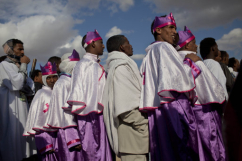
German chancellor Angela Merkel is hot favourite to win the Nobel Peace Prize on Friday – but an Eritrean Roman Catholic priest is in the running as well.
Father Mussie Zerai has been nominated for helping to save the lives of thousands of migrants crossing the Mediterranean.
His ministry began in 2003, when he gave his telephone number to a journalist who needed help translating the stories of Eritreans in detention camps in Libya. The number spread by word of mouth and was scrawled on the wall of a Libyan prison.
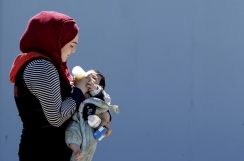
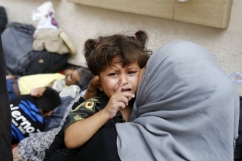
Zerai became the hub of a crisis support line as he was called by migrants from inside trucks in the Sahara desert and from boats taking on water in the sea. He sends their GPS coordinates to Italy's coastguard and EU naval authorities so they can be rescued.
Overwhelmed by the volume of calls, he founded the mostly volunteer 'Watch the Med' call centre, now staffed by several dozen multilingual volunteers.
Zerai met Pope Francis – also up for the prize – at a conference on human trafficking. "He told me – have courage father, keep going," he told the Daily Telegraph.
He is critical of Angela Merkel and other EU politicians, who he believes have failed those seeking refuge.
"Angela Merkel says: '800,000 are welcome.' It gives politicians a nice image. But more concretely, how are these people arriving at your border? What violence have they suffered? Why not create an air bridge from Greece or a humanitarian corridor from Turkey or Lebanon?"
He continued: "In the last 15 years more than 25,000 people have died in the Mediterranean. And what is Europe doing now? Erecting walls and barbed wire.
"All legal channels must be used to combat trafficking, otherwise Mare Nostrum will become one big cemetery."
Zerai's efforts have not been universally welcomed, particularly from within Eritrea, of whose repressive regime he is a stern critic. In a reflection of the wider tensions within the effort to deal with the migrant crisis, he has also been accused of complicity in helping the migrants. However, he is adamant that the real crime is not to rescue someone who is pleading for help when their life is at risk.