
|PIC1|With so many new interfaith dialogues between different sets of Christian and Muslim leaders, there is a possibility for overlap and confusion, according to the Vatican's top official for interfaith efforts.
There is now so much interest in Christian-Muslim dialogue that it is getting hard to see where it is going, said Cardinal Jean-Louis Tauran, head of the Pontifical Council for Interreligious Dialogue, in an interview after last week's landmark conference between Catholic and Muslim leaders.
"There's a risk of overlapping," he told Reuters. "It may be the price to pay for all this interest that interreligious dialogue incites."
While dialogue between Christians and Muslims is nothing new, since the September 11 attacks sharpening tensions between western and Muslim states have prompted a new urgency.
Two years ago, Catholic-Muslim relations soured after Pope Benedict XVI delivered a speech in Regensburg, Germany, in which he quoted a 14th century Byzantine emperor's criticism of Islam, linking it to violence.
One year earlier, violent protest broke out in Muslim countries after a Danish newspaper printed a series of cartoons of Islam's most revered prophet, Mohammad. Over 50 people died in the ensuing deadly clashes, which some say could have been averted had Christians and Muslims jointly denounced the violence.
At last week's closed-door talks, a team of Muslim scholars met with the Pope and Vatican officials to develop ways to help defuse ongoing tensions between Islam and Christianity.
"Dear friends, let us unite our efforts, animated by good will, in order to overcome all misunderstanding and disagreements," Pope Benedict said in a speech to the delegates. "Let us resolve to overcome past prejudices and to correct the often distorted images of the other, which even today can create difficulties in our relations."
Led by Mustafa Ceric, the Grand Mufti of Bosnia-Herzegovina, the 24 Muslim scholars attending last week's gathering represented the Common Word Group, a broad coalition of Muslim leaders and scholars who are pursuing dialogue between the world's two largest religions.
Since the group issued The Common Word Manifesto last October, a total 275 prominent Muslims have signed the document urging Christian churches to reach mutual understanding to safeguard global security, based on shared principles of loving God and their neighbors.
Common Word delegates have also met this year with a number of Protestant leaders, proposing regular dialogue sessions, student exchanges, suggested reading lists and other ideas to help Christians and Muslims learn more about each other.
At another more recent Muslim-Christian conference, hosted by the Archbishop of Canterbury, 17 prominent Muslims met with 19 Christian leaders and denounced the persecution of Iraqi Christians, saying that there was no justification in Islam for the attacks.
During their October 12-15 meeting, participants addressed issues such as the global economic crisis, interfaith education, different understandings of scriptures, shared moral values, respect for foundational figures in the respective faiths, religious freedom, and the persecution of minorities in Iraq.
Prior to that, a four-day meeting was held late July at Yale University, where high-profile leaders discussed how Christians and Muslims might work together to address world poverty, the wars in Iraq and Afghanistan, the situation in Palestine and Israel, the dangers of further wars, and the freedom of religion.
At the conclusion of the meeting, over 140 conference participants, including the Rev Dr Geoff Tunnicliffe, international director of the World Evangelical Alliance, unanimously approved a cooperative statement that signaled a new beginning of collaboration between Christians and Muslims where stronger assertions of faith would be not just be allowed but required.
In his recent interview with Reuters, Vatican official Tauran expressed his concern over the confusion that could arise from the high number of such Christian-Muslim dialogues.
"In my opinion, there are too many Christian-Muslim initiatives. Everybody's doing it," he said. "One doesn't know where this will go. That proves there is a great interest, but it sows a bit of confusion."
When asked if Christian churches could coordinate their efforts, Tauran shook his head and said, "It's like in Islam. There is no single voice. For the moment, it's not possible."
Currently, Catholicism ties together the largest number of Christians in the world with 1.2 billion members. Protestants, meanwhile, reportedly comprise some 700 million believers - ranging from a number of denominations. In addition, around 260 million believers ascribe to Eastern Orthodoxy and 81 million to Oriental Orthodoxy. Anglicanism rounds out the list of largest Christian denominations with 77 million members.
11% OFF

VitaUp Beet Root Gummies with CoQ10 & Grape Seed - Nitric Oxide Circulation Support (60 Count)
$24.91 $27.91
50% OFF

HDPE All-Weather Adirondack Chair with Built-In Cup Holder - Tool-Free Assembly (Grey)
$69.99 $139.99
60% OFF

HOMETUK Clear Plastic Storage Bins with Dividers - 3-Pack Stackable Acrylic Organizer Containers for Fridge and Pantry
$19.99 $49.99
58% OFF

G Gradual Men's Fishing Shirt - UPF 50+ Lightweight Short Sleeve Button Down with Zipper Pockets
$14.99 $35.99
55% OFF

Everyfun 60" Rectangular Platform Tree Swing - 700lbs Heavy Duty Adjustable Outdoor Swing (Colorful)
$49.99 $110.99
61% OFF

Ekouaer Women's Casual Loose Jumpsuit - One-Piece Printed Sleeveless Wide Leg Romper with Pockets
$14.99 $37.99
40% OFF
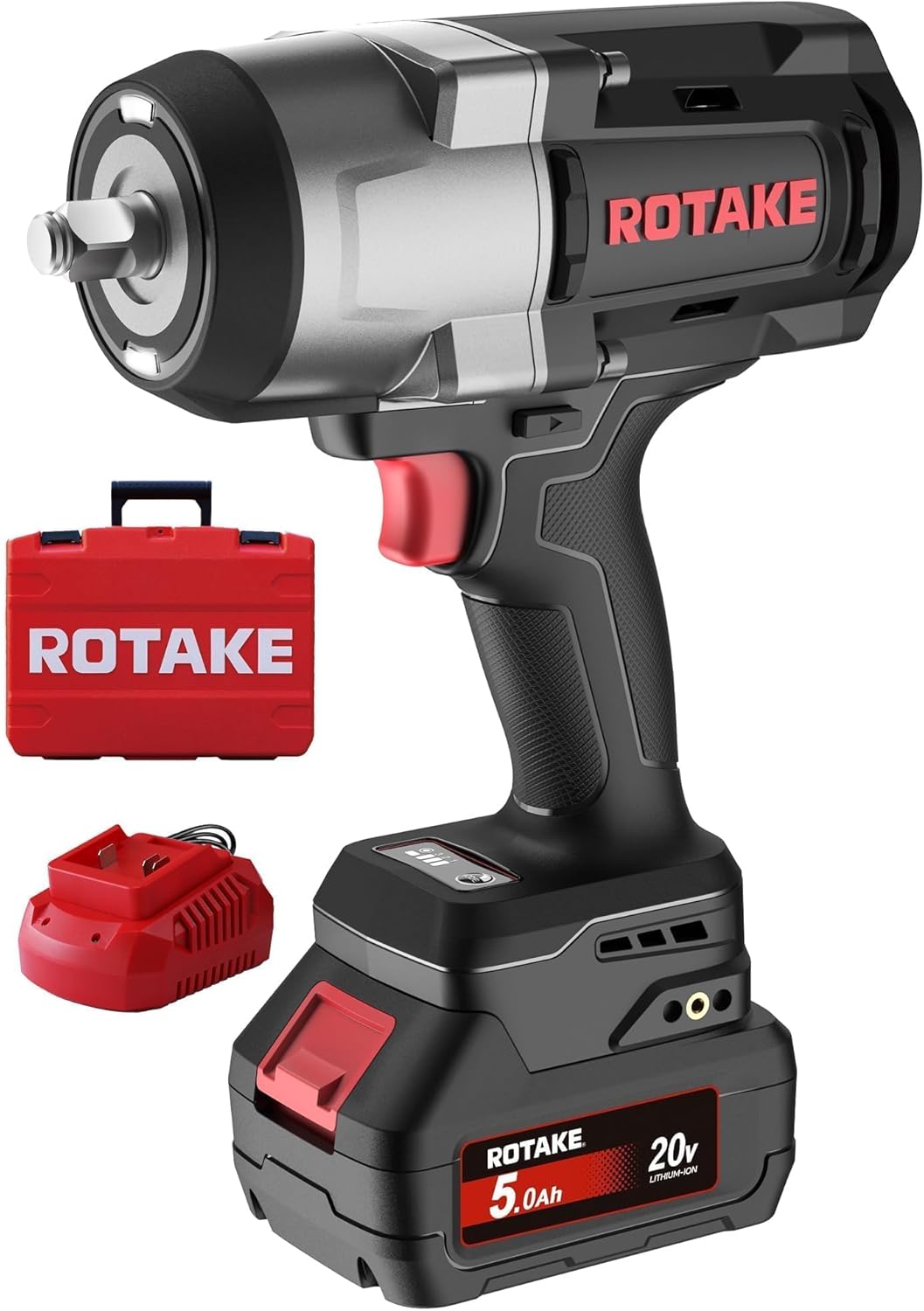
ROTAKE TB3 20V Heavy Duty 1/2" Cordless Impact Wrench Kit - 1380 Ft-Lbs Torque
$132 $219.99
36% OFF

Men's Athletic Running Shorts with Zipper Pockets - Lightweight & Quick Dry
$12.74 $19.99
61% OFF

Modern Ceiling Fan with Light and Remote - Reversible Quiet DC Motor
$69.3 $179.99
50% OFF

MOOKA H13 True HEPA Air Purifier for Home Large Room - 1076 sq ft Odor Eliminator
$39.97 $79.95
60% OFF

Ekouaer Women's Satin Silky Pajama Set - Short Sleeve Pullover Top & Wide-Leg Pants
$13.99 $34.99
55% OFF

Ekouaer 3-Piece Maternity & Nursing Pajamas Set - Short Sleeve Top with Shorts and Pants
$14.99 $32.99

Sealy 2-Pack Tritech 16" Twin Inflatable Air Mattress with Built-in AC Pump
$0 $113.99
20% OFF

INTEX Prism Frame 20ft x 52in Above Ground Pool Set - Round Steel Frame Swimming Pool
$695.99 $869.99

Gardner Pet 43" Heavy Duty Dog Crate with Wheels - Indestructible Folding Metal Cage (Black)
$0 $149.99
12% OFF

Elegant Mid-Century Modern Bar Stools - Set of 4
$395.99 $449.99
23% OFF
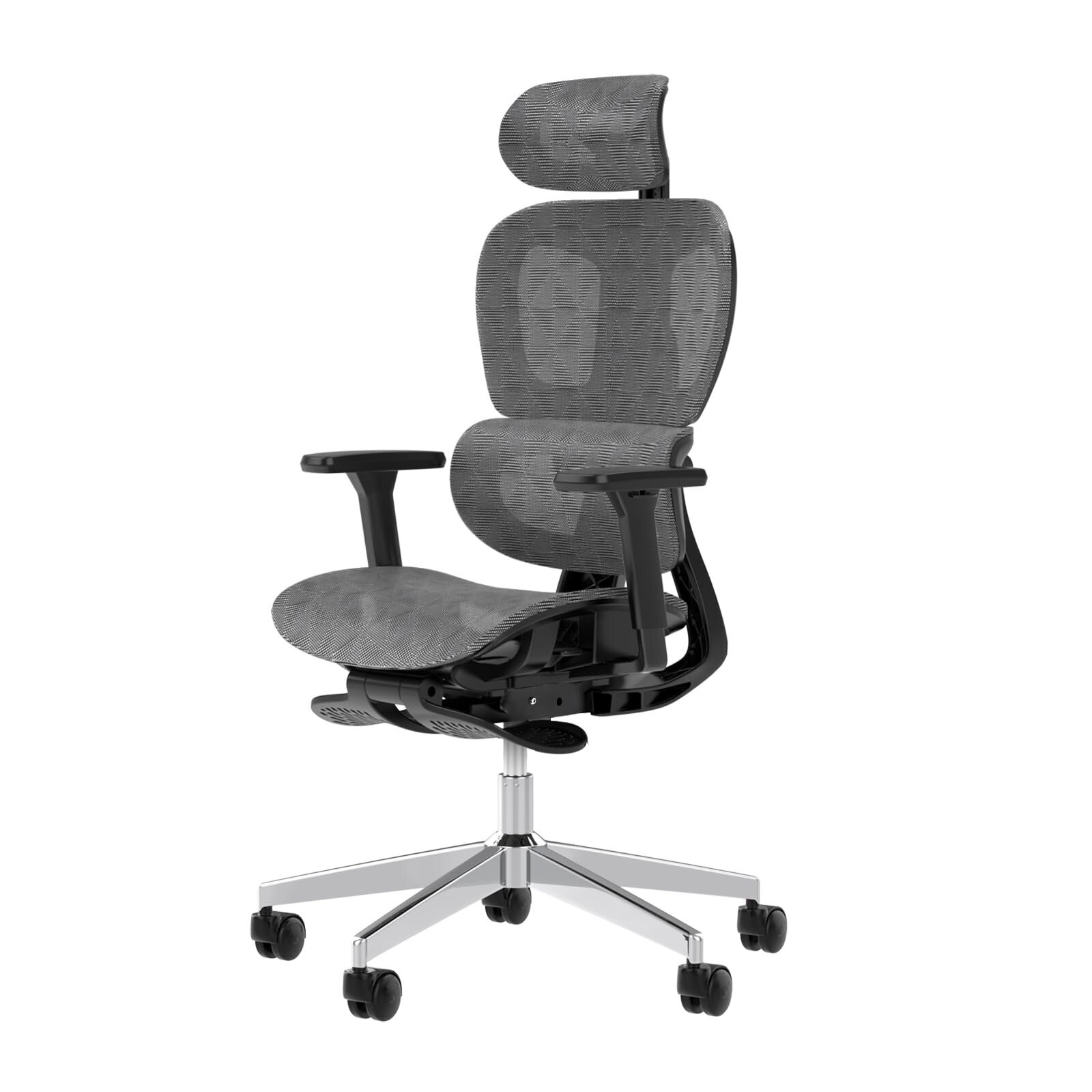
Ergonomic Office Chair - Big and Tall Desk Chair with Adjustable Lumbar Support
$279.99 $363.99
26% OFF
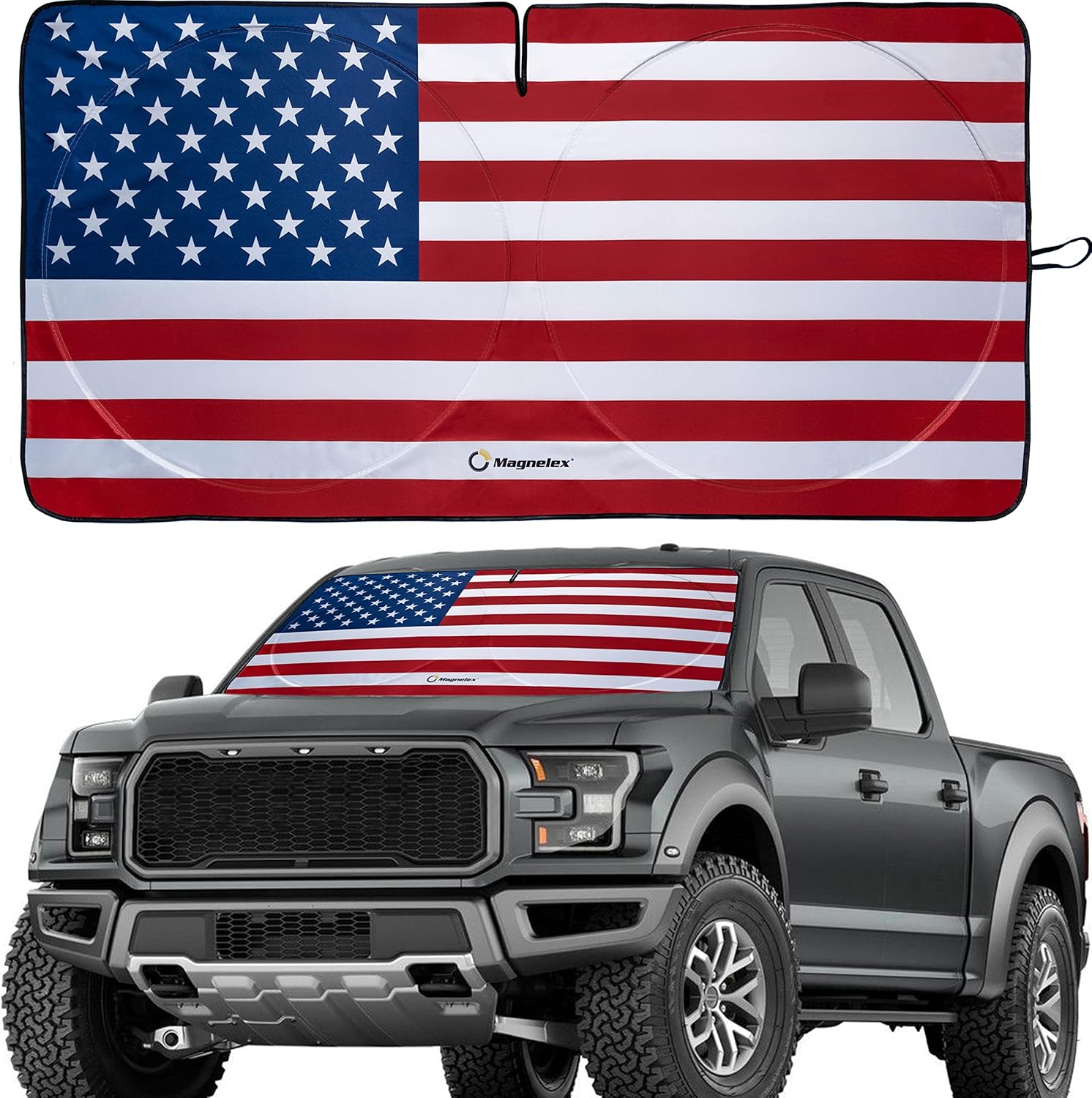
Magnelex American Flag Windshield Sun Shade - High-Resolution UV Reflective Heat Shield (X-Large)
$19.9 $26.9
20% OFF
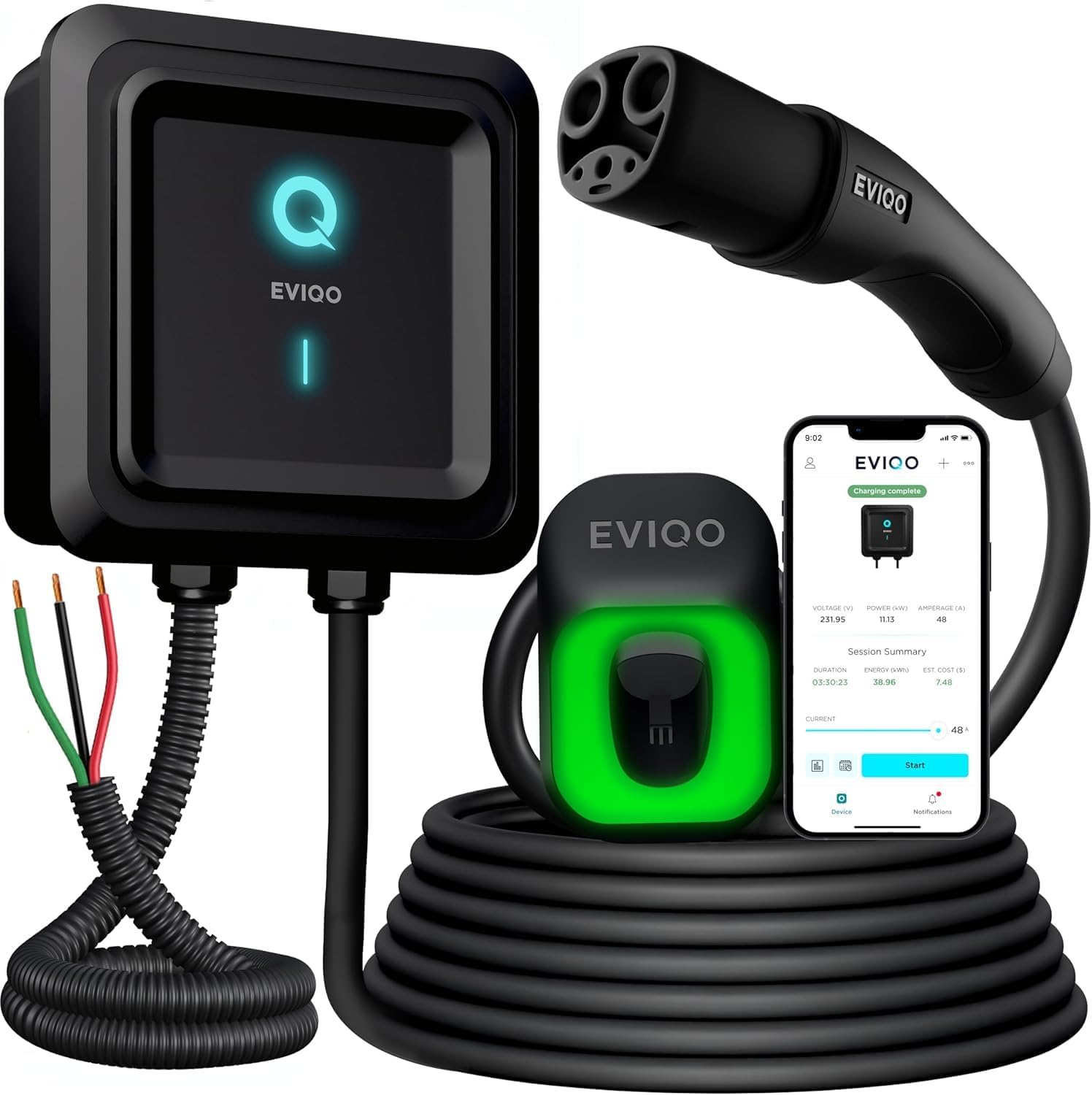
EVIQO 48 Amp NACS Level 2 EV Charger - Hardwired Smart WiFi Wall Charger for Tesla
$368.51 $458.55
50% OFF

DBFIT Air Purifier for Home Large Room
$29.99 $59.99




-

Historic Lancashire church secures £250,000 National Lottery grant for major roof repairs
-
Sunderland Minster PCC was right to push back over trans toilet sign
-

Bethel Church distances itself from Todd Bentley and Mike Bickle
-

Christian police officer reaches settlement over diversity training discrimination claim
-
Turkey's hidden Christian past: Extraordinary discoveries are rewriting the story of early Christianity
-

Washington Archdiocese parts ways with exorcist priest over UFO remarks
Most Popular
News
Churches must disciple well and listen well in response to rise of Christian nationalism
Churches have a task on their hands to raise standards of theological literacy in their congregations amid growing Christian nationalism, while at the same time listening to and engaging with the concerns of people in their flock.

A Christian response to the crisis facing young people
The Church has a wonderful message of hope to share with young people increasingly feeling a sense of nihilism and hopelessness at the state of the world, writes Tim Farron.

Tributes paid to Operation Mobilisation co-founder Dale Rhoton
Tributes have been paid to Dale Rhoton, one of the co-founders of international mission organisation Operation Mobilisation (OM), after his death at the age of 88.

Doctors should work for good of the patient, not facilitate suicide, says Christian Medical Fellowship
Suicide is always a tragedy that should be resisted, the CMF suggested.
VitaUp Beet Root Gummies with CoQ10 & Grape Seed - Nitric Oxide Circulation Support (60 Count)
$24.91
HDPE All-Weather Adirondack Chair with Built-In Cup Holder - Tool-Free Assembly (Grey)
$69.99
HOMETUK Clear Plastic Storage Bins with Dividers - 3-Pack Stackable Acrylic Organizer Containers for Fridge and Pantry
$19.99
G Gradual Men's Fishing Shirt - UPF 50+ Lightweight Short Sleeve Button Down with Zipper Pockets
$14.99
Everyfun 60" Rectangular Platform Tree Swing - 700lbs Heavy Duty Adjustable Outdoor Swing (Colorful)
$49.99
Ekouaer Women's Casual Loose Jumpsuit - One-Piece Printed Sleeveless Wide Leg Romper with Pockets
$14.99
ROTAKE TB3 20V Heavy Duty 1/2" Cordless Impact Wrench Kit - 1380 Ft-Lbs Torque
$132
Men's Athletic Running Shorts with Zipper Pockets - Lightweight & Quick Dry
$12.74
Modern Ceiling Fan with Light and Remote - Reversible Quiet DC Motor
$69.3
MOOKA H13 True HEPA Air Purifier for Home Large Room - 1076 sq ft Odor Eliminator
$39.97
Ekouaer Women's Satin Silky Pajama Set - Short Sleeve Pullover Top & Wide-Leg Pants
$13.99
Ekouaer 3-Piece Maternity & Nursing Pajamas Set - Short Sleeve Top with Shorts and Pants
$14.99
Sealy 2-Pack Tritech 16" Twin Inflatable Air Mattress with Built-in AC Pump
$0
INTEX Prism Frame 20ft x 52in Above Ground Pool Set - Round Steel Frame Swimming Pool
$695.99
Gardner Pet 43" Heavy Duty Dog Crate with Wheels - Indestructible Folding Metal Cage (Black)
$0
Elegant Mid-Century Modern Bar Stools - Set of 4
$395.99
Ergonomic Office Chair - Big and Tall Desk Chair with Adjustable Lumbar Support
$279.99
Magnelex American Flag Windshield Sun Shade - High-Resolution UV Reflective Heat Shield (X-Large)
$19.9
EVIQO 48 Amp NACS Level 2 EV Charger - Hardwired Smart WiFi Wall Charger for Tesla
$368.51
DBFIT Air Purifier for Home Large Room
$29.99