Anglican mission agency USPG has heralded in a new era with a service to launch its new name, Us.
The change comes after research found that the name USPG - short for United Society for the Propagation of the Gospel - did not connect with people in the 21st century.
The mission agency was established over 300 years ago and the new name partly reflects the changing understanding of mission over the years.
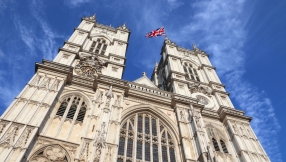
Speaking at a special service in Westminster, the Reverend Dr Sam Wells, Vicar of St Martin-in-the-Fields explained that instead of 'them' and 'us', there was "only an 'us'".
"In the good old days, we used to think being a missionary was about recognising a difference between us and them: 'us', who had resources, skills, and the Gospel, and 'them', who had hunger and not much else," he said.
The service was joined by the Archbishop of Canterbury, Dr Rowan Williams, who said the new name suited a world in which boundaries constantly shift and it is "very difficult to tell where 'us' stops and 'them' starts".
The Reverend Canon Chris Chivers, Us Chair of Trustees, said the name Us was a reminder that "God's welcome is for all of us".
"Jesus' promise of a full life is for every person, in every community. Our work is helping to make this happen around the world," he said.
Us Chief Executive Janette O'Neill said: "USPG changing its name to Us is a statement that everyone is included. In fact, the biggest cheer of the evening was reserved for a video looking at our history.
"The video explained how we were the first organisation to appoint a single woman as a missionary, which put us ahead of our time, this being 72 years before women got the vote in the UK.
"People cheered at this. It shows that an Anglican organisation is capable of standing up for equal rights."