
The French positivist philosopher Auguste Comte once told Thomas Carlyle that he planned to start a new religion to replace Christianity. "Very good," replied Carlyle. "All you have to do is be crucified, rise the third day, and get the world to believe you are still alive. Then your new religion will have a chance."
|PIC1|The cross and the resurrection stand as the pivotal events at the heart of the Christian faith. Christianity stands or falls with the substitutionary atonement wrought by the death of the incarnate Son of God on the cross and the resurrection of the Son of God on the third day. If Christ did not die in our place, then we are still under the divine verdict. If Jesus was not raised, He was merely a victim, and not the Victor.
The church comes each year to this celebration of resurrection because we must constantly remind ourselves and the world of the resurrection hope, and of the reality of the risen Christ. The church of the Lord Jesus Christ must always remain a company of resurrection witnesses, speaking the Gospel of the cross and the risen Christ to a world desperate for genuine hope.
Yet, the world is not always ready to hear the challenging clarity of the Easter message. Words such as sin, guilt, redemption, atonement, and salvation are often seen as intrusive, impolite, and unsophisticated. Individuals who flee from the admission of their own sinfulness know that the word of the cross and the witness of the resurrected Lord come as judgment, as well as grace.
Some within the church have decided to help the Easter message conform to cultural expectations. David Jenkins, the former bishop of Durham (England) prompted an outcry in the Church of England over his suggestion that the resurrection was "real," but not an historical fact. Christ's resurrection was real, in the sense that the disciples experienced the "livingness" of Jesus. Nevertheless, says the bishop, the resurrection of Jesus was not a bodily resurrection.
Bishop Jenkins' rejection of the biblical doctrine of the resurrection is, as is most often the case, nothing new. The resurrection has been a focal point of theological compromise throughout the history of the church, though some in the contemporary era seem determined to reach new depths of resurrection "redefinition."
The modern flight from the reality of the empty tomb and the resurrected Christ is but another example of the revolt against classical Christian orthodoxy seen in some segments of the church. But the biblical message will not allow such compromise. The gospels record the bodily resurrection of Jesus from the dead and the appearance of the risen Christ to the disciples and to others.
Paul left no door open to misunderstanding when he stated: "If Christ has not been raised, your faith is futile and you are still in your sins." (1 Corinthians 15:17) If Christ was not raised "we are of all men to be pitied." But, Paul proclaimed, Christ has been raised, the firstfruits of the resurrection of the believers.
The resurrection of Jesus Christ is the vindication of the Gospel and the eternal sign of the atonement accomplished on the cross. The resurrection was recognized by the disciples as God's sign that Jesus was indeed the incarnate Son, that His messianic claims were true, that His preaching of the Kingdom of God would be realized, and that His sacrificial death was sufficient for the salvation of sinful humanity. The resurrection is also the sign of his return.
Furthermore, the Scriptures make clear the fact that Jesus's resurrection is the promise of our own resurrection and the concrete hope of life beyond the grave. The reality of the resurrection prompted Paul's triumphant cry: "Death is swallowed up in victory."
The church must never apologize for its celebration of the resurrection. Indeed, though Easter is celebrated as Resurrection Day, each Lord's Day is a resurrection day, and each congregation is a body of believers united in the hope and witness of the resurrection.
The two great annual festival celebrations of the church provide for worship and witness. Churches must be faithful witnesses to the reality of the bodily resurrection of Jesus and bold to speak the truth of His resurrection as both judgment and sufficient hope.
Carlyle was right. The unprecedented and objective historical events of the cross and resurrection stand in judgment against all human pretensions and against religion as mere religion. He is Risen! He is Risen indeed.
This article originally appeared on Friday, April 14, 2006.
________________________________________________
R. Albert Mohler, Jr. is president of The Southern Baptist Theological Seminary in Louisville, Kentucky. For more articles and resources by Dr. Mohler, and for information on The Albert Mohler Program, a daily national radio program broadcast on the Salem Radio Network, go to www.albertmohler.com. For information on The Southern Baptist Theological Seminary, go to www.sbts.edu. Send feedback to mail@albertmohler.com. Original Source: www.albertmohler.com.
50% OFF

All-Weather HDPE Plastic Adirondack Chair with Cup Holder – Navy Blue
$70 $139.99
50% OFF

7-Color LED Red Light Therapy Mask for Face and Anti-Aging
$29.99 $59.99
49% OFF

Cordless Vacuum Cleaner - 480W/45Kpa Powerful Stick Vacuum with LED Smart Touch Screen
$55.99 $109.99
20% OFF

Hypoallergenic Pet Wipes for Dogs & Cats - 400 Count Extra Large Coconut Scented Grooming Wipes
$24.79 $30.99
49% OFF

MANSPOT Electric Pubic Hair Trimmer - Waterproof Body and Groin Shaver for Men and Women (Black)
$20.39 $40
25% OFF

Lick-Safe Dog Paw and Nose Balm Stick - All-Natural Moisturizer with Coconut Oil for Dry, Cracked Pads and Snout
$11.69 $15.59
77% OFF
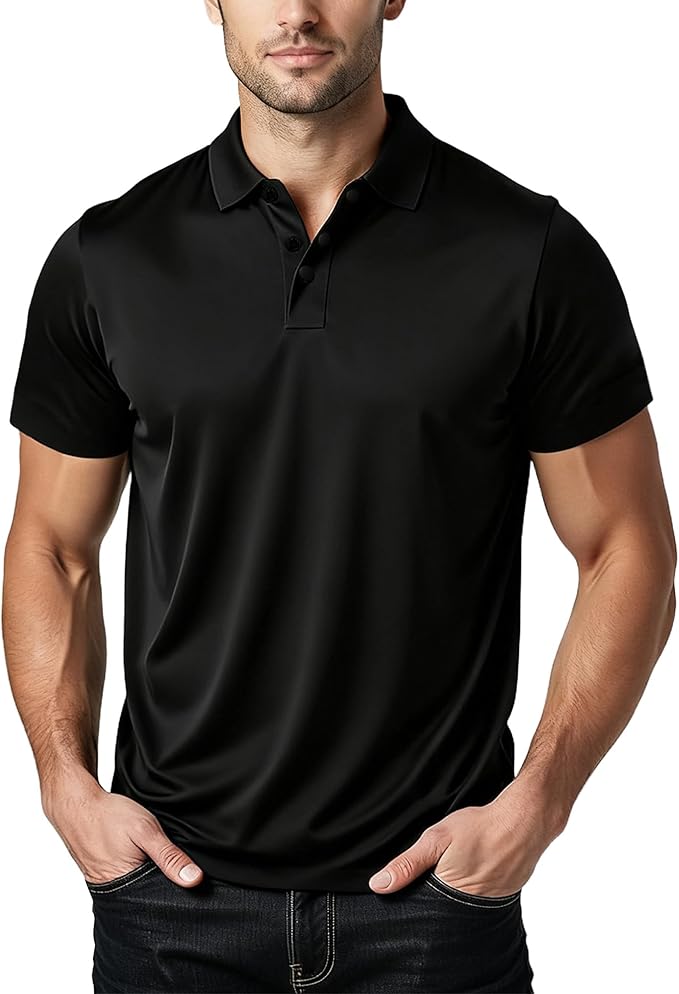
Men's Quick Dry Moisture Wicking Polo Shirt - High Elasticity Slim Fit Athletic Top (Runs Small)
$6.99 $29.99
46% OFF
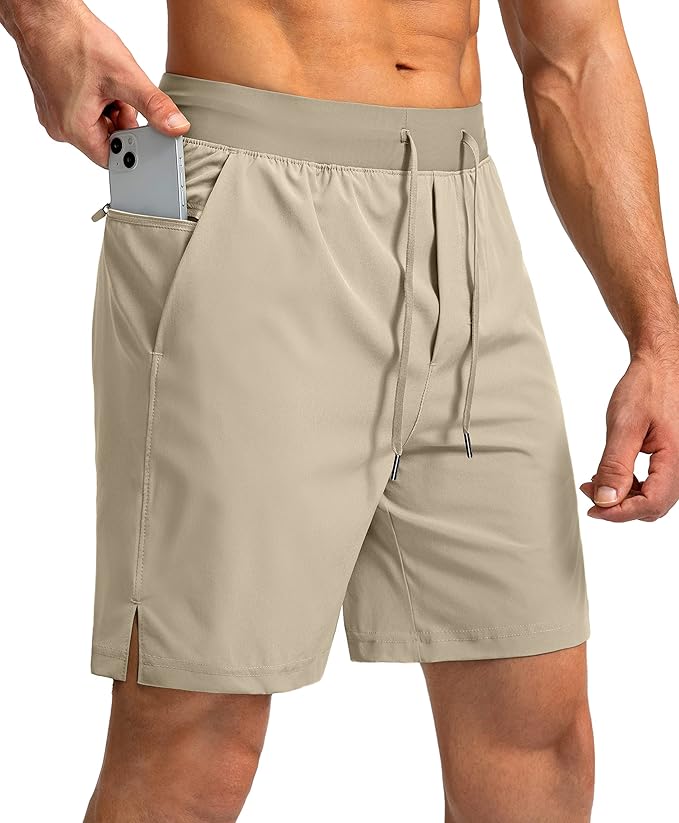
Men's Running Shorts with Zipper Pockets - Lightweight, Quick-Dry, Multi-Sport
$12.95 $23.99
50% OFF

NEWFAST NF-RE523 AC1200 WiFi Extender - 1200Mbps Dual Band Signal Booster & Internet Repeater
$18.5 $36.99
48% OFF

G Gradual Men's 7-inch Workout Running Shorts - Lightweight, Quick-Dry, Comfort
$12.91 $24.99
30% OFF
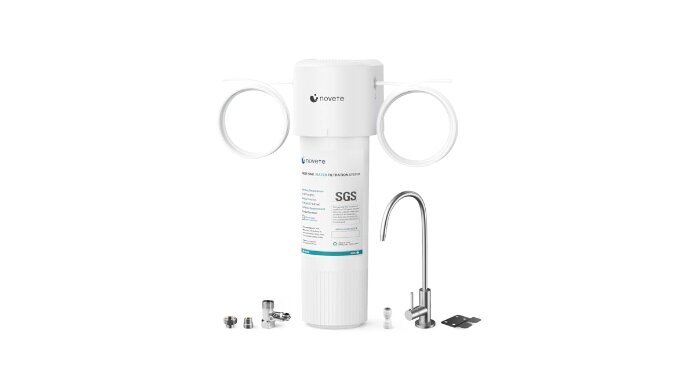
NOVETE Under Sink Water Filter - 3 Years, 30,000 Gallons, High-Efficiency Filtration
$41.99 $59.99
50% OFF

HDPE All-Weather Adirondack Chair with Built-In Cup Holder - Tool-Free Assembly (Grey)
$69.99 $139.99
60% OFF

HOMETUK Clear Plastic Storage Bins with Dividers - 3-Pack Stackable Acrylic Organizer Containers for Fridge and Pantry
$19.99 $49.99
58% OFF

G Gradual Men's Fishing Shirt - UPF 50+ Lightweight Short Sleeve Button Down with Zipper Pockets
$14.99 $35.99
55% OFF

Everyfun 60" Rectangular Platform Tree Swing - 700lbs Heavy Duty Adjustable Outdoor Swing (Colorful)
$49.99 $110.99
61% OFF

Ekouaer Women's Casual Loose Jumpsuit - One-Piece Printed Sleeveless Wide Leg Romper with Pockets
$14.99 $37.99
36% OFF

Men's Athletic Running Shorts with Zipper Pockets - Lightweight & Quick Dry
$12.74 $19.99
61% OFF

Modern Ceiling Fan with Light and Remote - Reversible Quiet DC Motor
$69.3 $179.99
50% OFF

MOOKA H13 True HEPA Air Purifier for Home Large Room - 1076 sq ft Odor Eliminator
$39.97 $79.95
40% OFF
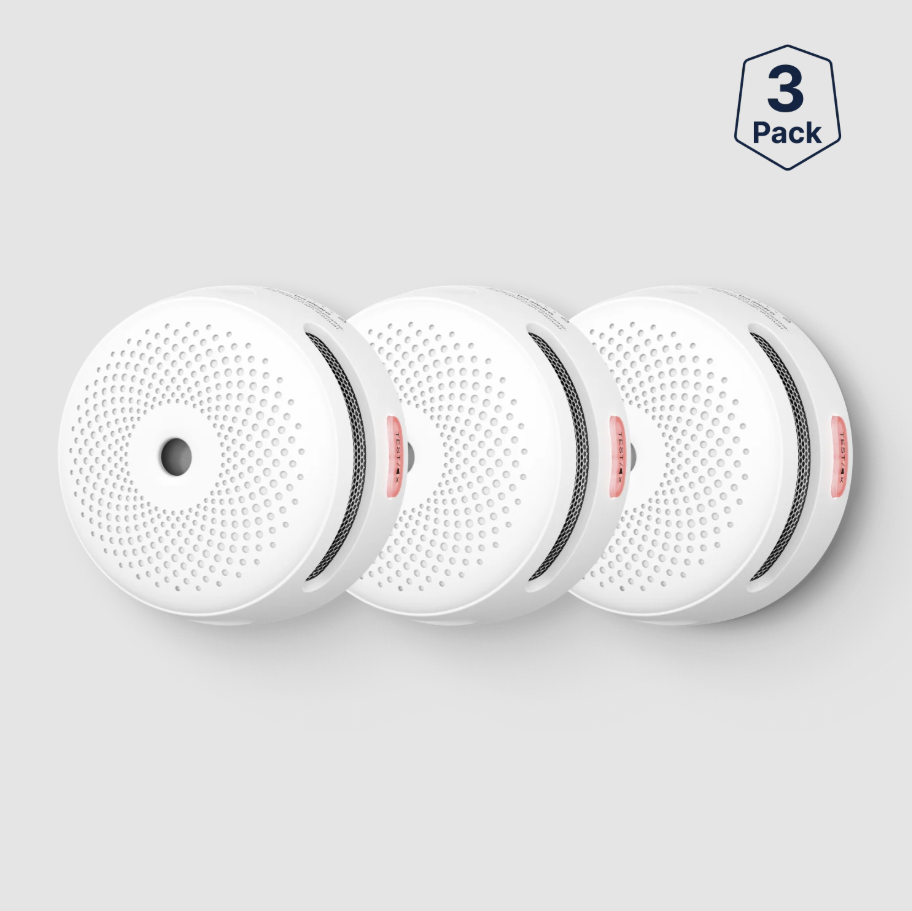
X-Sense XS01-WX Smart Smoke Alarm - 2.4 GHz Wi-Fi Photoelectric Fire Detector with Mobile App Alerts
$65.99 $109.99
-

Life beyond burnout: how Christians can grow in the desert seasons
-

New attempt to revive assisted suicide bill faces opposition
-

A Christian reflection on men’s health week: Jesus - the man we were created to be
-

Anti-Christian hate crimes across Europe surge in May as arson attacks reach 2026 high
News
-

Anti-Christian hate crimes across Europe surge in May as arson attacks reach 2026 high
-

Belfast churches 'heartbroken' over unrest
-

South Wales Police back down on imposing Islamic 'blasphemy law'
-

Churches must disciple well and listen well in response to rise of Christian nationalism
-

Welsh reverend speaks of culture of fear over LGBT issues
-

Making cohabitation equal with marriage is 'unfair', Christians argue
Most Popular
News

African Christian leaders demand justice after Mozambican bishop shot dead
Christian leaders across Africa have called for a full investigation into the killing of a Mozambican bishop who was shot dead at his residence.

Lebanese Christians on the brink as peace deal agreed
The Christian population of the Middle East has drastically declined due to ongoing conflict.

A Christian reflection on men’s health week: Jesus - the man we were created to be
As Men’s Health Week reminds us of the challenges many men face, perhaps there is no better time to look again at Jesus Christ. In Him we find not only a model for manhood, but the way to life itself.

Kyiv’s Dormition Cathedral badly damaged in major Russian strikes on Ukrainian capital
Kyiv’s historic Dormition Cathedral, part of the UNESCO-listed Pechersk Lavra monastery complex, caught fire overnight after a wave of Russian missile and drone strikes on the Ukrainian capital.
All-Weather HDPE Plastic Adirondack Chair with Cup Holder – Navy Blue
$70
7-Color LED Red Light Therapy Mask for Face and Anti-Aging
$29.99
Cordless Vacuum Cleaner - 480W/45Kpa Powerful Stick Vacuum with LED Smart Touch Screen
$55.99
Hypoallergenic Pet Wipes for Dogs & Cats - 400 Count Extra Large Coconut Scented Grooming Wipes
$24.79
MANSPOT Electric Pubic Hair Trimmer - Waterproof Body and Groin Shaver for Men and Women (Black)
$20.39
Lick-Safe Dog Paw and Nose Balm Stick - All-Natural Moisturizer with Coconut Oil for Dry, Cracked Pads and Snout
$11.69
Men's Quick Dry Moisture Wicking Polo Shirt - High Elasticity Slim Fit Athletic Top (Runs Small)
$6.99
Men's Running Shorts with Zipper Pockets - Lightweight, Quick-Dry, Multi-Sport
$12.95
NEWFAST NF-RE523 AC1200 WiFi Extender - 1200Mbps Dual Band Signal Booster & Internet Repeater
$18.5
G Gradual Men's 7-inch Workout Running Shorts - Lightweight, Quick-Dry, Comfort
$12.91
NOVETE Under Sink Water Filter - 3 Years, 30,000 Gallons, High-Efficiency Filtration
$41.99
HDPE All-Weather Adirondack Chair with Built-In Cup Holder - Tool-Free Assembly (Grey)
$69.99
HOMETUK Clear Plastic Storage Bins with Dividers - 3-Pack Stackable Acrylic Organizer Containers for Fridge and Pantry
$19.99
G Gradual Men's Fishing Shirt - UPF 50+ Lightweight Short Sleeve Button Down with Zipper Pockets
$14.99
Everyfun 60" Rectangular Platform Tree Swing - 700lbs Heavy Duty Adjustable Outdoor Swing (Colorful)
$49.99
Ekouaer Women's Casual Loose Jumpsuit - One-Piece Printed Sleeveless Wide Leg Romper with Pockets
$14.99
Men's Athletic Running Shorts with Zipper Pockets - Lightweight & Quick Dry
$12.74
Modern Ceiling Fan with Light and Remote - Reversible Quiet DC Motor
$69.3
MOOKA H13 True HEPA Air Purifier for Home Large Room - 1076 sq ft Odor Eliminator
$39.97
X-Sense XS01-WX Smart Smoke Alarm - 2.4 GHz Wi-Fi Photoelectric Fire Detector with Mobile App Alerts
$65.99