The Church of England Evangelical Council (CEEC) has said that there are "deep and serious flaws" in the Pilling report on human sexuality.
The Pilling report made numerous recommendations, including the proposal that clergy, providing they have the agreement of their church council, should be able to offer services to bless faithful same-sex relationships.
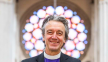
The CEEC welcomed the Bishop of Birkenhead's dissenting statement, in which he wrote that "after much prayer and soul searching" he could not sign the report as a result of its failure to offer "a consistent or coherent response" to questions surrounding the Church's stance on sexuality.
The council said it was "grateful" to the bishop for outlining his concerns and said it was "vital that his criticisms are taken seriously by the House and College of Bishops before proceeding to structure conversations on sexuality in the wider church".
The recommendation to bless same-sex relationships in particular has stirred controversy in the Anglican community, as it marks the first time that the Church of England has been so explicit in its endorsement of homosexuality.
"We believe this would mark a departure from biblical truth and Anglican teaching," the CEEC went on to say in its statement.
"The fact that such recommendations can be made is, we believe, a surface sign that there are deeper and more serious flaws in the report as a whole."
In an earlier submission to the Pilling group, the St Matthias Day Statement of 2012, the council had laid bare its concerns.
"Redefining marriage to include same-sex relationships or affirming or blessing sexual activity outside marriage is contrary to God's word. When a church does either of these things it therefore becomes difficult to recognise it as part of the visible Church of Christ," it said at the time.
The CEEC's new statement calls for bishops "to be faithful to Scripture, to continue upholding the practice of the Anglican Communion...and to encourage all their clergy and people to do the same".
It underlines a conviction that the Bible offers clear teaching on how humans are able to best flourish, "including how we live best as sexual creatures".
"As evangelicals in the Church of England we are committed to bearing witness to this in word and deed and to offering it as good news to our nation.
"We therefore call on evangelicals to renew their commitment to biblical teaching and to pray that the Church of England as a whole will do the same."
The statement does, however, acknowledge the declaration of the Archbishops of York and Canterbury that the report "is not a new policy statement from the Church of England", and notes that more time is needed to compile a thorough response.