
|PIC1|With its streets full of bicycle riders transporting luggage or passengers alongside mini buses, Gulu in northern Uganda looks as peaceful as any small African town. However, its inhabitants, who say now they want nothing but peace, have to come to terms with the terrible crimes that were committed here during 22 years of civil war.
Rev Julius Peter Olugu, the priest of the Anglican Ongako parish, told members of an international ecumenical delegation, who visited Gulu district from 29 to 31 October on behalf of the World Council of Churches (WCC), about this recent past.
"You could not pass here. It was too dangerous to walk. They could kill you," Olugu said, pointing out a spot on the road leading west. "If they did not, they would abduct you. Other people's lips and limps were cut off."
In Gulu and other parts of northern Uganda, the Lord's Resistance Army (LRA) rebels waged a war with the alleged goal to replace President Yoweri Museveni's government with one based on the biblical ten commandments.
Since 1986, the LRA has abducted children and forcefully recruited them into its ranks. Adults were killed, mutilated or kidnapped, women also raped. As a consequence, nearly two million people fled into camps.
Peace talks inspire hope
Aida Olwoch is one of them. The WCC delegation met her at Koch Ongako camp near Gulu town.
Olwoch told the international visitors about the hardship the internally displaced people in the camps have lived through for 22 years: "We did not have food. There were no proper schools for the children. There were no health centre services."
But Olwoch also sees hope, thanks to a peace process that started in 2006: "People can now walk about six to seven kilometres outside the camps."
The peace talks between the LRA and the government led to a truce in 2006 and a permanent ceasefire in 2008. The comprehensive peace agreement is awaiting the signature of rebel leader Joseph Kony and President Museveni.
Rev Godfrey Loum, a youth worker in the Anglican Diocese of northern Uganda and a member of the district's religious leaders peace team, now thinks that the movement of people is "very free", compared to the situation before the peace negotiations.
He explained that in the past, people could hardly venture a few metres from the camp because of the security situation.
The churches in the northern region are keen to see people re-build their lives again. Priorities on their agenda are poverty eradication, ensuring that children go back to school, and support for those who are traumatised.
Better lives for children
"We have a programme on education, and that is our strongest emphasis. It was clear to me the future in northern Uganda was very dark because the children were not receiving education," the Anglican Bishop of northern Uganda, Nelson Onono-Onweng, said in a meeting with the ecumenical delegation.
The government is implementing a programme to put every child in school as part of its Peace, Recovery and Development Plan for northern Uganda. This plan seeks to restore state activities, rebuild and empower the communities, revitalise the economy and promote peace and reconciliation. However, church leaders are concerned that many people may miss out in the implementation of the programme.
Under the government scheme for Universal Primary School Education, parents are in charge of books, meals and school uniforms, while the state provides for tuition fees and some education materials like chalk, which according to the Roman Catholic Archbishop of Gulu, John Baptist Odama many parents are unable to afford.
"Most of our people have had problems sending their children to the secondary and tertiary [university] level," Odama added.
The archbishop heads the Acholi Religious Leaders Peace Initiative, a regional grouping of Roman Catholic, Anglican, Orthodox and traditional leaders.
Apart from its negative impact on education, the church leaders said the war had exacerbated poverty by confining the people into camps.
"The whole population in Acholi land was displaced into camps, where the conditions where only enough for them to live from hand to mouth," said Odama. While they would normally have been able to feed themselves and their children, they had to rely on aid, he explained, a "dependency that destroyed them psychologically, especially the parents".
The challenge of reconciliation
According to Justice Peter Onega, the chairman of the Uganda Amnesty Commission, nearly 23,000 former rebel fighters have returned to civilian lives in northern Uganda since the parliament passed an amnesty act in 2000. Some have reported that, at the community level, the reception of the amnesty act has not been uniform and that the government package to the returnees has been causing tensions.
"It is seen as a reward for causing problems," said Betty Anyeko of the Gulu NGO Forum, a grouping of non governmental organisations.
Although the communities are traumatised by the brutality they have faced during the war, many say they are ready to forgive the LRA.
"They want peace talks rather than war. They want peace restored rather than fighting," said Aida Alwoch of Koch Ongako camp, capturing the wide-spread feeling.
Many refugees hope they can re-build their houses and live in them next year, instead of returning to the camps every evening after the daily work on their farms. But since the final peace agreement has not been signed, many are still apprehensive.
11% OFF

VitaUp Beet Root Gummies with CoQ10 & Grape Seed - Nitric Oxide Circulation Support (60 Count)
$24.91 $27.91
50% OFF

HDPE All-Weather Adirondack Chair with Built-In Cup Holder - Tool-Free Assembly (Grey)
$69.99 $139.99
60% OFF

HOMETUK Clear Plastic Storage Bins with Dividers - 3-Pack Stackable Acrylic Organizer Containers for Fridge and Pantry
$19.99 $49.99
58% OFF

G Gradual Men's Fishing Shirt - UPF 50+ Lightweight Short Sleeve Button Down with Zipper Pockets
$14.99 $35.99
55% OFF

Everyfun 60" Rectangular Platform Tree Swing - 700lbs Heavy Duty Adjustable Outdoor Swing (Colorful)
$49.99 $110.99
61% OFF

Ekouaer Women's Casual Loose Jumpsuit - One-Piece Printed Sleeveless Wide Leg Romper with Pockets
$14.99 $37.99
40% OFF
ROTAKE TB3 20V Heavy Duty 1/2" Cordless Impact Wrench Kit - 1380 Ft-Lbs Torque
$132 $219.99
36% OFF

Men's Athletic Running Shorts with Zipper Pockets - Lightweight & Quick Dry
$12.74 $19.99
61% OFF

Modern Ceiling Fan with Light and Remote - Reversible Quiet DC Motor
$69.3 $179.99
50% OFF

MOOKA H13 True HEPA Air Purifier for Home Large Room - 1076 sq ft Odor Eliminator
$39.97 $79.95
60% OFF

Ekouaer Women's Satin Silky Pajama Set - Short Sleeve Pullover Top & Wide-Leg Pants
$13.99 $34.99
55% OFF

Ekouaer 3-Piece Maternity & Nursing Pajamas Set - Short Sleeve Top with Shorts and Pants
$14.99 $32.99
Sealy 2-Pack Tritech 16" Twin Inflatable Air Mattress with Built-in AC Pump
$0 $113.99
20% OFF

INTEX Prism Frame 20ft x 52in Above Ground Pool Set - Round Steel Frame Swimming Pool
$695.99 $869.99

Gardner Pet 43" Heavy Duty Dog Crate with Wheels - Indestructible Folding Metal Cage (Black)
$0 $149.99
12% OFF

Elegant Mid-Century Modern Bar Stools - Set of 4
$395.99 $449.99
23% OFF

Ergonomic Office Chair - Big and Tall Desk Chair with Adjustable Lumbar Support
$279.99 $363.99
26% OFF

Magnelex American Flag Windshield Sun Shade - High-Resolution UV Reflective Heat Shield (X-Large)
$19.9 $26.9
20% OFF
EVIQO 48 Amp NACS Level 2 EV Charger - Hardwired Smart WiFi Wall Charger for Tesla
$368.51 $458.55
50% OFF

DBFIT Air Purifier for Home Large Room
$29.99 $59.99




-
Historic Lancashire church secures £250,000 National Lottery grant for major roof repairs
-
Sunderland Minster PCC was right to push back over trans toilet sign
-

Bethel Church distances itself from Todd Bentley and Mike Bickle
-

Christian police officer reaches settlement over diversity training discrimination claim
-
Turkey's hidden Christian past: Extraordinary discoveries are rewriting the story of early Christianity
-

Washington Archdiocese parts ways with exorcist priest over UFO remarks
Most Popular
News
Churches must disciple well and listen well in response to rise of Christian nationalism
Churches have a task on their hands to raise standards of theological literacy in their congregations amid growing Christian nationalism, while at the same time listening to and engaging with the concerns of people in their flock.

A Christian response to the crisis facing young people
The Church has a wonderful message of hope to share with young people increasingly feeling a sense of nihilism and hopelessness at the state of the world, writes Tim Farron.
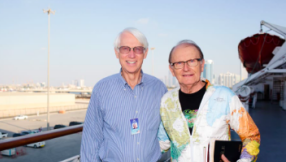
Tributes paid to Operation Mobilisation co-founder Dale Rhoton
Tributes have been paid to Dale Rhoton, one of the co-founders of international mission organisation Operation Mobilisation (OM), after his death at the age of 88.

Doctors should work for good of the patient, not facilitate suicide, says Christian Medical Fellowship
Suicide is always a tragedy that should be resisted, the CMF suggested.
VitaUp Beet Root Gummies with CoQ10 & Grape Seed - Nitric Oxide Circulation Support (60 Count)
$24.91
HDPE All-Weather Adirondack Chair with Built-In Cup Holder - Tool-Free Assembly (Grey)
$69.99
HOMETUK Clear Plastic Storage Bins with Dividers - 3-Pack Stackable Acrylic Organizer Containers for Fridge and Pantry
$19.99
G Gradual Men's Fishing Shirt - UPF 50+ Lightweight Short Sleeve Button Down with Zipper Pockets
$14.99
Everyfun 60" Rectangular Platform Tree Swing - 700lbs Heavy Duty Adjustable Outdoor Swing (Colorful)
$49.99
Ekouaer Women's Casual Loose Jumpsuit - One-Piece Printed Sleeveless Wide Leg Romper with Pockets
$14.99
ROTAKE TB3 20V Heavy Duty 1/2" Cordless Impact Wrench Kit - 1380 Ft-Lbs Torque
$132
Men's Athletic Running Shorts with Zipper Pockets - Lightweight & Quick Dry
$12.74
Modern Ceiling Fan with Light and Remote - Reversible Quiet DC Motor
$69.3
MOOKA H13 True HEPA Air Purifier for Home Large Room - 1076 sq ft Odor Eliminator
$39.97
Ekouaer Women's Satin Silky Pajama Set - Short Sleeve Pullover Top & Wide-Leg Pants
$13.99
Ekouaer 3-Piece Maternity & Nursing Pajamas Set - Short Sleeve Top with Shorts and Pants
$14.99
Sealy 2-Pack Tritech 16" Twin Inflatable Air Mattress with Built-in AC Pump
$0
INTEX Prism Frame 20ft x 52in Above Ground Pool Set - Round Steel Frame Swimming Pool
$695.99
Gardner Pet 43" Heavy Duty Dog Crate with Wheels - Indestructible Folding Metal Cage (Black)
$0
Elegant Mid-Century Modern Bar Stools - Set of 4
$395.99
Ergonomic Office Chair - Big and Tall Desk Chair with Adjustable Lumbar Support
$279.99
Magnelex American Flag Windshield Sun Shade - High-Resolution UV Reflective Heat Shield (X-Large)
$19.9
EVIQO 48 Amp NACS Level 2 EV Charger - Hardwired Smart WiFi Wall Charger for Tesla
$368.51
DBFIT Air Purifier for Home Large Room
$29.99