
Member churches of the Lutheran World Federation reported a worldwide net increase of 161,792 individual members in 2008.
Most of the increase came from Asia, but member churches in Africa, Latin America and the Caribbean also contributed to the growth, according to the annual LWF membership report released on Friday. LWF churches in Europe and North America, however, reported a drop in membership.
Overall, LWF now boasts a global total of nearly 68.5 million (68,484,091) people – 0.24 per cent more than the 2007 figure. The membership total of the small number of non-LWF Lutheran churches also rose about 0.24 per cent, reaching 3,509,479 in 2008.
Africa, the continent with some of the largest Lutheran churches in the world, saw nearly a 1 per cent growth with an addition of 158,047 new membership for a total of 17,287,277 over the past year.
LWF’s largest African member church, the Ethiopian Evangelical Church Mekane Yesus, reported an increase of 143,329 members (a 2.9 per cent increase) to reach 5,012,486. It remains the second largest Lutheran church in the world after the 6.8 million-member Church of Sweden.
But in terms of the largest growth by proportion in Africa, the Evangelical Lutheran Church in Namibia (ELCIN) saw its membership soar by 37.5 per cent in the past year to a total of 673,229.
In the same time period, the Evangelical Lutheran Church in Kenya also reported strong growth of 17.6 per cent, or the addition of 15,000 new members for a total of 100,000.
LWF member churches in Asia reported the largest number of new members in 2008. More than 270,000 Lutherans were added, an increase of 3.26 per cent.
The largest Lutheran church in Asia is the Protestant Christian Batak Church in Indonesia, which reported a 6.7 per cent growth or an addition of 250,000 members for a total of four million.
Lutheran churches in Europe, meanwhile, are struggling, with LWF member churches reporting a decline of 203,025 or 0.55 per cent over the past year for a current total of 36,934,349. The world’s largest Lutheran church, the Church of Sweden, declined last year by 73,740, or 1.1 per cent to 6,820,161.
The most drastic drop, however, was reported in the Evangelical Lutheran Church of France, where a 74 per cent loss (29,600 people) left its membership at only 10,400 members.
Notably, however, there were spots of growth in Europe, including the Evangelical Church of the Augsburg Confession in Poland, which registered the highest increase in the region – around 27 per cent or 20,000 for a total of 95,000 members.
Like Europe, LWF-affiliated churches in North America also reported declines in membership. In North America, membership overall fell by 1.6 per cent (79,107 people) in LWF member churches.
The Evangelical Lutheran Church in America, the LWF’s third largest member church, registered 4,709,954 members in 2008, a decrease of 64,249 or 1.4 per cent.
Meanwhile, the Evangelical Lutheran Church in Canada last year had 161,142 members – a decline of 13,358 or 7.7 per cent.
The annual LWF statistical survey was calculated based on reports from the organization’s 140 member churches, 10 recognised churches and congregations, and one recognised council.
LWF is a global communion of Christian churches in the Lutheran tradition. It was founded in 1947 in Lund, Sweden and currently has 140 member churches in 79 countries around the world.




-

UN officials demand explanation for Iranian church seizure
-

Archbishop of Canterbury withdraws award given to Muslim cleric who praised Bin Laden
-

Calls for Church of England to be 'rooted in scripture' ahead of General Synod elections
-
How the new General Synod could move beyond the present disagreement over same-sex relationships
-

Most practising Christians are evangelical, study finds
-

No part of London should become a free speech, gospel exclusion zone
Most Popular
News

Bishop of Lincoln resigns after suspension over safeguarding complaint
The Rt Rev Stephen Conway will step down as Bishop of Lincoln on 1 October, seven months after being suspended from ministry.
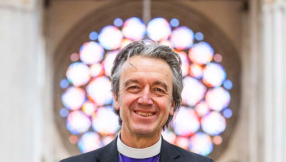
What links Tommy Robinson, Andrew Tate and the CofE’s newest bishop?
It’s not every Church of England bishop that can claim connections to both Tommy Robinson and Andrew Tate. But Andrew Rumsey is an exception.

From Genesis to Revelation: The ambitious AI project turning the Bible into music
Micah Fiechter is the founder of the Music Bible, a project that has used AI to convert the entire Bible into music form across a range of genres. Christian Today spoke to Micah to find out more about what inspired him to start the project and the impact he hopes it will have.

Concerns for Pakistani teenage boy allegedly forced into Islam
Forced conversion is a problem in Pakistan.








