
Rival Lebanese leaders made progress towards ending their political crisis on Sunday but disagreements over Hezbollah's weapons remained a major hurdle to a Qatari-mediated deal.
Qatar's emir, Sheikh Hamad bin Khalifa al-Thani, weighed in on the third day of talks, meeting members of the U.S.-backed ruling coalition and Hezbollah-led opposition to try to bridge differences.
Delegates said Sheikh Hamad brought together Prime Minister Fouad Siniora and Parliament Speaker Nabih Berri, a senior opposition leader, for the first time in 18 months as part of efforts to solve the crisis that has left Lebanon with no president and taken it close to civil war.
Delegates said the differences were slowly narrowing over the two key issues on the agenda -- a new election law and power-sharing in the government.
But talks may yet stumble over a demand from the governing coalition for clear guarantees that Hezbollah, which is backed by Iran and Syria, would not turn its guns on them again and that the fate of its arms would be debated in Lebanon soon.
Arab mediators clinched a deal on Thursday to end Lebanon's worst internal fighting since the 1975-1990 civil war, in which Hezbollah routed supporters of the U.S.-backed government and briefly seized parts of Beirut.
At least 81 people were killed in the violence, which exacerbated sectarian tensions between Shi'ites loyal to Hezbollah and Druze and Sunni followers of the ruling coalition.
The fate of Hezbollah's weapons is not on the agenda of the Doha talks but delegates said Arab mediators were consulting on the issue with regional power brokers including Iran and Saudi Arabia, which is a leading supporter of the ruling coalition.
"This issue is not under discussion and is not up for discussion on the table of dialogue in Doha," said Hezbollah MP Hussein Hajj Hassan.
Washington blames Syria and Iran for Hezbollah's offensive last week which forced the U.S-supported government to rescind two decisions that had triggered the escalation.
U.S. National Security Adviser Stephen Hadley said the Doha talks should aim to curb Hezbollah and bolster the government.
"This can lead to an end to the political stalemate, but only if it does not reward Hezbollah, and if it supports the elected government..." he said, adding that the talks were an opportunity to hold Hezbollah to account and "clip its wings."
DEFINING MOMENT
Notwithstanding the sensitive issue of Hezbollah's weapons, the talks appeared to make headway on Sunday.
A six-member committee created on Saturday to lay the framework for a new election law has made progress and was now working out the details of how to divide Beirut electorally.
"I think we have resolved 90 percent of the hurdles facing the new election law. We have some obstacles left regarding some electoral constituencies," said Amin Gemayel, a former president and member of the ruling coalition.
"Hopefully, by evening we will have published a joint vision. We have to reach a solution in the end."
Qatari Prime Minister Sheikh Hamad bin Jassim bin Jabr al-Thani had yet to win final approval on the shape of a new government but had made several proposals, including one to split seats three ways equally among rivals, delegates said.
Secretary General Amr Moussa told Free Lebanon radio he expected "today to be a decisive day" at the Qatar talks that seek to end the 18-month political stalemate and facilitate the election of a president after a 6-month vacuum.
The Hezbollah-led opposition wants more say in a cabinet controlled by factions opposed to Syrian influence in Lebanon.
The ruling coalition's refusal to yield to the demand for an effective veto power in the cabinet triggered the resignation of all Shi'ite ministers in November 2006, crippling a political system built around the delicate sectarian balance.
Election laws have always been a sensitive subject in Lebanon, a patchwork of religious sects where redrawing constituencies can have a dramatic impact on voting results.
50% OFF
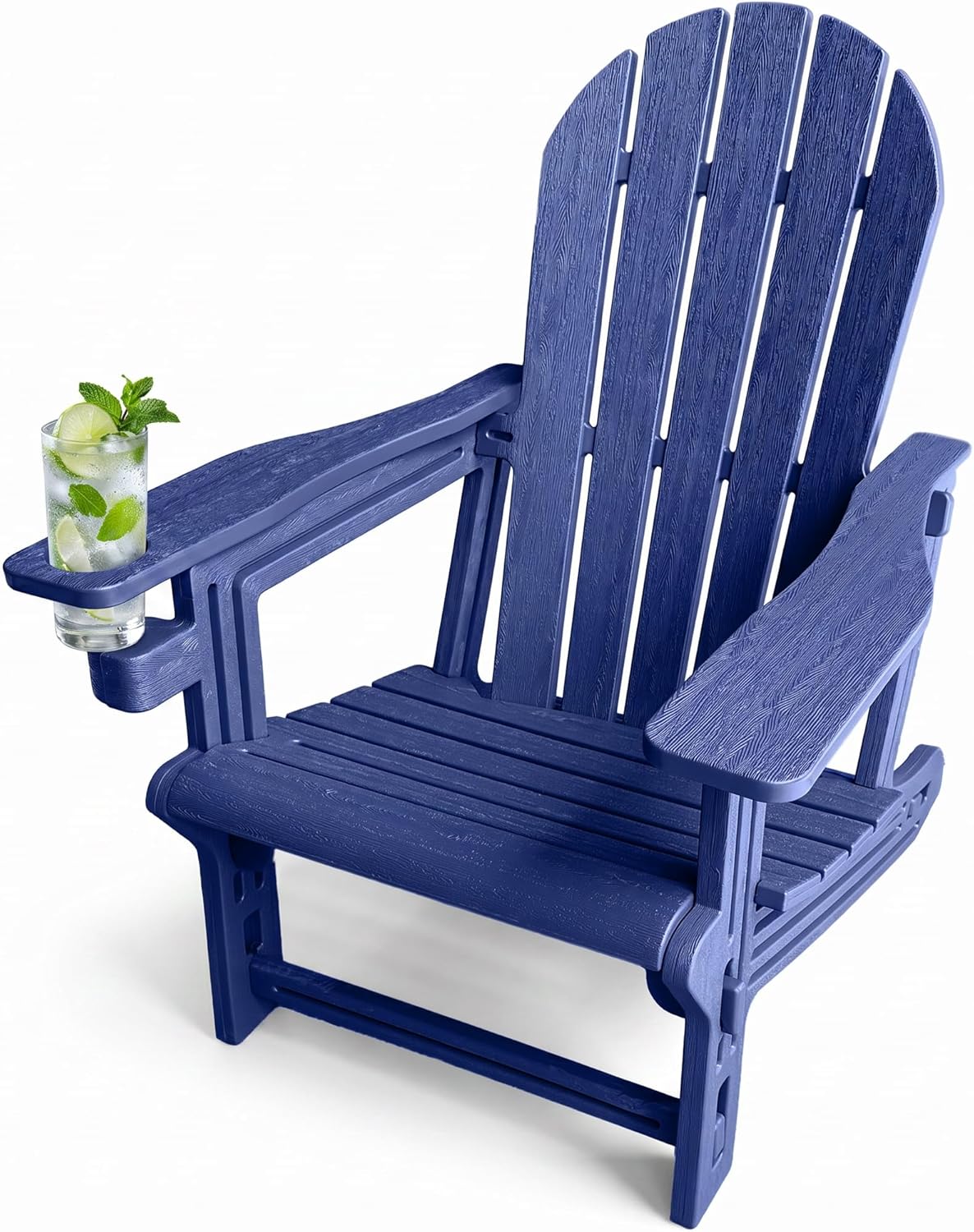
All-Weather HDPE Plastic Adirondack Chair with Cup Holder – Navy Blue
$70 $139.99
50% OFF

7-Color LED Red Light Therapy Mask for Face and Anti-Aging
$29.99 $59.99
49% OFF
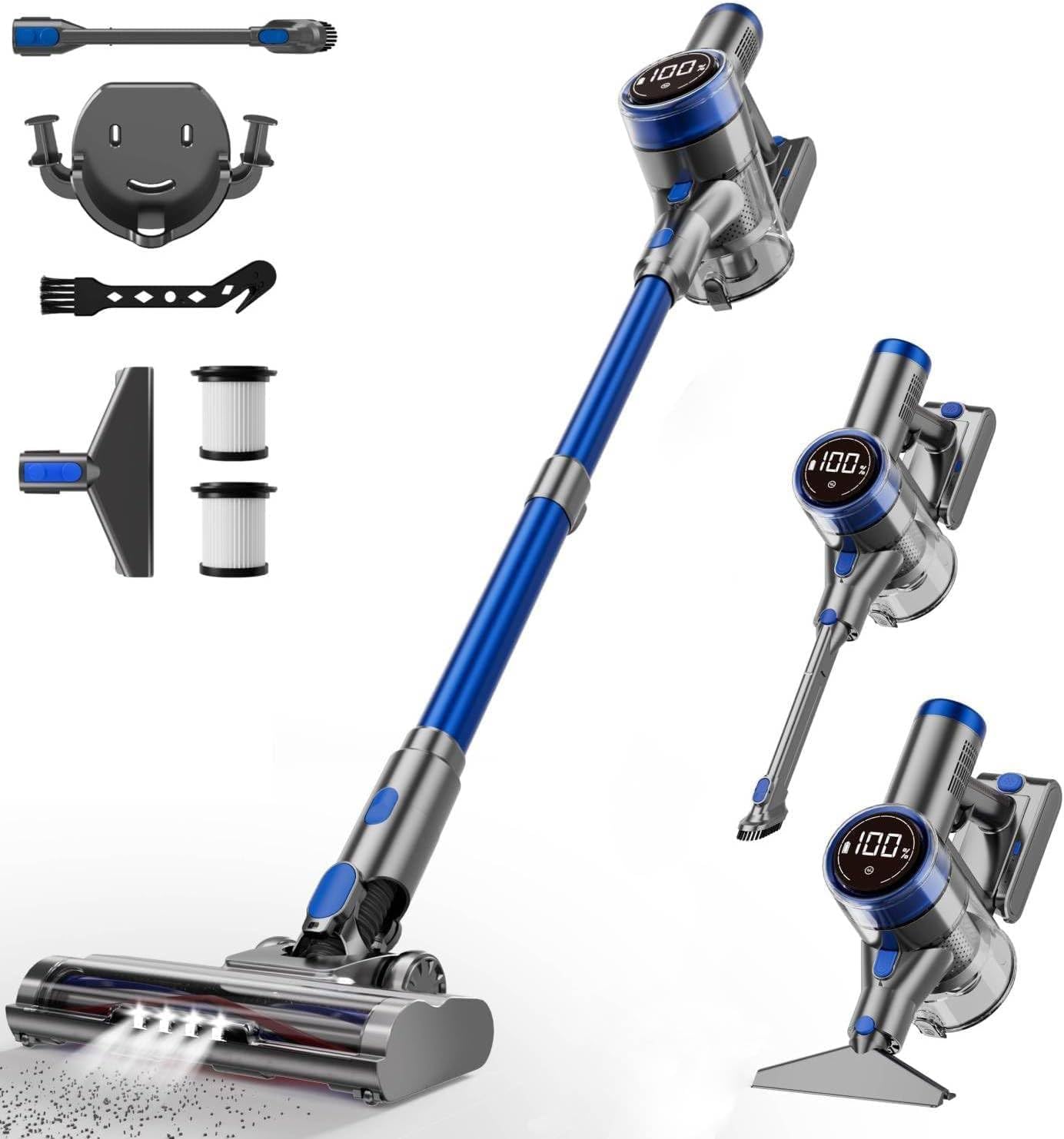
Cordless Vacuum Cleaner - 480W/45Kpa Powerful Stick Vacuum with LED Smart Touch Screen
$55.99 $109.99
20% OFF

Hypoallergenic Pet Wipes for Dogs & Cats - 400 Count Extra Large Coconut Scented Grooming Wipes
$24.79 $30.99
49% OFF
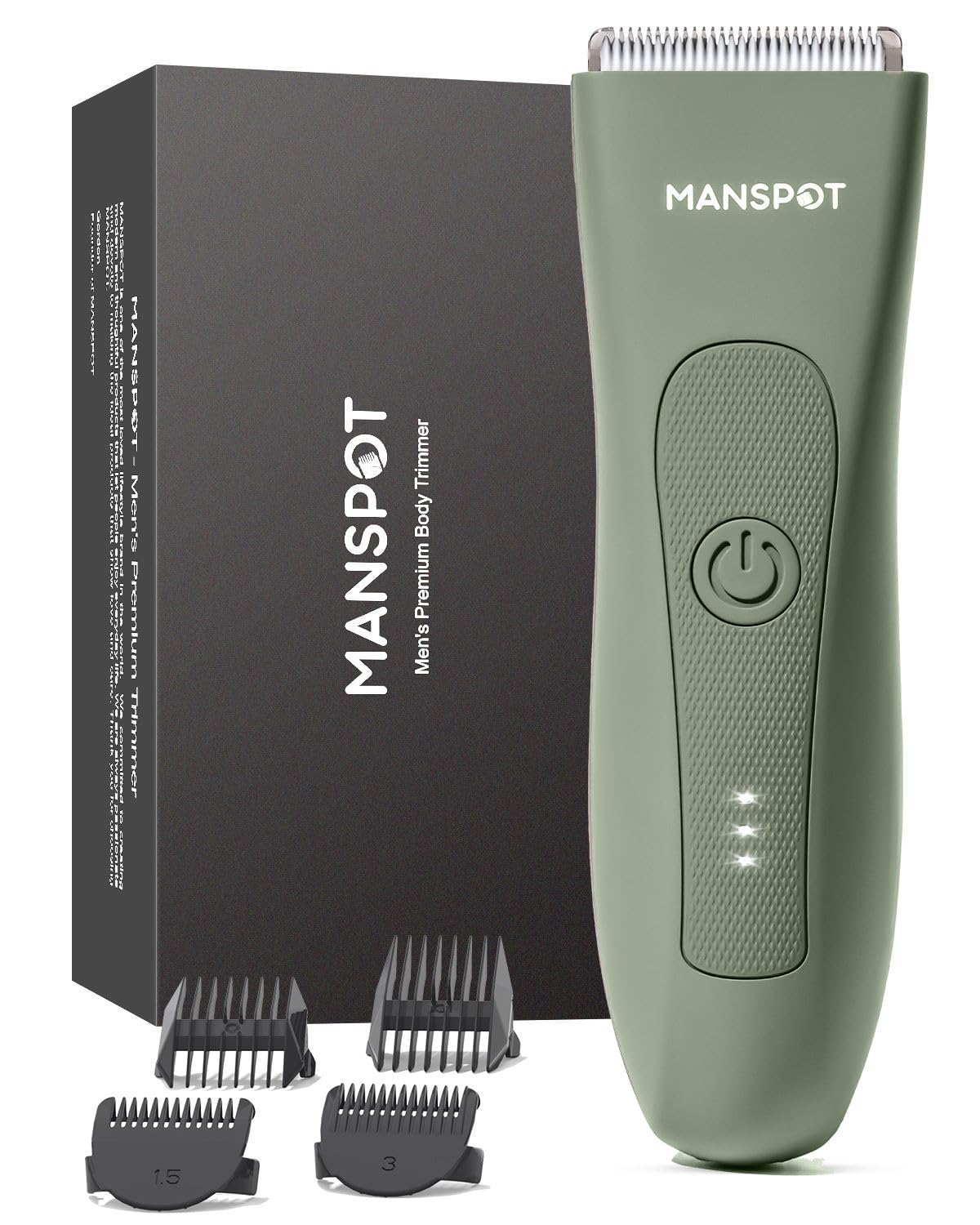
MANSPOT Electric Pubic Hair Trimmer - Waterproof Body and Groin Shaver for Men and Women (Black)
$20.39 $40
25% OFF

Lick-Safe Dog Paw and Nose Balm Stick - All-Natural Moisturizer with Coconut Oil for Dry, Cracked Pads and Snout
$11.69 $15.59
77% OFF
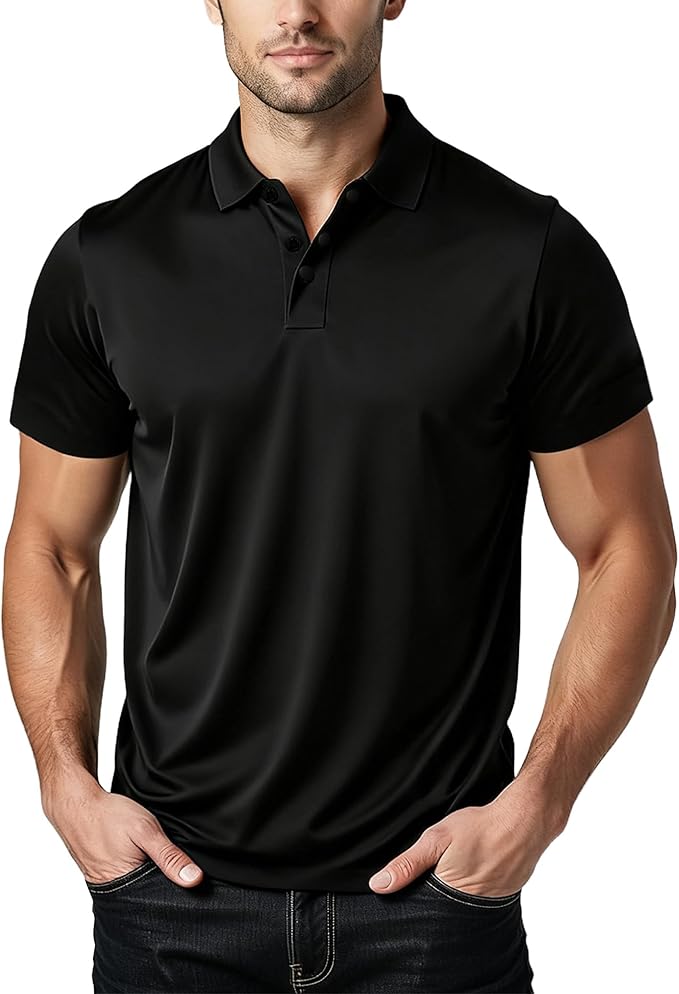
Men's Quick Dry Moisture Wicking Polo Shirt - High Elasticity Slim Fit Athletic Top (Runs Small)
$6.99 $29.99
46% OFF
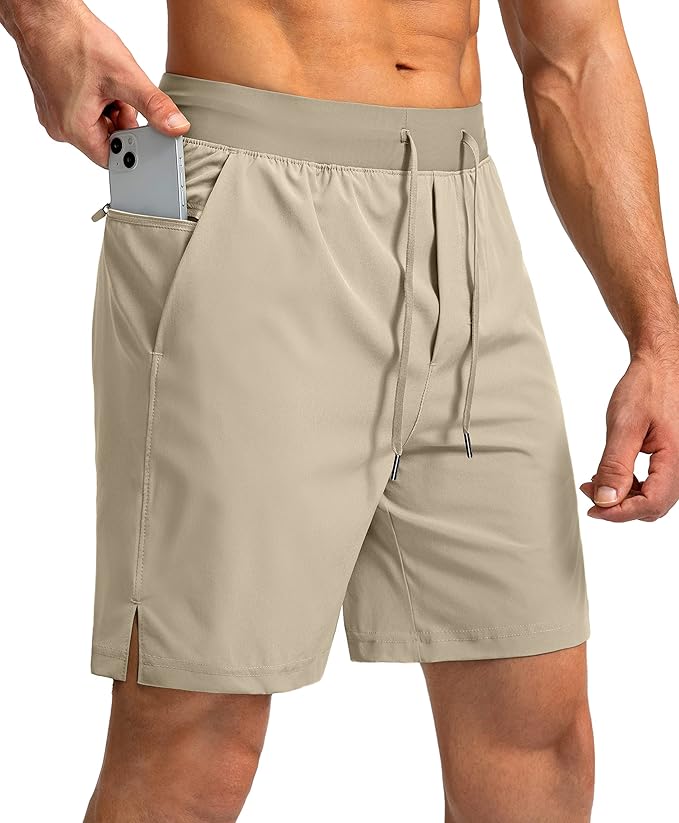
Men's Running Shorts with Zipper Pockets - Lightweight, Quick-Dry, Multi-Sport
$12.95 $23.99
50% OFF
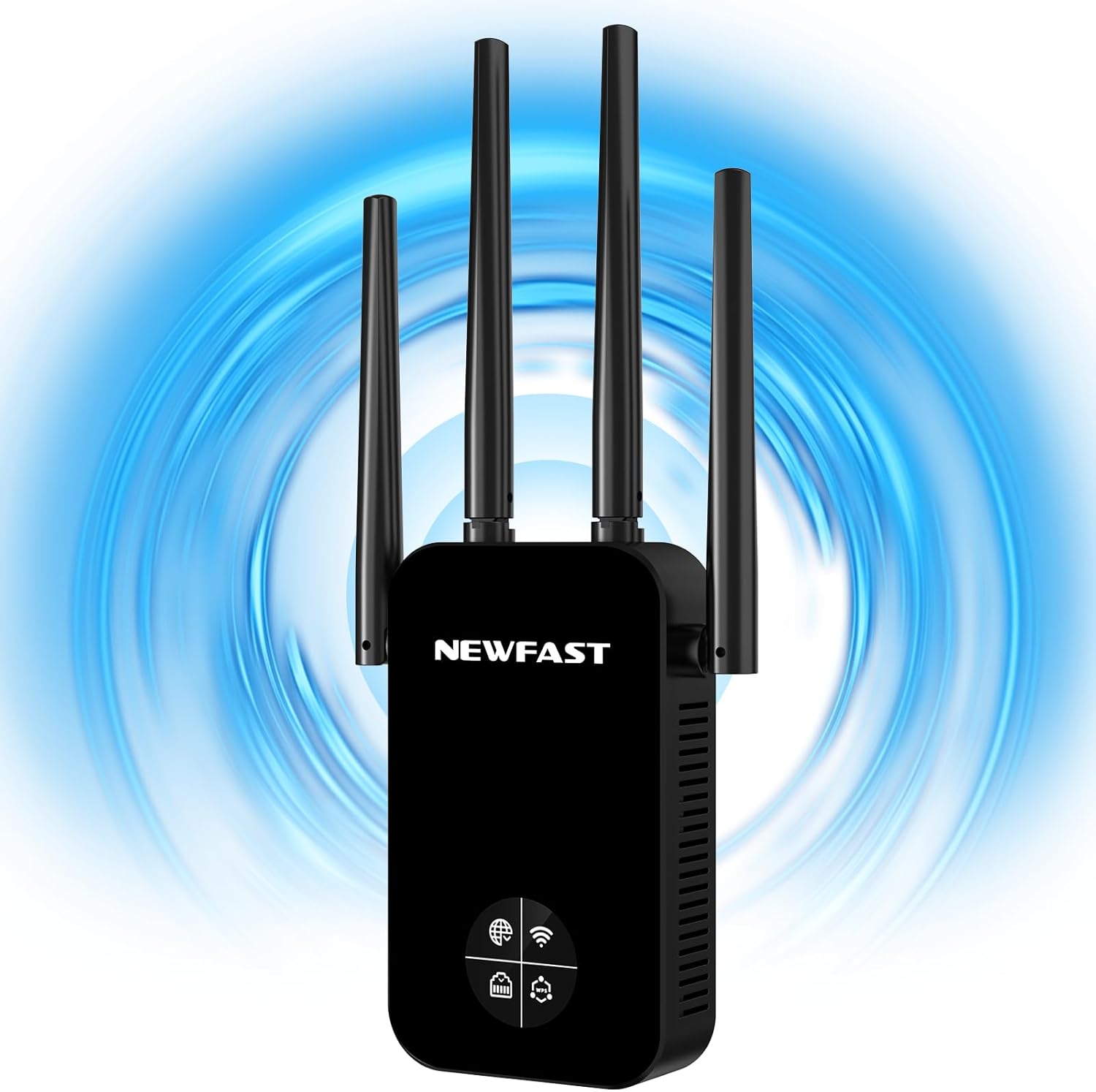
NEWFAST NF-RE523 AC1200 WiFi Extender - 1200Mbps Dual Band Signal Booster & Internet Repeater
$18.5 $36.99
48% OFF
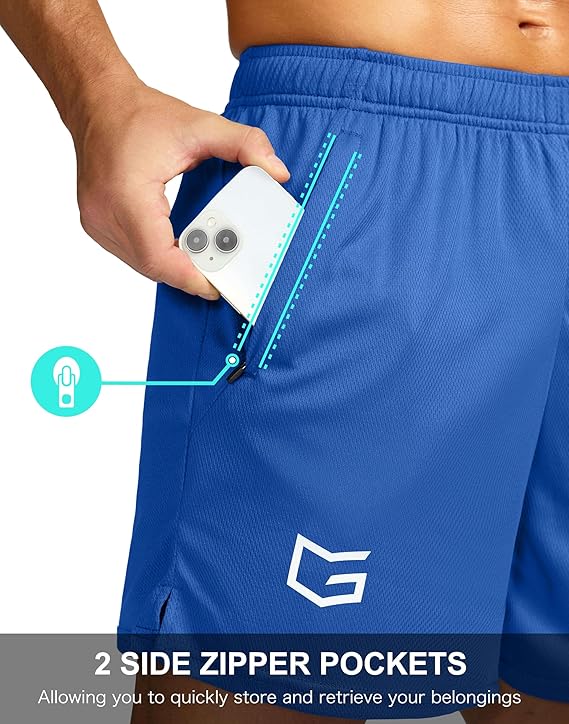
G Gradual Men's 7-inch Workout Running Shorts - Lightweight, Quick-Dry, Comfort
$12.91 $24.99
30% OFF
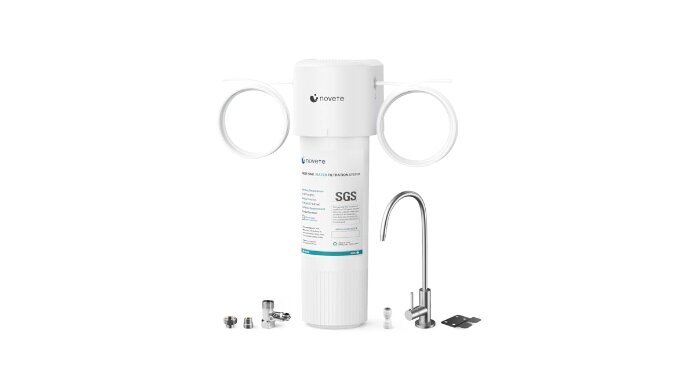
NOVETE Under Sink Water Filter - 3 Years, 30,000 Gallons, High-Efficiency Filtration
$41.99 $59.99
50% OFF
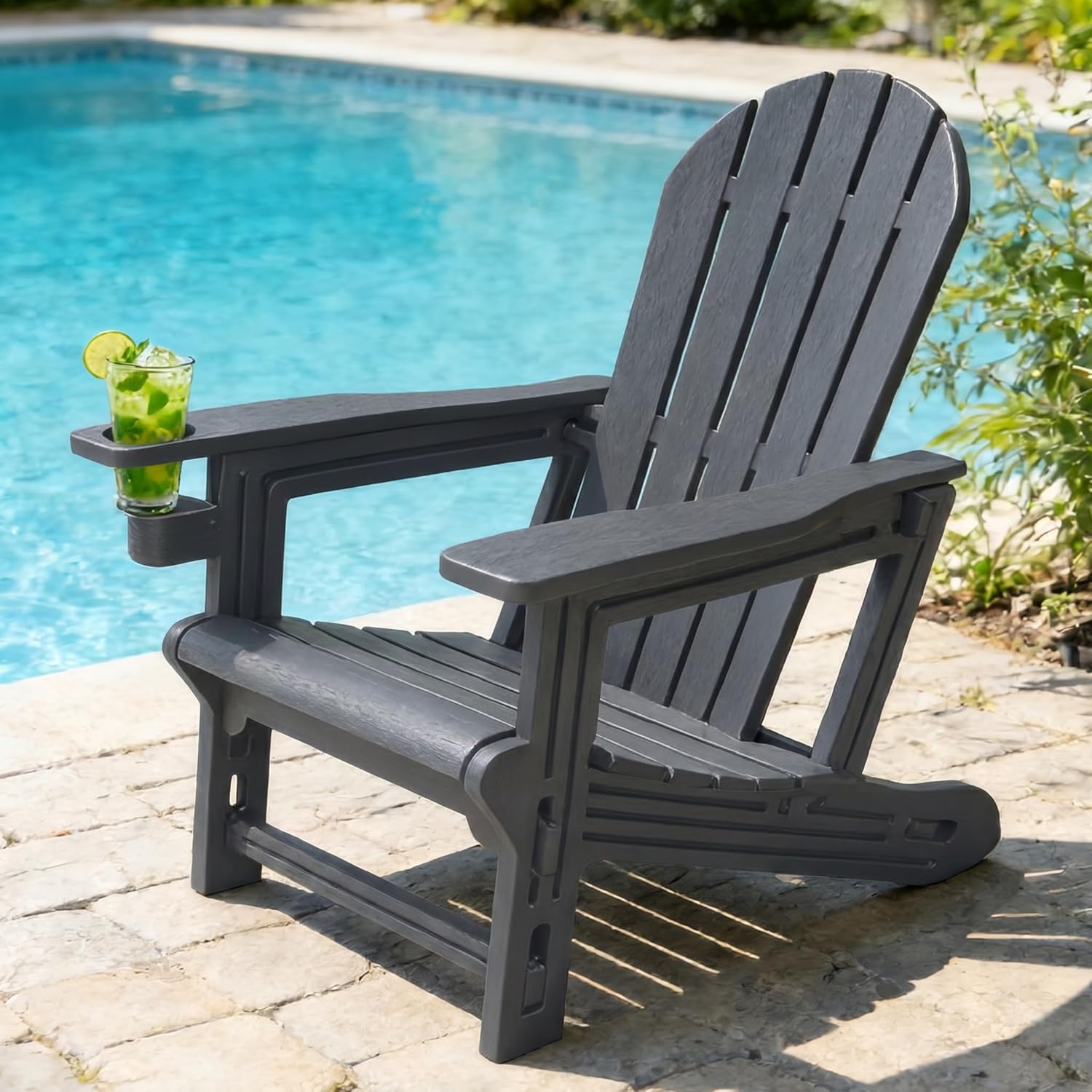
HDPE All-Weather Adirondack Chair with Built-In Cup Holder - Tool-Free Assembly (Grey)
$69.99 $139.99
60% OFF

HOMETUK Clear Plastic Storage Bins with Dividers - 3-Pack Stackable Acrylic Organizer Containers for Fridge and Pantry
$19.99 $49.99
58% OFF
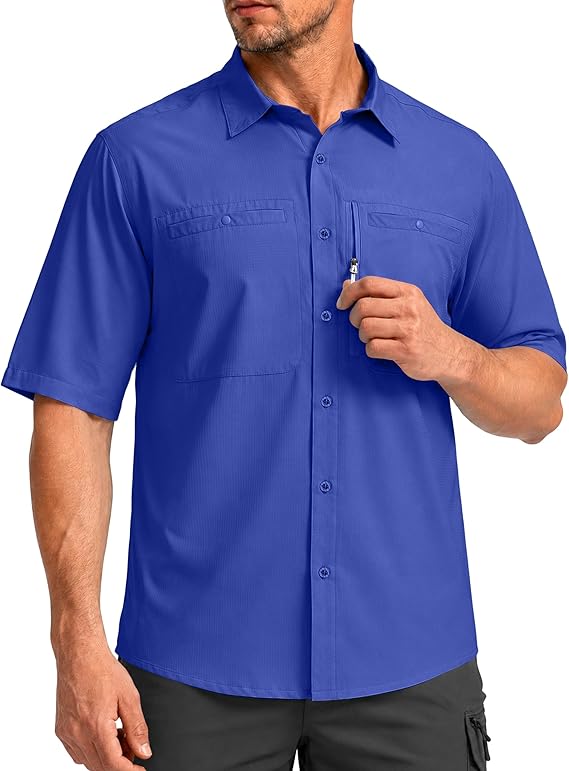
G Gradual Men's Fishing Shirt - UPF 50+ Lightweight Short Sleeve Button Down with Zipper Pockets
$14.99 $35.99
55% OFF
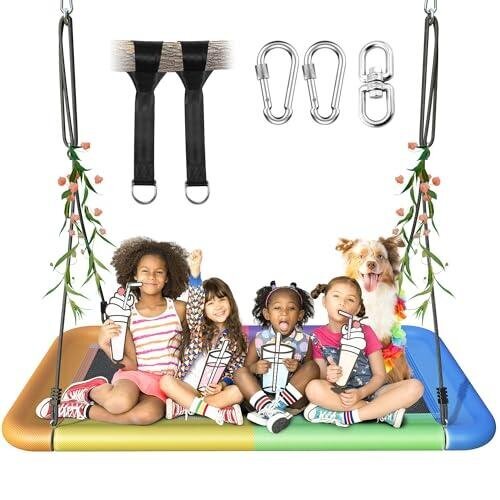
Everyfun 60" Rectangular Platform Tree Swing - 700lbs Heavy Duty Adjustable Outdoor Swing (Colorful)
$49.99 $110.99
61% OFF
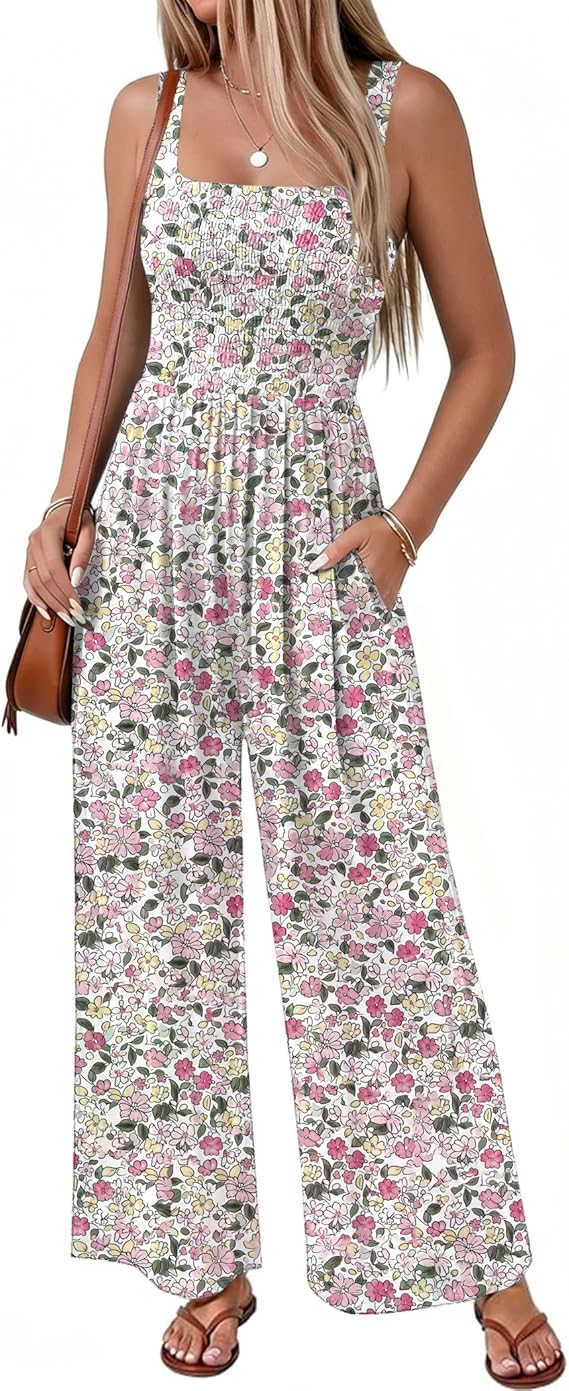
Ekouaer Women's Casual Loose Jumpsuit - One-Piece Printed Sleeveless Wide Leg Romper with Pockets
$14.99 $37.99
36% OFF
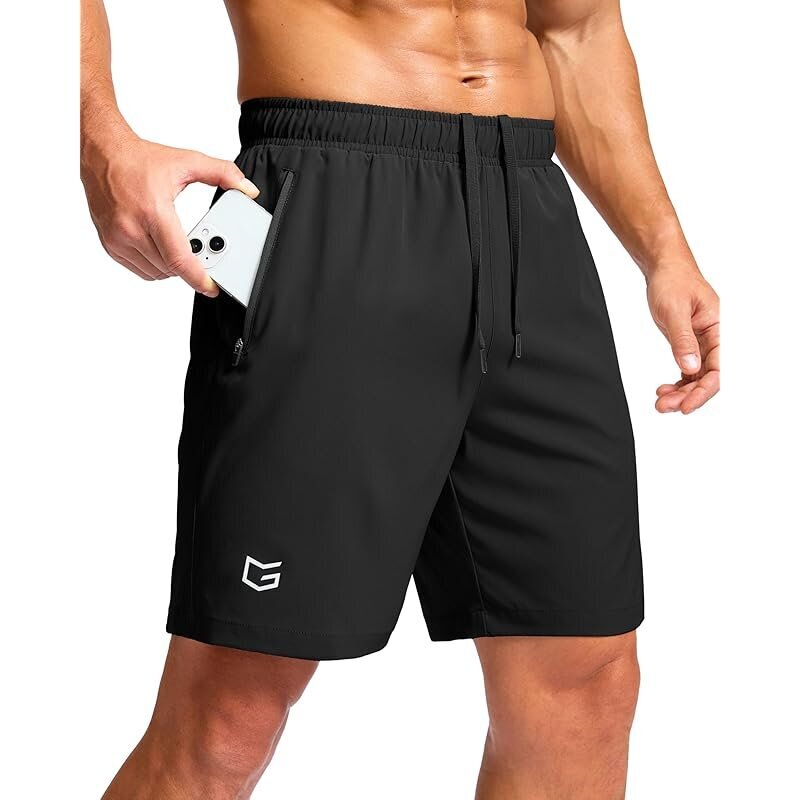
Men's Athletic Running Shorts with Zipper Pockets - Lightweight & Quick Dry
$12.74 $19.99
61% OFF
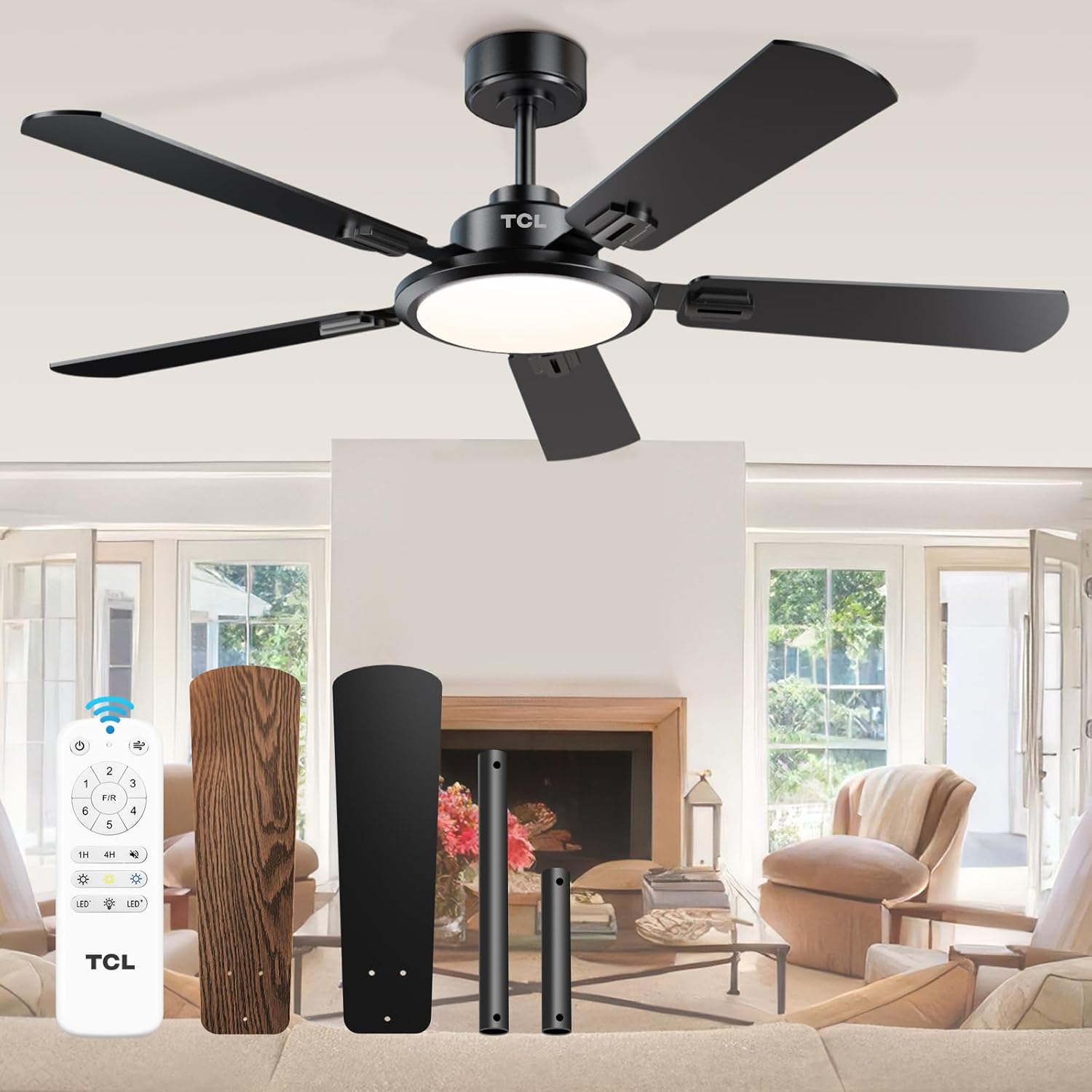
Modern Ceiling Fan with Light and Remote - Reversible Quiet DC Motor
$69.3 $179.99
50% OFF
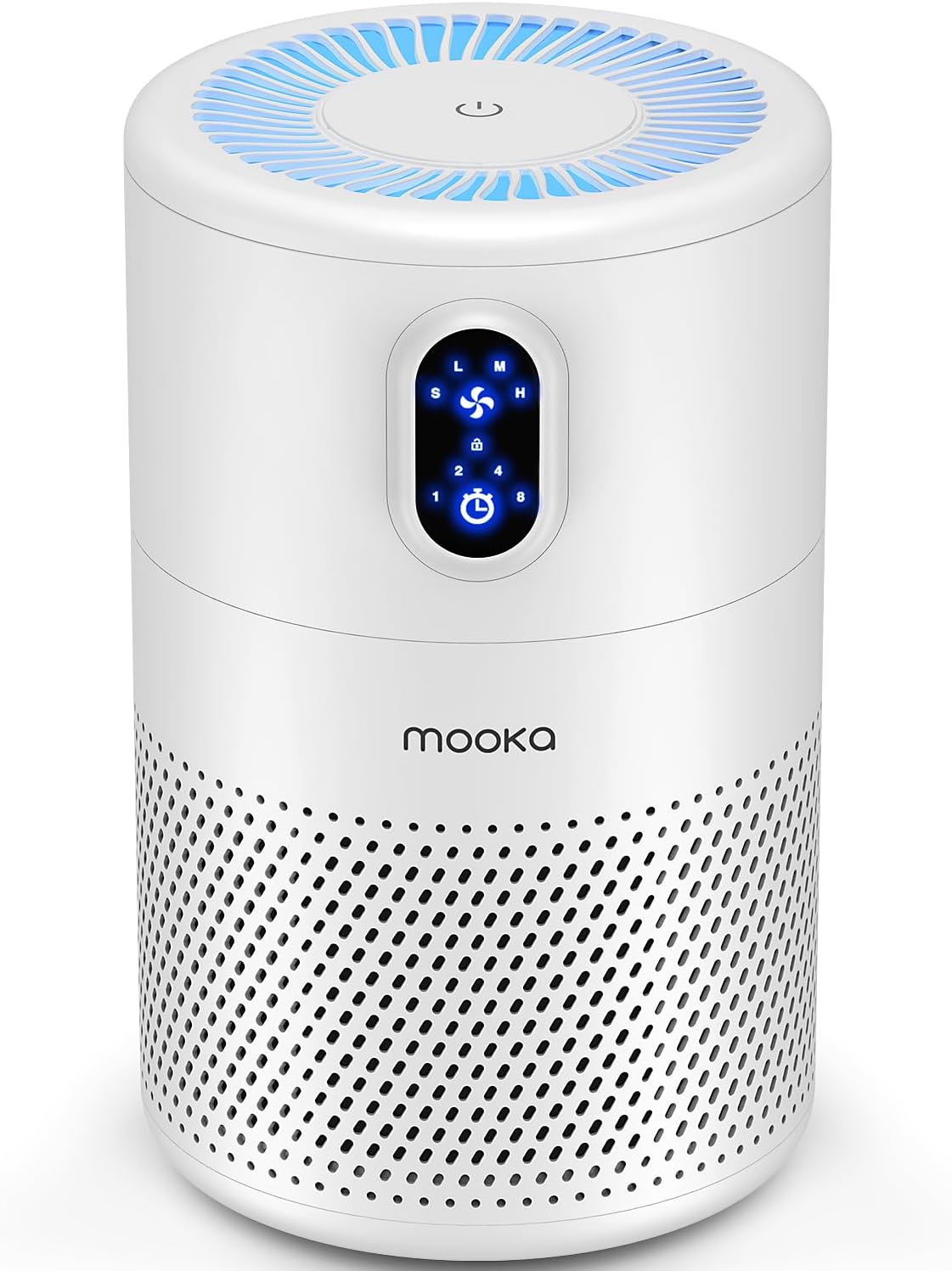
MOOKA H13 True HEPA Air Purifier for Home Large Room - 1076 sq ft Odor Eliminator
$39.97 $79.95
40% OFF
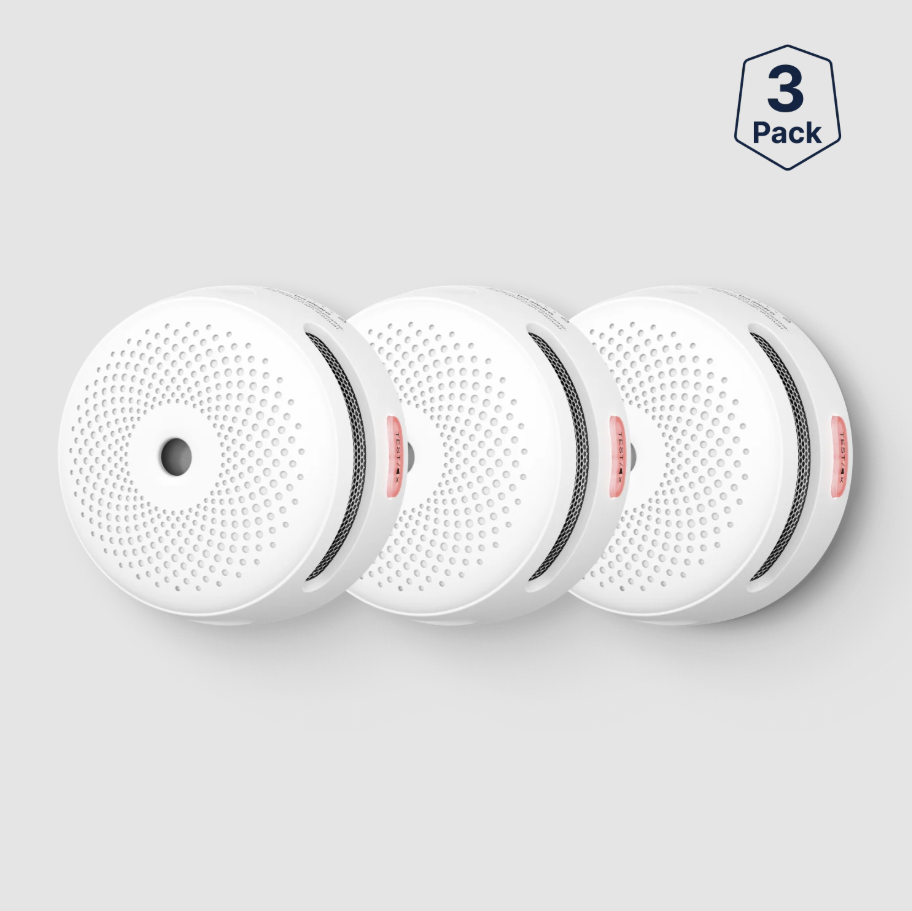
X-Sense XS01-WX Smart Smoke Alarm - 2.4 GHz Wi-Fi Photoelectric Fire Detector with Mobile App Alerts
$65.99 $109.99
-

Life beyond burnout: how Christians can grow in the desert seasons
-

New attempt to revive assisted suicide bill faces opposition
-

A Christian reflection on men’s health week: Jesus - the man we were created to be
-

Anti-Christian hate crimes across Europe surge in May as arson attacks reach 2026 high
News
-

Anti-Christian hate crimes across Europe surge in May as arson attacks reach 2026 high
-

Belfast churches 'heartbroken' over unrest
-

Churches must disciple well and listen well in response to rise of Christian nationalism
-

Welsh reverend speaks of culture of fear over LGBT issues
-

South Wales Police back down on imposing Islamic 'blasphemy law'
-

Making cohabitation equal with marriage is 'unfair', Christians argue
Most Popular
News
African Christian leaders demand justice after Mozambican bishop shot dead
Christian leaders across Africa have called for a full investigation into the killing of a Mozambican bishop who was shot dead at his residence.
Lebanese Christians on the brink as peace deal agreed
The Christian population of the Middle East has drastically declined due to ongoing conflict.

A Christian reflection on men’s health week: Jesus - the man we were created to be
As Men’s Health Week reminds us of the challenges many men face, perhaps there is no better time to look again at Jesus Christ. In Him we find not only a model for manhood, but the way to life itself.

Kyiv’s Dormition Cathedral badly damaged in major Russian strikes on Ukrainian capital
Kyiv’s historic Dormition Cathedral, part of the UNESCO-listed Pechersk Lavra monastery complex, caught fire overnight after a wave of Russian missile and drone strikes on the Ukrainian capital.
All-Weather HDPE Plastic Adirondack Chair with Cup Holder – Navy Blue
$70
7-Color LED Red Light Therapy Mask for Face and Anti-Aging
$29.99
Cordless Vacuum Cleaner - 480W/45Kpa Powerful Stick Vacuum with LED Smart Touch Screen
$55.99
Hypoallergenic Pet Wipes for Dogs & Cats - 400 Count Extra Large Coconut Scented Grooming Wipes
$24.79
MANSPOT Electric Pubic Hair Trimmer - Waterproof Body and Groin Shaver for Men and Women (Black)
$20.39
Lick-Safe Dog Paw and Nose Balm Stick - All-Natural Moisturizer with Coconut Oil for Dry, Cracked Pads and Snout
$11.69
Men's Quick Dry Moisture Wicking Polo Shirt - High Elasticity Slim Fit Athletic Top (Runs Small)
$6.99
Men's Running Shorts with Zipper Pockets - Lightweight, Quick-Dry, Multi-Sport
$12.95
NEWFAST NF-RE523 AC1200 WiFi Extender - 1200Mbps Dual Band Signal Booster & Internet Repeater
$18.5
G Gradual Men's 7-inch Workout Running Shorts - Lightweight, Quick-Dry, Comfort
$12.91
NOVETE Under Sink Water Filter - 3 Years, 30,000 Gallons, High-Efficiency Filtration
$41.99
HDPE All-Weather Adirondack Chair with Built-In Cup Holder - Tool-Free Assembly (Grey)
$69.99
HOMETUK Clear Plastic Storage Bins with Dividers - 3-Pack Stackable Acrylic Organizer Containers for Fridge and Pantry
$19.99
G Gradual Men's Fishing Shirt - UPF 50+ Lightweight Short Sleeve Button Down with Zipper Pockets
$14.99
Everyfun 60" Rectangular Platform Tree Swing - 700lbs Heavy Duty Adjustable Outdoor Swing (Colorful)
$49.99
Ekouaer Women's Casual Loose Jumpsuit - One-Piece Printed Sleeveless Wide Leg Romper with Pockets
$14.99
Men's Athletic Running Shorts with Zipper Pockets - Lightweight & Quick Dry
$12.74
Modern Ceiling Fan with Light and Remote - Reversible Quiet DC Motor
$69.3
MOOKA H13 True HEPA Air Purifier for Home Large Room - 1076 sq ft Odor Eliminator
$39.97
X-Sense XS01-WX Smart Smoke Alarm - 2.4 GHz Wi-Fi Photoelectric Fire Detector with Mobile App Alerts
$65.99