
Iraqi Prime Minister Nuri al-Maliki has sent a delegation to tell Iran to stop backing Shi'ite militias, officials said on Thursday, underscoring Iraq's unease over the influence of its powerful neighbour.
The delegation from Maliki's ruling United Iraqi Alliance (UIA) left for Tehran on Wednesday amid further accusations from U.S. military officials that large amounts of Iranian weapons have been found in Iraq.
"The UIA has decided to send a delegation to press the Iranian government to stop financing and supporting the armed groups," said Sami al-Askari, a senior legislator in the Shi'ite party and a close confidante of Maliki.
In London, the U.S. military commander in Iraq, General David Petraeus, said "very, very significant" amounts of Iranian weapons had been found since Maliki launched an offensive against militias in late March.
Petraeus told the BBC after meeting Prime Minister Gordon Brown this included more than 1,000 mortar and artillery rounds, hundreds of rockets and dozens of armour-piercing bombs. The number found in Baghdad was even greater, said Petraeus.
Washington accuses Shi'ite Iran of arming, training and funding rogue elements of the Mehdi Army militia of anti-U.S. Shi'ite cleric Moqtada al-Sadr. Iran denies the charges.
"It's a very important step (to send the delegation)," U.S. Defense Secretary Robert Gates told reporters in Texas.
"I think that the Iranians do care about what the shape of their future relationship with Iraq will be .... Do they want to work with the government of Iraq or are they going to subvert the government of Iraq?" said Gates.
Two suicide bombers killed 41 people and wounded 75 when they detonated explosive vests in a busy market in a town northeast of Baghdad, police said.
The bombings occurred in an area where Sunni Islamist al Qaeda militants, blamed for most suicide bombings in Iraq, have sought to regroup.
BAGHDAD FIGHTING
Maliki's crackdown has triggered more than a month of clashes in Baghdad, during which militiamen have fired more than 700 rockets and mortars at targets in the capital. Many of those weapons were Iranian made, U.S. military officials have said.
Iraqi government spokesman Ali al-Dabbagh said the delegation had taken questions to Tehran that needed answering.
Asked if the team, led by the deputy parliament speaker, would raise the issue of arming militias, Dabbagh said:
"They will discuss all issues that have been raised ... We expect and want the intervention of Iran to be through the elected government and not through a third party."
He did not elaborate nor say who the delegation would meet.
U.S. officials say Sadr is living in the holy Iranian city of Qom, but Shi'ite officials denied reports the delegation would meet him. Sadr's spokesman denied the cleric was in Iran.
U.S. military officials had planned to put on display some of the recently captured Iranian weapons but decided to let the Iraqis make their own case to Iran first.
Maliki, a Shi'ite himself, is having to tread a fine line between Tehran and Washington - two bitter foes that are also at loggerheads over Iran's nuclear programme.
But Maliki has also sought to show his independence.
At a news conference on Wednesday, he said: "I am not Iran's man in Iraq." And he launched his offensive in the southern city of Basra without giving the U.S. military much notice.
Deputy Prime Minister Barham Salih this week described Baghdad's ties with Tehran as among the most complex it had.
"We cannot afford to have a precarious relationship that could degenerate and go back to a state of conflict that we have had in a previous era," Salih told Reuters.
"The time has come for this relationship to be put on a real sound footing, state to state."
Iran and Iraq fought an eight-year war in the 1980s in which hundreds of thousands were killed. Ties have improved since Sunni Arab strongman Saddam Hussein was ousted in the U.S.-led invasion and a Shi'ite-led government came to power in Baghdad.
U.S. forces said they killed 18 fighters in clashes beginning on Wednesday afternoon and running through the night in Sadr City, the Baghdad stronghold of Sadr. Police said two women and two children had been killed.
11% OFF

VitaUp Beet Root Gummies with CoQ10 & Grape Seed - Nitric Oxide Circulation Support (60 Count)
$24.91 $27.91
50% OFF

HDPE All-Weather Adirondack Chair with Built-In Cup Holder - Tool-Free Assembly (Grey)
$69.99 $139.99
60% OFF

HOMETUK Clear Plastic Storage Bins with Dividers - 3-Pack Stackable Acrylic Organizer Containers for Fridge and Pantry
$19.99 $49.99
58% OFF

G Gradual Men's Fishing Shirt - UPF 50+ Lightweight Short Sleeve Button Down with Zipper Pockets
$14.99 $35.99
55% OFF

Everyfun 60" Rectangular Platform Tree Swing - 700lbs Heavy Duty Adjustable Outdoor Swing (Colorful)
$49.99 $110.99
61% OFF

Ekouaer Women's Casual Loose Jumpsuit - One-Piece Printed Sleeveless Wide Leg Romper with Pockets
$14.99 $37.99
40% OFF
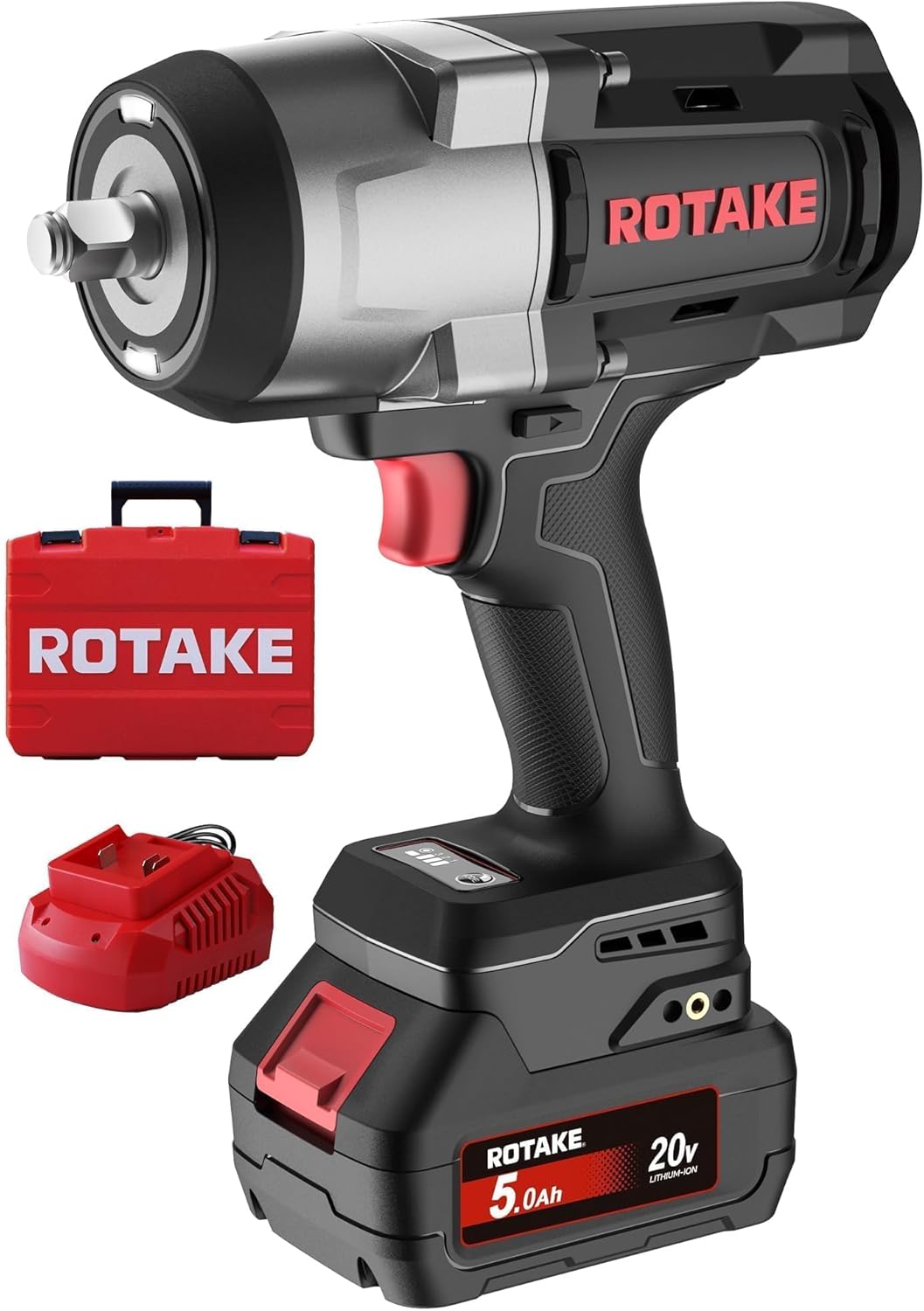
ROTAKE TB3 20V Heavy Duty 1/2" Cordless Impact Wrench Kit - 1380 Ft-Lbs Torque
$132 $219.99
36% OFF

Men's Athletic Running Shorts with Zipper Pockets - Lightweight & Quick Dry
$12.74 $19.99
61% OFF

Modern Ceiling Fan with Light and Remote - Reversible Quiet DC Motor
$69.3 $179.99
50% OFF

MOOKA H13 True HEPA Air Purifier for Home Large Room - 1076 sq ft Odor Eliminator
$39.97 $79.95
60% OFF

Ekouaer Women's Satin Silky Pajama Set - Short Sleeve Pullover Top & Wide-Leg Pants
$13.99 $34.99
55% OFF

Ekouaer 3-Piece Maternity & Nursing Pajamas Set - Short Sleeve Top with Shorts and Pants
$14.99 $32.99

Sealy 2-Pack Tritech 16" Twin Inflatable Air Mattress with Built-in AC Pump
$0 $113.99
20% OFF

INTEX Prism Frame 20ft x 52in Above Ground Pool Set - Round Steel Frame Swimming Pool
$695.99 $869.99

Gardner Pet 43" Heavy Duty Dog Crate with Wheels - Indestructible Folding Metal Cage (Black)
$0 $149.99
12% OFF

Elegant Mid-Century Modern Bar Stools - Set of 4
$395.99 $449.99
23% OFF

Ergonomic Office Chair - Big and Tall Desk Chair with Adjustable Lumbar Support
$279.99 $363.99
26% OFF

Magnelex American Flag Windshield Sun Shade - High-Resolution UV Reflective Heat Shield (X-Large)
$19.9 $26.9
20% OFF
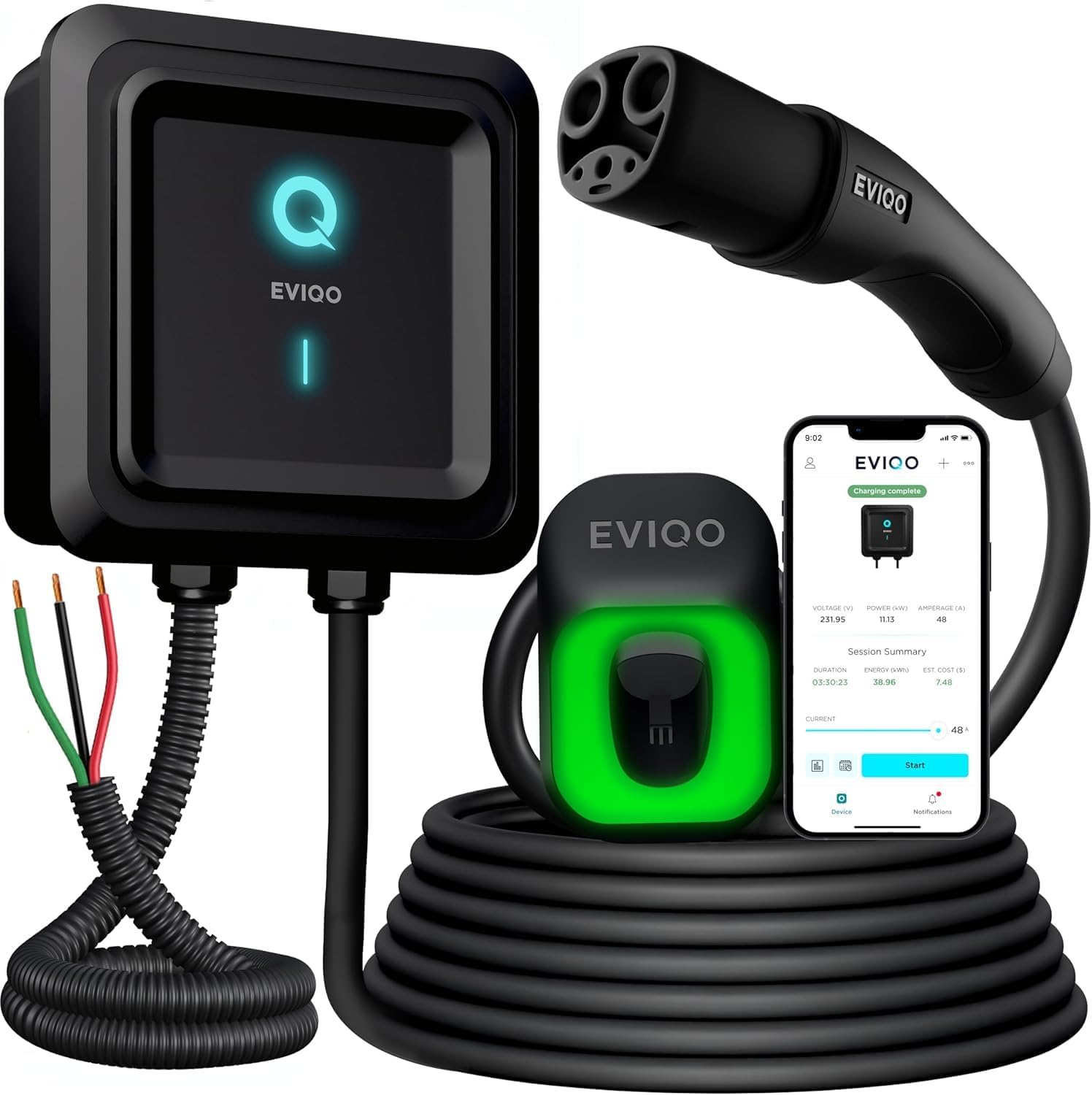
EVIQO 48 Amp NACS Level 2 EV Charger - Hardwired Smart WiFi Wall Charger for Tesla
$368.51 $458.55
50% OFF

DBFIT Air Purifier for Home Large Room
$29.99 $59.99




-

Historic Lancashire church secures £250,000 National Lottery grant for major roof repairs
-
Sunderland Minster PCC was right to push back over trans toilet sign
-

Bethel Church distances itself from Todd Bentley and Mike Bickle
-

Christian police officer reaches settlement over diversity training discrimination claim
-
Turkey's hidden Christian past: Extraordinary discoveries are rewriting the story of early Christianity
-

Washington Archdiocese parts ways with exorcist priest over UFO remarks
Most Popular
News
Churches must disciple well and listen well in response to rise of Christian nationalism
Churches have a task on their hands to raise standards of theological literacy in their congregations amid growing Christian nationalism, while at the same time listening to and engaging with the concerns of people in their flock.

A Christian response to the crisis facing young people
The Church has a wonderful message of hope to share with young people increasingly feeling a sense of nihilism and hopelessness at the state of the world, writes Tim Farron.

Tributes paid to Operation Mobilisation co-founder Dale Rhoton
Tributes have been paid to Dale Rhoton, one of the co-founders of international mission organisation Operation Mobilisation (OM), after his death at the age of 88.

Doctors should work for good of the patient, not facilitate suicide, says Christian Medical Fellowship
Suicide is always a tragedy that should be resisted, the CMF suggested.
VitaUp Beet Root Gummies with CoQ10 & Grape Seed - Nitric Oxide Circulation Support (60 Count)
$24.91
HDPE All-Weather Adirondack Chair with Built-In Cup Holder - Tool-Free Assembly (Grey)
$69.99
HOMETUK Clear Plastic Storage Bins with Dividers - 3-Pack Stackable Acrylic Organizer Containers for Fridge and Pantry
$19.99
G Gradual Men's Fishing Shirt - UPF 50+ Lightweight Short Sleeve Button Down with Zipper Pockets
$14.99
Everyfun 60" Rectangular Platform Tree Swing - 700lbs Heavy Duty Adjustable Outdoor Swing (Colorful)
$49.99
Ekouaer Women's Casual Loose Jumpsuit - One-Piece Printed Sleeveless Wide Leg Romper with Pockets
$14.99
ROTAKE TB3 20V Heavy Duty 1/2" Cordless Impact Wrench Kit - 1380 Ft-Lbs Torque
$132
Men's Athletic Running Shorts with Zipper Pockets - Lightweight & Quick Dry
$12.74
Modern Ceiling Fan with Light and Remote - Reversible Quiet DC Motor
$69.3
MOOKA H13 True HEPA Air Purifier for Home Large Room - 1076 sq ft Odor Eliminator
$39.97
Ekouaer Women's Satin Silky Pajama Set - Short Sleeve Pullover Top & Wide-Leg Pants
$13.99
Ekouaer 3-Piece Maternity & Nursing Pajamas Set - Short Sleeve Top with Shorts and Pants
$14.99
Sealy 2-Pack Tritech 16" Twin Inflatable Air Mattress with Built-in AC Pump
$0
INTEX Prism Frame 20ft x 52in Above Ground Pool Set - Round Steel Frame Swimming Pool
$695.99
Gardner Pet 43" Heavy Duty Dog Crate with Wheels - Indestructible Folding Metal Cage (Black)
$0
Elegant Mid-Century Modern Bar Stools - Set of 4
$395.99
Ergonomic Office Chair - Big and Tall Desk Chair with Adjustable Lumbar Support
$279.99
Magnelex American Flag Windshield Sun Shade - High-Resolution UV Reflective Heat Shield (X-Large)
$19.9
EVIQO 48 Amp NACS Level 2 EV Charger - Hardwired Smart WiFi Wall Charger for Tesla
$368.51
DBFIT Air Purifier for Home Large Room
$29.99