
|PIC2|An around-the-table discussion with the Amazing Grace director Michael Apted, Ioan Gruffudd (William Wilberforce), and Youssou N'Dour (Equiano) on the film, which premiered 19 March in London.
Courtney (Christian Today): Michael, the film has been criticised for not painting a full enough picture of the horror of the slave trade. What are your thoughts on that?
Michael Apted: There are a lot of films to be made about slave trade, and this is one of them. The whole genesis of this film was the political aspect of the film and the anti-abolitionist aspect of the film. And the way that all the anger and frustration of slave trade was channelled and focused in parliament in an act of legislation. To tell that story properly, Wilberforce had never seen slavery, and never had direct experience of it. The only person that did have experience was Youssou's character, Equiano. So I didn't want to put the audience in a position different from Wilberforce. That's the story we decided to tell. We could have made a film more about the slavery. But [Amazing Grace] was one of the stories of that. There are many battles in the war, and this is one of the battles. And that's the one we chose.
Courtney (Christian Today): So is the film entirely centred around the life of Wilberforce?
Michael Apted: It is [focused] on the politics of it. I came to this film because I wanted to make a story about politics. I think people were too contentious about politics and regarded it with disrespect. My point was to get the Slave Trade Act passed and eventually to get to the emancipation in America, it had to take an act of parliament, so it had to be politicised and it had to take the political skills of Wilberforce and Pitt, and Fox and all of them to execute this idea. And that's what I wanted to focus on - not so much on this spontaneous abolitionist movement or slavery - but the actual political aspect.
Rachel (Church Times): Ioan, was [Amazing Grace] just another film for you, or was it something that you really wanted to be involved in?
Ioan Gruffudd: I read the script and fell in love with it, and thought 'I really want to be involved in it'. Initially, from an actor's point of view, to represent this wonderful character, of course I've been educating myself to the abolitionist movement and the slave trade - being slightly ignorant to it. I really wanted to be a part of it. To get the message out there. I was entertained, moved, and educated. This is probably the most satisfying experience of my life - let alone my career. It was such a pleasure to go to work everyday with Michael and Youssou and all these incredible actors. I went to bed feeling satisfied everyday, realising that we were telling a very poignant and special story.
Courtney (Christian Today): Ioan, are you involved with the Amazing Change movement?
Ioan Gruffudd: I certainly signed the petition - absolutely. Being part of the film and part of the outreach of this film, I've been part of campaigns like Amazing Change. And again, I've been educated about the fact that there are more slaves in the world today than there were back in the period of the slave trade. So, yes, we're very proud and we're highlighting this modern issue through telling the story of something that we thought was eradicated 200 years ago.
Vicky (Premier Radio): What aspects of Wilberforce's character really inspired you the most?
Ioan Gruffudd: I think his perseverance. It took about 20 years of his life to dedicate to this movement. And the fact that these were such young men. That was a very attractive thing about the script. When I was 21, when Wilberforce entered Parliament, I was entering RADA (Royal Academy of Dramatic Art), worried about my diction. He was a man entering a place where he can change the world. That was incredibly impressive. It would take me 10 lifetimes to achieve even half of what Wilberforce achieved.
Vicky (Premier Radio): Wilberforce was a Christian. How was it like to transfer his passion towards God onto the screen?
Ioan Gruffudd: We didn't want to portray him as a saintly character. We wanted to portray him as a real human being. Because we are telling the story through a film, so we have to have the audience attracted by the characters on screen. So I wanted to make him a real three-dimensional person. But certainly, the religious aspect of this character wasn't really foreign to me, because I was raised in a Christian, chapel-going independent environment in Wales. So it wasn't foreign to me to lie there on the grass and talk to God.
Rachel (Premier Radio): Do you still?
(Laughter)
Ioan Gruffudd: I don't necessarily lie on the grass. But yes, it's part of my family's life.
Vicky (Premier): Michael, Christians will appreciate the scene where Wilberforce talks to God and his faith is portrayed, but how do you think a wider audience will connect with that?
Michael Apted: I think they will connect, because it's part of his complicated character. And it seemed so crucial to me that we did put a loop between spirituality and politics. That particular scene where he's lying on the grass talking to God and where he stands up in the club and sings ("Amazing Grace") - these are dangerous scenes. You think 'Oh my God, is anyone going to buy this?' But I think you just have to go for it. You can't pre-judge it, you can't apologise for it. This is who the character was. We think we've got a balanced character. We've got him doing all sorts of things... dirty tricks in Parliament. And this is an important part of his life, so why shy away from it. Those are scary moments- when you have to just embrace something and just do it.
Courtney (Christian Today): Youssou, as a singer, did you have the opportunity to sing the song "Amazing Grace" at some point?
Youssou N'Dour: Yea, I'm looking to develop things more between music and acting. I'm really happy to sing the song. Even though this song is a really Christian song. I'm Muslim. But I can understand behind this message a lot of great things. I think whether you're a Muslim or Christian, the message is the same. Understanding when people apologise. When someone apologises, 'now my eyes are open' - and I want to experience something like that.
Jo (Independent Catholic News): Youssou- in your music, have you written about any human rights issues?
Youssou N'Dour : Yea, it's nothing new to me. I decided from long ago that I could do more than just record things or play live. That I could deliver a message behind my music. Sometimes that is a faster way to get a message across.
Jo (Independent Catholic News): Ioan, how did you get on with Albert Finney and Michael Gambon?
Ioan Gruffudd: They were wonderful. Absolutely wonderful. It was a great pleasure for a young actor like myself to be surrounded by such actors. When you're presented by that, you raise your game, your level. It was just amazing.
Rachel (Church Times): Michael, when you saw Ioan, did you know that 'he was the man'?
Michael Apted: As soon as I met him, I can see that soulfulness that he had in him. That sort of emotion that he had in him. It wouldn't do to have a Wilberforce that was kind of icy and cold. The other thing that Ioan brought to the table was that he already had a really substantial hit in America with "Fantastic Four," so that also gave the film some marquee credibility. So in many many fronts, he was clearly the man for the job.
Vicky (Premier Radio): Was patching up the film difficult?
Michael Apted: One of the crucial decisions for me was to really play the romance between Wilberforce and Barbra all the way throughout the film. One of the problems, if you do the film in a lineal way she doesn't come in until the third act. I loved the relationship. So often you'd have a romance in the story and it doesn't feel organic. All the woman says is 'Don't do it! Don't go. Stay at home!' But with her, she really gave him a swift kick in the back and said, 'Get on with it.' So she was truly organic to the story. To me, it gave a very useful dramatic device in really holding the story together. It was a difficult film to structure. That was 20 years of life. It was hard to compress it and make it coherent, but that romance gave a real structure for it. It makes it emotional, and it makes it accessible - which is what movies have to have. It can't just be ideas or subjects.
Courtney (Christian Today): The church has been very supportive in promoting Amazing Grace. Did you expect this kind of response from Christians?
Michael Apted: The challenge of the film was to try to get a balance between the religious part of the story and the secular part of the story. The politics in the story was the tight rope that I walked with the company (Bristol Bay Productions), because I didn't want to turn it into a faith-based film. Then I thought it might seem maybe to the secular audience as proselytising. On the other hand, I didn't want to diminish the spirituality in the film, because I thought that was a very important ingredient in the Wilberforce story. The way that both politics and religion co-existed in his life, and he was able not only to have a spiritual life - which formed his courage and vision - but to live in the world of politics and achieve a political ambition.
Jo (Independent Catholic News): How long did it take to make this?
Michael Apted: Shooting? Quite quick. We shot it in 47 days.
Courtney (Christian Today): According to Producer Ken Wales, planning for the film took roughly seven years?
Michael Apted: Different scripts have probably been around for seven years, but this particular story really got going two years ago. We came into this in 2005.
50% OFF

All-Weather HDPE Plastic Adirondack Chair with Cup Holder – Navy Blue
$70 $139.99
50% OFF

7-Color LED Red Light Therapy Mask for Face and Anti-Aging
$29.99 $59.99
49% OFF
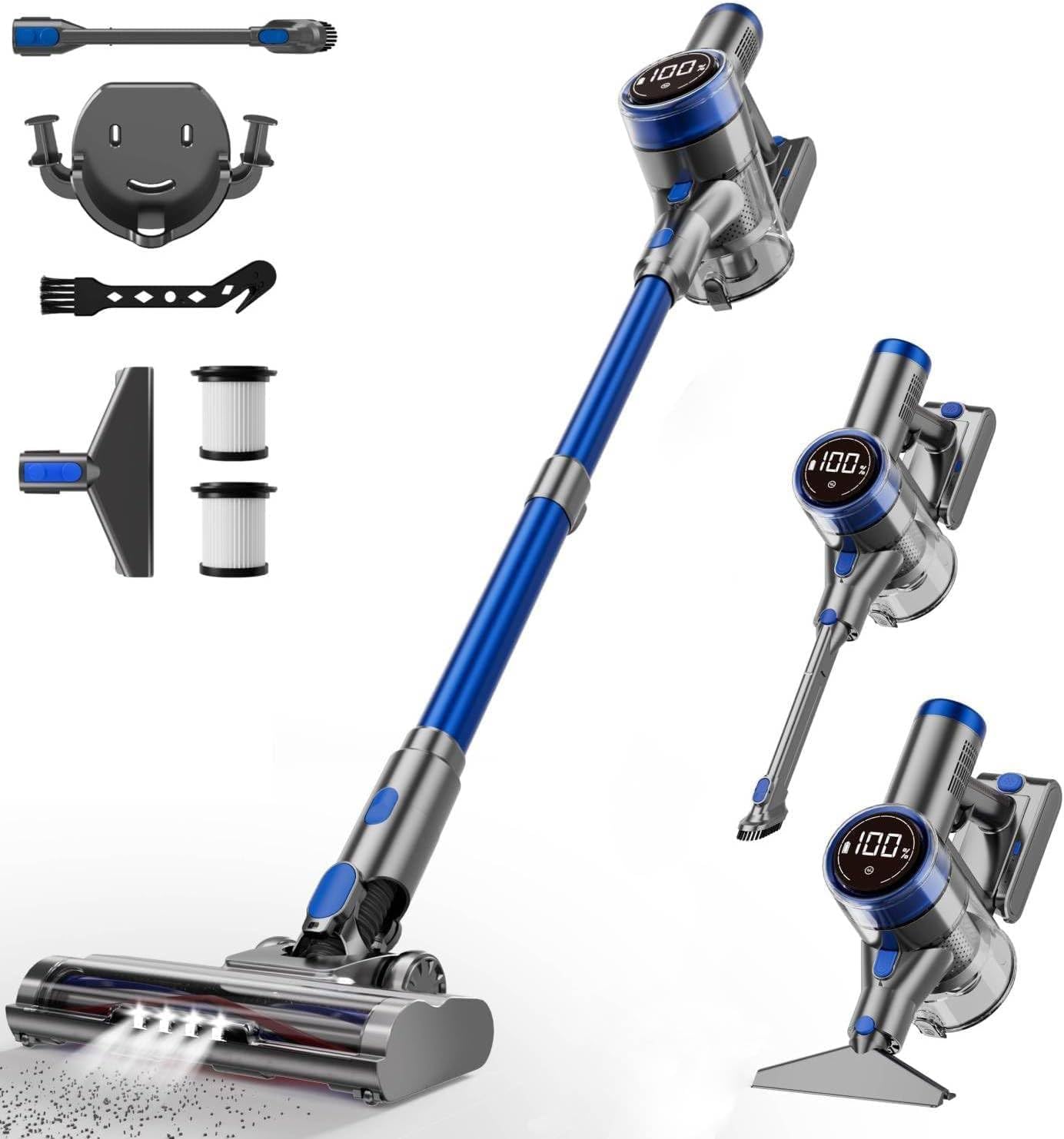
Cordless Vacuum Cleaner - 480W/45Kpa Powerful Stick Vacuum with LED Smart Touch Screen
$55.99 $109.99
20% OFF

Hypoallergenic Pet Wipes for Dogs & Cats - 400 Count Extra Large Coconut Scented Grooming Wipes
$24.79 $30.99
49% OFF
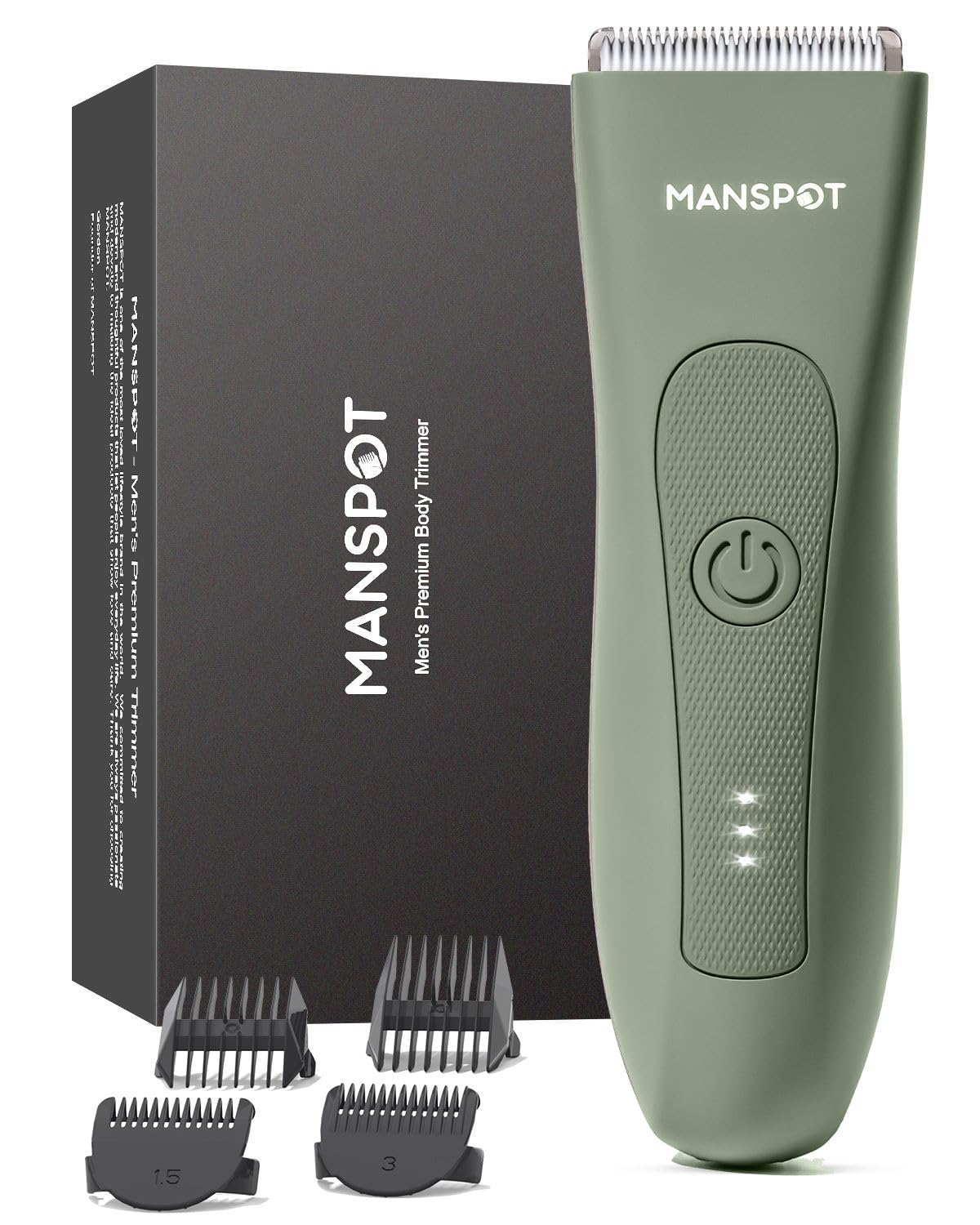
MANSPOT Electric Pubic Hair Trimmer - Waterproof Body and Groin Shaver for Men and Women (Black)
$20.39 $40
25% OFF

Lick-Safe Dog Paw and Nose Balm Stick - All-Natural Moisturizer with Coconut Oil for Dry, Cracked Pads and Snout
$11.69 $15.59
77% OFF
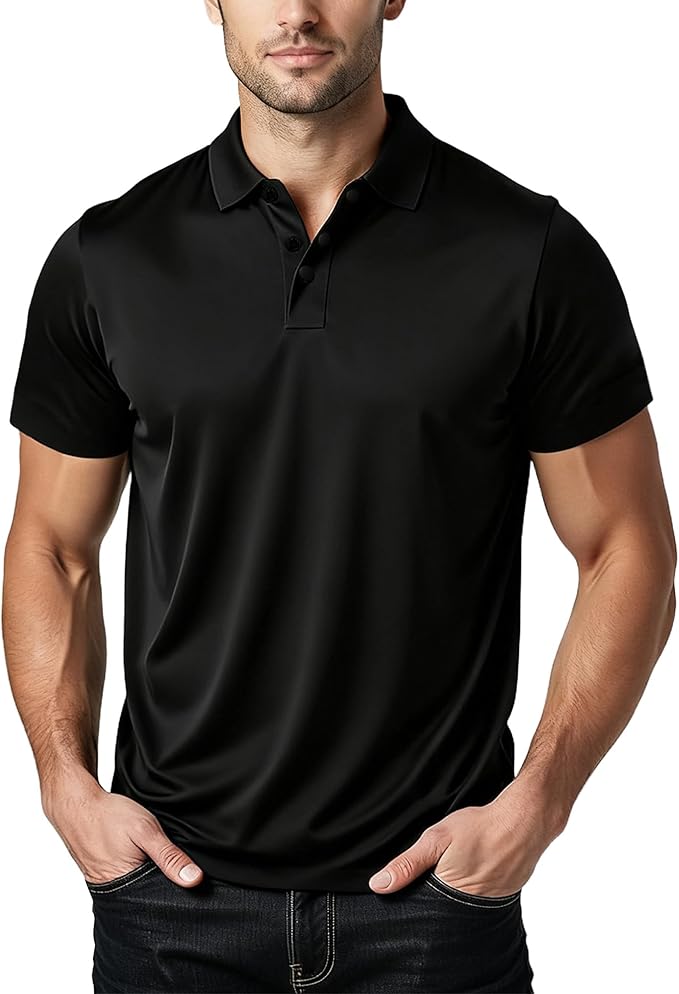
Men's Quick Dry Moisture Wicking Polo Shirt - High Elasticity Slim Fit Athletic Top (Runs Small)
$6.99 $29.99
46% OFF
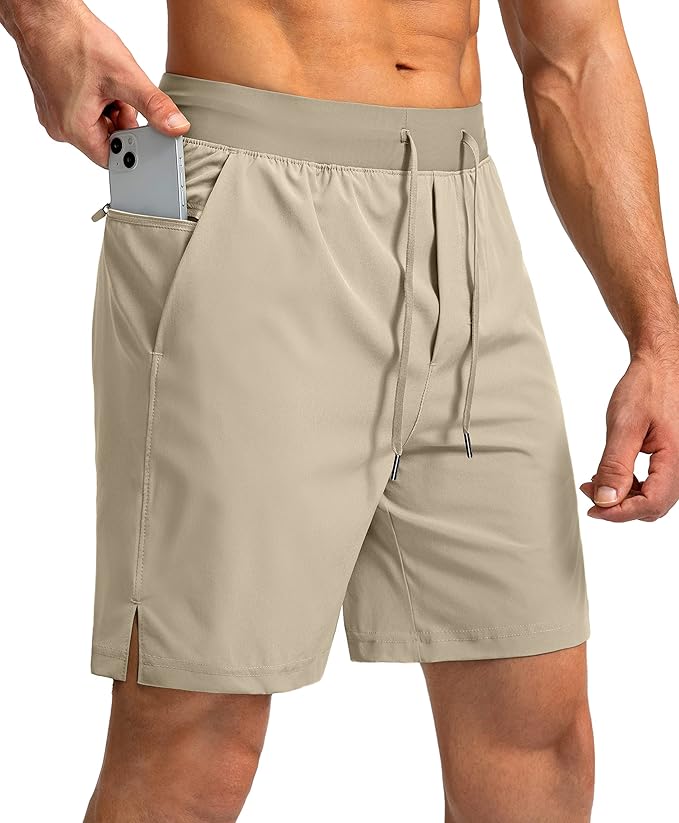
Men's Running Shorts with Zipper Pockets - Lightweight, Quick-Dry, Multi-Sport
$12.95 $23.99
50% OFF

NEWFAST NF-RE523 AC1200 WiFi Extender - 1200Mbps Dual Band Signal Booster & Internet Repeater
$18.5 $36.99
48% OFF

G Gradual Men's 7-inch Workout Running Shorts - Lightweight, Quick-Dry, Comfort
$12.91 $24.99
30% OFF
NOVETE Under Sink Water Filter - 3 Years, 30,000 Gallons, High-Efficiency Filtration
$41.99 $59.99
50% OFF

HDPE All-Weather Adirondack Chair with Built-In Cup Holder - Tool-Free Assembly (Grey)
$69.99 $139.99
60% OFF

HOMETUK Clear Plastic Storage Bins with Dividers - 3-Pack Stackable Acrylic Organizer Containers for Fridge and Pantry
$19.99 $49.99
58% OFF

G Gradual Men's Fishing Shirt - UPF 50+ Lightweight Short Sleeve Button Down with Zipper Pockets
$14.99 $35.99
55% OFF

Everyfun 60" Rectangular Platform Tree Swing - 700lbs Heavy Duty Adjustable Outdoor Swing (Colorful)
$49.99 $110.99
61% OFF

Ekouaer Women's Casual Loose Jumpsuit - One-Piece Printed Sleeveless Wide Leg Romper with Pockets
$14.99 $37.99
36% OFF

Men's Athletic Running Shorts with Zipper Pockets - Lightweight & Quick Dry
$12.74 $19.99
61% OFF

Modern Ceiling Fan with Light and Remote - Reversible Quiet DC Motor
$69.3 $179.99
50% OFF

MOOKA H13 True HEPA Air Purifier for Home Large Room - 1076 sq ft Odor Eliminator
$39.97 $79.95
40% OFF

X-Sense XS01-WX Smart Smoke Alarm - 2.4 GHz Wi-Fi Photoelectric Fire Detector with Mobile App Alerts
$65.99 $109.99
-

Life beyond burnout: how Christians can grow in the desert seasons
-

New attempt to revive assisted suicide bill faces opposition
-

A Christian reflection on men’s health week: Jesus - the man we were created to be
-

Anti-Christian hate crimes across Europe surge in May as arson attacks reach 2026 high
News
-

Anti-Christian hate crimes across Europe surge in May as arson attacks reach 2026 high
-

Belfast churches 'heartbroken' over unrest
-

Churches must disciple well and listen well in response to rise of Christian nationalism
-

Welsh reverend speaks of culture of fear over LGBT issues
-

South Wales Police back down on imposing Islamic 'blasphemy law'
-

Making cohabitation equal with marriage is 'unfair', Christians argue
Most Popular
related articles
Artists Raise Their Voices to Abolish Modern Day Slavery
Artists Raise Their Voices to Abolish Modern Day Slavery
Bristol Joins Slave Trade Commemorations on Amazing Grace Sunday
Bristol Joins Slave Trade Commemorations on Amazing Grace Sunday
Amazing Grace Breaks $10Million
Amazing Grace Breaks $10Million
Amazing Grace Premieres in London
Amazing Grace Premieres in London
News
African Christian leaders demand justice after Mozambican bishop shot dead
Christian leaders across Africa have called for a full investigation into the killing of a Mozambican bishop who was shot dead at his residence.
Lebanese Christians on the brink as peace deal agreed
The Christian population of the Middle East has drastically declined due to ongoing conflict.

A Christian reflection on men’s health week: Jesus - the man we were created to be
As Men’s Health Week reminds us of the challenges many men face, perhaps there is no better time to look again at Jesus Christ. In Him we find not only a model for manhood, but the way to life itself.

Kyiv’s Dormition Cathedral badly damaged in major Russian strikes on Ukrainian capital
Kyiv’s historic Dormition Cathedral, part of the UNESCO-listed Pechersk Lavra monastery complex, caught fire overnight after a wave of Russian missile and drone strikes on the Ukrainian capital.
All-Weather HDPE Plastic Adirondack Chair with Cup Holder – Navy Blue
$70
7-Color LED Red Light Therapy Mask for Face and Anti-Aging
$29.99
Cordless Vacuum Cleaner - 480W/45Kpa Powerful Stick Vacuum with LED Smart Touch Screen
$55.99
Hypoallergenic Pet Wipes for Dogs & Cats - 400 Count Extra Large Coconut Scented Grooming Wipes
$24.79
MANSPOT Electric Pubic Hair Trimmer - Waterproof Body and Groin Shaver for Men and Women (Black)
$20.39
Lick-Safe Dog Paw and Nose Balm Stick - All-Natural Moisturizer with Coconut Oil for Dry, Cracked Pads and Snout
$11.69
Men's Quick Dry Moisture Wicking Polo Shirt - High Elasticity Slim Fit Athletic Top (Runs Small)
$6.99
Men's Running Shorts with Zipper Pockets - Lightweight, Quick-Dry, Multi-Sport
$12.95
NEWFAST NF-RE523 AC1200 WiFi Extender - 1200Mbps Dual Band Signal Booster & Internet Repeater
$18.5
G Gradual Men's 7-inch Workout Running Shorts - Lightweight, Quick-Dry, Comfort
$12.91
NOVETE Under Sink Water Filter - 3 Years, 30,000 Gallons, High-Efficiency Filtration
$41.99
HDPE All-Weather Adirondack Chair with Built-In Cup Holder - Tool-Free Assembly (Grey)
$69.99
HOMETUK Clear Plastic Storage Bins with Dividers - 3-Pack Stackable Acrylic Organizer Containers for Fridge and Pantry
$19.99
G Gradual Men's Fishing Shirt - UPF 50+ Lightweight Short Sleeve Button Down with Zipper Pockets
$14.99
Everyfun 60" Rectangular Platform Tree Swing - 700lbs Heavy Duty Adjustable Outdoor Swing (Colorful)
$49.99
Ekouaer Women's Casual Loose Jumpsuit - One-Piece Printed Sleeveless Wide Leg Romper with Pockets
$14.99
Men's Athletic Running Shorts with Zipper Pockets - Lightweight & Quick Dry
$12.74
Modern Ceiling Fan with Light and Remote - Reversible Quiet DC Motor
$69.3
MOOKA H13 True HEPA Air Purifier for Home Large Room - 1076 sq ft Odor Eliminator
$39.97
X-Sense XS01-WX Smart Smoke Alarm - 2.4 GHz Wi-Fi Photoelectric Fire Detector with Mobile App Alerts
$65.99