
A couple of months ago, Sheela Adivasi's infant son fell sick and his eyes filled with pus. By the time the infection cleared up, Deepak's pupils had turned a pearly white. He is now permanently blind.
It did not help matters that Deepak is malnourished, as are half of all young children in India. His belly is swollen, his dry skin speckled with dark dots, and his hair is thin and yellowing. Had he not been so starved of vitamins, he probably would have suffered only an itchy but harmless bout of pink eye.
Belatedly, he is getting some nutrients in a special clinic for malnourished children in Badarwas, a tiny town about an hour's drive from his mud-walled home in a village in the central state of Madhya Pradesh.
The clinic, a concrete room filled with a dozen beds and prone to powercuts, is part of India's latest attempt to reduce a malnutrition rate twice that of sub-Saharan Africa. For now, Deepak is far from the only child being reached too late.
It is a problem with "dire consequences for morbidity, mortality, productivity and economic growth," a World Bank report said in 2005, and shows little signs of fading even as India's economy booms.
Born underweight and then underfed during the crucial early stages of development, millions of Indian children grow up shorter, weaker and less smart than their better fed peers.
They end up less productive workers, too, costing India about 3 percent of national income, the bank said. The problem looks unlikely to disappear for at least the next couple of decades.
GOOD ADVICE
The nutrition centres, and measures such as paying pregnant women to give birth in a clinic rather than at home, are part of the government's National Rural Health Mission (NRHM).
It was started in 2005 to bring health services to people used to a choice between pawning jewellery for doctor's fees or simply suffering.
The scheme is intended to plug gaps in an older programme that failed to reach children in the most critical first two years of life, educate mothers about nutrition and reign in corruption which meant free food handouts went missing.
In Deepak's case, the difference some well-timed good advice could have made is obvious. In the 18 months since his birth, no food passed his lips until he arrived at the nutrition centre, according to his mother. She did not realise this was a problem.
"He only drinks milk," Sheela said as she sat sweating under a motionless ceiling fan as Deepak lay in her lap in torn shorts and a grubby jacket.
The registration book at the centre is filled with the purple thumbprints of illiterate, unschooled mothers like Sheela. She does not know her age -- a doctor, trying to be helpful, pulled open her mouth, looked at her teeth, and guessed about 25.
After marrying in her late teens Sheela left behind her village and moved in with her husband's family. She dislikes her mother-in-law, who she says has no interest in giving grandmotherly advice.
Workers at the centre will try to teach Sheela how best to care for her son, paying her 35 rupees (nearly $1) a day and providing meals to compensate for her lost labourer's income.
Several times a day, Deepak sips a sweet mixture of ground puffed rice and sugar dissolved in milk with a little vegetable oil. Older children move on to fruit, eggs and lentils.
For Kasumal Adivasi, sitting a few beds away, the centre was a revelation. Like Sheela, she felt there was no one in her husband's village she could turn to for advice.
After 12 days at the centre, Tunda, her 2-year-old son, still has a distended stomach and a slightly grumpy disposition, but at least he is able to stand up again with his mother's help.
"I promise, promise, promise to remember what you told me," she told a nurse, before reciting some of the dietary tips she has learnt at the centre. She smiled with gratitude and relief, her hand resting on her pregnant belly.
STILL GAPS
The Madhya Pradesh government adopted the nutrition centres after liking what it saw at a pilot centre set up in the state by UNICEF. There are now more than 60 in Madhya Pradesh, and they are spreading to other states as part of the NRHM.
But UNICEF staff warn that the limited beds at the nutrition clinics are far from an end in themselves. They are a last resort, taking in only the most dangerously undernourished children. Two weeks later, they are discharged, most still malnourished, but no longer quite so at risk of dying.
"There are still big gaps in the guidelines," said Hamid El-Bashir, the UNICEF representative for Madhya Pradesh.
Under the rural health mission, health workers are being asked to help check malnutrition before it reaches such a bleak stage, but in places like Madhya Pradesh where healthy children are in a minority, locals can become inured to the signs.
"His hair just hasn't been washed," said one young village worker when her attention was brought to a young child with yellowing frizz on his scalp and scaly skin.
Some, like Biraj Patnaik, an advisor to the Supreme Court on nutrition, think good advice only goes so far, and India's top priority is fixing its graft-tainted food distribution system.
"Across the country women are rationing their own food, feeding their babies at their own personal cost," he said. "There's absolute hunger out there."
UNICEF's El-Bashir thinks fortified biscuits or similar so-called ready-to-use therapeutic foods (RUTF) used in some famine-hit African countries could be part of the solution.
Convincing India's government could be tricky though as it likes to promote traditional Indian food staples grown and cooked locally, saying it is cheap, creates jobs and is less prone to graft.
"RUTF has been a real revolution," El-Bashir said. "India cannot just say no."
50% OFF

All-Weather HDPE Plastic Adirondack Chair with Cup Holder – Navy Blue
$70 $139.99
50% OFF

7-Color LED Red Light Therapy Mask for Face and Anti-Aging
$29.99 $59.99
49% OFF

Cordless Vacuum Cleaner - 480W/45Kpa Powerful Stick Vacuum with LED Smart Touch Screen
$55.99 $109.99
20% OFF

Hypoallergenic Pet Wipes for Dogs & Cats - 400 Count Extra Large Coconut Scented Grooming Wipes
$24.79 $30.99
49% OFF
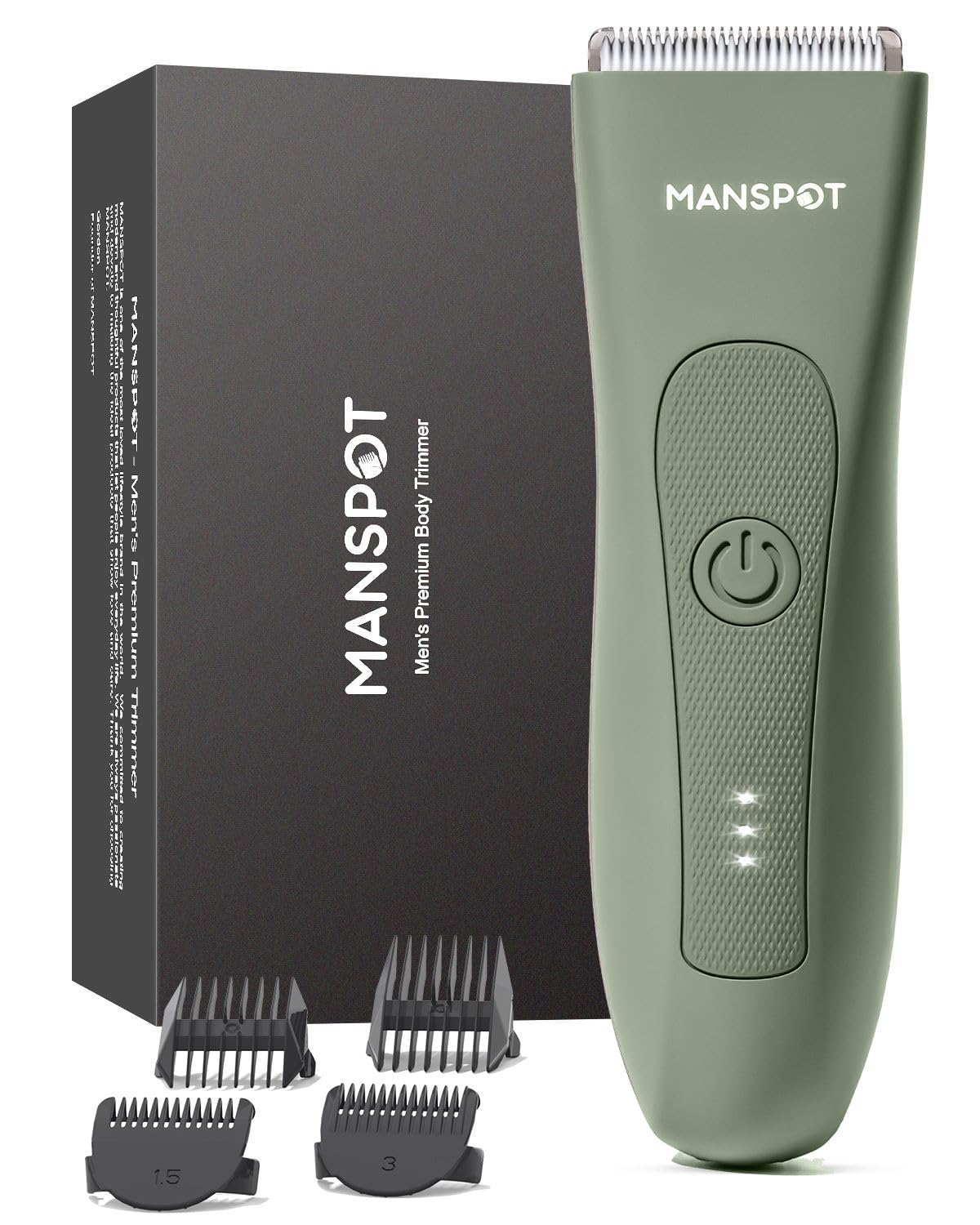
MANSPOT Electric Pubic Hair Trimmer - Waterproof Body and Groin Shaver for Men and Women (Black)
$20.39 $40
25% OFF

Lick-Safe Dog Paw and Nose Balm Stick - All-Natural Moisturizer with Coconut Oil for Dry, Cracked Pads and Snout
$11.69 $15.59
77% OFF
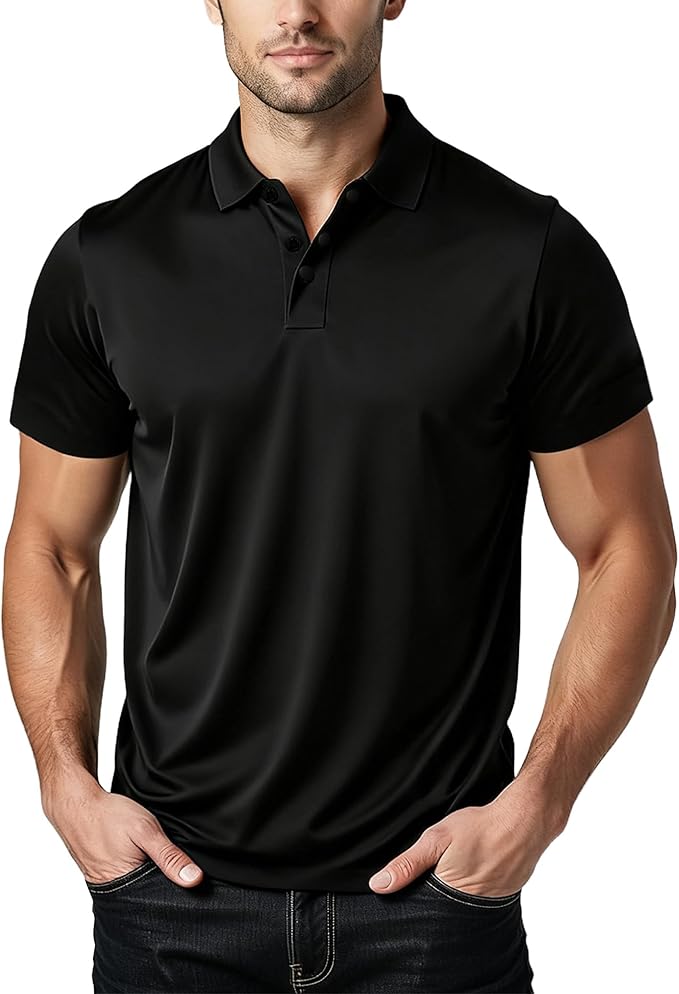
Men's Quick Dry Moisture Wicking Polo Shirt - High Elasticity Slim Fit Athletic Top (Runs Small)
$6.99 $29.99
46% OFF

Men's Running Shorts with Zipper Pockets - Lightweight, Quick-Dry, Multi-Sport
$12.95 $23.99
50% OFF

NEWFAST NF-RE523 AC1200 WiFi Extender - 1200Mbps Dual Band Signal Booster & Internet Repeater
$18.5 $36.99
48% OFF

G Gradual Men's 7-inch Workout Running Shorts - Lightweight, Quick-Dry, Comfort
$12.91 $24.99
30% OFF
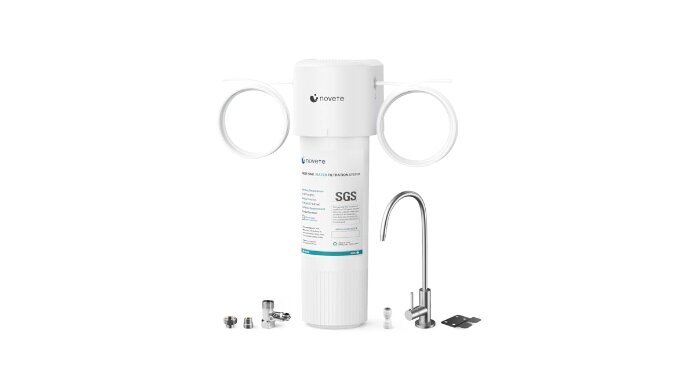
NOVETE Under Sink Water Filter - 3 Years, 30,000 Gallons, High-Efficiency Filtration
$41.99 $59.99
50% OFF

HDPE All-Weather Adirondack Chair with Built-In Cup Holder - Tool-Free Assembly (Grey)
$69.99 $139.99
60% OFF

HOMETUK Clear Plastic Storage Bins with Dividers - 3-Pack Stackable Acrylic Organizer Containers for Fridge and Pantry
$19.99 $49.99
58% OFF

G Gradual Men's Fishing Shirt - UPF 50+ Lightweight Short Sleeve Button Down with Zipper Pockets
$14.99 $35.99
55% OFF

Everyfun 60" Rectangular Platform Tree Swing - 700lbs Heavy Duty Adjustable Outdoor Swing (Colorful)
$49.99 $110.99
61% OFF

Ekouaer Women's Casual Loose Jumpsuit - One-Piece Printed Sleeveless Wide Leg Romper with Pockets
$14.99 $37.99
36% OFF

Men's Athletic Running Shorts with Zipper Pockets - Lightweight & Quick Dry
$12.74 $19.99
61% OFF

Modern Ceiling Fan with Light and Remote - Reversible Quiet DC Motor
$69.3 $179.99
50% OFF

MOOKA H13 True HEPA Air Purifier for Home Large Room - 1076 sq ft Odor Eliminator
$39.97 $79.95
40% OFF

X-Sense XS01-WX Smart Smoke Alarm - 2.4 GHz Wi-Fi Photoelectric Fire Detector with Mobile App Alerts
$65.99 $109.99
-

Life beyond burnout: how Christians can grow in the desert seasons
-

New attempt to revive assisted suicide bill faces opposition
-

A Christian reflection on men’s health week: Jesus - the man we were created to be
-

Anti-Christian hate crimes across Europe surge in May as arson attacks reach 2026 high
News
-

Anti-Christian hate crimes across Europe surge in May as arson attacks reach 2026 high
-

Belfast churches 'heartbroken' over unrest
-

South Wales Police back down on imposing Islamic 'blasphemy law'
-

Churches must disciple well and listen well in response to rise of Christian nationalism
-

Welsh reverend speaks of culture of fear over LGBT issues
-

Making cohabitation equal with marriage is 'unfair', Christians argue
Most Popular
News

African Christian leaders demand justice after Mozambican bishop shot dead
Christian leaders across Africa have called for a full investigation into the killing of a Mozambican bishop who was shot dead at his residence.

Lebanese Christians on the brink as peace deal agreed
The Christian population of the Middle East has drastically declined due to ongoing conflict.

A Christian reflection on men’s health week: Jesus - the man we were created to be
As Men’s Health Week reminds us of the challenges many men face, perhaps there is no better time to look again at Jesus Christ. In Him we find not only a model for manhood, but the way to life itself.

Kyiv’s Dormition Cathedral badly damaged in major Russian strikes on Ukrainian capital
Kyiv’s historic Dormition Cathedral, part of the UNESCO-listed Pechersk Lavra monastery complex, caught fire overnight after a wave of Russian missile and drone strikes on the Ukrainian capital.
All-Weather HDPE Plastic Adirondack Chair with Cup Holder – Navy Blue
$70
7-Color LED Red Light Therapy Mask for Face and Anti-Aging
$29.99
Cordless Vacuum Cleaner - 480W/45Kpa Powerful Stick Vacuum with LED Smart Touch Screen
$55.99
Hypoallergenic Pet Wipes for Dogs & Cats - 400 Count Extra Large Coconut Scented Grooming Wipes
$24.79
MANSPOT Electric Pubic Hair Trimmer - Waterproof Body and Groin Shaver for Men and Women (Black)
$20.39
Lick-Safe Dog Paw and Nose Balm Stick - All-Natural Moisturizer with Coconut Oil for Dry, Cracked Pads and Snout
$11.69
Men's Quick Dry Moisture Wicking Polo Shirt - High Elasticity Slim Fit Athletic Top (Runs Small)
$6.99
Men's Running Shorts with Zipper Pockets - Lightweight, Quick-Dry, Multi-Sport
$12.95
NEWFAST NF-RE523 AC1200 WiFi Extender - 1200Mbps Dual Band Signal Booster & Internet Repeater
$18.5
G Gradual Men's 7-inch Workout Running Shorts - Lightweight, Quick-Dry, Comfort
$12.91
NOVETE Under Sink Water Filter - 3 Years, 30,000 Gallons, High-Efficiency Filtration
$41.99
HDPE All-Weather Adirondack Chair with Built-In Cup Holder - Tool-Free Assembly (Grey)
$69.99
HOMETUK Clear Plastic Storage Bins with Dividers - 3-Pack Stackable Acrylic Organizer Containers for Fridge and Pantry
$19.99
G Gradual Men's Fishing Shirt - UPF 50+ Lightweight Short Sleeve Button Down with Zipper Pockets
$14.99
Everyfun 60" Rectangular Platform Tree Swing - 700lbs Heavy Duty Adjustable Outdoor Swing (Colorful)
$49.99
Ekouaer Women's Casual Loose Jumpsuit - One-Piece Printed Sleeveless Wide Leg Romper with Pockets
$14.99
Men's Athletic Running Shorts with Zipper Pockets - Lightweight & Quick Dry
$12.74
Modern Ceiling Fan with Light and Remote - Reversible Quiet DC Motor
$69.3
MOOKA H13 True HEPA Air Purifier for Home Large Room - 1076 sq ft Odor Eliminator
$39.97
X-Sense XS01-WX Smart Smoke Alarm - 2.4 GHz Wi-Fi Photoelectric Fire Detector with Mobile App Alerts
$65.99