
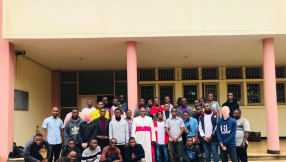
|PIC1|Metropolitan Dr Zacharias Mar Theophilus, from the Mar Thoma Syrian Church of Malabar, India, was a member of an ecumenical team that recently visited Sudan's Yambio region. The capital city of West Equatoria state, close to the border with the Democratic Republic of the Congo, Yambio is green and fertile. "But the people we met there feel ignored," says Metropolitan Theophilus, "ignored by Khartoum, ignored by Juba, ignored by the whole world."
Khartoum and Juba, the capital cities of Northern and Southern Sudan respectively, are separated by some 1,700 kilometres and the wounds of 21 years of civil war. The conflict between the predominantly Muslim North and the majority Christian South killed some 2 million people and left more than 4 million internally displaced persons.
A Comprehensive Peace Agreement signed in January 2005 ended the war but not the problems. Not least being the implementation of the many contentious points of the agreement itself, like border demarcation, sharing of oil revenues and proper preparation of a census and elections.
A predominately agricultural area, Yambio was relatively less affected than other regions during the war. But there have been sporadic tensions between the local Zande population and displaced cattle keeping Dinka. An added plight is the presence in the region of the Ugandan Lord's Resistance Army. The rebel movement, whose leaders have been issued with war crimes indictments by the International Criminal Court because of the atrocities committed during a 21-year war against the Ugandan government, is known for its cruelty.
A member of the ecumenical team said: "Yambio could be a paradise, but under the current circumstances is simply terrible."
The five-person team visiting Yambio was part of a bigger international ecumenical solidarity visit to Sudan sent by the World Council of Churches and the All Africa Council of Churches. From 26 to 31 April, in addition to Yambio, three other teams visited Khartoum, Darfur and Rumbek before joining some 80 Sudanese church representatives - leaders, women and youth - for a three-day conference in Juba. The goal of the visits and conference was to listen to the Sudanese churches' concerns and hopes as well as to express the ecumenical family's solidarity with the churches and people of Sudan.
What was the one thing that struck you most during the visit?
The plight of the people. They are still afraid, they suffer from insecurity because of the attacks of the Lord's Resistance Army. Many people are sleeping in the bush, they cannot send the children to school. On the other hand, we saw churches full and united. The people's only hope is the church. So, this solidarity visit was something that strengthened them, encouraged them and gave them hope.
What is the impact of the Lord's Resistance Army presence in the region?
|PIC2|It comes from Uganda and enters the Yambio region killing people, attacking young girls. Even the Catholic bishop is under threat. I did not know about this problem before coming and could only understand its magnitude after the visit. Through the news media I only receive information on what is going on in the Darfur region. But the country is facing other tremendous problems, like the implementation of the Comprehensive Peace Agreement, which is not easy. So the visit was an eye-opener.
What do you think is the most pressing issue that needs to be addressed?
Health. There are a lot of people living with HIV and AIDS. The church and the society as well as the government and the agencies should all together address this problem. There are cases of malnutrition too. They need hospitals and health workers.
Another urgent need is education. Churches should get more involved in this field, in skills and technical training, and the government should support that through funding. People need schools and a university. Nowadays, to access higher education they need to go to neighbouring Uganda or to Juba, the capital of Southern Sudan. The high level of unemployment is a consequence of lack of education. Of course the lack of infrastructure does not help and needs to be addressed too.
In Yambio, government and churches have a good cooperation that should be spread to all regions.
How can your church, which is so far away, help the churches in Sudan?
We have been praying for Sudan for several years. Prayer is a very mighty power, a great power that can change things. Once I am back home I will write in the church magazine about what I have seen, and mobilize people to pray and work for peace.
It is true that from a distance we cannot do much, but we can support initiatives taken through the World Council of Churches, for instance supporting its involvement in the CPA process. We could also send teachers - we have plenty of teachers - and maybe some doctors. There should be ways in which we could enter into a relationship with the churches in Sudan.
What do you take back home with you from this visit?
Although the people in Yambio live under very harsh conditions and insecurity, the village system allows them to support each other. They find their security in the love and care of the people, not in the military. This is something the modern world should learn. We think of security in terms of powerful weapons, but if you are bound in a community by love and care for the humanity that is the greatest security. So we have to learn from these villages that our security is ultimately in the hands of God as well as of a loving community. It is hatred that brings insecurity while love brings security. That is something we need to learn.
50% OFF

All-Weather HDPE Plastic Adirondack Chair with Cup Holder – Navy Blue
$70 $139.99
50% OFF

7-Color LED Red Light Therapy Mask for Face and Anti-Aging
$29.99 $59.99
49% OFF
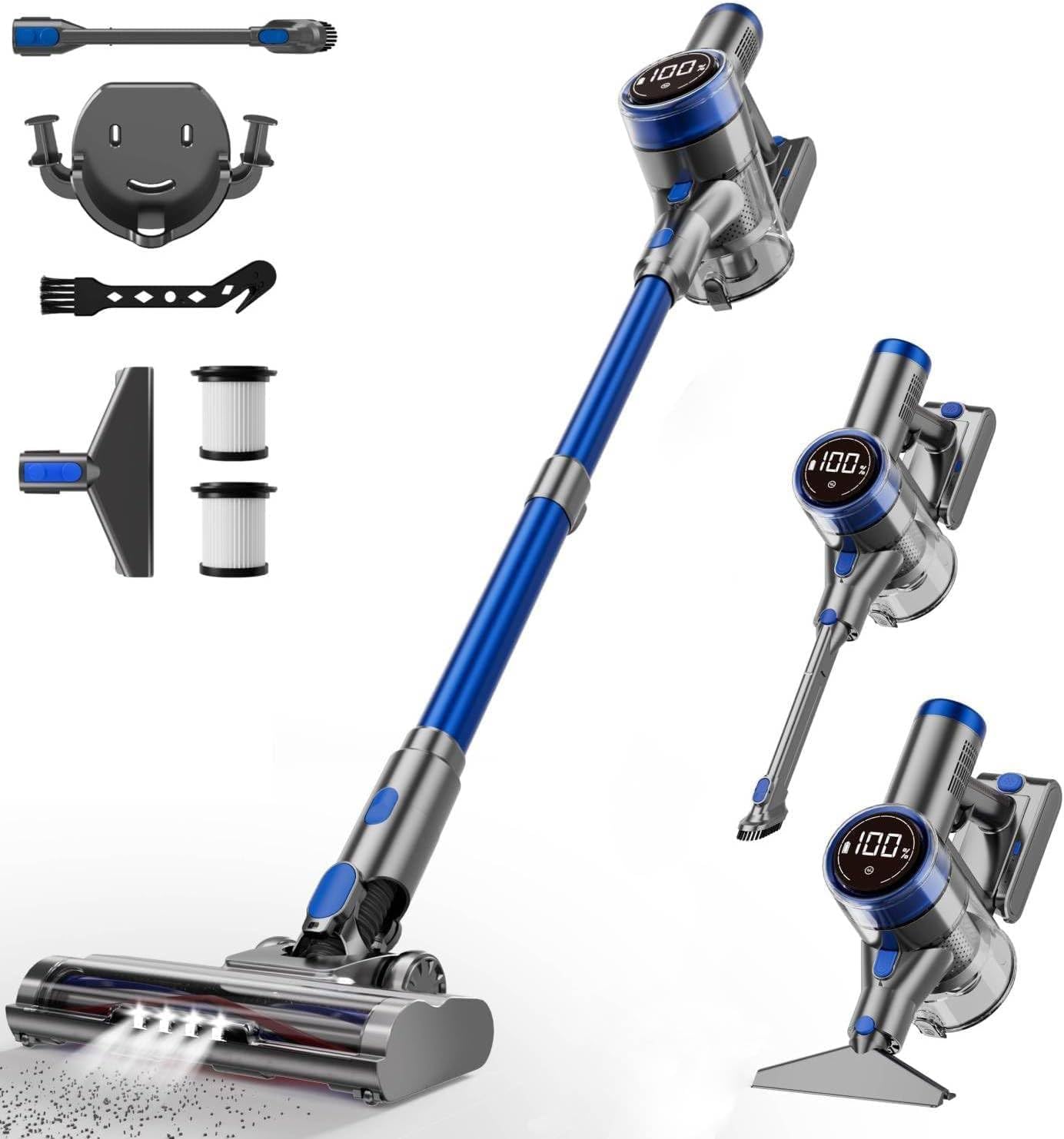
Cordless Vacuum Cleaner - 480W/45Kpa Powerful Stick Vacuum with LED Smart Touch Screen
$55.99 $109.99
20% OFF

Hypoallergenic Pet Wipes for Dogs & Cats - 400 Count Extra Large Coconut Scented Grooming Wipes
$24.79 $30.99
49% OFF
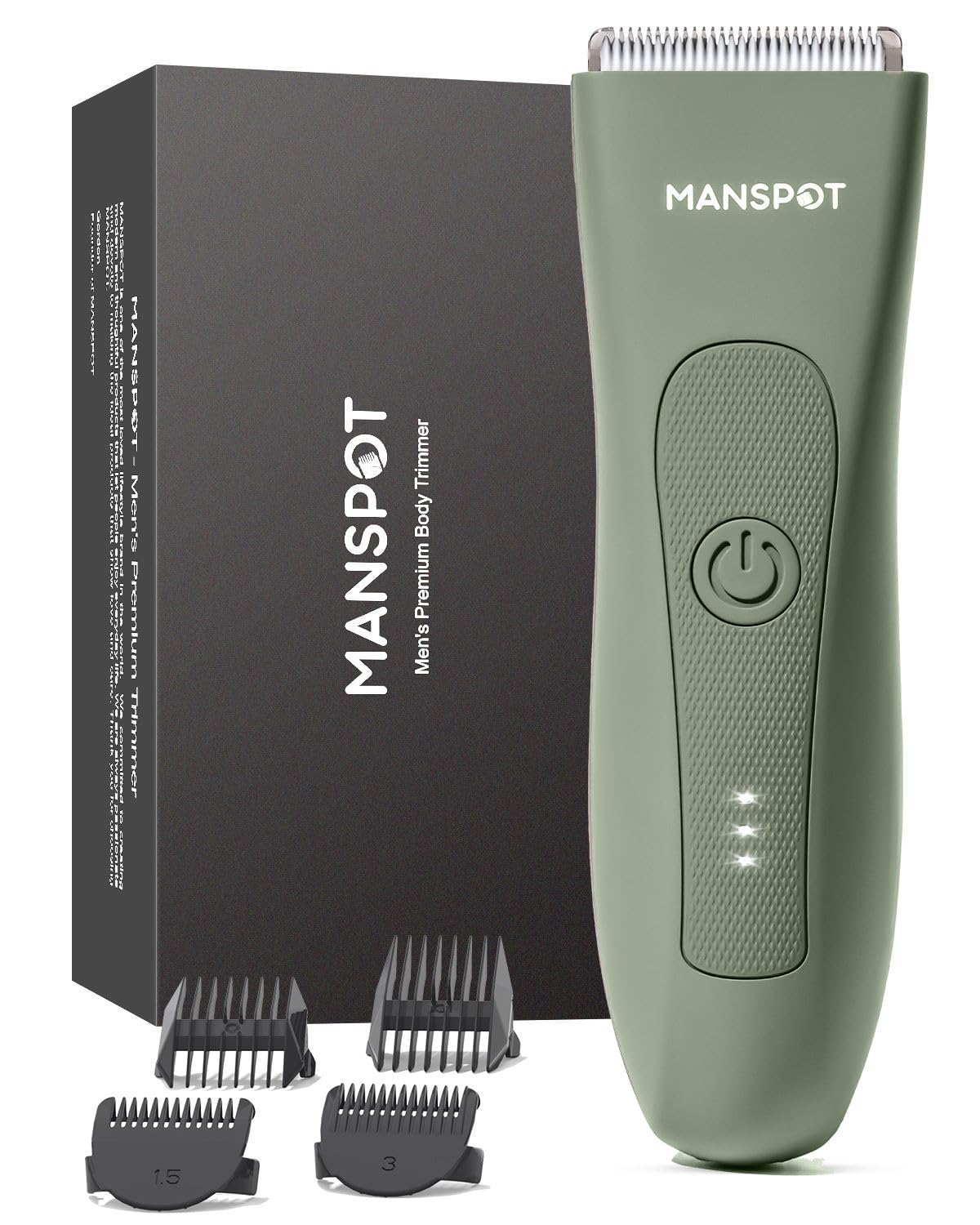
MANSPOT Electric Pubic Hair Trimmer - Waterproof Body and Groin Shaver for Men and Women (Black)
$20.39 $40
25% OFF
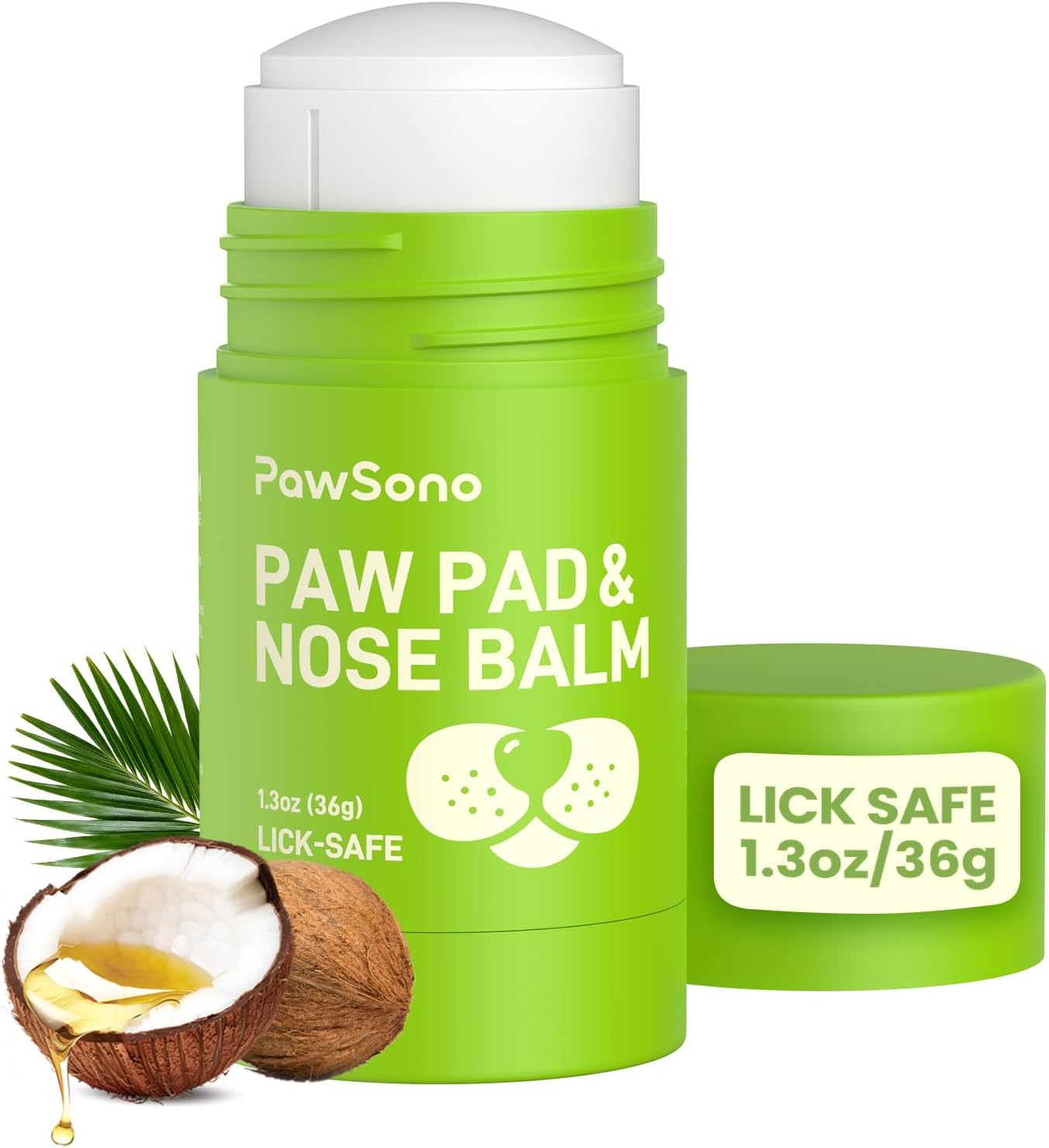
Lick-Safe Dog Paw and Nose Balm Stick - All-Natural Moisturizer with Coconut Oil for Dry, Cracked Pads and Snout
$11.69 $15.59
77% OFF
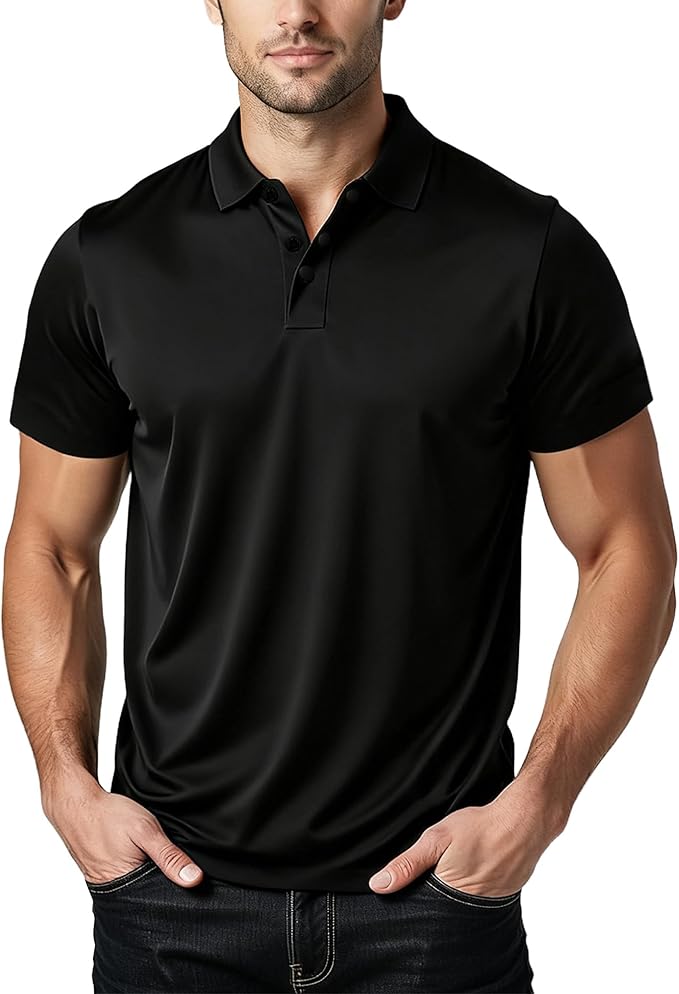
Men's Quick Dry Moisture Wicking Polo Shirt - High Elasticity Slim Fit Athletic Top (Runs Small)
$6.99 $29.99
46% OFF
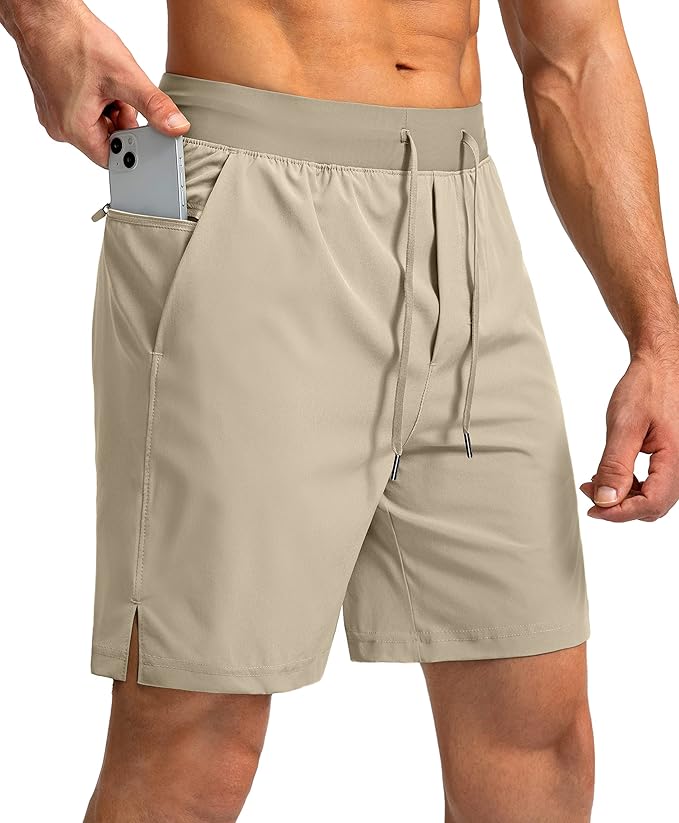
Men's Running Shorts with Zipper Pockets - Lightweight, Quick-Dry, Multi-Sport
$12.95 $23.99
50% OFF

NEWFAST NF-RE523 AC1200 WiFi Extender - 1200Mbps Dual Band Signal Booster & Internet Repeater
$18.5 $36.99
48% OFF
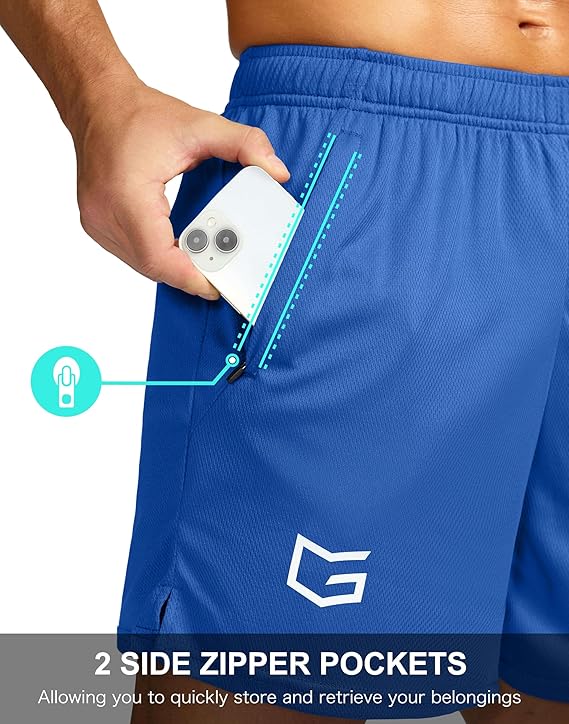
G Gradual Men's 7-inch Workout Running Shorts - Lightweight, Quick-Dry, Comfort
$12.91 $24.99
30% OFF
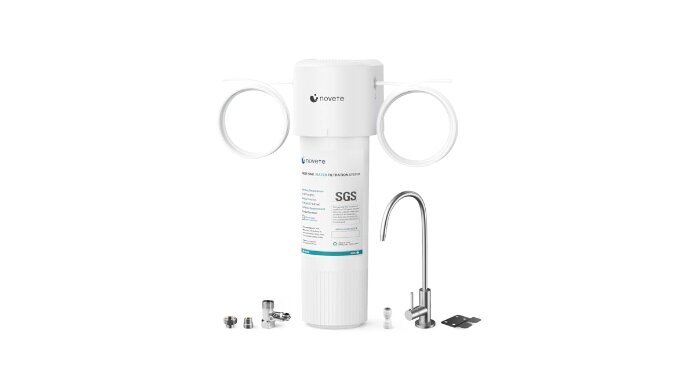
NOVETE Under Sink Water Filter - 3 Years, 30,000 Gallons, High-Efficiency Filtration
$41.99 $59.99
50% OFF

HDPE All-Weather Adirondack Chair with Built-In Cup Holder - Tool-Free Assembly (Grey)
$69.99 $139.99
60% OFF

HOMETUK Clear Plastic Storage Bins with Dividers - 3-Pack Stackable Acrylic Organizer Containers for Fridge and Pantry
$19.99 $49.99
58% OFF

G Gradual Men's Fishing Shirt - UPF 50+ Lightweight Short Sleeve Button Down with Zipper Pockets
$14.99 $35.99
55% OFF

Everyfun 60" Rectangular Platform Tree Swing - 700lbs Heavy Duty Adjustable Outdoor Swing (Colorful)
$49.99 $110.99
61% OFF

Ekouaer Women's Casual Loose Jumpsuit - One-Piece Printed Sleeveless Wide Leg Romper with Pockets
$14.99 $37.99
36% OFF

Men's Athletic Running Shorts with Zipper Pockets - Lightweight & Quick Dry
$12.74 $19.99
61% OFF

Modern Ceiling Fan with Light and Remote - Reversible Quiet DC Motor
$69.3 $179.99
50% OFF

MOOKA H13 True HEPA Air Purifier for Home Large Room - 1076 sq ft Odor Eliminator
$39.97 $79.95
40% OFF
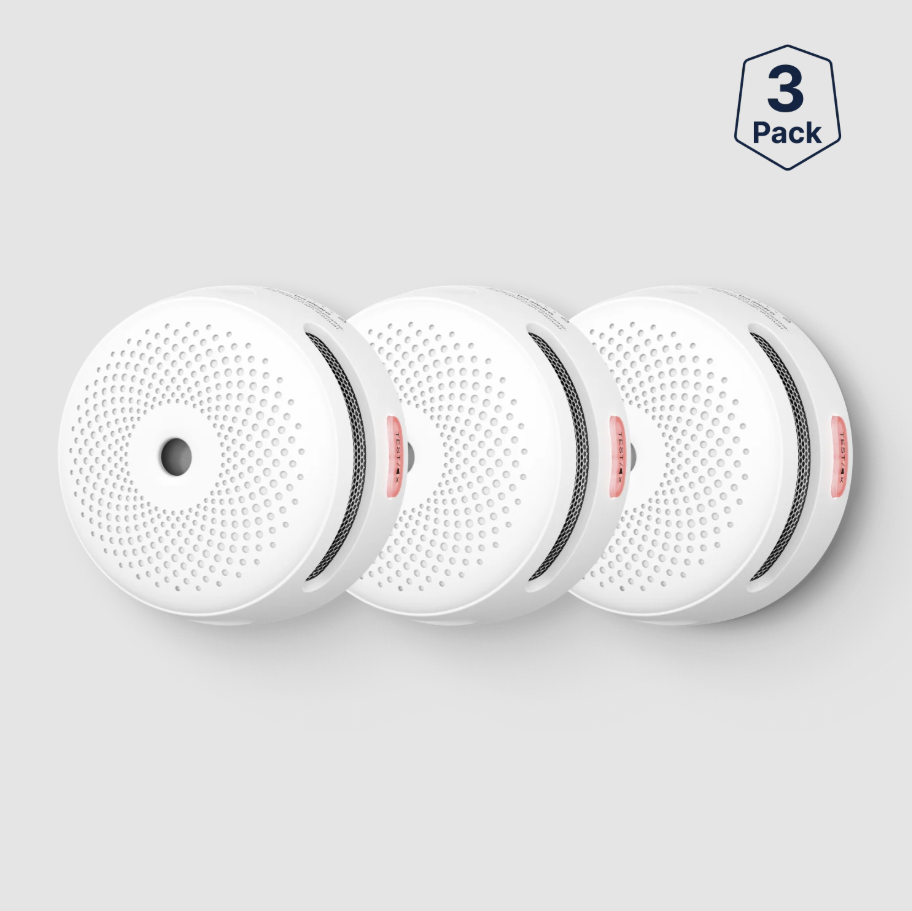
X-Sense XS01-WX Smart Smoke Alarm - 2.4 GHz Wi-Fi Photoelectric Fire Detector with Mobile App Alerts
$65.99 $109.99
-

Life beyond burnout: how Christians can grow in the desert seasons
-

New attempt to revive assisted suicide bill faces opposition
-

A Christian reflection on men’s health week: Jesus - the man we were created to be
-

Anti-Christian hate crimes across Europe surge in May as arson attacks reach 2026 high
News
-

Anti-Christian hate crimes across Europe surge in May as arson attacks reach 2026 high
-

Belfast churches 'heartbroken' over unrest
-

Churches must disciple well and listen well in response to rise of Christian nationalism
-

Welsh reverend speaks of culture of fear over LGBT issues
-

South Wales Police back down on imposing Islamic 'blasphemy law'
-

Making cohabitation equal with marriage is 'unfair', Christians argue
Most Popular
News
African Christian leaders demand justice after Mozambican bishop shot dead
Christian leaders across Africa have called for a full investigation into the killing of a Mozambican bishop who was shot dead at his residence.
Lebanese Christians on the brink as peace deal agreed
The Christian population of the Middle East has drastically declined due to ongoing conflict.

A Christian reflection on men’s health week: Jesus - the man we were created to be
As Men’s Health Week reminds us of the challenges many men face, perhaps there is no better time to look again at Jesus Christ. In Him we find not only a model for manhood, but the way to life itself.

Kyiv’s Dormition Cathedral badly damaged in major Russian strikes on Ukrainian capital
Kyiv’s historic Dormition Cathedral, part of the UNESCO-listed Pechersk Lavra monastery complex, caught fire overnight after a wave of Russian missile and drone strikes on the Ukrainian capital.
All-Weather HDPE Plastic Adirondack Chair with Cup Holder – Navy Blue
$70
7-Color LED Red Light Therapy Mask for Face and Anti-Aging
$29.99
Cordless Vacuum Cleaner - 480W/45Kpa Powerful Stick Vacuum with LED Smart Touch Screen
$55.99
Hypoallergenic Pet Wipes for Dogs & Cats - 400 Count Extra Large Coconut Scented Grooming Wipes
$24.79
MANSPOT Electric Pubic Hair Trimmer - Waterproof Body and Groin Shaver for Men and Women (Black)
$20.39
Lick-Safe Dog Paw and Nose Balm Stick - All-Natural Moisturizer with Coconut Oil for Dry, Cracked Pads and Snout
$11.69
Men's Quick Dry Moisture Wicking Polo Shirt - High Elasticity Slim Fit Athletic Top (Runs Small)
$6.99
Men's Running Shorts with Zipper Pockets - Lightweight, Quick-Dry, Multi-Sport
$12.95
NEWFAST NF-RE523 AC1200 WiFi Extender - 1200Mbps Dual Band Signal Booster & Internet Repeater
$18.5
G Gradual Men's 7-inch Workout Running Shorts - Lightweight, Quick-Dry, Comfort
$12.91
NOVETE Under Sink Water Filter - 3 Years, 30,000 Gallons, High-Efficiency Filtration
$41.99
HDPE All-Weather Adirondack Chair with Built-In Cup Holder - Tool-Free Assembly (Grey)
$69.99
HOMETUK Clear Plastic Storage Bins with Dividers - 3-Pack Stackable Acrylic Organizer Containers for Fridge and Pantry
$19.99
G Gradual Men's Fishing Shirt - UPF 50+ Lightweight Short Sleeve Button Down with Zipper Pockets
$14.99
Everyfun 60" Rectangular Platform Tree Swing - 700lbs Heavy Duty Adjustable Outdoor Swing (Colorful)
$49.99
Ekouaer Women's Casual Loose Jumpsuit - One-Piece Printed Sleeveless Wide Leg Romper with Pockets
$14.99
Men's Athletic Running Shorts with Zipper Pockets - Lightweight & Quick Dry
$12.74
Modern Ceiling Fan with Light and Remote - Reversible Quiet DC Motor
$69.3
MOOKA H13 True HEPA Air Purifier for Home Large Room - 1076 sq ft Odor Eliminator
$39.97
X-Sense XS01-WX Smart Smoke Alarm - 2.4 GHz Wi-Fi Photoelectric Fire Detector with Mobile App Alerts
$65.99