
The Seoul Summit on promoting North Korean Human Rights concluded Saturday with a prayer vigil that attracted more than 20,000 international human rights campaigners, Christian activists, politicians, defectors from the communist country, and concerned South Koreans.
|PIC1|According to organisers of the Summit, which began Thursday, the main goal of the meeting was to shine an international spotlight on the systematic abuses of the North and to rally international support on bringing an end to the oppressive regime of Kim Jong Il.
The following are excerpts from an interview with Dr. Barrett Duke, a member of the Freedom House Working Group on North Korea that helped sponsor the Summit.
What does the Seoul Summit mean for North Korea Human Rights?
I think the Seoul Summit – if North Koreans are able to hear about it – will encourage them by helping them know that the world is aware of their plight and that it is beginning to act as one to help them. One of the reasons why we wanted this to be held in Seoul is that it gives the best opportunity for the people of the North to know the world is focusing on them.
Do North Koreans even know they are in bondage?
A good many must because thousands of them leave the country every year. I think with the exception of the elite and those whom Kim Jong Il favours, the rest of the population knows their lives are very difficult. An increasing number of them are becoming aware that life is not nearly as difficult and that in fact life is pretty good in the rest of the world.
Through the North Korean media, Kim Jong Il has claimed the Seoul Summit is the U.S. government’s attempt to overthrow his regime. Do you have any comments on this?
First of all, no one associated with the summit is calling for regime change. All we’re asking is for the regime to treat their people better and to extend to them the basic human rights that the rest of the world recognises. The summit is about relief for the North Korean people, and I think this message will travel through to the North as what was said at the summit travels by word of mouth from community to community in North Korea.
There has been a lot of criticism toward the South Korean government’s policy toward its neighbour.
It’s been my experience that the South Korean government has not been open to the possibility of a free North Korea. Perhaps they feel threatened by the economic realities of a greater partnership between the South and the North. While I don’t know all of the reasons, it seems pretty certain to me that the South Korean government – and certainly its president – has not made human rights abuses in North Korea as an issue.
Has the North Korean human rights improved in the last decade?
I can’t tell. As far as I know, people are leaving as quickly now as they ever have. Recent videos that have circulated include scenes of government executions, and these indicate that much of the North Korean people still live in very hostile conditions both materially and politically.
How did you get involved with this North Korean human rights movement?
I became more aware of the North Korean tragedy when I came to this position in Washington about three years ago. There was already a significant movement developing that focused attention on the abuses in North Korean when I got here. So it didn’t take long for me to realise that this was a problem I had to be a part of resolving. I believe it would be inexcusable to know what is happening to the people of North Korea and not do what I can to bring relief.
How has your office been working to resolve the problem?
We immediately put all our efforts behind the passage of the North Korean Human Rights Act, and I formed a coalition called the National Coalition for Religious Freedom and Human Rights. This coalition is made up of many evangelical human rights organisations in Washington and a number of Jewish groups as well.
I’m also serving on the Freedom House Working Group on North Korea, which is funded in part by a grant made possible through the North Korean Human Rights Act. We’ve already held one summit in Washington, D.C., on North Korea, and the Seoul Summit is the second meeting out of that first one. We anticipate a third summit somewhere in Europe next spring.
What is the role of Evangelicals in this dialogue?
I think Evangelicals can bring a lot to this dialogue because we so highly value human life. The Bible teaches us that God holds human life to be invaluable, and It teaches us about the sanctity of human life. So when we defend human life against oppression and aggression, we are acting in conformity with God’s own heart.
I think Evangelicals bring a historical perspective to the human rights tragedy in North Korea as well because so many Evangelical groups came out of times of persecution. Baptists for example were persecuted for centuries, including in this country. We have a memory of persecution that allows us to be more sensitive to persecution when we hear about it, and this compels us to try to do something to help.
But this is not only a Christian issue, right?
Yes. This is a human issue. Evangelicals are just one group, Catholics are another, and there are many Christian groups that should get involved. However, this is not just a Christian issue at all. Many Jewish groups are involved, as well as numerous democracy groups that are not principally religious. Many human rights organisations see North Korea as one of the worst human rights situations in the world.
There are those who warn that North Koreans would starve if not for the international economic subsidies. Do you agree?
Tragically, it’s true. Kim Jong Il has been terrible to his people and he has not made it possible for them to develop any self-sustaining infrastructure. That’s why the world must respond to the human needs of the people of North Korea.
We are not opposed to giving aid to the North Korean people because we believe they are not responsible for their situation; we will not punish them for this problem. So we support humanitarian aid for the people, but we don’t support giving additional aid for Kim Jong Il without the transparency of the distribution or the use of this additional aid.
How do you know the initial aid is even going to the people in the first place?
We’re not sure of that either. I’m sure a lot of the world’s good will is already being diverted to Kim Jong Il and his supporters, and we are calling for transparency in that distribution process as well. But we can’t simply call for cutting all humanitarian aid because of the gross abuses of Kim Jong Il and his regime.
These abuses have gone on for decades. Why do you think many in the world are still unaware of the North Koreans’ plight?
Part of the reason is that North Korea is so isolated and it’s nearly impossible to get information out of that country to giver first-hand witness opportunities for the world. Another reason is that for the most part, Kim Jong Il has been content with murdering, imprisoning, and raping his own people, and hasn’t acted in an overtly aggressive way toward other nations. So as a result, a lot of people see the North Korean tragedy as a North Korean problem.
But we cannot allow this to remain as a North Korean problem. We are all God’s creation and Jesus taught us that everybody is our neighbour. This is a world problem.
Do you believe the summit will serve as an eye-opener for the world?
Yes. I think the summit will open a lot of eyes because it will focus attention on the human rights abuses in North Korea. It has already received quite a bit of press coverage, and I believe it will place an international spotlight on the number of people who have escaped from North Korea. Because of this, the Summit will help more people know about exactly how bad life is in North Korea.
As more people become aware, international pressure will mount, and Kim Jong Il will feel more pressure to extend basic freedoms and opportunities to his people.
After this summit, will Freedom House and the other supporters be focusing on Europe?
Yes. The summit in Europe will be our focus of attention. We already talked about several cities where it could be held but haven’t settled on one yet.
[Interview conducted by Christian Today Correspondent Pauline J. Chang from Washington DC, USA]
50% OFF
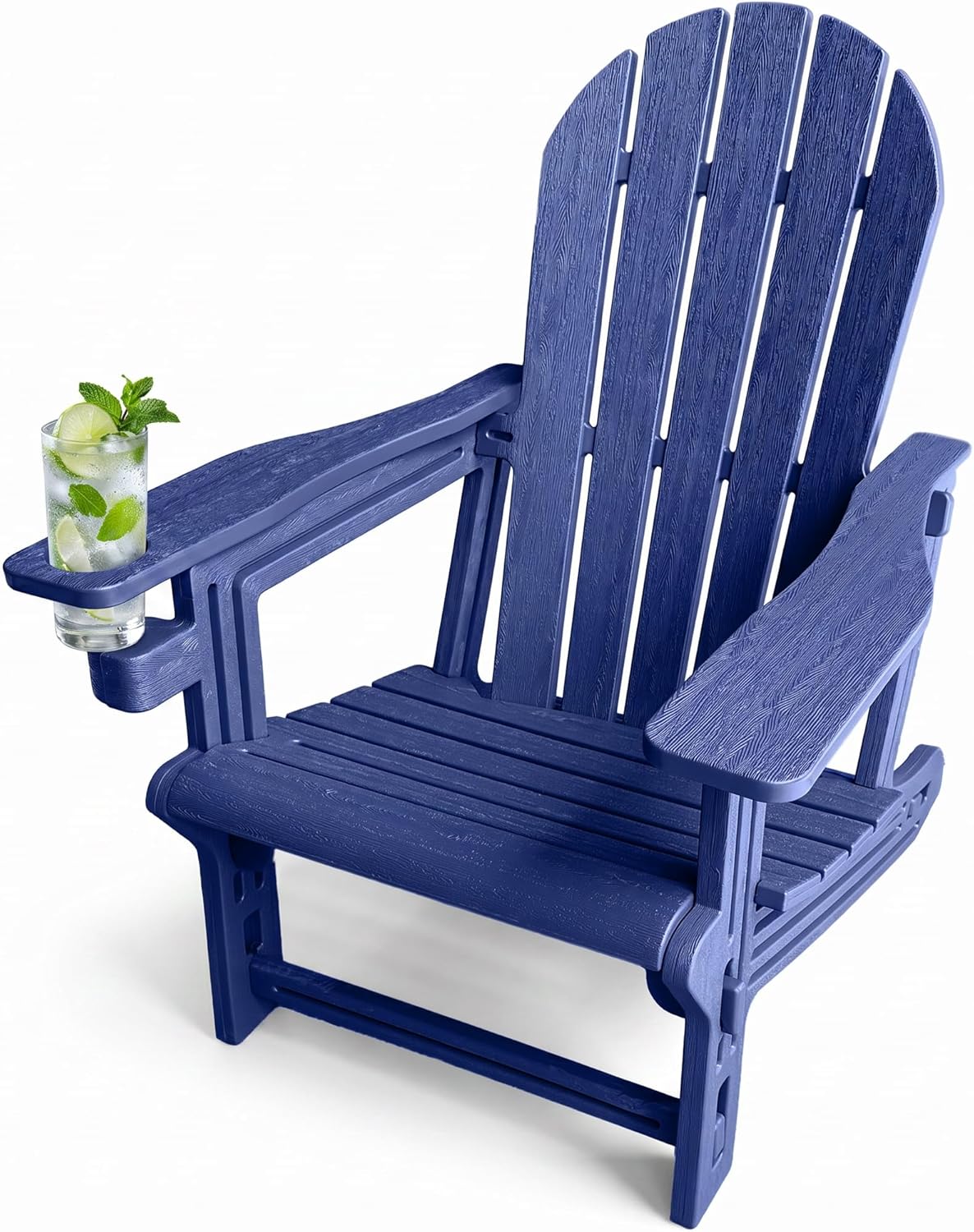
All-Weather HDPE Plastic Adirondack Chair with Cup Holder – Navy Blue
$70 $139.99
50% OFF

7-Color LED Red Light Therapy Mask for Face and Anti-Aging
$29.99 $59.99
49% OFF
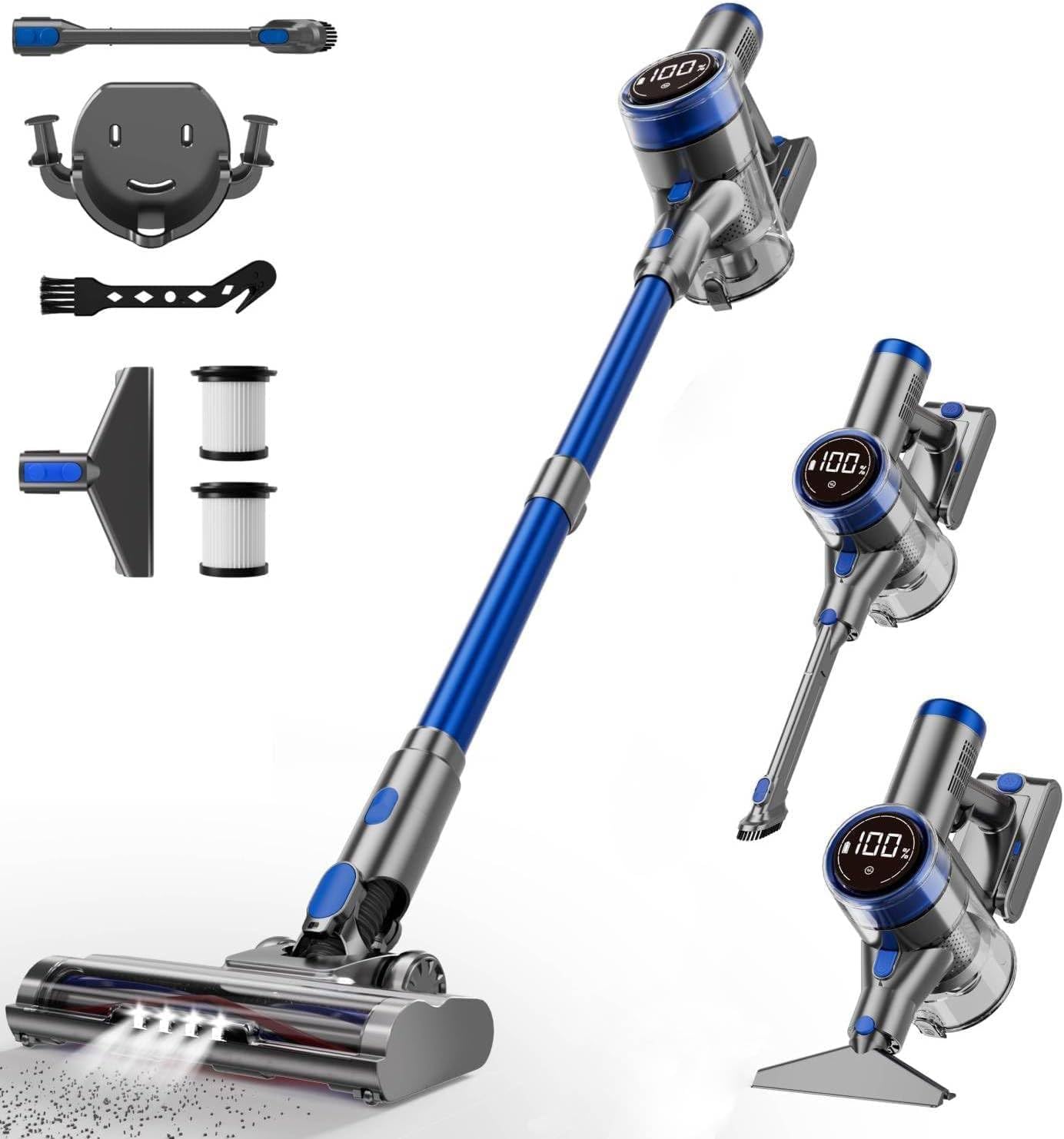
Cordless Vacuum Cleaner - 480W/45Kpa Powerful Stick Vacuum with LED Smart Touch Screen
$55.99 $109.99
20% OFF

Hypoallergenic Pet Wipes for Dogs & Cats - 400 Count Extra Large Coconut Scented Grooming Wipes
$24.79 $30.99
49% OFF
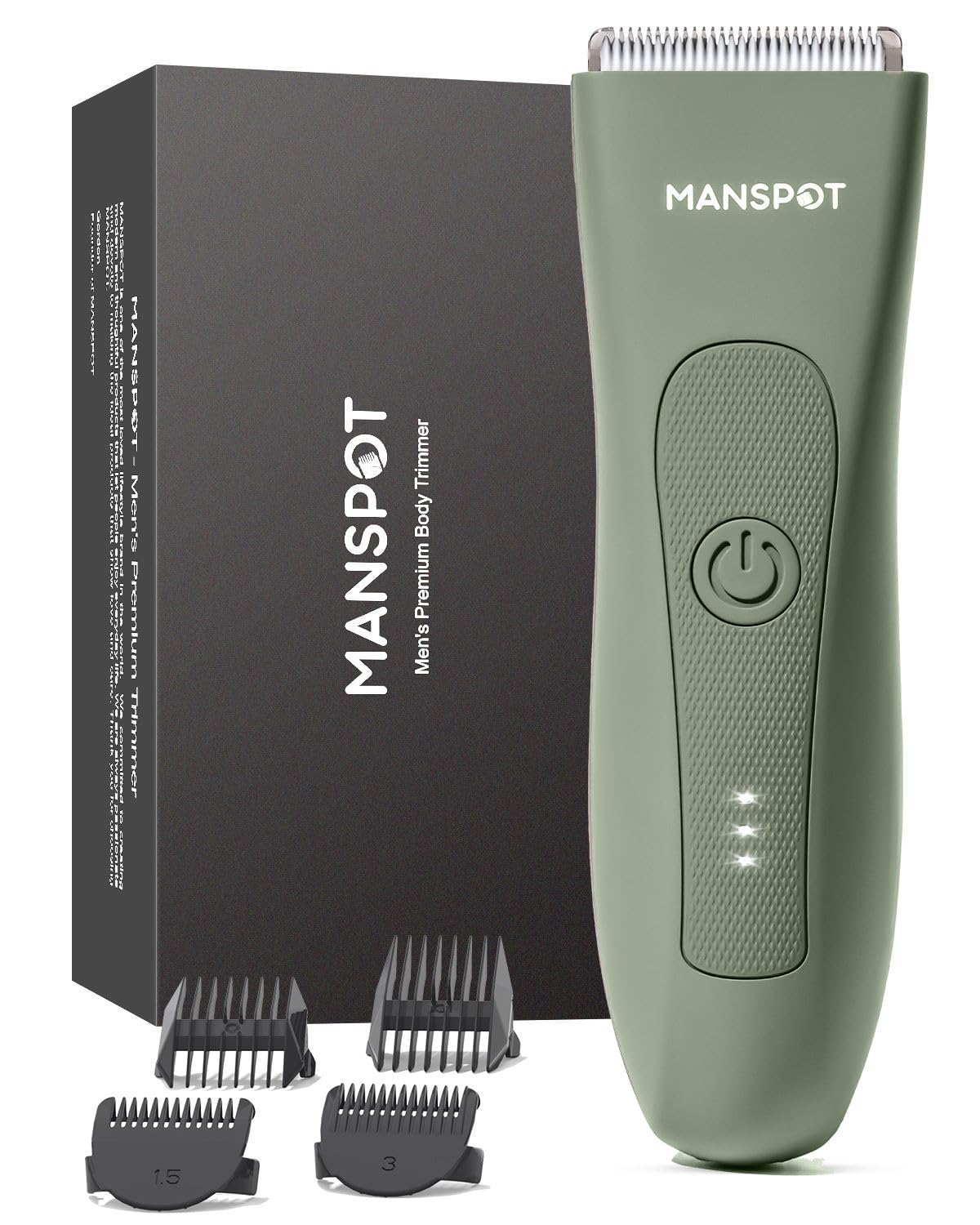
MANSPOT Electric Pubic Hair Trimmer - Waterproof Body and Groin Shaver for Men and Women (Black)
$20.39 $40
25% OFF
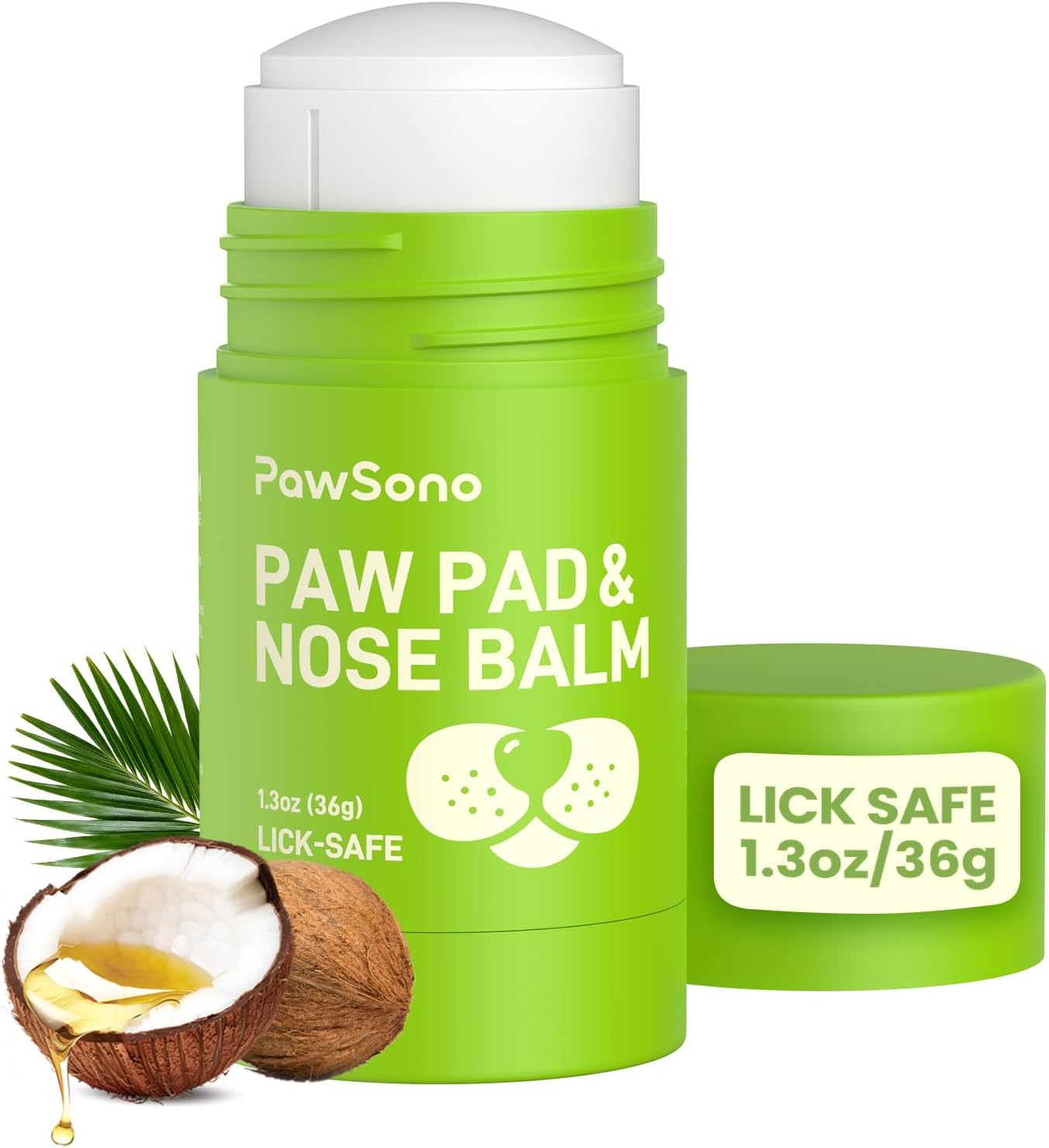
Lick-Safe Dog Paw and Nose Balm Stick - All-Natural Moisturizer with Coconut Oil for Dry, Cracked Pads and Snout
$11.69 $15.59
77% OFF
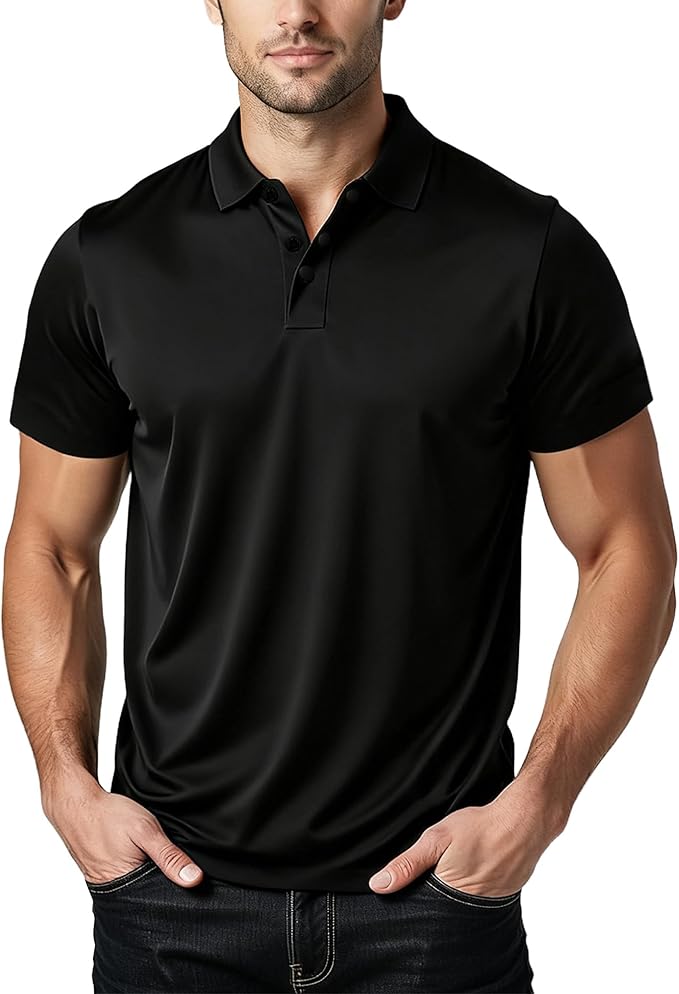
Men's Quick Dry Moisture Wicking Polo Shirt - High Elasticity Slim Fit Athletic Top (Runs Small)
$6.99 $29.99
46% OFF
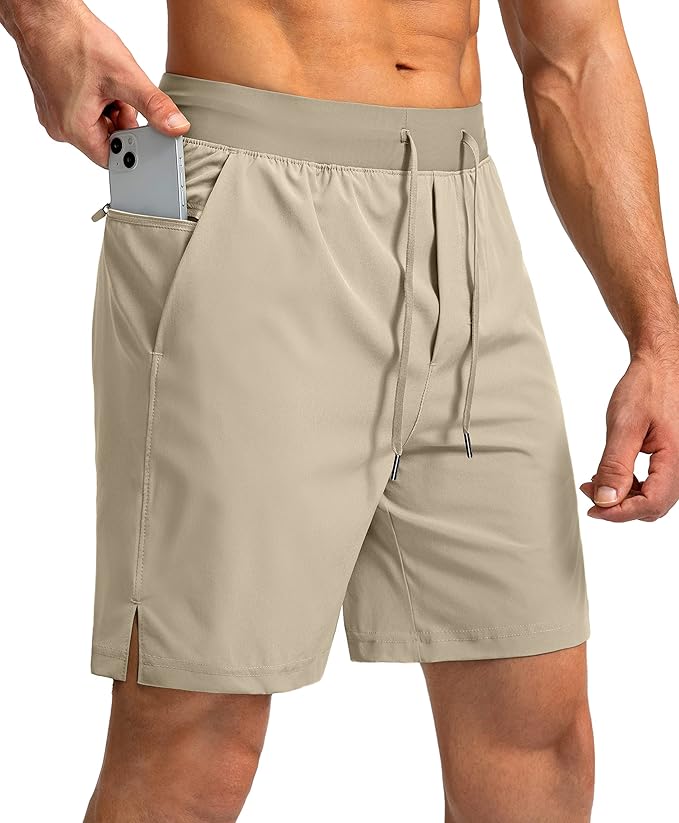
Men's Running Shorts with Zipper Pockets - Lightweight, Quick-Dry, Multi-Sport
$12.95 $23.99
50% OFF
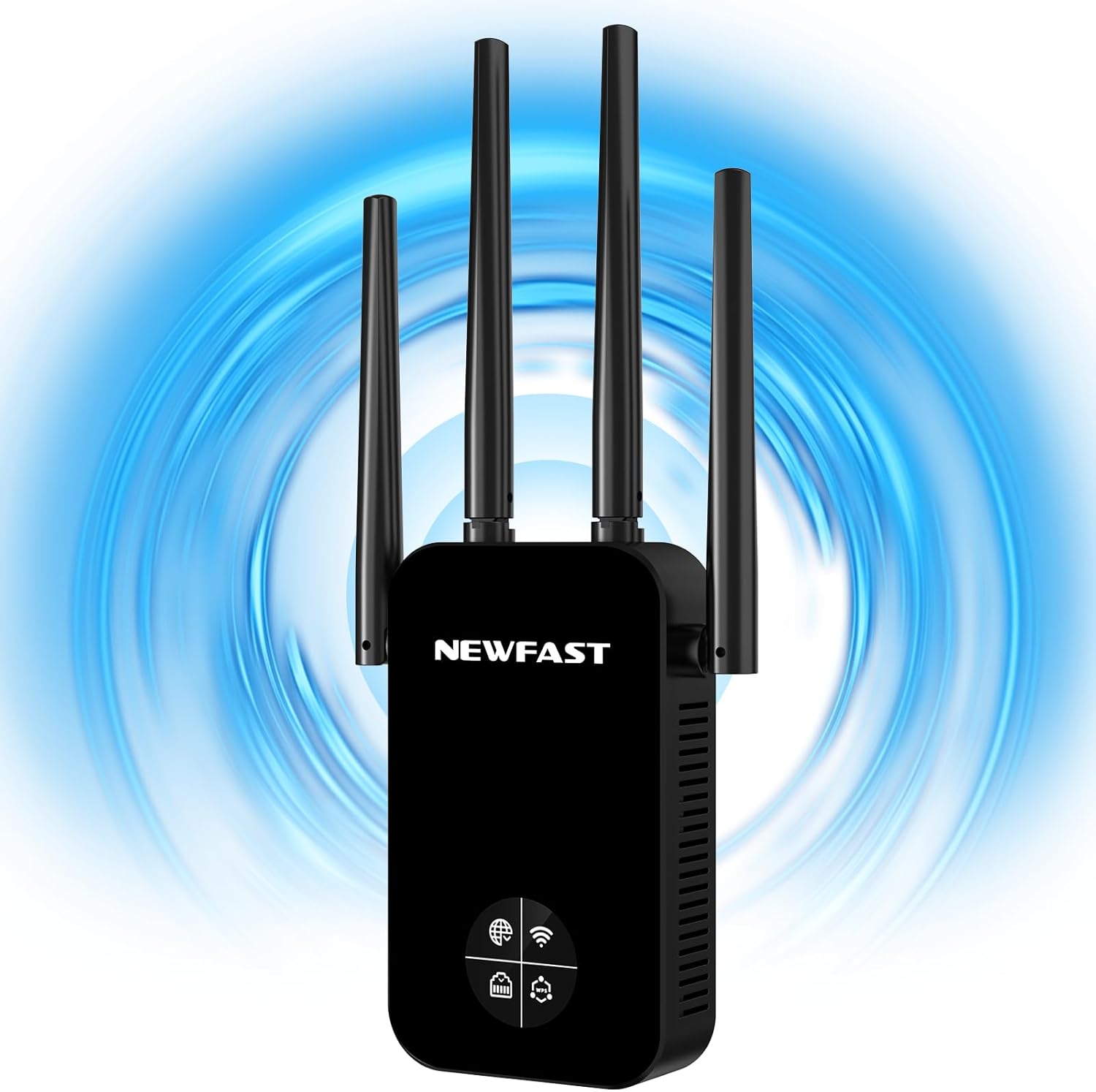
NEWFAST NF-RE523 AC1200 WiFi Extender - 1200Mbps Dual Band Signal Booster & Internet Repeater
$18.5 $36.99
48% OFF
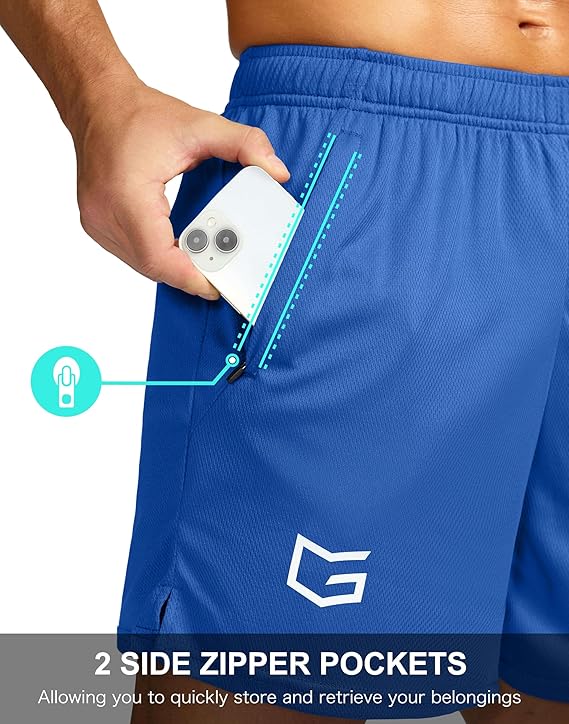
G Gradual Men's 7-inch Workout Running Shorts - Lightweight, Quick-Dry, Comfort
$12.91 $24.99
30% OFF
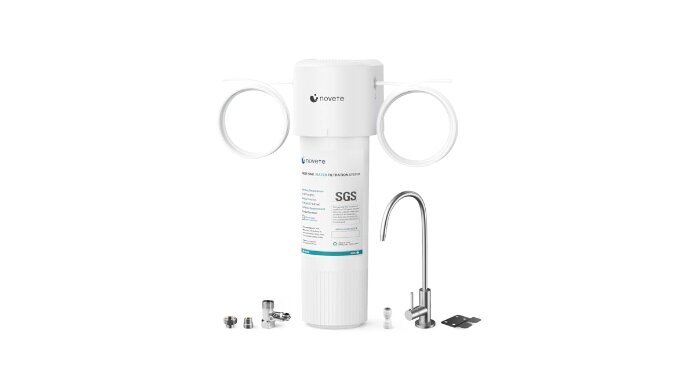
NOVETE Under Sink Water Filter - 3 Years, 30,000 Gallons, High-Efficiency Filtration
$41.99 $59.99
50% OFF

HDPE All-Weather Adirondack Chair with Built-In Cup Holder - Tool-Free Assembly (Grey)
$69.99 $139.99
60% OFF

HOMETUK Clear Plastic Storage Bins with Dividers - 3-Pack Stackable Acrylic Organizer Containers for Fridge and Pantry
$19.99 $49.99
58% OFF

G Gradual Men's Fishing Shirt - UPF 50+ Lightweight Short Sleeve Button Down with Zipper Pockets
$14.99 $35.99
55% OFF

Everyfun 60" Rectangular Platform Tree Swing - 700lbs Heavy Duty Adjustable Outdoor Swing (Colorful)
$49.99 $110.99
61% OFF

Ekouaer Women's Casual Loose Jumpsuit - One-Piece Printed Sleeveless Wide Leg Romper with Pockets
$14.99 $37.99
36% OFF

Men's Athletic Running Shorts with Zipper Pockets - Lightweight & Quick Dry
$12.74 $19.99
61% OFF

Modern Ceiling Fan with Light and Remote - Reversible Quiet DC Motor
$69.3 $179.99
50% OFF

MOOKA H13 True HEPA Air Purifier for Home Large Room - 1076 sq ft Odor Eliminator
$39.97 $79.95
40% OFF
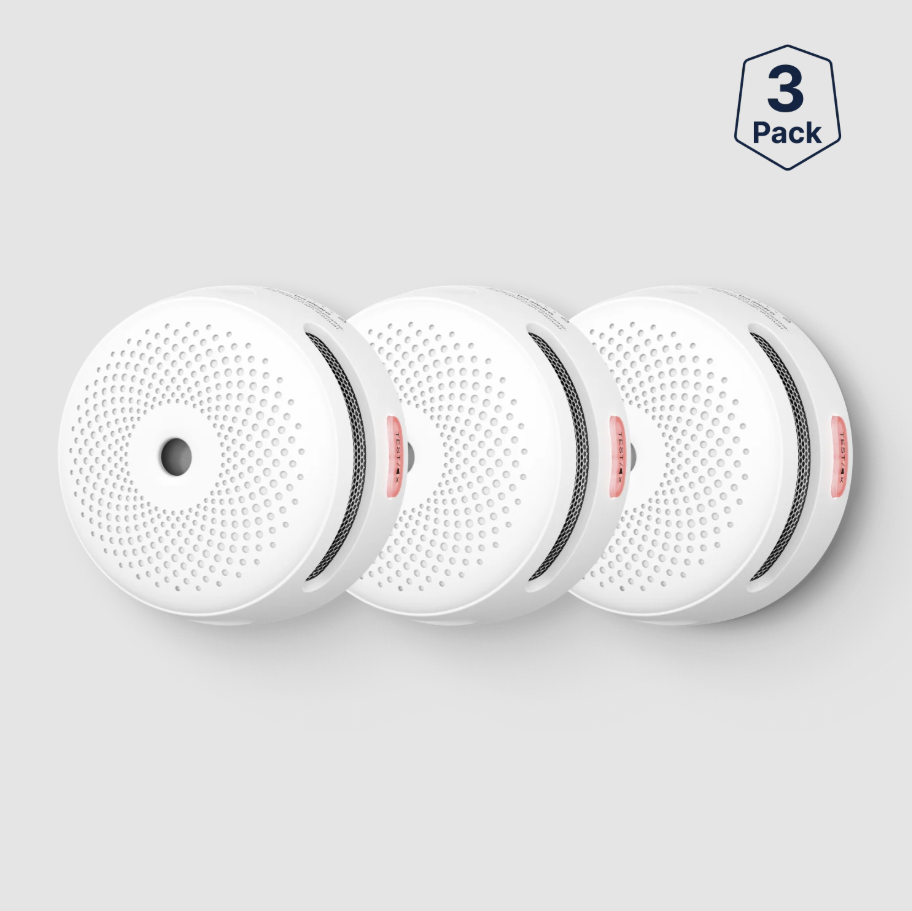
X-Sense XS01-WX Smart Smoke Alarm - 2.4 GHz Wi-Fi Photoelectric Fire Detector with Mobile App Alerts
$65.99 $109.99
-

Life beyond burnout: how Christians can grow in the desert seasons
-

New attempt to revive assisted suicide bill faces opposition
-

A Christian reflection on men’s health week: Jesus - the man we were created to be
-

Anti-Christian hate crimes across Europe surge in May as arson attacks reach 2026 high
News
-

Anti-Christian hate crimes across Europe surge in May as arson attacks reach 2026 high
-
Belfast churches 'heartbroken' over unrest
-

South Wales Police back down on imposing Islamic 'blasphemy law'
-
Churches must disciple well and listen well in response to rise of Christian nationalism
-

Welsh reverend speaks of culture of fear over LGBT issues
-

Making cohabitation equal with marriage is 'unfair', Christians argue
Most Popular
related articles
International North Korea Human Rights Summit Opens in Seoul
International North Korea Human Rights Summit Opens in Seoul
Seoul Summit Concludes with Declaration on North Korean Human Rights
Seoul Summit Concludes with Declaration on North Korean Human Rights
Candlelight Prayer Vigil Calls for North Korean Human Rights, Religious Freedom
Candlelight Prayer Vigil Calls for North Korean Human Rights, Religious Freedom
International Prayer Week for North Korea Ends; Efforts Continue
International Prayer Week for North Korea Ends; Efforts Continue
News
African Christian leaders demand justice after Mozambican bishop shot dead
Christian leaders across Africa have called for a full investigation into the killing of a Mozambican bishop who was shot dead at his residence.
Lebanese Christians on the brink as peace deal agreed
The Christian population of the Middle East has drastically declined due to ongoing conflict.

A Christian reflection on men’s health week: Jesus - the man we were created to be
As Men’s Health Week reminds us of the challenges many men face, perhaps there is no better time to look again at Jesus Christ. In Him we find not only a model for manhood, but the way to life itself.
Kyiv’s Dormition Cathedral badly damaged in major Russian strikes on Ukrainian capital
Kyiv’s historic Dormition Cathedral, part of the UNESCO-listed Pechersk Lavra monastery complex, caught fire overnight after a wave of Russian missile and drone strikes on the Ukrainian capital.
All-Weather HDPE Plastic Adirondack Chair with Cup Holder – Navy Blue
$70
7-Color LED Red Light Therapy Mask for Face and Anti-Aging
$29.99
Cordless Vacuum Cleaner - 480W/45Kpa Powerful Stick Vacuum with LED Smart Touch Screen
$55.99
Hypoallergenic Pet Wipes for Dogs & Cats - 400 Count Extra Large Coconut Scented Grooming Wipes
$24.79
MANSPOT Electric Pubic Hair Trimmer - Waterproof Body and Groin Shaver for Men and Women (Black)
$20.39
Lick-Safe Dog Paw and Nose Balm Stick - All-Natural Moisturizer with Coconut Oil for Dry, Cracked Pads and Snout
$11.69
Men's Quick Dry Moisture Wicking Polo Shirt - High Elasticity Slim Fit Athletic Top (Runs Small)
$6.99
Men's Running Shorts with Zipper Pockets - Lightweight, Quick-Dry, Multi-Sport
$12.95
NEWFAST NF-RE523 AC1200 WiFi Extender - 1200Mbps Dual Band Signal Booster & Internet Repeater
$18.5
G Gradual Men's 7-inch Workout Running Shorts - Lightweight, Quick-Dry, Comfort
$12.91
NOVETE Under Sink Water Filter - 3 Years, 30,000 Gallons, High-Efficiency Filtration
$41.99
HDPE All-Weather Adirondack Chair with Built-In Cup Holder - Tool-Free Assembly (Grey)
$69.99
HOMETUK Clear Plastic Storage Bins with Dividers - 3-Pack Stackable Acrylic Organizer Containers for Fridge and Pantry
$19.99
G Gradual Men's Fishing Shirt - UPF 50+ Lightweight Short Sleeve Button Down with Zipper Pockets
$14.99
Everyfun 60" Rectangular Platform Tree Swing - 700lbs Heavy Duty Adjustable Outdoor Swing (Colorful)
$49.99
Ekouaer Women's Casual Loose Jumpsuit - One-Piece Printed Sleeveless Wide Leg Romper with Pockets
$14.99
Men's Athletic Running Shorts with Zipper Pockets - Lightweight & Quick Dry
$12.74
Modern Ceiling Fan with Light and Remote - Reversible Quiet DC Motor
$69.3
MOOKA H13 True HEPA Air Purifier for Home Large Room - 1076 sq ft Odor Eliminator
$39.97
X-Sense XS01-WX Smart Smoke Alarm - 2.4 GHz Wi-Fi Photoelectric Fire Detector with Mobile App Alerts
$65.99