
LONDON (Reuters) - Pauline Campbell last saw her 18-year-old daughter Sarah as she was led from Mold Crown Court on a Friday morning to start a three-year jail sentence for manslaughter.
By the Saturday evening Sarah was dead, killed by a self-administered overdose of prescription antidepressants, despite telling prison warders what she had done.
The shock of her only daughter's death in January 2003 almost killed Campbell, a 59-year-old former lecturer. But it also galvanised her into becoming one of the country's most tireless campaigners for the rights of women in prison.
"I go bananas every time someone refers to Sarah's death as suicide -- it's letting the Home Office off the hook. Sarah's death was effectively death by neglect," Campbell told Reuters in an interview.
Arrested 14 times for demonstrations outside women's jails where women have died, she eventually forced the Home Office last year into accepting responsibility for her daughter's death, but has yet to receive an apology.
"I was told on the phone that Sarah was dead, four hours after she had died -- she was in the morgue by then -- at which point I collapsed on the kitchen floor and went into cardiac arrhythmia. I think I came very close to a heart attack."
Campbell's relentless campaigning helped prompt the government to commission a review of female custody which in March recommended the closure of all 14 women's jails in England and Wales.
Its author, Labour peer Baroness Corston, said many women prisoners were on remand or jailed for minor non-violent offences and should not be locked up. Community sentences should be the normal punishment.
Only the most serious and violent female offenders who posed a threat to the public would be kept behind bars, in a network of small secure centres scattered around the country.
The recommendations are still sitting on the desk of Justice Secretary Jack Straw -- who has taken over responsibility for prisons from the Home Office -- while he considers his response to the radical advice.
An original promise to respond by autumn has slipped but last week Straw told a meeting of the Howard League for Penal Reform that he would reply "very shortly".
Earlier this month, Prisons Minister David Hanson told a meeting of crime reduction charity Nacro that he would be making a "positive response" to Corston's proposals, adding that the government would publish detailed plans by the end of the year.
The number of women held in custody across England and Wales has more than doubled to 4,500 in the last 10 years although fewer than one in five are held for offences of violence.
Unlike troubled men, who often react by attacking others, women in prison attack themselves.
Women commit 55 percent of all recorded self-harm in prison, even though they make up only 6 percent of the jail population.
Sarah Campbell was the third and youngest of six self-inflicted deaths at Styal women's prison in Cheshire between August 2002 and August 2003.
"They had a dead woman on average once every eight weeks for 12 months," Campbell said.
Sarah died three days before her 19th birthday. Sentenced to three years for manslaughter and with a history of self-harm, she was terrified she would be attacked by other inmates for "grassing up" her female accomplice.
A heroin addict at 16, she had been found guilty after the elderly man she and another woman harassed for money died of a heart attack.
Put in a segregated cell for her own protection, Sarah, who had been off heroin for eight months, took an overdose of prescription antidepressants and died hours later in a Manchester hospital.
"The death was not a suicide," said Campbell. "It was quite clear that my daughter did not intend to die. It was a cry for help."
Her inquest found that avoidable delays and a failure in the prison's duty of care contributed to her death.
"Everything they could have got wrong, they got wrong," Campbell said.
"It was a Saturday afternoon and Sarah, despite being on suicide watch in the segregation punishment block, somehow managed to ingest a quantity of tablets.
"But then she told prison staff what she had done. And the prison staff, including a nurse -- it's hard to believe -- walked out of the cell and locked the door, leaving Sarah unattended.
"Then there was an argument between a prison officer and a nurse about whose job it was to call an ambulance. Somebody else went off to look for some handcuffs.
"When the ambulance arrived at the prison gates it was held up for eight minutes before they let it through.
"By the time paramedics got to Sarah she was unconscious. She was taken to Wythenshawe Hospital, where doctors from three specialties tried to save her life, but she died at 7:56 p.m."
Since her daughter's death Campbell has led 26 protests at prisons where women have died.
"The only way I can deal with my anger and grief is that I hold prison death demonstrations," she said.
"We should not be having women suffocating themselves, hanging themselves, poisoning themselves when in the so-called care of the state."
Last year just three women died from self-inflicted deaths in prison, down from 14 in 2003, but so far this year the total has risen to seven.
Last week Campbell was in action again, upbraiding Jack Straw at a meeting of the Howard League for Penal Reform, where she is now a trustee.
"Since my daughter's death four years ago we have had 39 dead women prisoners. For a so-called modern Labour government this is utterly disgraceful," she told him.
Straw, who acknowledged that his reply would be little comfort to Campbell, said he and everyone in the prison service was concerned about women's self-inflicted deaths.
He said the Ministry of Justice would work with the Howard League and other organisations on the problem.
"I don't pretend we have a monopoly of wisdom on what kind of conditions are most likely to ensure that the depression that people can feel almost inevitably when they go to prison is not translated into self-inflicted harm or death," he said.
Afterwards Campbell said she was overwhelmed and close to tears from the emotion of the encounter.
"I want an end to women dying in the so-called care of the state.
"It takes me a lot of energy to stay calm and focused and say what I want to say without blowing my top."
50% OFF
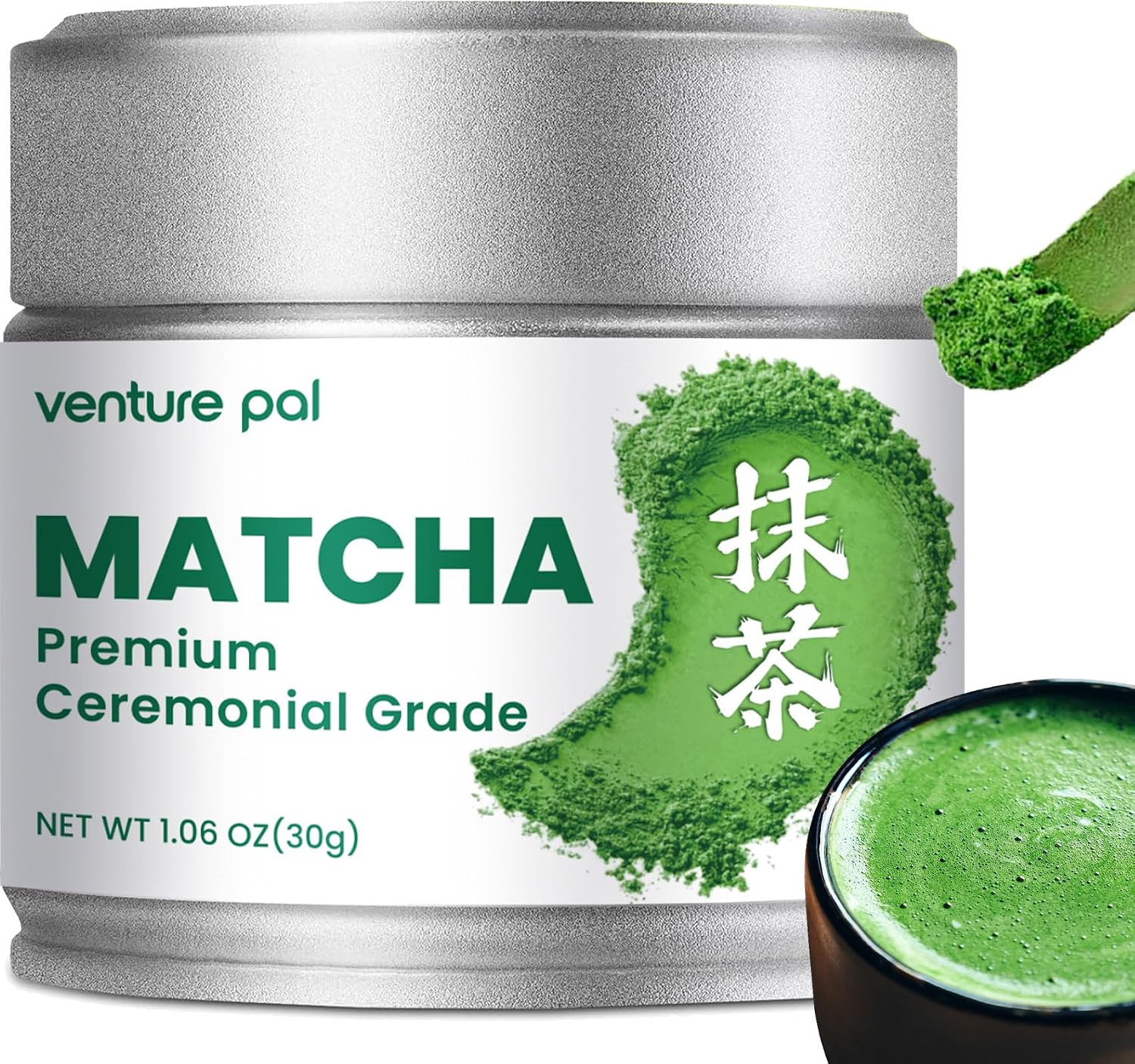
Venture Pal Ceremonial Grade Matcha Green Tea Powder – First Harvest, Shade Grown, 100% Pure with No Additives, Unsweetened, Vegan & Gluten-Free, 30g Tin
$7.5 $14.99
40% OFF
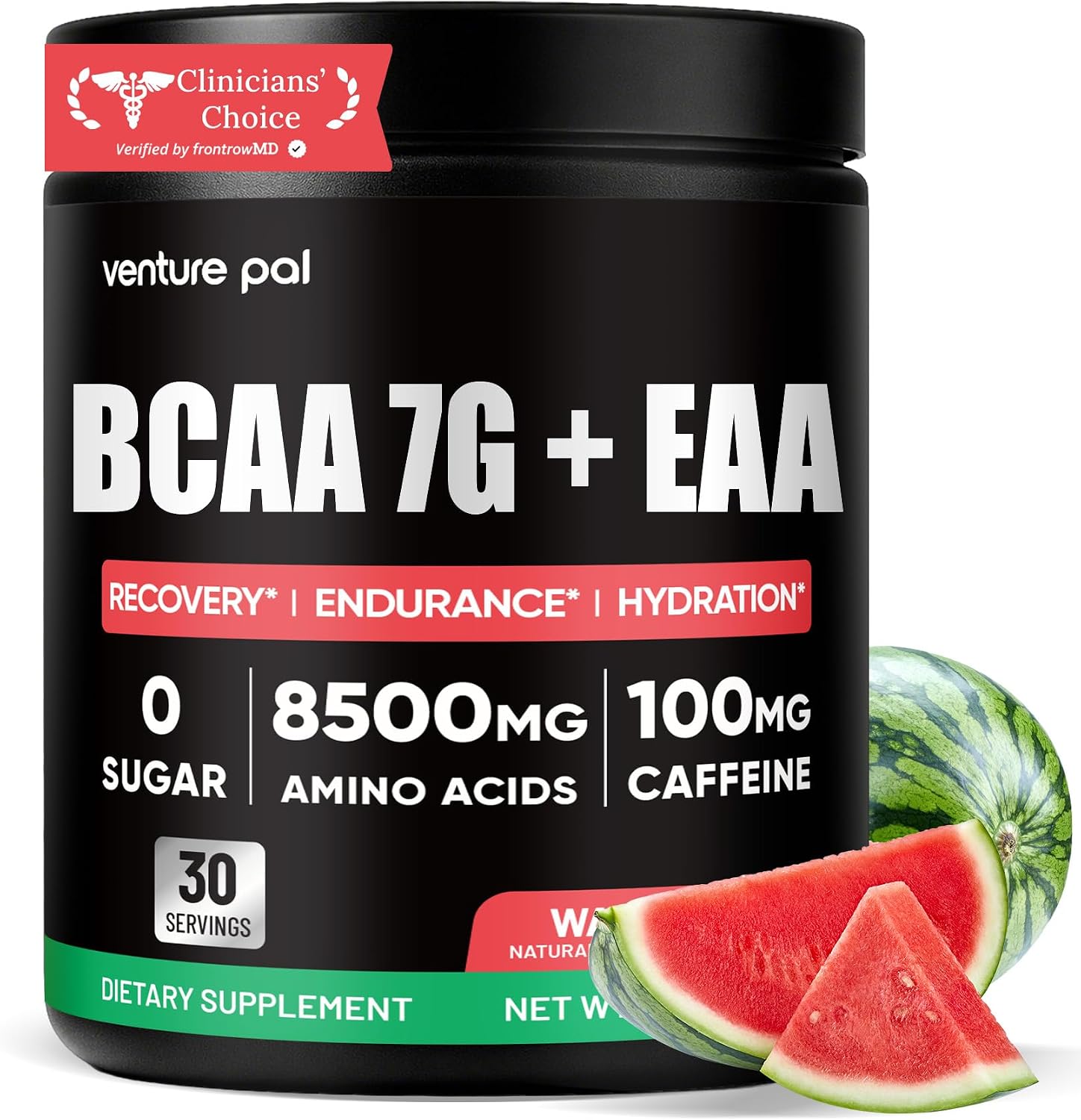
Venture Pal Sugar Free 7g BCAA + EAA Powder – 9 Essential Amino Acids with L-Glutamine, Caffeine, Electrolytes & Vitamins for Muscle Recovery, Growth & Hydration
$14.99 $24.99
30% OFF
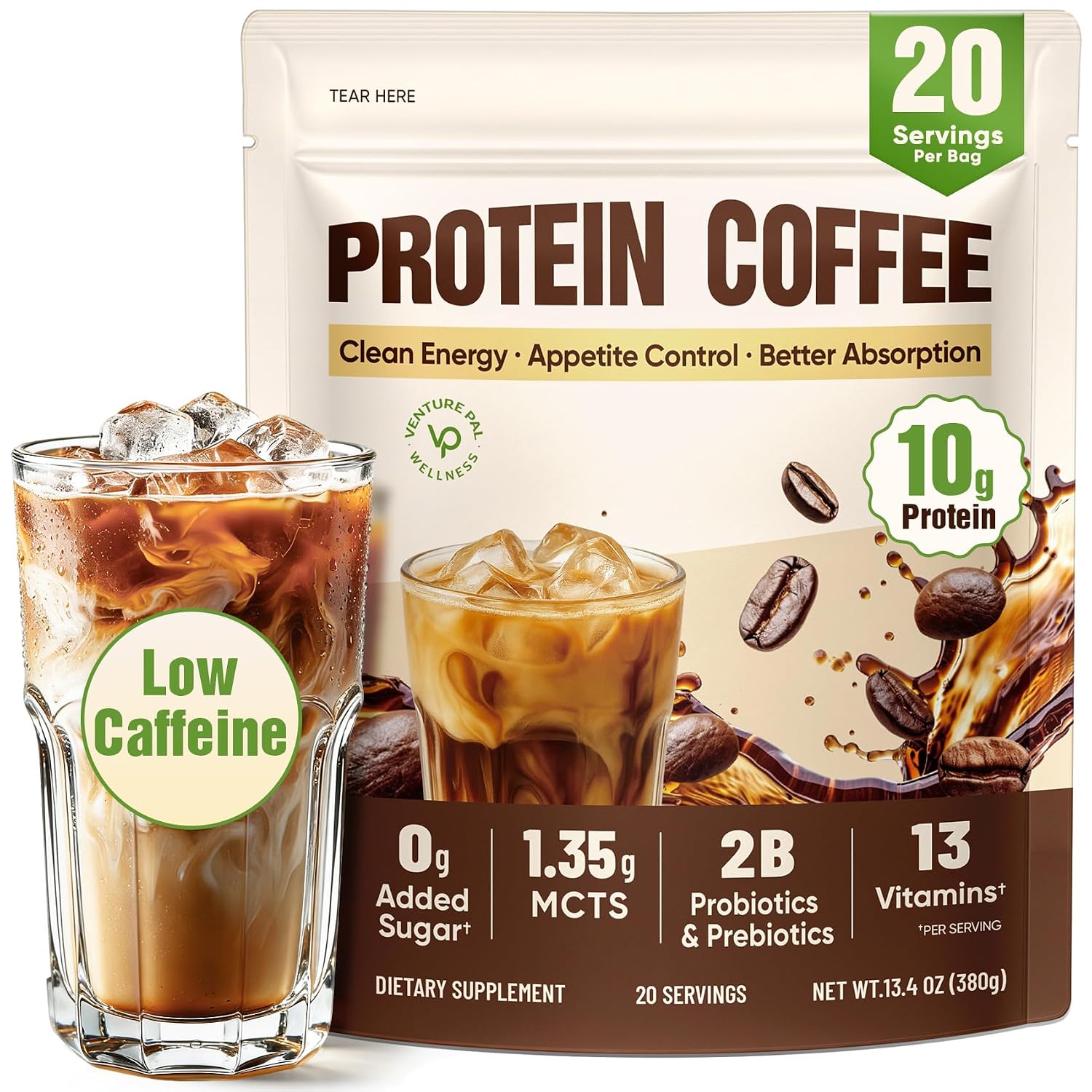
Venture Pal Sugar Free Protein Coffee – Cold Brew Mocha Instant Iced Coffee with MCT Oil, Probiotics, Fiber & 13 Vitamins, 70mg Caffeine, Keto & Gluten-Free, 20 Servings
$13.29 $18.99
20% OFF

Venture Pal Mushroom Hot Cocoa – Natural Sleep Aid with 12 Superfoods, Melatonin 3mg, Magnesium Glycinate, L-Theanine, Glycine, Lion's Mane, Reishi & Turkey Tail, Bedtime Cocoa Mix, 30 Servings
$23.99 $29.99
24% OFF
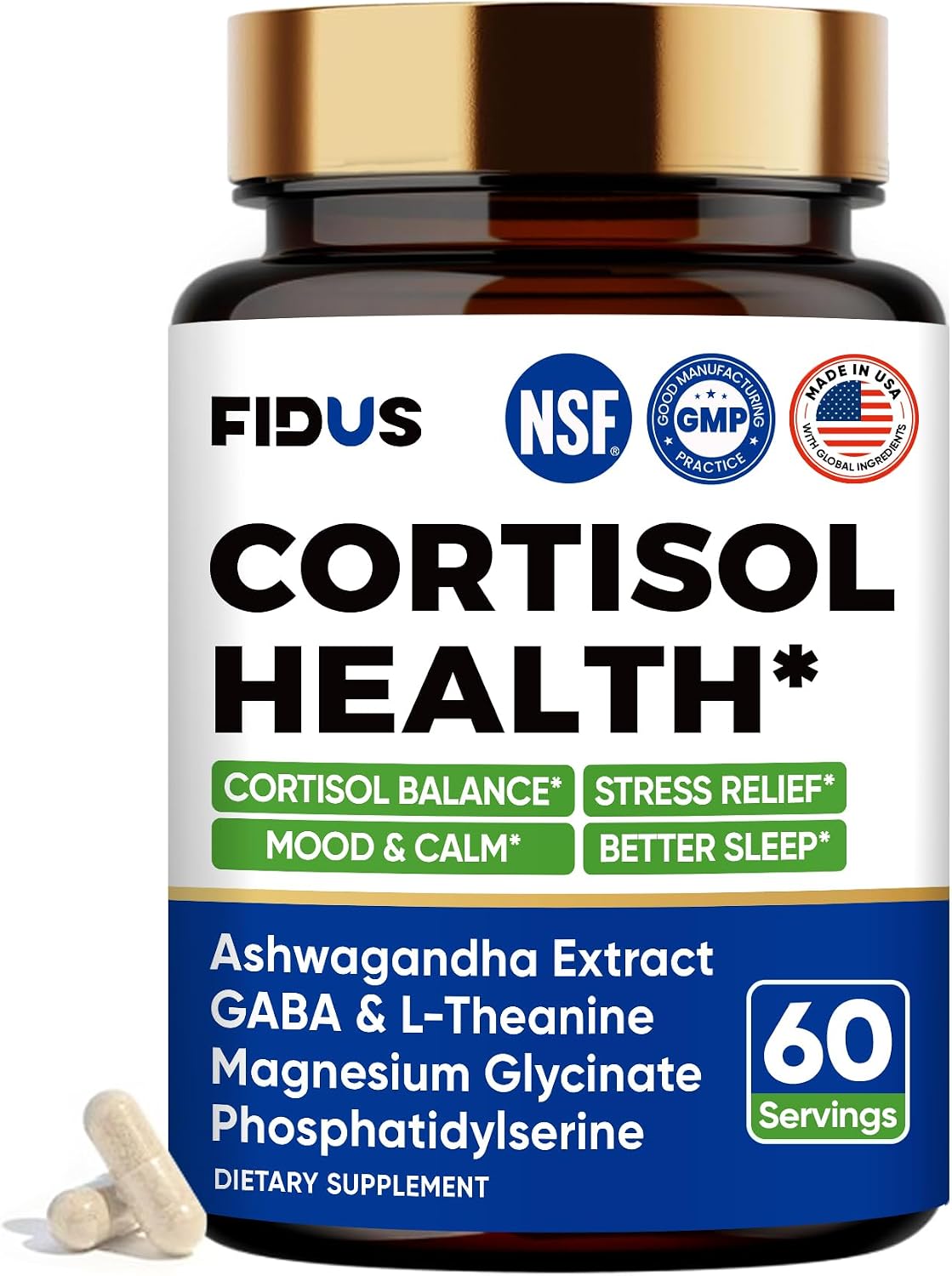
Cortisol Supplement for Women & Men with Ashwagandha & GABA – Magnesium, L-Theanine & Rhodiola, Stress Support for Sleep, Mood & Focus, 60-Day Supply, Made in USA
$15.29 $19.99
50% OFF
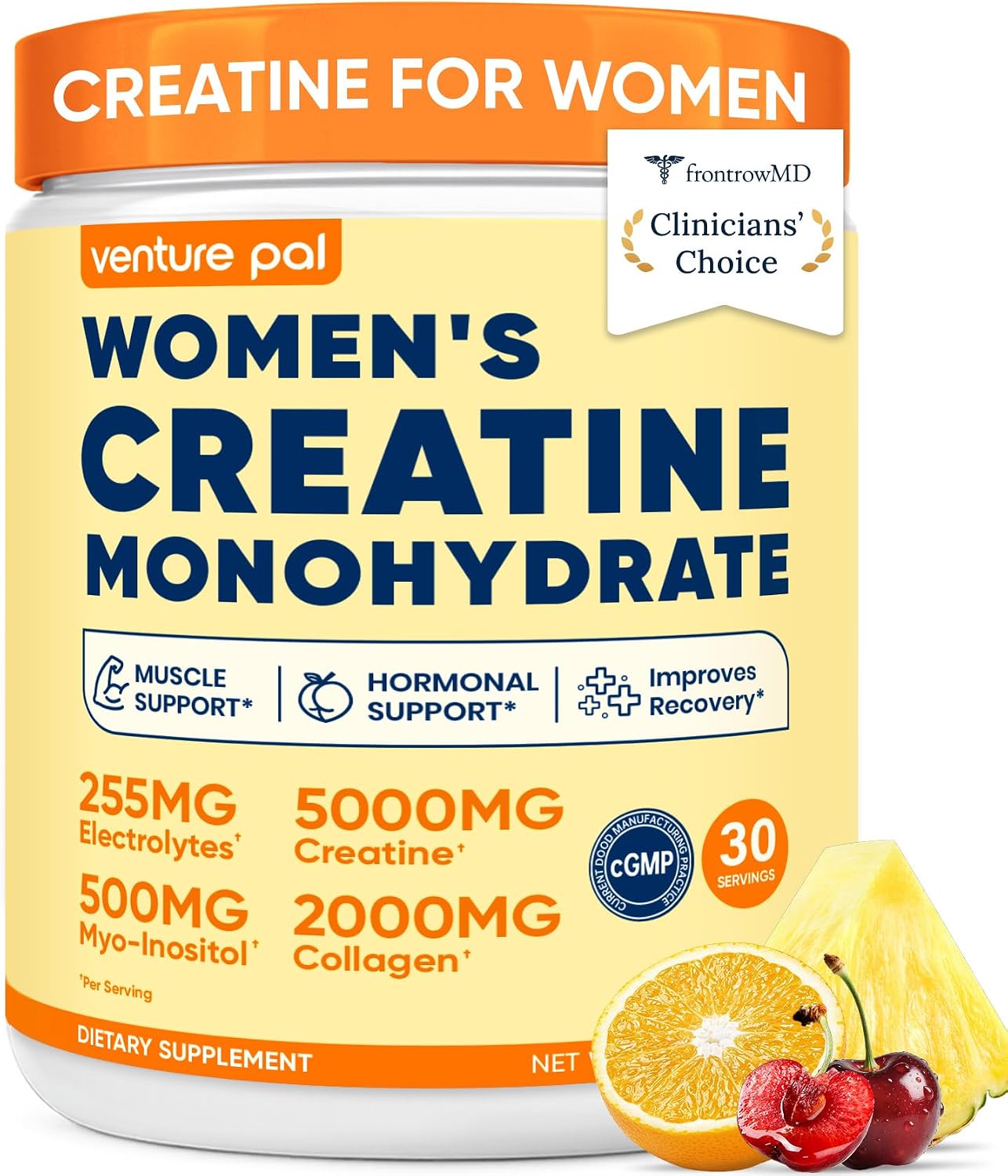
Venture Pal 18-in-1 Creatine for Women – Creatine Monohydrate with Collagen, Myo & D-Chiro Inositol, Electrolytes & Vitamins for Strength, Recovery & Skin Support, Sugar Free, 10.58 oz
$14.99 $29.99
32% OFF
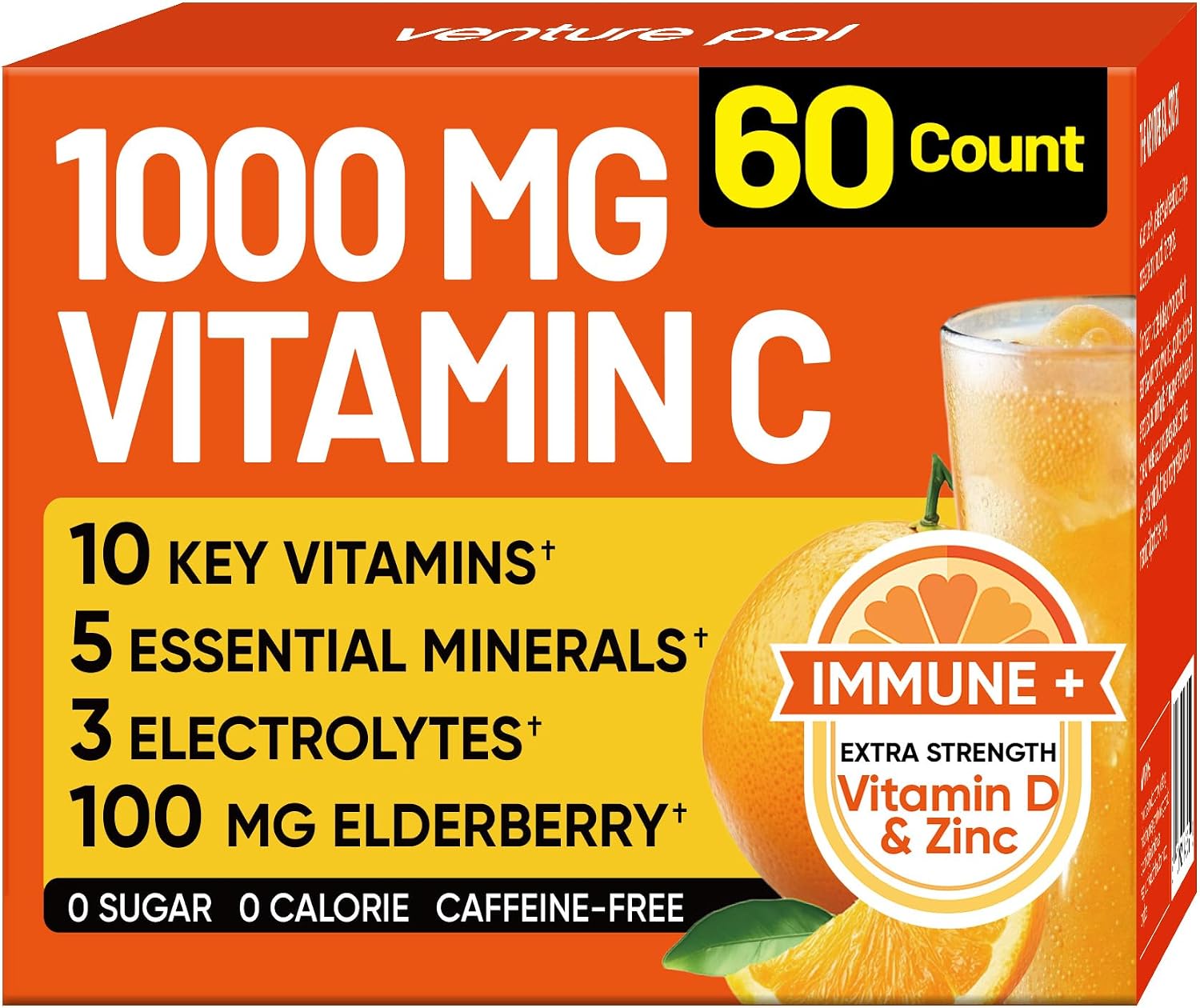
Venture Pal 1000mg Vitamin C Powder with Zinc & Elderberry – Sugar Free B Complex, 10 Vitamins, Minerals & Electrolytes, Daily Immune & Energy Support Packets, 60 Count
$13.59 $19.99
20% OFF
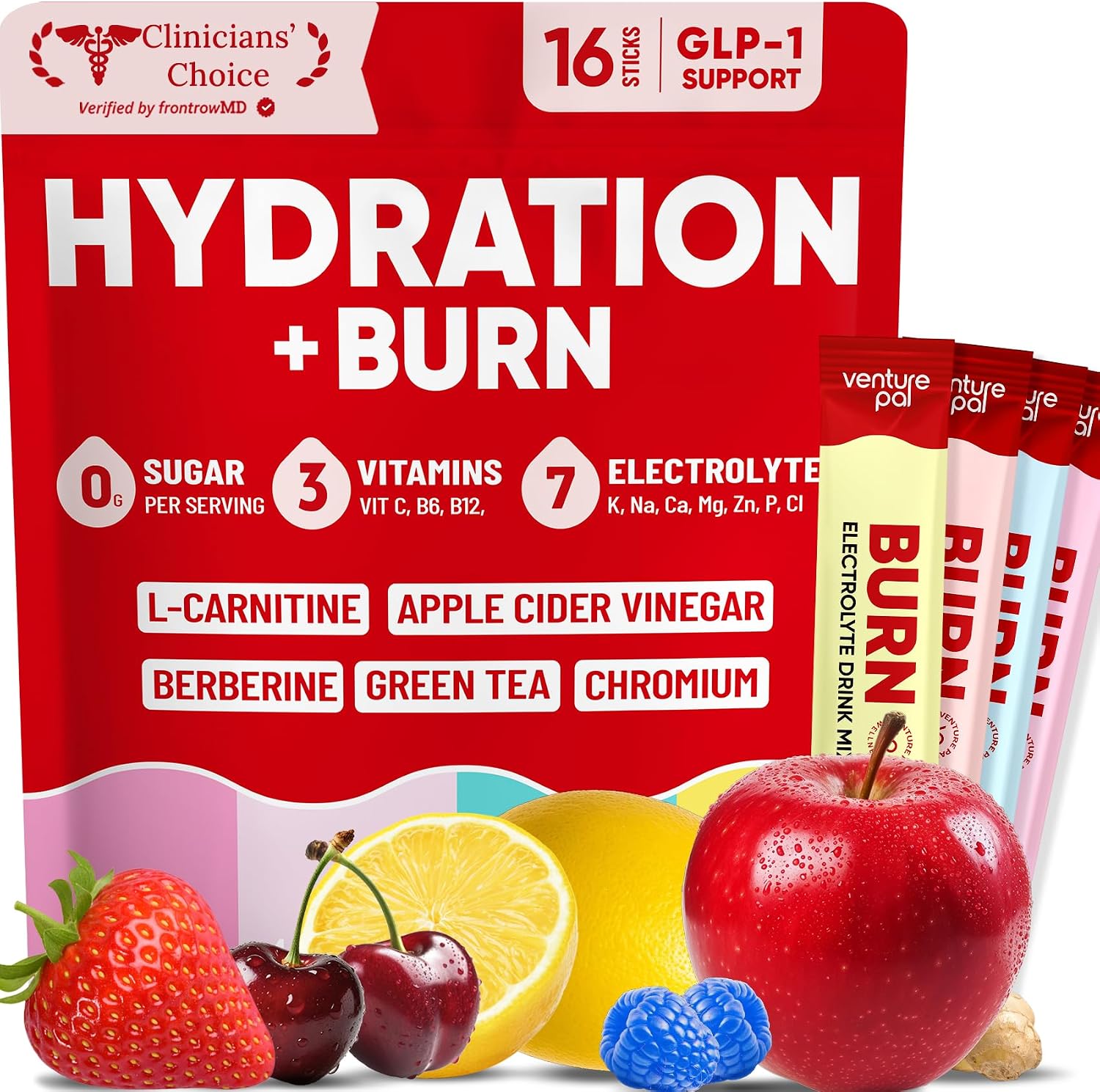
Venture Pal Burn Electrolyte Packets – Sugar Free Hydration with 7 Electrolytes, L-Carnitine, Berberine, ACV & Chromium, Metabolic & Satiety Support, Keto & Vegan, 16 Sticks
$15.99 $19.99
17% OFF
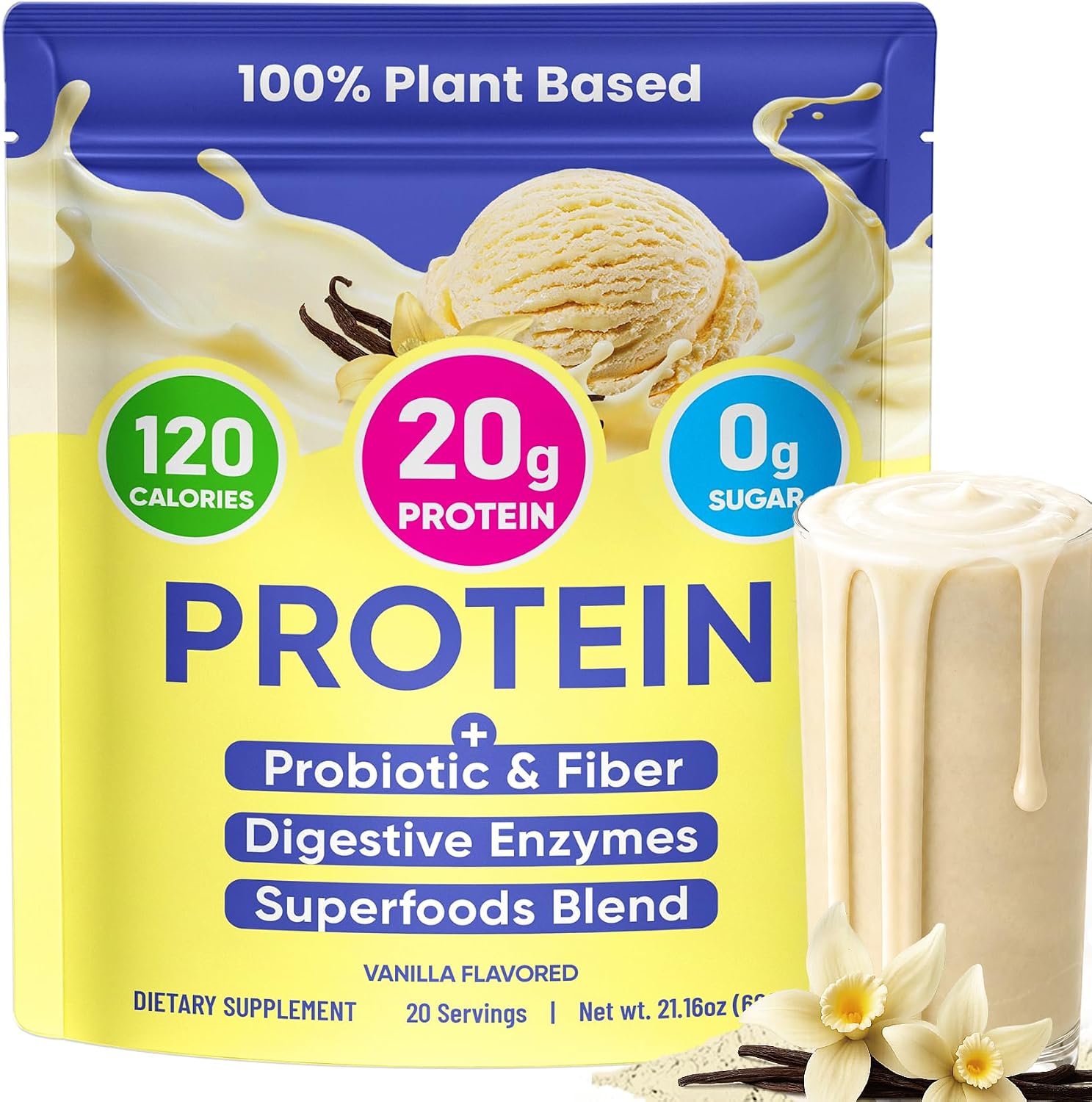
Venture Pal Vegan Protein Powder – 20g Plant Protein with 9B CFU Probiotics, Fiber, Digestive Enzymes & Superfoods, Vanilla, Low Sodium, Keto-Friendly, Gluten & Dairy Free, Non-GMO, 20 Servings
$21.59 $25.99
28% OFF
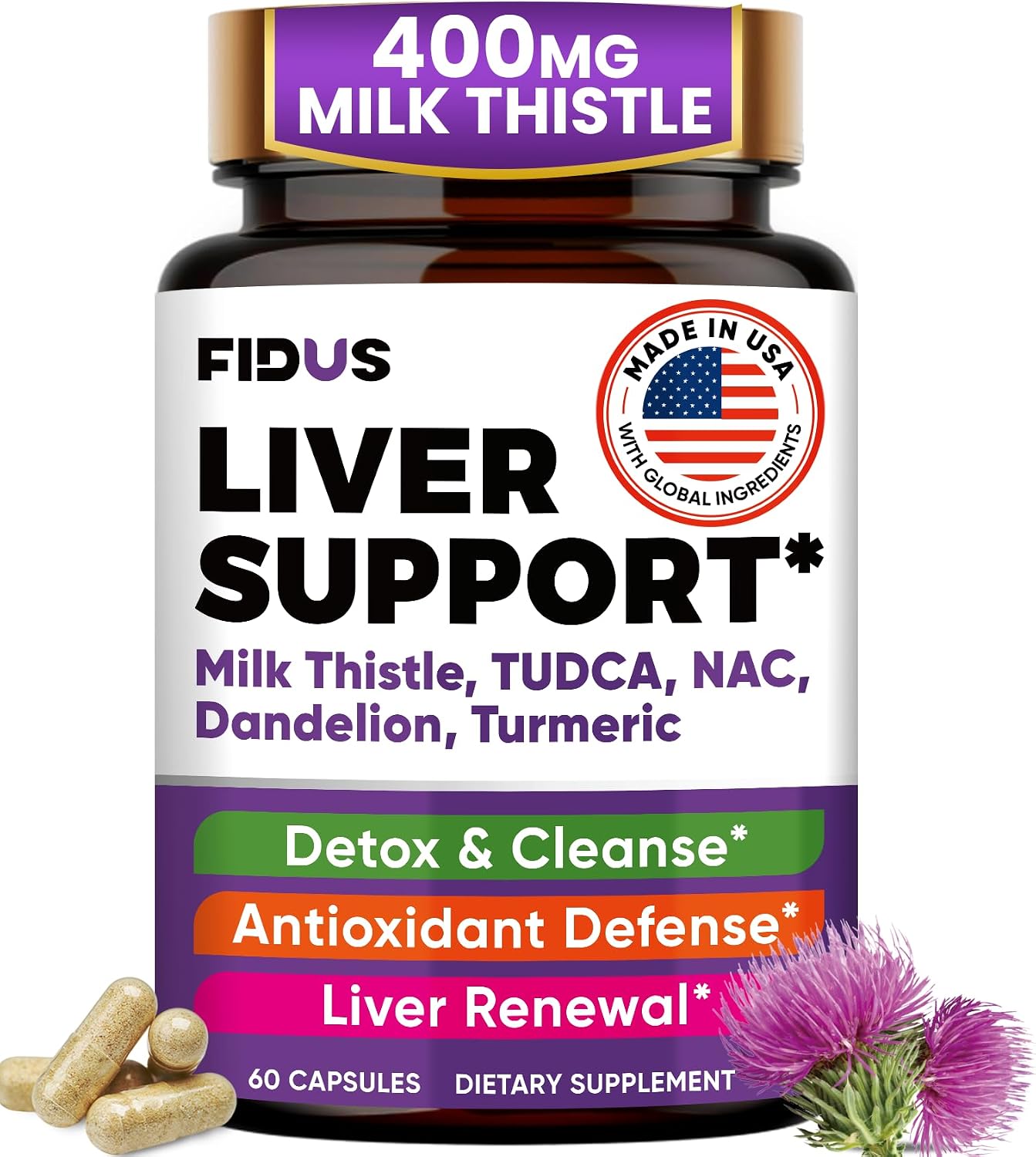
Fidus Liver Cleanse & Repair Supplement – 400mg Milk Thistle (80% Silymarin) with TUDCA, NAC, Turmeric, Artichoke & Dandelion – Liver Support & Digestive Health, 60 Capsules, Made in USA
$14.39 $19.99
50% OFF
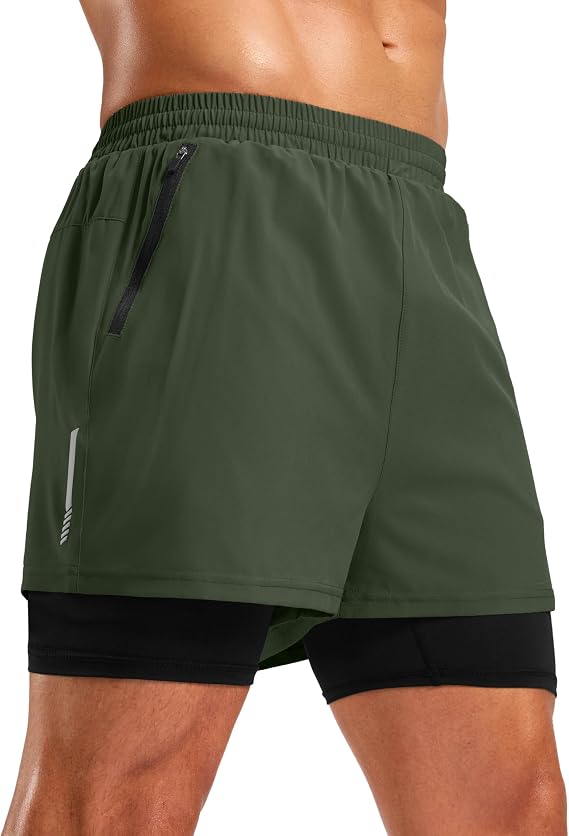
Pudolla Men's 7" Running Shorts with Zipper Pockets – Quick Dry 2-in-1 Workout Gym Shorts with Compression Liner for Tennis, Yoga & Training
$11.99 $23.99
27% OFF
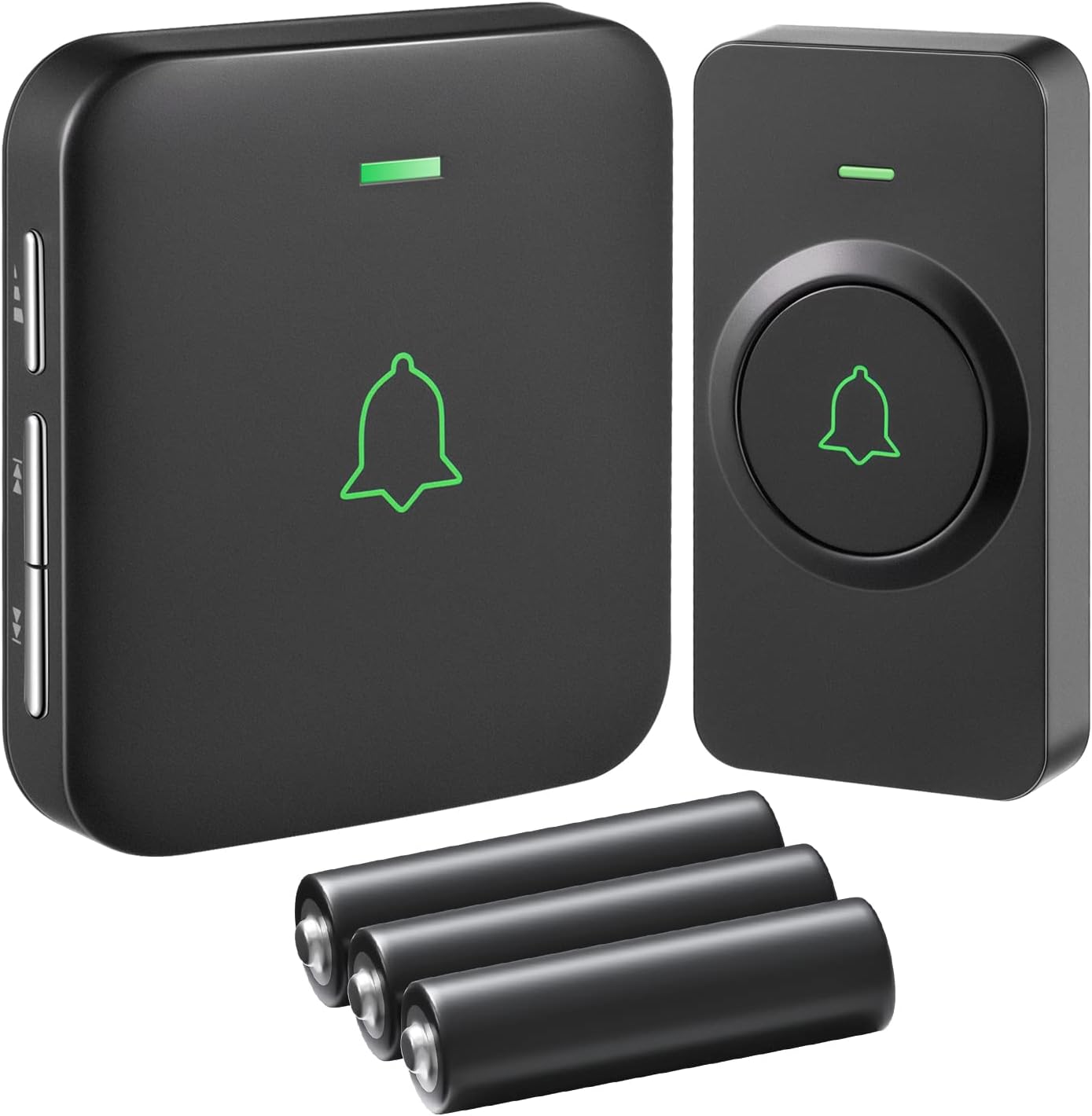
AVANTEK BA-11 Wireless Doorbell Kit (Battery-Powered Receiver, 1000 ft Range)
$13.83 $18.99
65% OFF
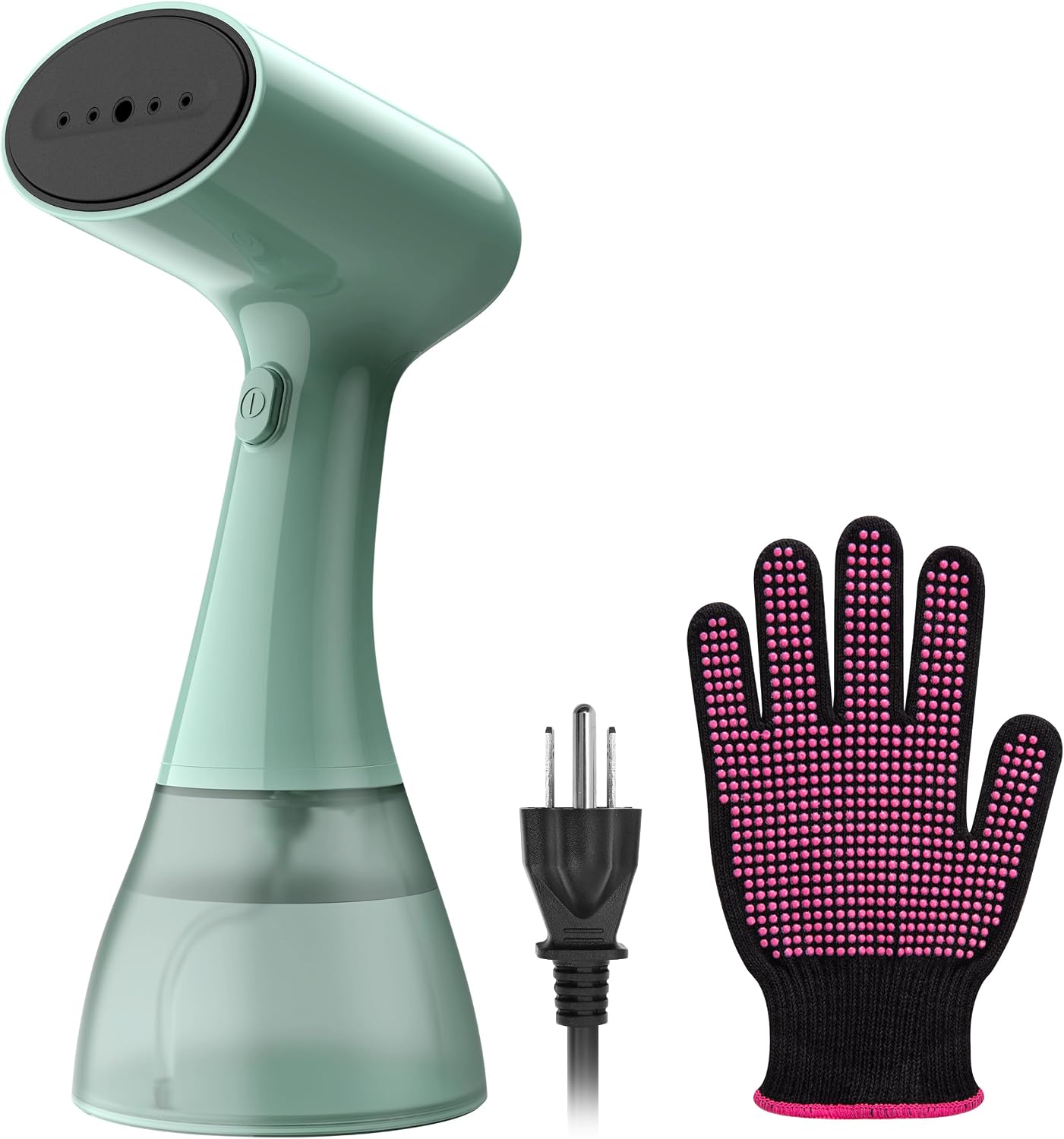
GS01 Handheld Clothes Steamer with 400ml Large Water Tank & 1500W Fast Heat Up
$13.29 $37.99
50% OFF

UBoter E10 Cordless Robotic Pool Vacuum with Dual-Layer Filtration and Auto Parking
$149.5 $299.99
68% OFF

OMOTON Magnetic Golf Cart Phone Mount with 5.6-Inch Extendable Arm and 1/4" Thread
$12.99 $39.99
50% OFF
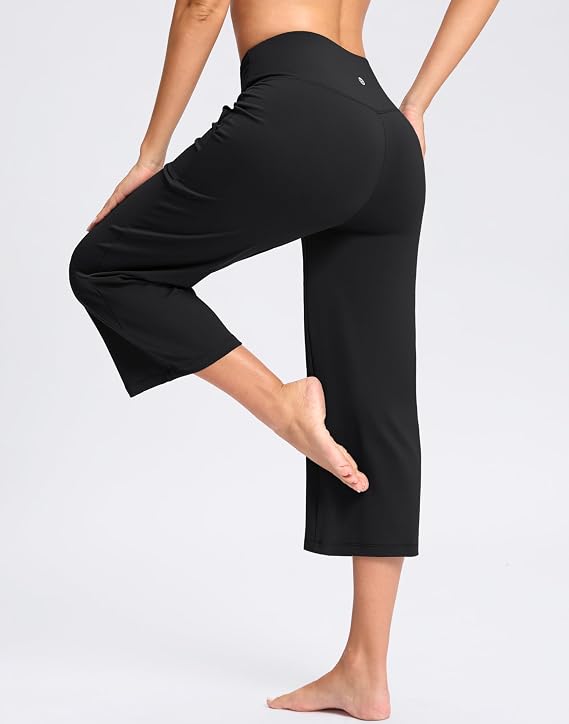
G Gradual Women's High Waisted Wide Leg Yoga Capri Pants with Pockets
$15 $29.99
50% OFF

JOYUSING Flip600S 4K Webcam for PC with Tripod - High-Def Clarity
$19.99 $39.99
50% OFF

Hawaiian Floral Summer Porch Goose Outfit with Wind-Resistant Sun Hat
$9.99 $19.99
24% OFF

MUCAR 892BT AI-Assisted Bidirectional OBD2 Scan Tool with ECU Coding (8" Touchscreen)
$478.79 $629.99
77% OFF

NOVETE Smart Countertop Reverse Osmosis Water Filter System with UV & Cooling (CRF0A-Qi)
$99.99 $429.99




-

Poll shows drop in support for same-sex marriage in the US
-

Jacob Rees-Mogg and the appeasement of Islamism
-

War-weary Ukrainians plant 160 churches across Europe
-

Archbishop of Canterbury faces continued backlash over slavery and reparations stance
-

5 biblical themes Christians can reflect on in Christopher Nolan’s ‘The Odyssey’
-

Deadly attack on Ethiopian monastery condemned
Most Popular
News

Iraqi bishops consider PM's invitation for Christians to return
Some Christians suspect the motives of the Iraqi PM.

David Amess' family welcomes review into his murder
The daughter of Sir David Amess has welcomed the government’s confirmation of the terms of reference for an independent review into his murder.

£1.4m appeal to save York Minster's Rose Window from climate change
York Minster has launched an appeal for funds to conserve its iconic Rose Window, which is feared to be at risk from the impact of climate change.

Declining Christian freedom a 'defining test' for Andy Burnham's government
Britain’s new Prime Minister Andy Burnham is being urged to defend Christian freedoms amid concerns that existing and proposed laws are restricting the public expression of religious beliefs.
Venture Pal Ceremonial Grade Matcha Green Tea Powder – First Harvest, Shade Grown, 100% Pure with No Additives, Unsweetened, Vegan & Gluten-Free, 30g Tin
$7.5
Venture Pal Sugar Free 7g BCAA + EAA Powder – 9 Essential Amino Acids with L-Glutamine, Caffeine, Electrolytes & Vitamins for Muscle Recovery, Growth & Hydration
$14.99
Venture Pal Sugar Free Protein Coffee – Cold Brew Mocha Instant Iced Coffee with MCT Oil, Probiotics, Fiber & 13 Vitamins, 70mg Caffeine, Keto & Gluten-Free, 20 Servings
$13.29
Venture Pal Mushroom Hot Cocoa – Natural Sleep Aid with 12 Superfoods, Melatonin 3mg, Magnesium Glycinate, L-Theanine, Glycine, Lion's Mane, Reishi & Turkey Tail, Bedtime Cocoa Mix, 30 Servings
$23.99
Cortisol Supplement for Women & Men with Ashwagandha & GABA – Magnesium, L-Theanine & Rhodiola, Stress Support for Sleep, Mood & Focus, 60-Day Supply, Made in USA
$15.29
Venture Pal 18-in-1 Creatine for Women – Creatine Monohydrate with Collagen, Myo & D-Chiro Inositol, Electrolytes & Vitamins for Strength, Recovery & Skin Support, Sugar Free, 10.58 oz
$14.99
Venture Pal 1000mg Vitamin C Powder with Zinc & Elderberry – Sugar Free B Complex, 10 Vitamins, Minerals & Electrolytes, Daily Immune & Energy Support Packets, 60 Count
$13.59
Venture Pal Burn Electrolyte Packets – Sugar Free Hydration with 7 Electrolytes, L-Carnitine, Berberine, ACV & Chromium, Metabolic & Satiety Support, Keto & Vegan, 16 Sticks
$15.99
Venture Pal Vegan Protein Powder – 20g Plant Protein with 9B CFU Probiotics, Fiber, Digestive Enzymes & Superfoods, Vanilla, Low Sodium, Keto-Friendly, Gluten & Dairy Free, Non-GMO, 20 Servings
$21.59
Fidus Liver Cleanse & Repair Supplement – 400mg Milk Thistle (80% Silymarin) with TUDCA, NAC, Turmeric, Artichoke & Dandelion – Liver Support & Digestive Health, 60 Capsules, Made in USA
$14.39
Pudolla Men's 7" Running Shorts with Zipper Pockets – Quick Dry 2-in-1 Workout Gym Shorts with Compression Liner for Tennis, Yoga & Training
$11.99
AVANTEK BA-11 Wireless Doorbell Kit (Battery-Powered Receiver, 1000 ft Range)
$13.83
GS01 Handheld Clothes Steamer with 400ml Large Water Tank & 1500W Fast Heat Up
$13.29
UBoter E10 Cordless Robotic Pool Vacuum with Dual-Layer Filtration and Auto Parking
$149.5
OMOTON Magnetic Golf Cart Phone Mount with 5.6-Inch Extendable Arm and 1/4" Thread
$12.99
G Gradual Women's High Waisted Wide Leg Yoga Capri Pants with Pockets
$15
JOYUSING Flip600S 4K Webcam for PC with Tripod - High-Def Clarity
$19.99
Hawaiian Floral Summer Porch Goose Outfit with Wind-Resistant Sun Hat
$9.99
MUCAR 892BT AI-Assisted Bidirectional OBD2 Scan Tool with ECU Coding (8" Touchscreen)
$478.79
NOVETE Smart Countertop Reverse Osmosis Water Filter System with UV & Cooling (CRF0A-Qi)
$99.99