
The Church of England is encouraging people to engage in its Church Growth Research Programme.
The programme is an 18-month academic research project exploring the factors behind spiritual and numerical church growth.
The Church of England is working with researchers at the University of Essex, Cranmer Hall, St John's College Durham, the Oxford Centre for Ecclesiology and Practical Theology, and Ripon College.
A website has been set up with case studies and literature on church growth. Visitors to the site can sign up to the discussions forum to share their views and experiences of church growth. Discussions include Fresh Expressions and church planting, how to measure church growth, and experiences of decline.
The Bishop of London, the Rt Rev Richard Chartres, said: “There are many communities and parishes that are growing and we want to identify the levers and drives of this growth.
"We want to do that not just out of a spirit of pure research, but to help those involved in leadership in parishes and communities to see how resources can be used most effectively.”
In addition to the information gathered via the website, researchers will survey 4,000 Church of England churches.
The project is due to be completed by autumn 2013.




-

UN officials demand explanation for Iranian church seizure
-

Archbishop of Canterbury withdraws award given to Muslim cleric who praised Bin Laden
-

AI could become a ‘very dangerous master’, warns John Lennox
-

Calls for Church of England to be 'rooted in scripture' ahead of General Synod elections
-

Most practising Christians are evangelical, study finds
-
How the new General Synod could move beyond the present disagreement over same-sex relationships
Most Popular
News

People view religious education positively, study finds
The government is consulting on plans to add RE to the national curriculum.
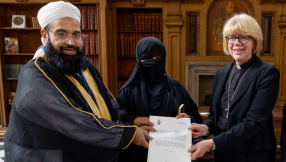
Archbishop of Canterbury withdraws award given to Muslim cleric who praised Bin Laden
Reform leader Nigel Farage said the decision to award Hafiz Muhammad Tahir Mehmood Ashrafi was "astonishing".
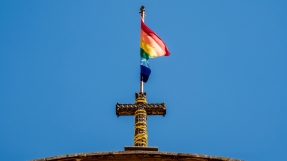
How the new General Synod could move beyond the present disagreement over same-sex relationships
How might the next Synod make progress in the next five years based on a recognition that there are those in the Church of England who hold fundamentally opposed positions on the matter? Is there a way of allowing both sides to achieve what they want? Martin Davie argues that the answer to this question is ‘Yes.’
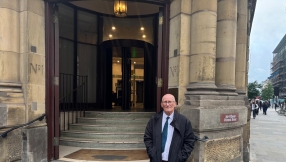
No part of London should become a free speech, gospel exclusion zone
Soho is not exempt from freedom of speech and Christian expression. And Christians do not lose their fundamental freedoms when they cross an invisible boundary into a neighbourhood associated with a different worldview. The streets of London belong to all of us, writes Andrea Williams.








