
Prime Minister Gordon Brown struck a defiant note on Thursday in the face of his growing unpopularity, saying he was focused on keeping the economy on an even keel with the right long-term decisions.
While he is on a three-day tour of the United States, Brown's poll ratings have fallen sharply at home and there is a growing sense of a government under siege as Britons fret about their well-being because of falling home prices and a slowing economy as a global credit crunch takes its toll.
The Labour Party, in power for more than a decade, is facing a drubbing in local elections on May 1, raising speculation he might face a challenge for the leadership before the next national election, which must take place by 2010.
"I'm sticking to the job and I'm getting on with the job," Brown said, brushing aside a question on his problems at home at a White House news conference with President George W. Bush.
Worried about their own future, many Labour lawmakers are unhappy with Brown's decision last year to abolish a 10 percent tax rate that benefited low earners in order to make a cut in the main rate of tax from 22 percent to 20 percent.
A Labour member of the House of Lords led the attack on Thursday. He was quoted as saying in a newspaper interview that senior members of the government were now turning their minds to who can replace Brown, who took over from Tony Blair last June after a decade as Chancellor.
Then Angela Smith, a junior member of Brown's government, was reported to have quit, only to say later she had talked to the prime minister and was not resigning after all.
Adding to Brown's woes, veteran Labour MP Gwyneth Dunwoody - the longest-serving female member of parliament - was reported late on Thursday to have died, which will force a by-election.
Asked about anger over the abolition of the 10 percent tax rate, Brown made it clear he was not about to roll back.
"My answer to people who say what is happening domestically is that we are taking the right long-term decisions for the British economy," he said. "We will see these long-term changes through and these are the right long-term changes for the British people.
Brown said the changes were part of a major reform of the tax system which had also brought down the headline tax rate for millions of people and that there had been offsetting allowances and credits for people on low incomes hit by the abolition of the lower rate.
GLOBAL PROBLEM
Fears of a housing crash have shot up over the past month after one survey showed prices falling at their fastest monthly rate since the 1992 recession, when hundreds of thousands lost their homes as they became unable to pay their mortgage bills.
The government has put a brave face on the decline, arguing it needs to be put in the context of prices more than doubling over the last decade, but is clearly rattled and calling for lenders to pass on interest rate cuts to their customers.
Brown called in senior financiers in London earlier this week and then met Wall Street executives in New York on Wednesday to see what could be done to end the funding squeeze that is putting pressure on prospective homeowners and existing ones who need to refinance their loans.
The prime minister said the market turmoil had also been a big feature of his talks with Bush. "Both Britain and America are taking steps to help homeowners, " he said.
Brown will meet Federal Reserve Chairman Ben Bernanke early on Friday before flying to Boston to deliver a speech on reform of international institutions.
"What matters to me is that people feel safe and secure about the future, about their prospects, and about their jobs. And that's why we will not hesitate to take any action that is necessary to keep the economy moving forward," he said.
British authorities are working on a plan to break the lending squeeze which could be announced as early as next week, a source close to the situation told Reuters in London on Thursday.
11% OFF

VitaUp Beet Root Gummies with CoQ10 & Grape Seed - Nitric Oxide Circulation Support (60 Count)
$24.91 $27.91
50% OFF

HDPE All-Weather Adirondack Chair with Built-In Cup Holder - Tool-Free Assembly (Grey)
$69.99 $139.99
60% OFF

HOMETUK Clear Plastic Storage Bins with Dividers - 3-Pack Stackable Acrylic Organizer Containers for Fridge and Pantry
$19.99 $49.99
58% OFF

G Gradual Men's Fishing Shirt - UPF 50+ Lightweight Short Sleeve Button Down with Zipper Pockets
$14.99 $35.99
55% OFF

Everyfun 60" Rectangular Platform Tree Swing - 700lbs Heavy Duty Adjustable Outdoor Swing (Colorful)
$49.99 $110.99
61% OFF

Ekouaer Women's Casual Loose Jumpsuit - One-Piece Printed Sleeveless Wide Leg Romper with Pockets
$14.99 $37.99
40% OFF
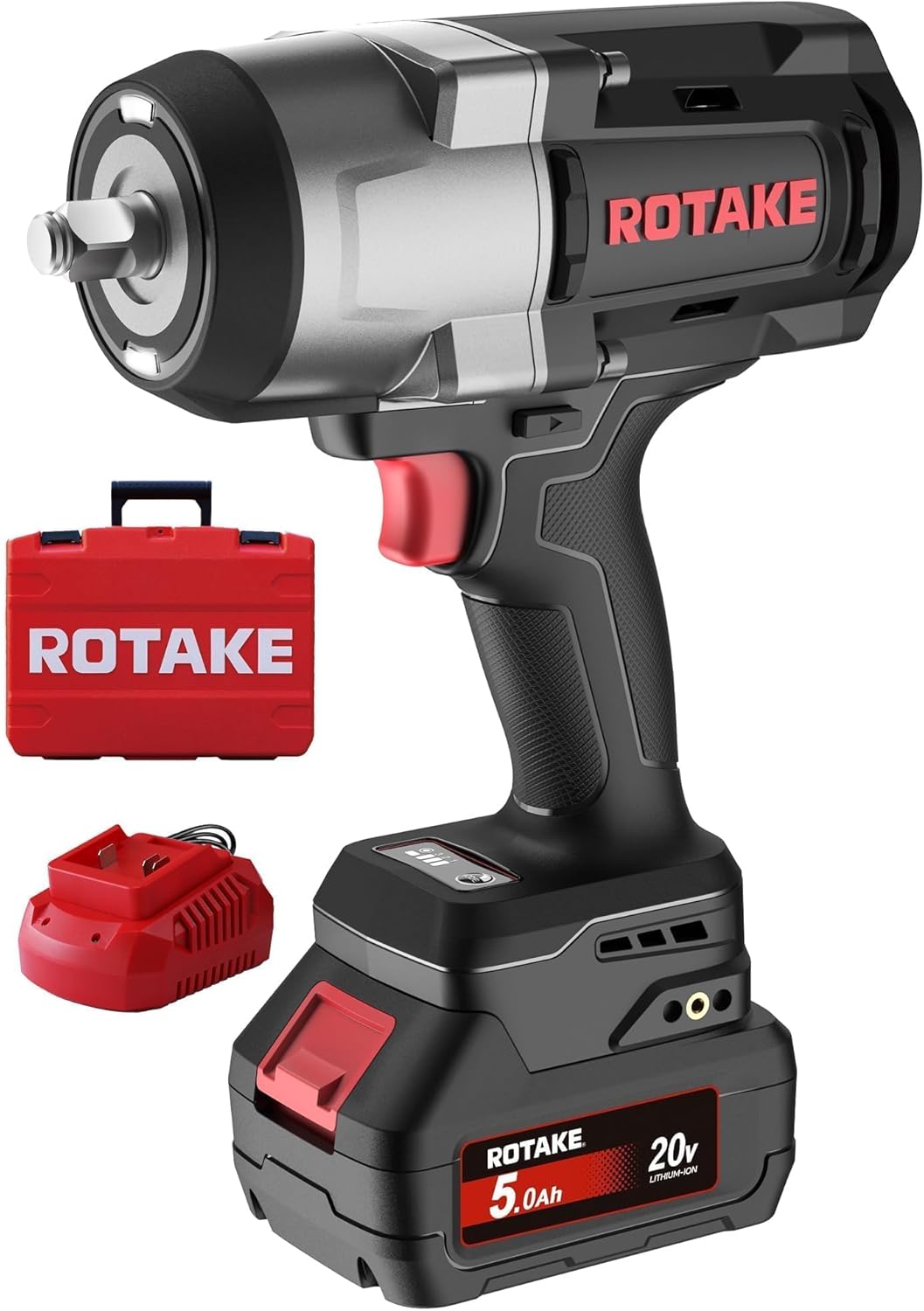
ROTAKE TB3 20V Heavy Duty 1/2" Cordless Impact Wrench Kit - 1380 Ft-Lbs Torque
$132 $219.99
36% OFF

Men's Athletic Running Shorts with Zipper Pockets - Lightweight & Quick Dry
$12.74 $19.99
61% OFF

Modern Ceiling Fan with Light and Remote - Reversible Quiet DC Motor
$69.3 $179.99
50% OFF

MOOKA H13 True HEPA Air Purifier for Home Large Room - 1076 sq ft Odor Eliminator
$39.97 $79.95
60% OFF

Ekouaer Women's Satin Silky Pajama Set - Short Sleeve Pullover Top & Wide-Leg Pants
$13.99 $34.99
55% OFF

Ekouaer 3-Piece Maternity & Nursing Pajamas Set - Short Sleeve Top with Shorts and Pants
$14.99 $32.99

Sealy 2-Pack Tritech 16" Twin Inflatable Air Mattress with Built-in AC Pump
$0 $113.99
20% OFF

INTEX Prism Frame 20ft x 52in Above Ground Pool Set - Round Steel Frame Swimming Pool
$695.99 $869.99

Gardner Pet 43" Heavy Duty Dog Crate with Wheels - Indestructible Folding Metal Cage (Black)
$0 $149.99
12% OFF

Elegant Mid-Century Modern Bar Stools - Set of 4
$395.99 $449.99
23% OFF

Ergonomic Office Chair - Big and Tall Desk Chair with Adjustable Lumbar Support
$279.99 $363.99
26% OFF

Magnelex American Flag Windshield Sun Shade - High-Resolution UV Reflective Heat Shield (X-Large)
$19.9 $26.9
20% OFF
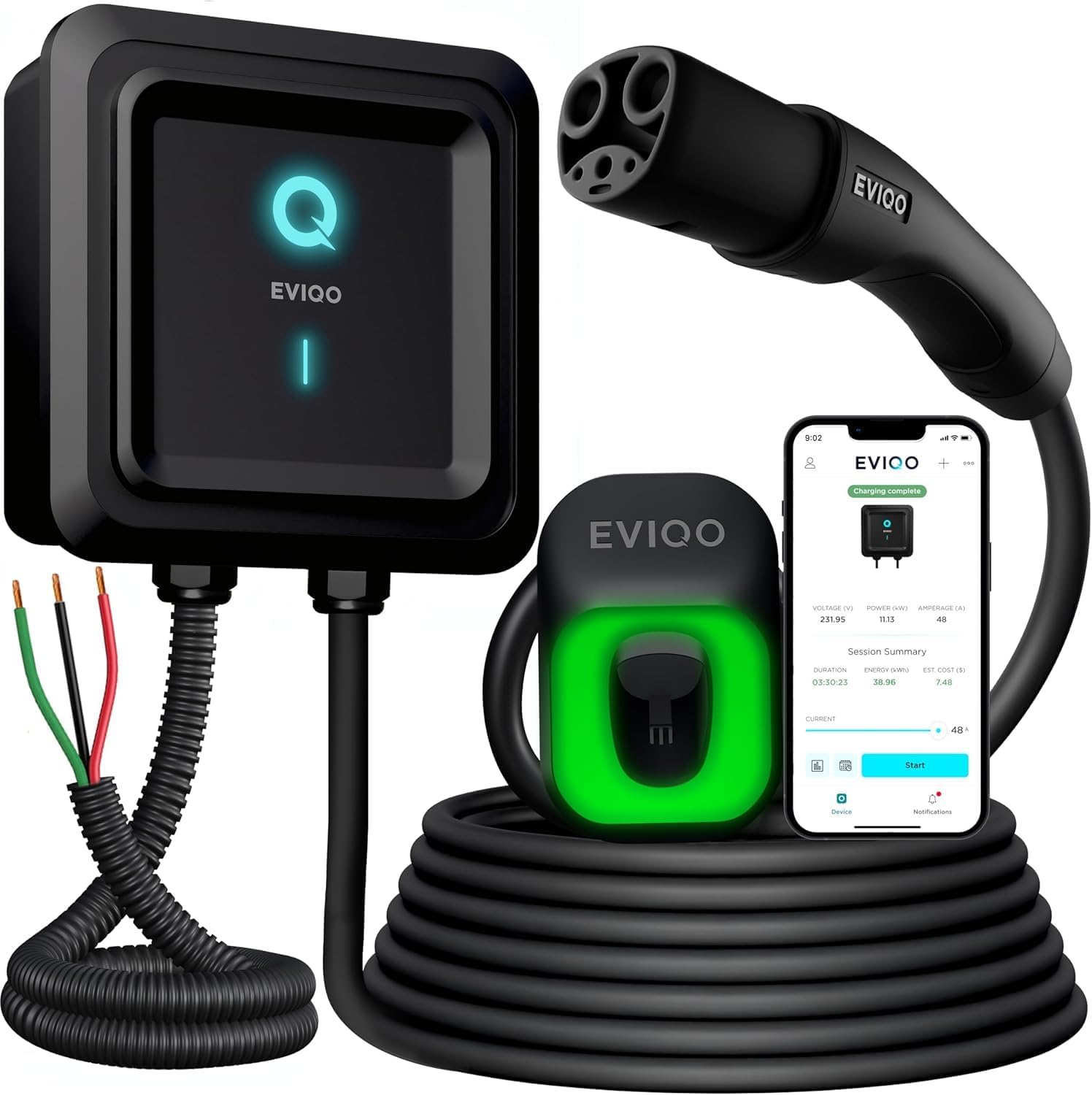
EVIQO 48 Amp NACS Level 2 EV Charger - Hardwired Smart WiFi Wall Charger for Tesla
$368.51 $458.55
50% OFF

DBFIT Air Purifier for Home Large Room
$29.99 $59.99




-

Historic Lancashire church secures £250,000 National Lottery grant for major roof repairs
-

Sunderland Minster PCC was right to push back over trans toilet sign
-

Bethel Church distances itself from Todd Bentley and Mike Bickle
-

Christian police officer reaches settlement over diversity training discrimination claim
-

Turkey's hidden Christian past: Extraordinary discoveries are rewriting the story of early Christianity
-

Washington Archdiocese parts ways with exorcist priest over UFO remarks
Most Popular
News
Churches must disciple well and listen well in response to rise of Christian nationalism
Churches have a task on their hands to raise standards of theological literacy in their congregations amid growing Christian nationalism, while at the same time listening to and engaging with the concerns of people in their flock.

A Christian response to the crisis facing young people
The Church has a wonderful message of hope to share with young people increasingly feeling a sense of nihilism and hopelessness at the state of the world, writes Tim Farron.

Tributes paid to Operation Mobilisation co-founder Dale Rhoton
Tributes have been paid to Dale Rhoton, one of the co-founders of international mission organisation Operation Mobilisation (OM), after his death at the age of 88.

Doctors should work for good of the patient, not facilitate suicide, says Christian Medical Fellowship
Suicide is always a tragedy that should be resisted, the CMF suggested.
VitaUp Beet Root Gummies with CoQ10 & Grape Seed - Nitric Oxide Circulation Support (60 Count)
$24.91
HDPE All-Weather Adirondack Chair with Built-In Cup Holder - Tool-Free Assembly (Grey)
$69.99
HOMETUK Clear Plastic Storage Bins with Dividers - 3-Pack Stackable Acrylic Organizer Containers for Fridge and Pantry
$19.99
G Gradual Men's Fishing Shirt - UPF 50+ Lightweight Short Sleeve Button Down with Zipper Pockets
$14.99
Everyfun 60" Rectangular Platform Tree Swing - 700lbs Heavy Duty Adjustable Outdoor Swing (Colorful)
$49.99
Ekouaer Women's Casual Loose Jumpsuit - One-Piece Printed Sleeveless Wide Leg Romper with Pockets
$14.99
ROTAKE TB3 20V Heavy Duty 1/2" Cordless Impact Wrench Kit - 1380 Ft-Lbs Torque
$132
Men's Athletic Running Shorts with Zipper Pockets - Lightweight & Quick Dry
$12.74
Modern Ceiling Fan with Light and Remote - Reversible Quiet DC Motor
$69.3
MOOKA H13 True HEPA Air Purifier for Home Large Room - 1076 sq ft Odor Eliminator
$39.97
Ekouaer Women's Satin Silky Pajama Set - Short Sleeve Pullover Top & Wide-Leg Pants
$13.99
Ekouaer 3-Piece Maternity & Nursing Pajamas Set - Short Sleeve Top with Shorts and Pants
$14.99
Sealy 2-Pack Tritech 16" Twin Inflatable Air Mattress with Built-in AC Pump
$0
INTEX Prism Frame 20ft x 52in Above Ground Pool Set - Round Steel Frame Swimming Pool
$695.99
Gardner Pet 43" Heavy Duty Dog Crate with Wheels - Indestructible Folding Metal Cage (Black)
$0
Elegant Mid-Century Modern Bar Stools - Set of 4
$395.99
Ergonomic Office Chair - Big and Tall Desk Chair with Adjustable Lumbar Support
$279.99
Magnelex American Flag Windshield Sun Shade - High-Resolution UV Reflective Heat Shield (X-Large)
$19.9
EVIQO 48 Amp NACS Level 2 EV Charger - Hardwired Smart WiFi Wall Charger for Tesla
$368.51
DBFIT Air Purifier for Home Large Room
$29.99