
|PIC1|The Archbishop of Canterbury has called on secular development agencies to improve their understanding of faith-based aid organisations.
Speaking on faith and development last night, Dr Williams criticised the secular approach for restricting development to the securing of universal human rights and economic liberation.
He argued that it was instead necessary to see development as “one aspect of a wider human liberation”.
“This is not, in other words, simply about the prosperous giving something to the poor, but about a gift that contributes to the liberation of both poor and prosperous and transforms both,” he said.
“If development agencies continue to learn how to relate intelligently to religious faith, the concept of development is less likely to be seen reductively as a matter of securing universal claims and more likely to be seen as one aspect of a wider human liberation.”
Dr Williams acknowledged that for this to happen, religious bodies also needed “a degree of humility and willingness to learn” about the causes of poverty and how to maintain credibility through “responsible and professional” practice.
The Archbishop was delivering the last in a series of lectures on faith and development, hosted by the RSA, the Tony Blair Faith Foundation, World Vision and other development-related bodies.
The Archbishop said a “long-standing suspicion” towards faith in parts of the development establishment had been accentuated in recent years by the “current nervousness about religious extremism”.
He admitted that the starting point for religious communities was not a doctrine of universal liberties and that they were “necessarily exclusive”.
“Of course, there needs to be a steady vigilance about proselytism, manipulative use of favours, exclusive focus on people of the same faith and other practices that distort the goals of liberation for a whole community,” he warned.
“The fact that these risks are sometimes exaggerated and are used as grounds for rejecting the whole idea of partnership with religious bodies should not blind us to the fact that the dangers are perfectly real.”
The Archbishop contended, however, that that the failure of faith groups to offer the same options as secular groups was “not invariably an impoverishment”.
He said: “'Franchising' development work to local faith groups or networks, partnering with such bodies on a long-term basis, can feel like a risk for governments or NGO's that have to preserve strict accountability for their electorates or donors.
“But equally, the embrace of partnership by religious groupings has to bring with it the readiness to embrace at least some patterns of accountability and effective delivery that may feel alien.”
He added: “There is risk and uncertainty for all involved, and a great need for good communication. But without this, the patterns of crippling mistrust will not be altered.”
54% OFF
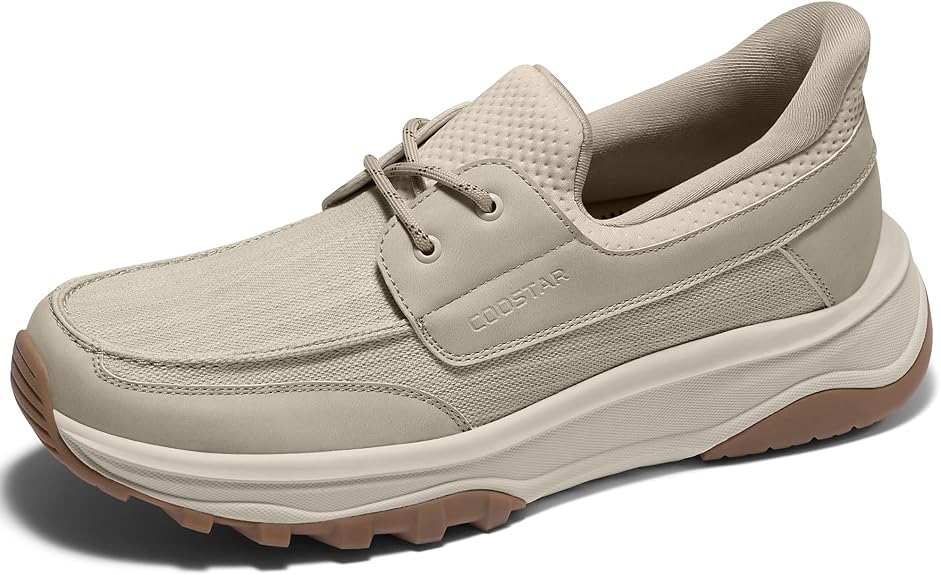
Coostar Men's Orthopedic Slip On Loafers – Hands-Free Casual Walking Shoes with Arch Support, Non-Slip Sole, Breathable Canvas Upper
$21.99 $47.99
60% OFF
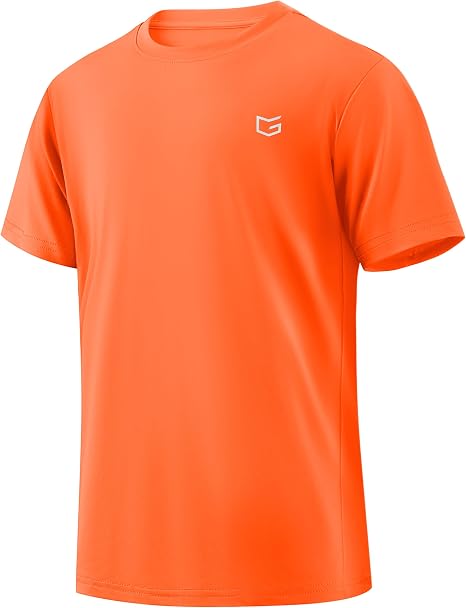
G Gradual Boys Athletic Rash Guard Shirt – UPF 50+ Dry Fit Swim & Sports T-Shirt, Short Sleeve Crew Neck for Soccer, Baseball, Basketball & Undershirt
$7.92 $19.99
41% OFF

Mobile Rolling Clothing Rack with Wheels - Perfect for Home and Office
$20.79 $34.99
30% OFF

Lumbar Support Pillow for Car with Headrest – Memory Foam Full-Length S-Curve Back & Neck Cushion for Long Drives, Fits Cars, SUVs & Trucks
$32.89 $46.99
46% OFF
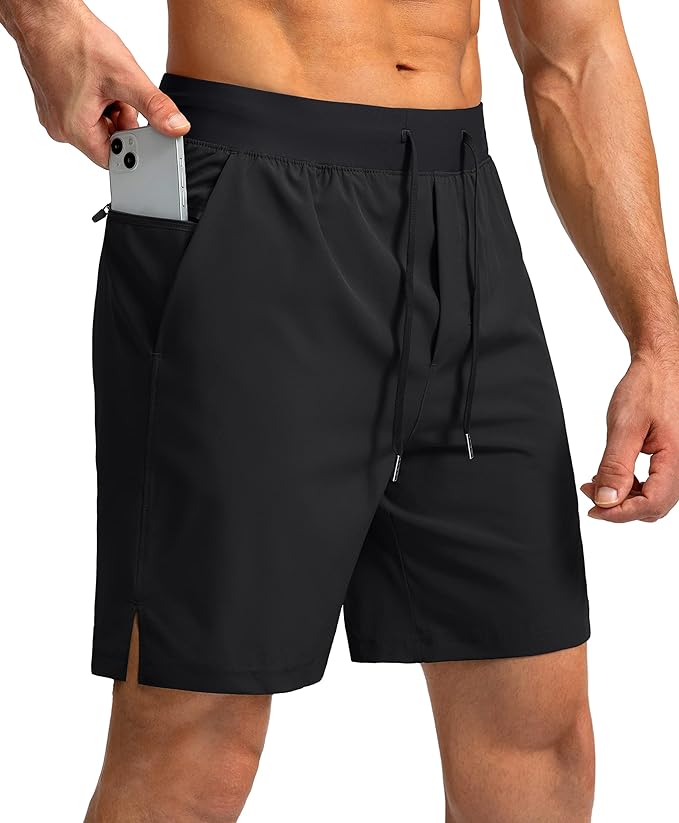
Soothfeel Men's Running Shorts with Zipper Pockets – Quick Dry Athletic Shorts in 9", 7" & 5" Inseams for Basketball, Gym & Workout
$12.91 $23.99
40% OFF
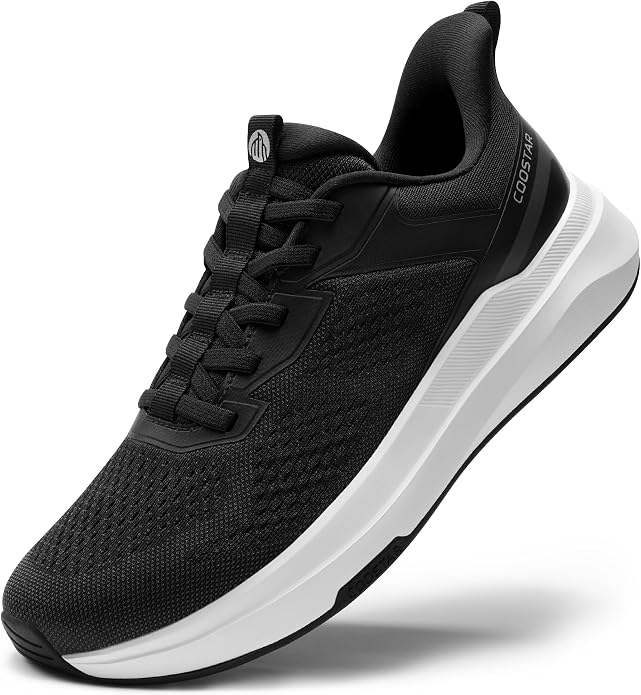
Men's Slip On Walking Shoes – Hands-Free Casual Sneakers with Arch Support, Wide Stable Base, Breathable Knit Upper, Non-Slip Traction
$29.99 $49.99
52% OFF
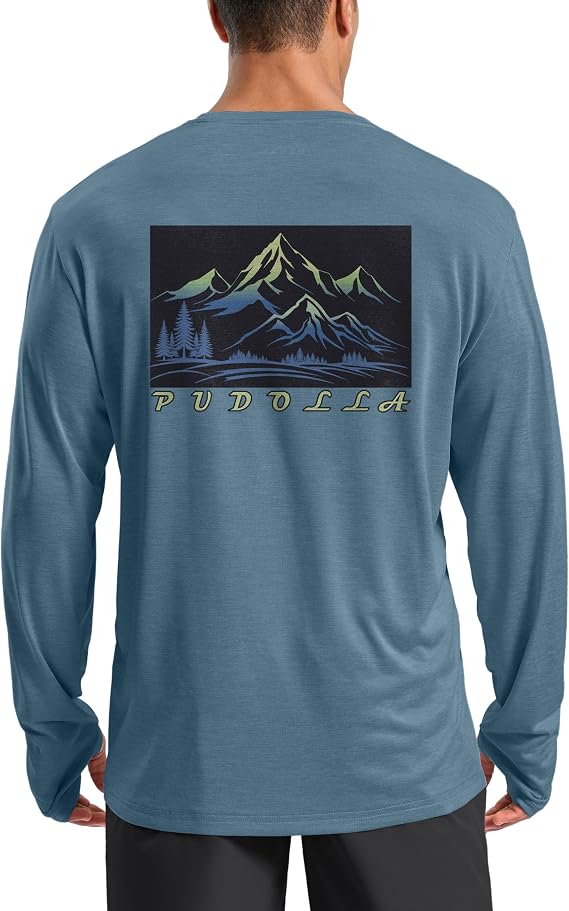
Pudolla Men's UPF 50+ Sun Shirt – Long Sleeve Quick Dry Hiking & Running Shirt with Thumb Holes, Lightweight Moisture-Wicking Rash Guard Base Layer
$11.99 $24.99
35% OFF
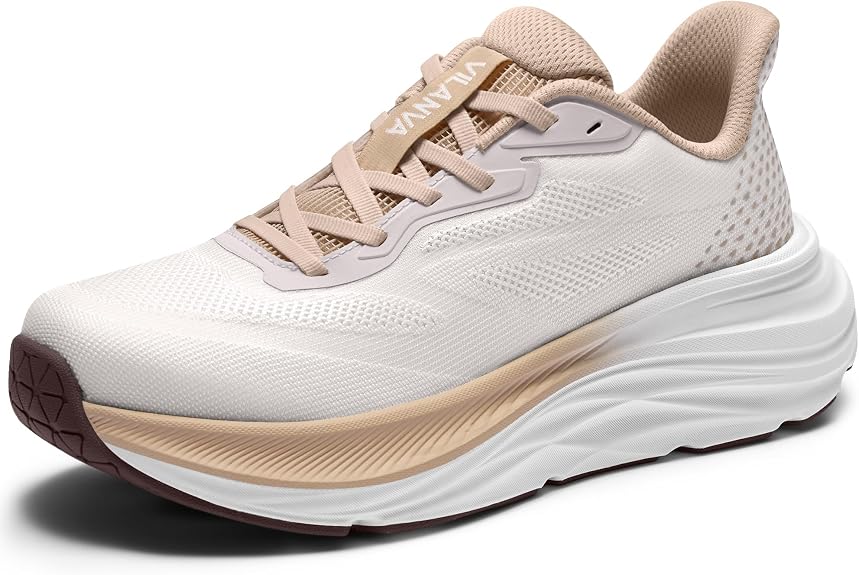
Vilanva Women's Walking Shoes – Cushioned Lightweight Running Sneakers with Slip-Resistant Sole, Breathable Woven Upper for Everyday Wear & Workouts
$35.09 $53.99
24% OFF
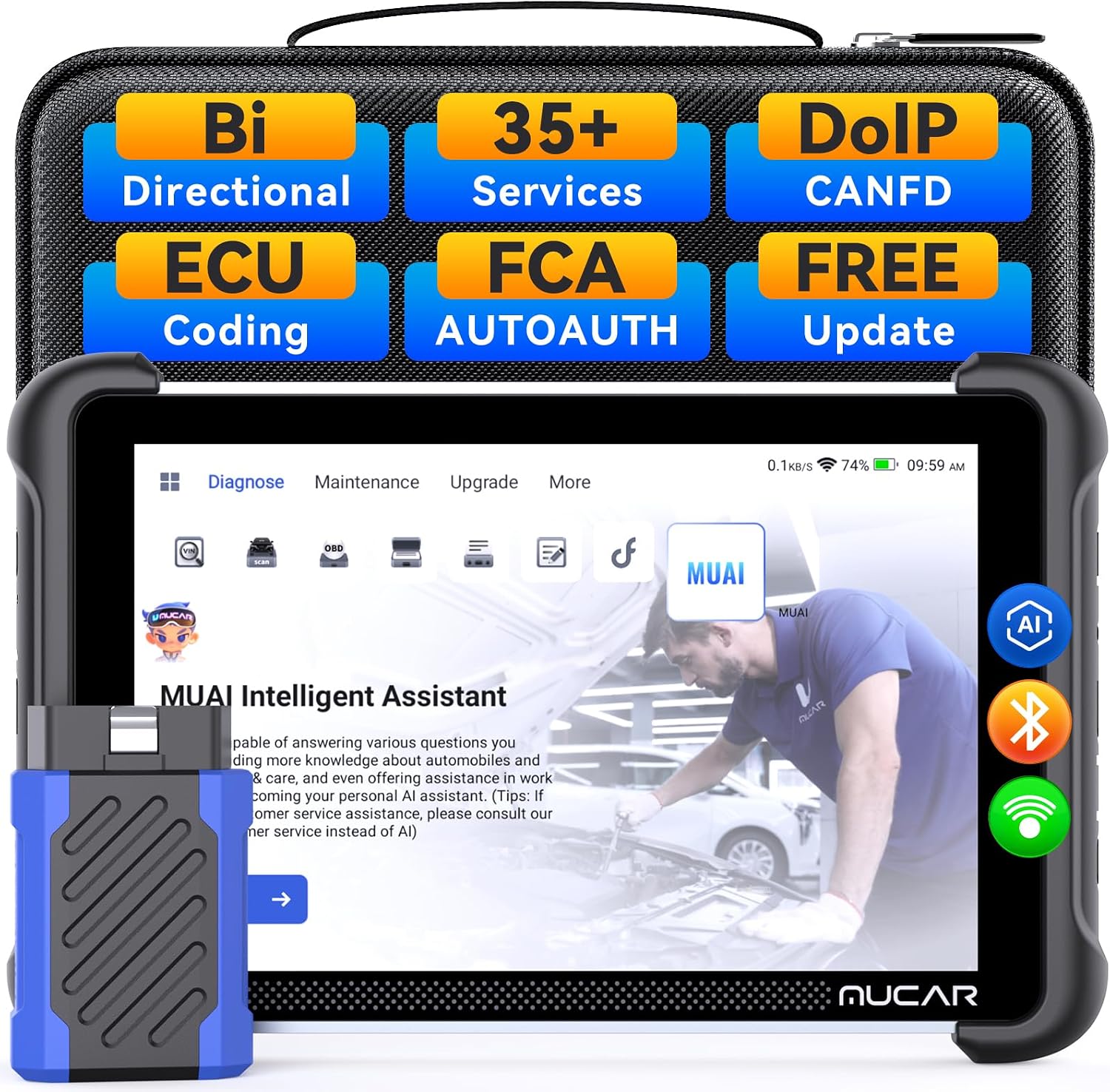
MUCAR 892BT AI-Assisted Bidirectional OBD2 Scan Tool with ECU Coding (8" Touchscreen)
$479 $629.99
67% OFF

Rocoren 12-Pack Magnetic Cable Clips – 360° Rotating Cord Organizer with No-Residue Adhesive, Cord Holder for Desk, Nightstand, Wall, Car & Office, White
$6.5 $19.99
60% OFF

Red Light Therapy Mask for Face – 7-Color LED Silicone Facial Mask, Cordless Rechargeable Skincare Device with 240 LEDs for Home & Travel
$39.99 $99.99
77% OFF
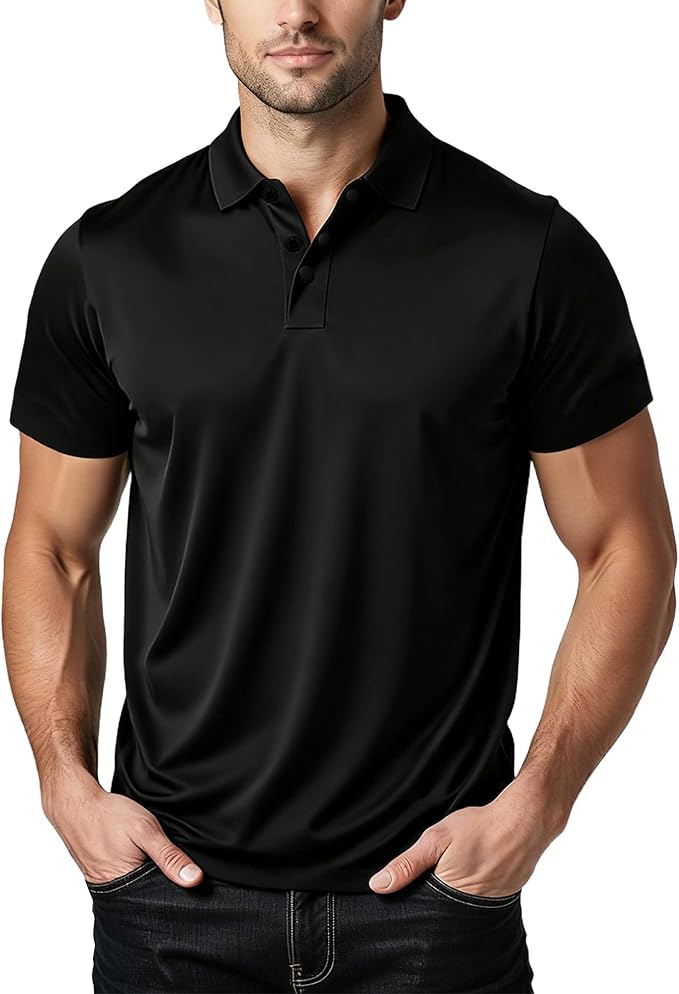
Men's Slim Fit Polo Shirt – Quick Dry Moisture Wicking, High Elasticity, Athletic Fit Polo for Golf, Tennis, Work & Casual Wear (Runs Small, Size Up)
$6.99 $29.99
28% OFF
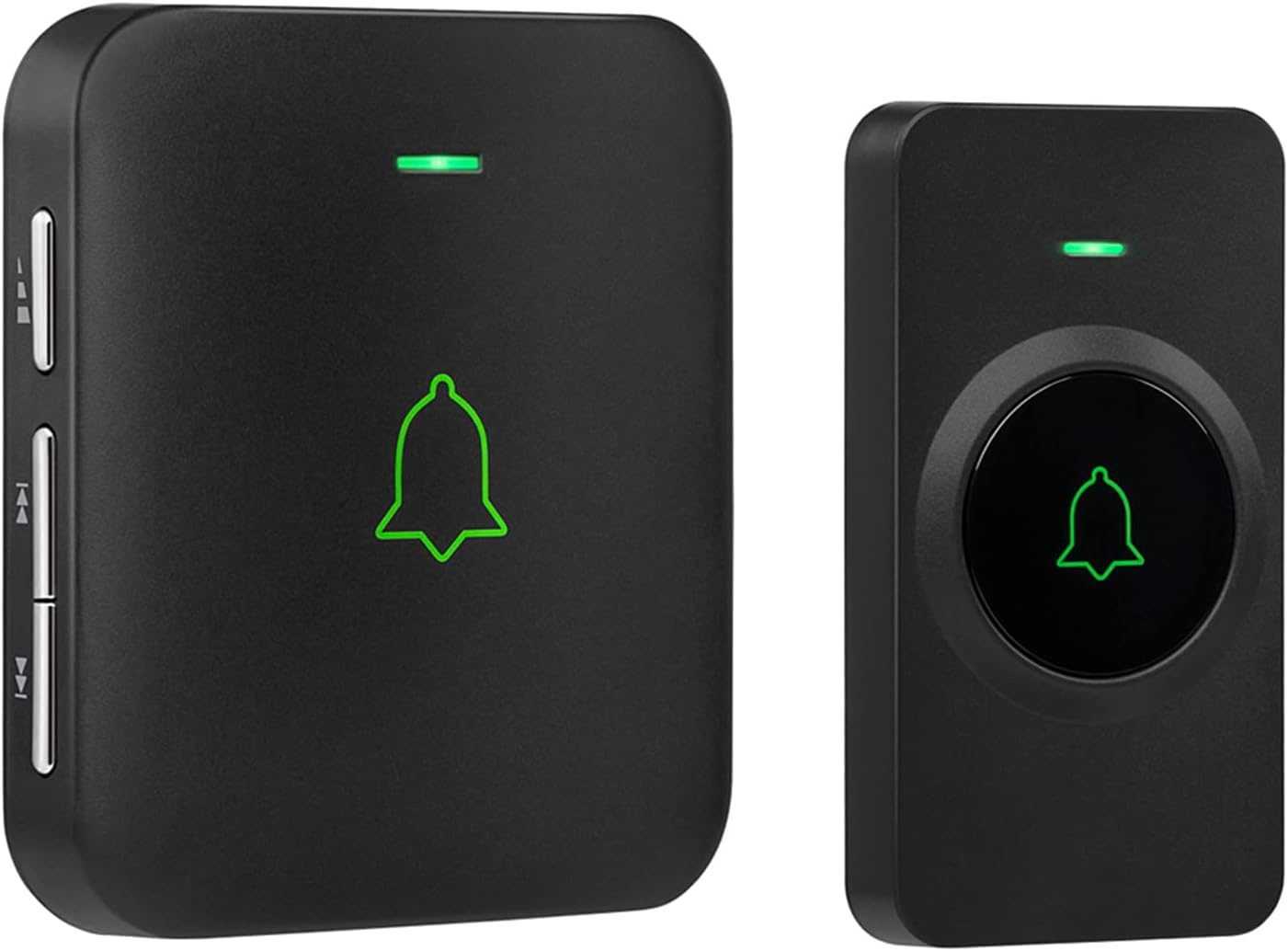
AVANTEK Wireless Doorbell CB-11 – 1000 ft Range, 1 Button + 1 Plug-In Receiver, 115 dB Volume, LED Flash, 52 Chimes, Waterproof, 3-Year Battery
$12.91 $17.99
50% OFF
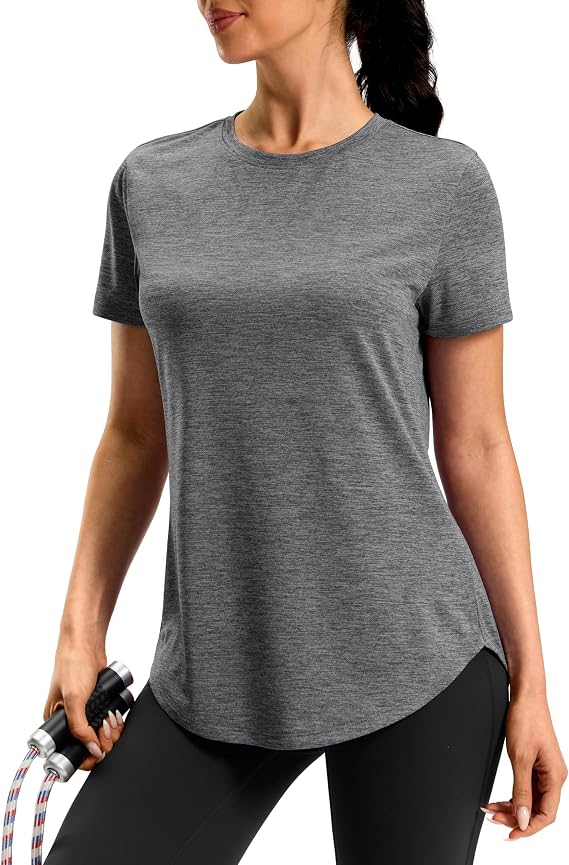
Women's Workout Shirts – Bum-Covering Length Short Sleeve Dry Fit Tops, Lightweight & Breathable for Athletic, Hiking, Running & Summer Wear
$6.99 $13.99
50% OFF
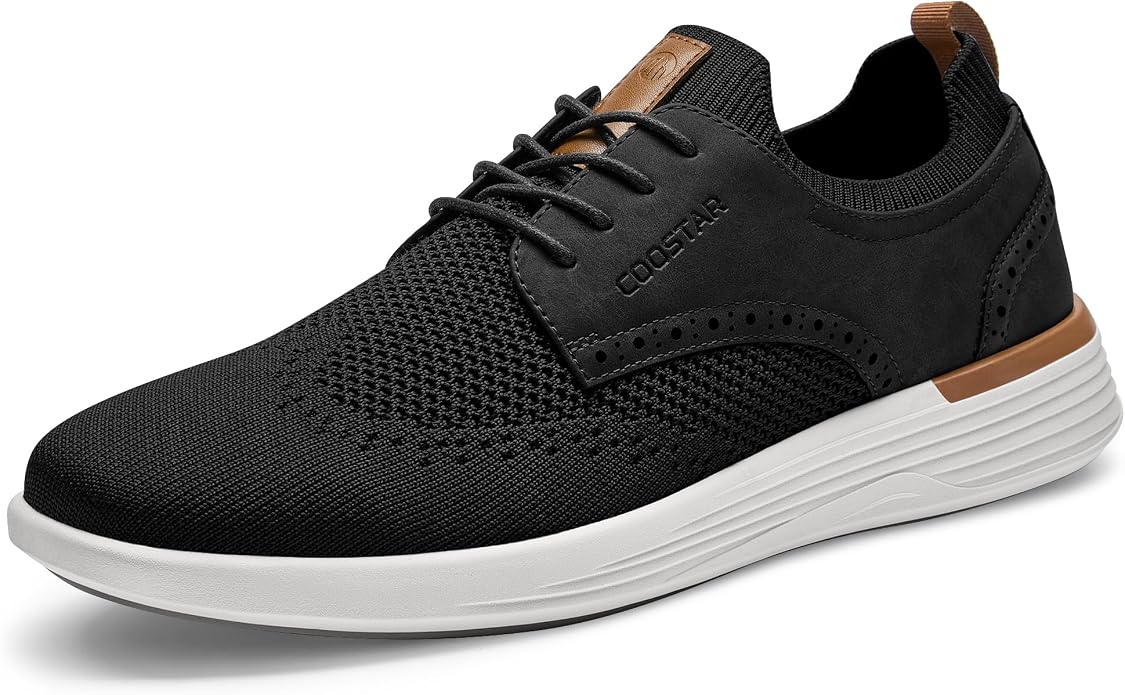
Coostar Men's Casual Dress Sneakers – Lightweight Wingtip Oxford Style with Breathable Knit Upper, Rubber Sole & Slip-On Elastic Collar, Business & Walking Shoe
$22.49 $44.99
45% OFF
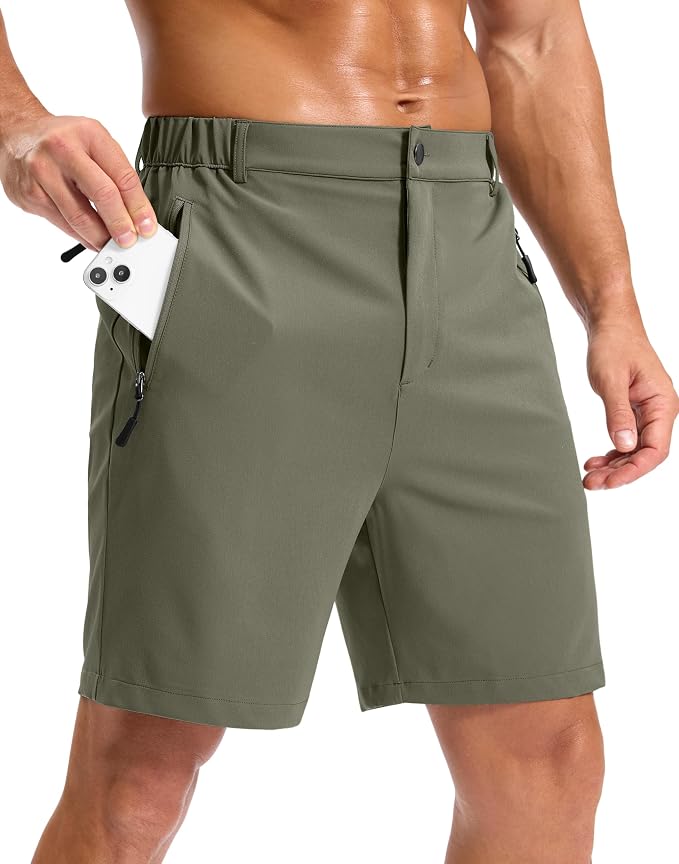
Pudolla Men's Quick Dry Hiking and Golf Shorts with 3 Zipper Pockets
$14.84 $26.99
50% OFF

Venture Pal Ceremonial Grade Matcha Green Tea Powder – First Harvest, Shade Grown, 100% Pure with No Additives, Unsweetened, Vegan & Gluten-Free, 30g Tin
$7.5 $14.99
40% OFF
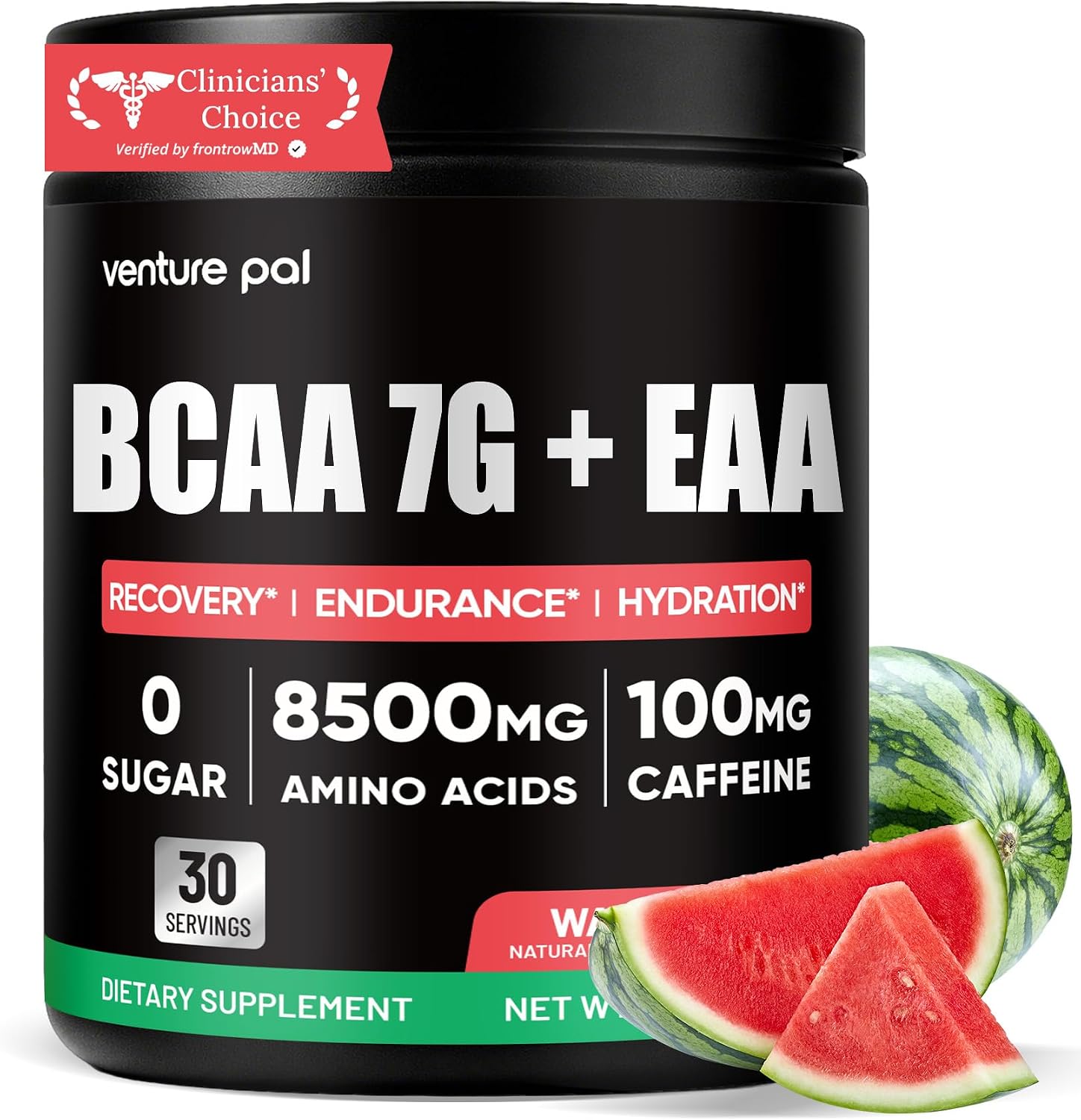
Venture Pal Sugar Free 7g BCAA + EAA Powder – 9 Essential Amino Acids with L-Glutamine, Caffeine, Electrolytes & Vitamins for Muscle Recovery, Growth & Hydration
$14.99 $24.99
30% OFF
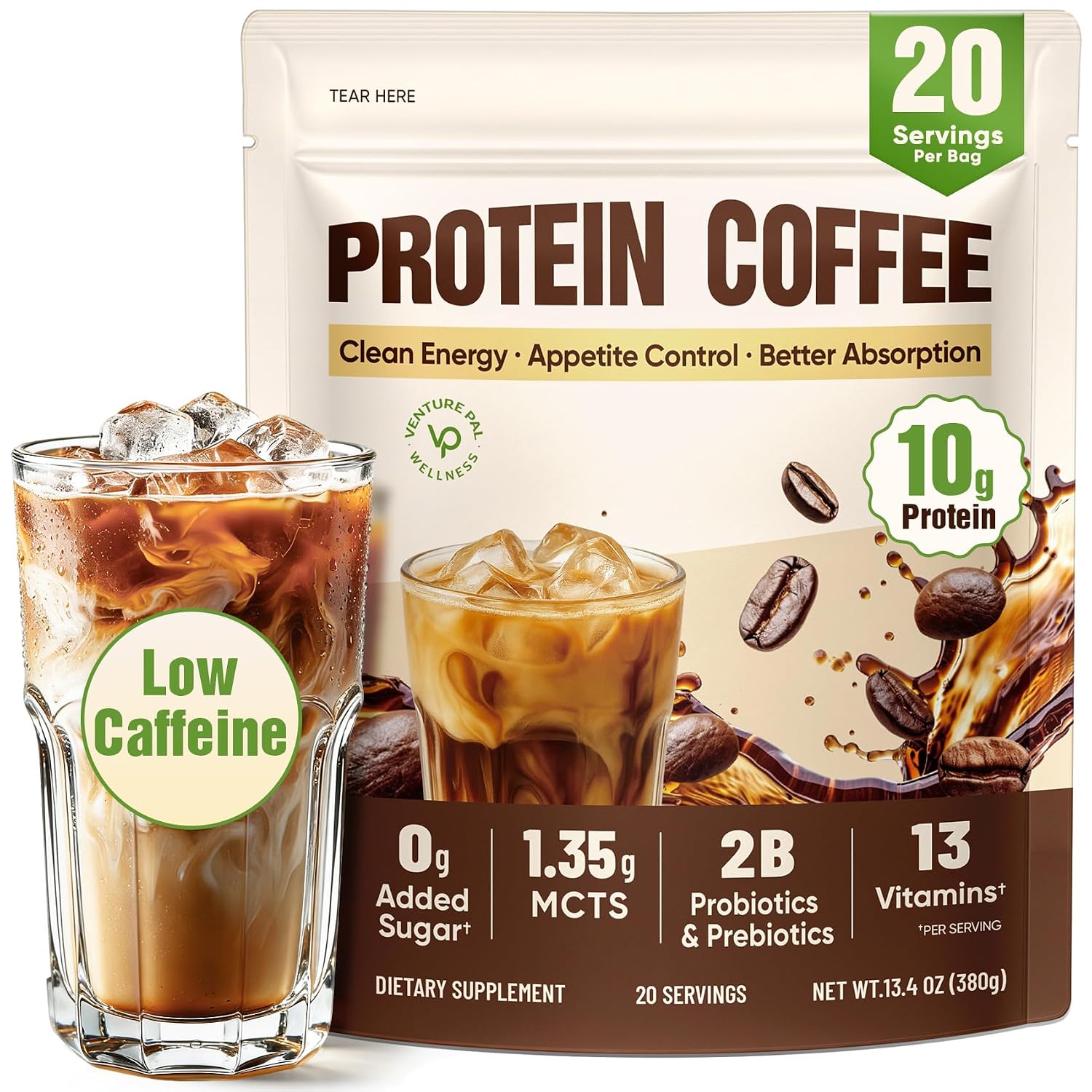
Venture Pal Sugar Free Protein Coffee – Cold Brew Mocha Instant Iced Coffee with MCT Oil, Probiotics, Fiber & 13 Vitamins, 70mg Caffeine, Keto & Gluten-Free, 20 Servings
$13.29 $18.99
20% OFF
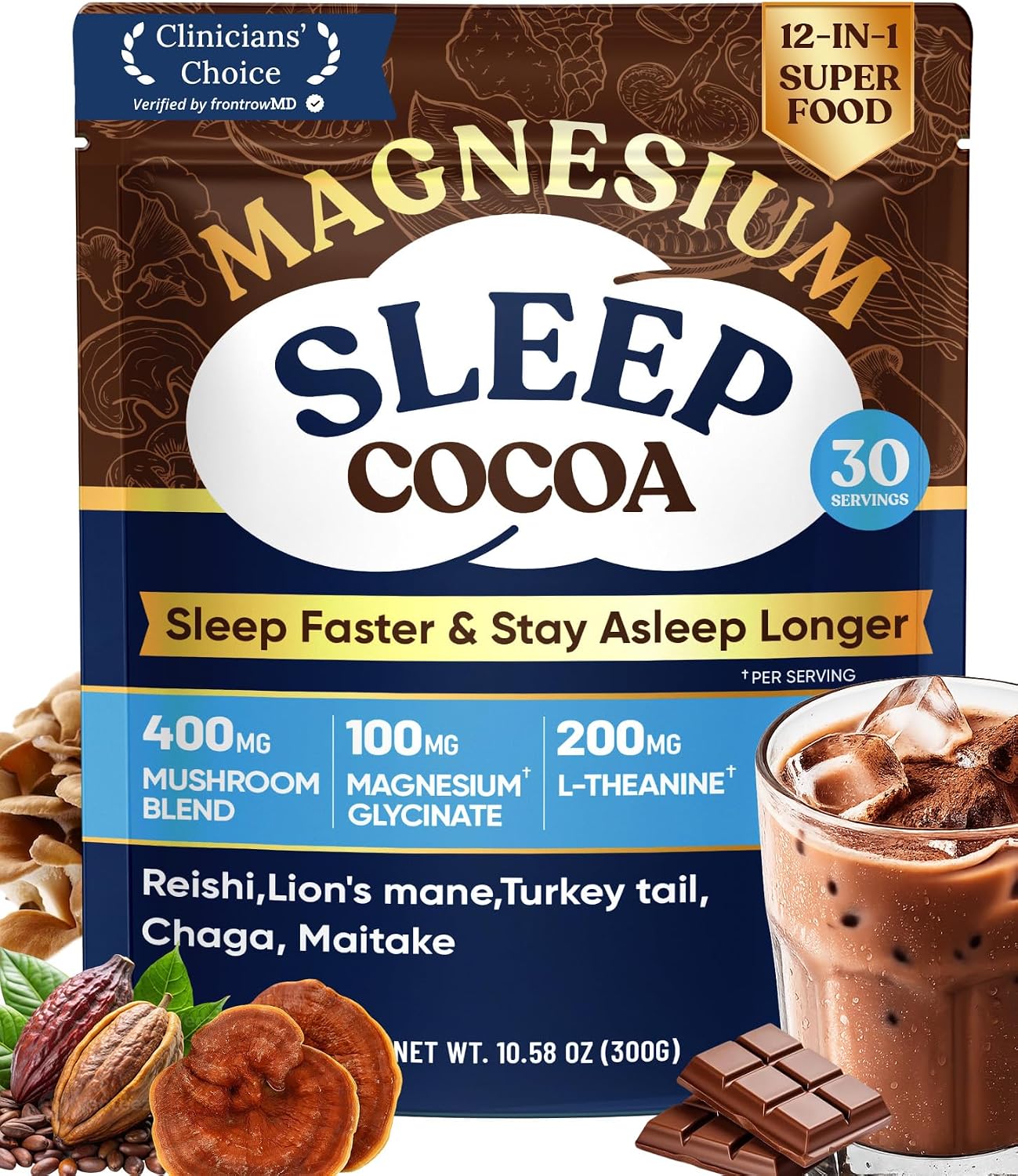
Venture Pal Mushroom Hot Cocoa – Natural Sleep Aid with 12 Superfoods, Melatonin 3mg, Magnesium Glycinate, L-Theanine, Glycine, Lion's Mane, Reishi & Turkey Tail, Bedtime Cocoa Mix, 30 Servings
$23.99 $29.99




-

Six injured after sign falls at Christian festival
-

Christian festival organisers ‘heartbroken’ after festivalgoer dies in sign incident
-

Fundraising appeal grows for family of pastor killed at Christian festival
-

Dolly Parton’s lifelong Christian faith: ‘My music was more my ministry than a job’
-

Christian leaders respond to devastating floods in Nepal and Tibet
-

Anna Faris says son has asked her to become a Christian
Most Popular
News

‘No easy answers,’ say church leaders after death of pastor at Christian festival
A fundraiser for the family of Pastor Robert Guanco, who died after a sign fell at the Big Church Festival, has raised over £115,000.

Christians move to protect themselves as another Indian state enacts anti-conversion law
Churches are asking visitors to sign consent forms declaring that they attend services of their own free will.

Fundraising appeal grows for family of pastor killed at Christian festival
A 41-year-old pastor from Eastbourne has died after a large sign fell on people at a Christian festival in West Sussex.

‘Shout to the Lord’ songwriter Darlene Zschech says the Church is entering ‘revival days again’
Veteran worship leader Darlene Zschech believes the Church is once again entering a season in which God is moving powerfully and new expressions of worship are emerging.
Coostar Men's Orthopedic Slip On Loafers – Hands-Free Casual Walking Shoes with Arch Support, Non-Slip Sole, Breathable Canvas Upper
$21.99
G Gradual Boys Athletic Rash Guard Shirt – UPF 50+ Dry Fit Swim & Sports T-Shirt, Short Sleeve Crew Neck for Soccer, Baseball, Basketball & Undershirt
$7.92
Mobile Rolling Clothing Rack with Wheels - Perfect for Home and Office
$20.79
Lumbar Support Pillow for Car with Headrest – Memory Foam Full-Length S-Curve Back & Neck Cushion for Long Drives, Fits Cars, SUVs & Trucks
$32.89
Soothfeel Men's Running Shorts with Zipper Pockets – Quick Dry Athletic Shorts in 9", 7" & 5" Inseams for Basketball, Gym & Workout
$12.91
Men's Slip On Walking Shoes – Hands-Free Casual Sneakers with Arch Support, Wide Stable Base, Breathable Knit Upper, Non-Slip Traction
$29.99
Pudolla Men's UPF 50+ Sun Shirt – Long Sleeve Quick Dry Hiking & Running Shirt with Thumb Holes, Lightweight Moisture-Wicking Rash Guard Base Layer
$11.99
Vilanva Women's Walking Shoes – Cushioned Lightweight Running Sneakers with Slip-Resistant Sole, Breathable Woven Upper for Everyday Wear & Workouts
$35.09
MUCAR 892BT AI-Assisted Bidirectional OBD2 Scan Tool with ECU Coding (8" Touchscreen)
$479
Rocoren 12-Pack Magnetic Cable Clips – 360° Rotating Cord Organizer with No-Residue Adhesive, Cord Holder for Desk, Nightstand, Wall, Car & Office, White
$6.5
Red Light Therapy Mask for Face – 7-Color LED Silicone Facial Mask, Cordless Rechargeable Skincare Device with 240 LEDs for Home & Travel
$39.99
Men's Slim Fit Polo Shirt – Quick Dry Moisture Wicking, High Elasticity, Athletic Fit Polo for Golf, Tennis, Work & Casual Wear (Runs Small, Size Up)
$6.99
AVANTEK Wireless Doorbell CB-11 – 1000 ft Range, 1 Button + 1 Plug-In Receiver, 115 dB Volume, LED Flash, 52 Chimes, Waterproof, 3-Year Battery
$12.91
Women's Workout Shirts – Bum-Covering Length Short Sleeve Dry Fit Tops, Lightweight & Breathable for Athletic, Hiking, Running & Summer Wear
$6.99
Coostar Men's Casual Dress Sneakers – Lightweight Wingtip Oxford Style with Breathable Knit Upper, Rubber Sole & Slip-On Elastic Collar, Business & Walking Shoe
$22.49
Pudolla Men's Quick Dry Hiking and Golf Shorts with 3 Zipper Pockets
$14.84
Venture Pal Ceremonial Grade Matcha Green Tea Powder – First Harvest, Shade Grown, 100% Pure with No Additives, Unsweetened, Vegan & Gluten-Free, 30g Tin
$7.5
Venture Pal Sugar Free 7g BCAA + EAA Powder – 9 Essential Amino Acids with L-Glutamine, Caffeine, Electrolytes & Vitamins for Muscle Recovery, Growth & Hydration
$14.99
Venture Pal Sugar Free Protein Coffee – Cold Brew Mocha Instant Iced Coffee with MCT Oil, Probiotics, Fiber & 13 Vitamins, 70mg Caffeine, Keto & Gluten-Free, 20 Servings
$13.29
Venture Pal Mushroom Hot Cocoa – Natural Sleep Aid with 12 Superfoods, Melatonin 3mg, Magnesium Glycinate, L-Theanine, Glycine, Lion's Mane, Reishi & Turkey Tail, Bedtime Cocoa Mix, 30 Servings
$23.99