
|PIC1|The Archbishop of Canterbury, Dr Rowan Williams, sent a letter on Tuesday 26 August to the bishops of the Anglican Communion, setting out his personal reflections on the Lambeth Conference.
The full text of the letter can be found below:
As the Lambeth Conference of 2008 comes to an end, I want to offer some further reflections of my own on what the bishops gathered in Canterbury have learned and experienced. Those of you who have been present here will be able to share your own insights with your people, but it may be useful for me to add my own perspectives as to where we have been led.
For the vast majority of bishops, it seems, this has been a time when they have felt God to have been at work. The Conference was not a time for making new laws or for binding decisions; in spite of the way some have expressed their expectations, Lambeth Conferences have never worked straightforwardly in this way.
The Conference Design Group believed strongly that the chief need of our Communion at the moment was the rebuilding of relationships - the rebuilding of trust in one another - and of confidence in our Anglican identity. And it was with this in mind that they planned for a very different sort of Conference, determined to allow every bishop's voice to be heard and to seek for a final outcome for which the bishops were genuinely able to recognize an authentic account of their own work.
I believe that the Conference succeeded in doing this to a very remarkable degree - more than most people expected. At the end of our time together, many people, especially some of the newer bishops, said that they had been surprised by the amount of convergence they had seen. And there can be no doubt that practically all who were present sincerely wanted the Communion to stay together.
But they also recognized the challenge in staying together and the continuing possibility of further division. As the proposals for an Anglican Covenant now go forward, it is still possible that some will not be able to agree; there was a clear sense that some sort of covenant will help our identity and cohesion, although the bishops wish to avoid a legalistic or juridical tone.
A strong majority of bishops present agreed that moratoria on same-sex blessings and on cross-provincial interventions were necessary, but they were aware of the conscientious difficulties this posed for some, and there needs to be a greater clarity about the exact expectations and what can be realistically implemented. How far the intensified sense of belonging together will help mutual restraint in such matters remains to be seen. But it can be said that few of those who attended left without feeling they had in some respects moved and changed.
We were conscious of the absence of many of our colleagues, and wanted to express our sadness that they felt unable to be with us and our desire to build bridges and restore our fellowship. We were aware also of the recent meeting in Jerusalem and its statements; many of us expressed a clear sense of affinity with much that was said there and were grateful that many had attended both meetings, but we know that there is work to do to bring us closer together and are determined to do that work.
The final document of Conference Reflections is not a 'Report' in the style of earlier Conferences, but an attempt to present an honest account of what was discussed and expressed in the 'indaba' groups which formed the main communal work of the Conference by the Reflections Group. But although this document is not a formal Report, it has a number of pointers as to where the common goals and assumptions are in the Communion. Let me mention some of these.
First, there was an overwhelming unity around the need for the Church to play its full part in the worldwide struggle against poverty ignorance and disease. The Millennium Development Goals were repeatedly stressed, and there was universal agreement that both governmental and non-governmental development agencies needed to create more effective partnerships with the churches and to help the churches increase and improve their own capacity to deliver change for the sake of justice. To further this, it was agreed that we needed a much enhanced capacity in the Communion for co-ordinated work in the field of development.
Our Walk of Witness in London and the memorable address of the Prime Minister of the United Kingdom formed a powerful focus for these concerns. And the challenge to every bishop to identify clear goals for developing environmentally responsible policies in church life was articulated very forcefully indeed: information was provided to all about how the 'carbon footprint' of the Conference itself might be offset, and new impetus given to careful and critical self-examination of all our practices. We were reminded by first-hand testimony that the literal survival of many of our most disadvantaged communities was at risk as a result of environmental change. This enabled us to see the issue more clearly as one of justice both to God's earth and to God's people
Second, on the controversial issue of the day regarding human sexuality, there was a very widely-held conviction that premature or unilateral local change was risky and divisive, in spite of the diversity of opinion expressed on specific questions. There was no appetite for revising Resolution 1.10 of Lambeth 1998, though there was also a clear commitment to continue theological and pastoral discussion of the questions involved.
In addition to a widespread support for moratoria in the areas already mentioned, there was much support for the idea of a 'Pastoral Forum' as a means of addressing present and future tensions, and as a clearing house for proposals concerning the care of groups at odds with dominant views within their Provinces, so as to avoid the confusing situation of violations of provincial boundaries and competing jurisdictions.
Importantly, it was recognized that all these matters involved serious reflection on the Christian doctrine of human nature and a continuing deepening of our understanding of Christian marriage. A joint session with bishops and spouses also reminded us that broader moral issues about power and violence in relations between men and women needed attention if we were to speak credibly to the tensions and sufferings of those we serve.
Third, there was a general desire to find better ways of managing our business as a Communion. Many participants believed that the indaba method, while not designed to achieve final decisions, was such a necessary aspect of understanding what the questions might be that they expressed the desire to see the method used more widely - and to continue among themselves the conversations begun in Canterbury. This is an important steer for the meetings of the Primates and the ACC which will be taking place in the first half of next year, and I shall be seeking to identify the resources we shall need in order to take forward some of the proposals about our structures and methods.
The Conference was richly blessed in its guest speakers, who all testified to their appreciation of the Anglican heritage, while asking us searching questions about how flexible and creative our evangelistic policies were, about the integration of our social passion with our theology and about the nature of the unity we were seeking both within the Anglican Communion and with other Christian families. Our many ecumenical representatives played a full and robust part in all our work together and we owe them a considerable debt.
Finally and most importantly of all, we were held within an atmosphere of steady and deep prayer by our Chaplaincy Team. The commitment of the Conference members to daily worship was impressive; and this has much to do with the quality of that worship, both in moments of profound quiet and in exuberant celebration. It mattered greatly that we were able to begin with a period of retreat in the context of Canterbury Cathedral; the welcome we received there was immensely generous and we all valued the message clearly given, that this was our Cathedral, and that all of us were a full part of the worshipping community that had been here since Augustine came to Canterbury in 597.
I know that all present would wish me to express thanks once again to all who planned and organized the Conference, to those who composed the Bible Studies, those who devised and monitored the work of the indaba groups and all others who served us so devotedly in all sorts of ways - not least the Stewards, whose youthful energy and commitment and unfailingly supportive presence gave all of us great hope for the future. Thanks to all of you - bishops and spouses - who attended, for the great commitment shown and for the encouragement you have given each other.
But together we give thanks to God for his presence with us, his faithfulness to us and his gifts to our Communion. As was said in the closing plenary session, we believe that God has many more gifts to give to and through our Communion; and we ask his grace and assistance in teaching us how to receive what he wills to give. "He who supplies seed to the sower and bread for food will supply and multiply your seed for sowing and increase the harvest of your righteousness." (2 Cor. 9v10)
Your servant in Christ
+Rowan Cantuar
49% OFF

MANSPOT Electric Pubic Hair Trimmer - Waterproof Body and Groin Shaver for Men and Women (Black)
$20.39 $40
25% OFF

Lick-Safe Dog Paw and Nose Balm Stick - All-Natural Moisturizer with Coconut Oil for Dry, Cracked Pads and Snout
$11.69 $15.59
77% OFF

Men's Quick Dry Moisture Wicking Polo Shirt - High Elasticity Slim Fit Athletic Top (Runs Small)
$6.99 $29.99
46% OFF

Men's Running Shorts with Zipper Pockets - Lightweight, Quick-Dry, Multi-Sport
$12.95 $23.99
50% OFF

NEWFAST NF-RE523 AC1200 WiFi Extender - 1200Mbps Dual Band Signal Booster & Internet Repeater
$18.5 $36.99
48% OFF

G Gradual Men's 7-inch Workout Running Shorts - Lightweight, Quick-Dry, Comfort
$12.91 $24.99
30% OFF
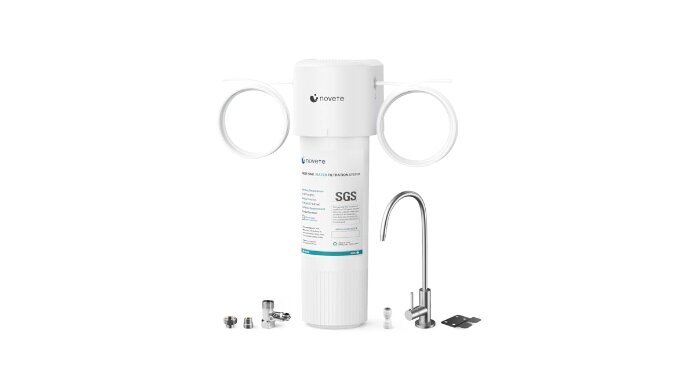
NOVETE Under Sink Water Filter - 3 Years, 30,000 Gallons, High-Efficiency Filtration
$41.99 $59.99
50% OFF

HDPE All-Weather Adirondack Chair with Built-In Cup Holder - Tool-Free Assembly (Grey)
$69.99 $139.99
60% OFF

HOMETUK Clear Plastic Storage Bins with Dividers - 3-Pack Stackable Acrylic Organizer Containers for Fridge and Pantry
$19.99 $49.99
58% OFF

G Gradual Men's Fishing Shirt - UPF 50+ Lightweight Short Sleeve Button Down with Zipper Pockets
$14.99 $35.99
55% OFF

Everyfun 60" Rectangular Platform Tree Swing - 700lbs Heavy Duty Adjustable Outdoor Swing (Colorful)
$49.99 $110.99
61% OFF

Ekouaer Women's Casual Loose Jumpsuit - One-Piece Printed Sleeveless Wide Leg Romper with Pockets
$14.99 $37.99
36% OFF

Men's Athletic Running Shorts with Zipper Pockets - Lightweight & Quick Dry
$12.74 $19.99
61% OFF

Modern Ceiling Fan with Light and Remote - Reversible Quiet DC Motor
$69.3 $179.99
50% OFF

MOOKA H13 True HEPA Air Purifier for Home Large Room - 1076 sq ft Odor Eliminator
$39.97 $79.95
40% OFF
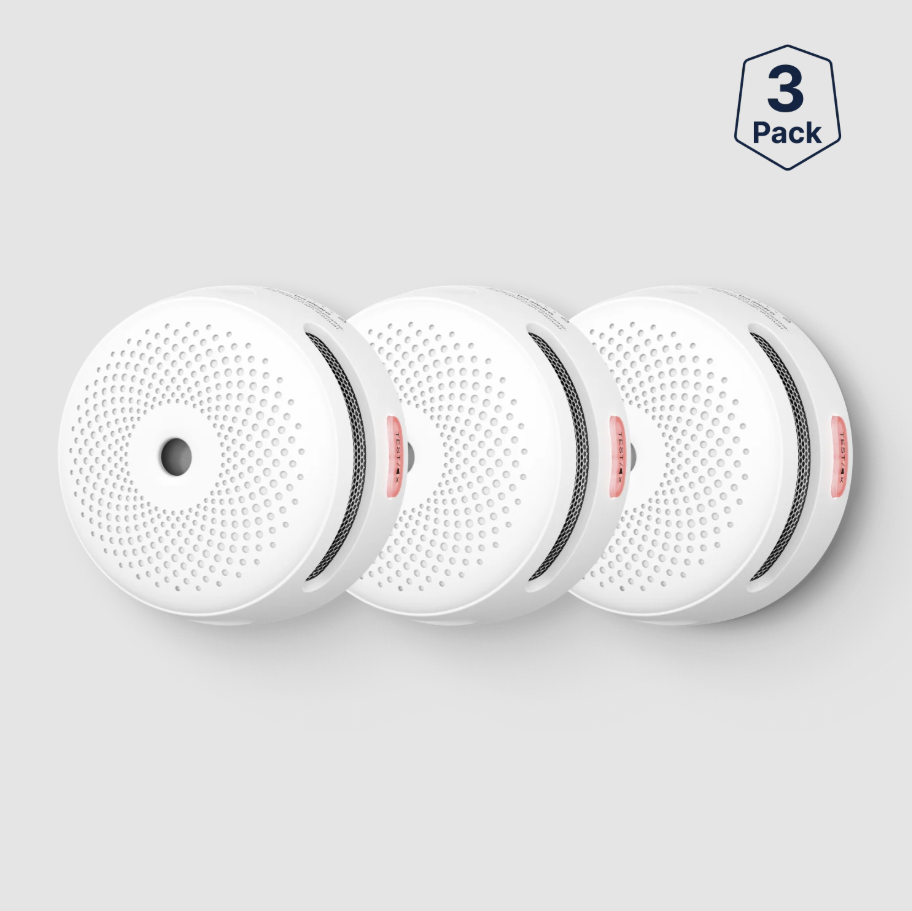
X-Sense XS01-WX Smart Smoke Alarm - 2.4 GHz Wi-Fi Photoelectric Fire Detector with Mobile App Alerts
$65.99 $109.99
11% OFF

VitaUp Beet Root Gummies with CoQ10 & Grape Seed - Nitric Oxide Circulation Support (60 Count)
$24.91 $27.91

Sealy 2-Pack Tritech 16" Twin Inflatable Air Mattress with Built-in AC Pump
$0 $113.99
20% OFF

INTEX Prism Frame 20ft x 52in Above Ground Pool Set - Round Steel Frame Swimming Pool
$695.99 $869.99

Gardner Pet 43" Heavy Duty Dog Crate with Wheels - Indestructible Folding Metal Cage (Black)
$0 $149.99




-

Diary of a CEO’s Steven Bartlett and John Lennox discuss AI, faith and the search for meaning
-

Belfast churches 'heartbroken' over unrest
-

Is there a two-tier Britain?
-

Churches must disciple well and listen well in response to rise of Christian nationalism
-

Biblical models and the creation of King Arthur
-

UK Supreme Court to hear Christian schools’ challenge to VAT on private school fees
Most Popular
News
Gloucester churches come together to bless River Avon amid pollution concerns
It is part of a broader campaign against river pollution as concerns remain about the amount of untreated sewage in the Avon.

Life beyond burnout: how Christians can grow in the desert seasons
Christian Today speaks to author and Anglican priest Tish Harrison Warren about growth in desert seasons and why the Church shouldn’t treat all spiritual weariness as a problem to fix.

Iranian-born bishop stands in solidarity with Britain's Jews
2025 had the second highest number of antisemitic incidents on record.

Bishops protest Israeli arrest of another Palestinian Christian
An Evangelical Lutheran has been accused of "promoting terrorist activities".
MANSPOT Electric Pubic Hair Trimmer - Waterproof Body and Groin Shaver for Men and Women (Black)
$20.39
Lick-Safe Dog Paw and Nose Balm Stick - All-Natural Moisturizer with Coconut Oil for Dry, Cracked Pads and Snout
$11.69
Men's Quick Dry Moisture Wicking Polo Shirt - High Elasticity Slim Fit Athletic Top (Runs Small)
$6.99
Men's Running Shorts with Zipper Pockets - Lightweight, Quick-Dry, Multi-Sport
$12.95
NEWFAST NF-RE523 AC1200 WiFi Extender - 1200Mbps Dual Band Signal Booster & Internet Repeater
$18.5
G Gradual Men's 7-inch Workout Running Shorts - Lightweight, Quick-Dry, Comfort
$12.91
NOVETE Under Sink Water Filter - 3 Years, 30,000 Gallons, High-Efficiency Filtration
$41.99
HDPE All-Weather Adirondack Chair with Built-In Cup Holder - Tool-Free Assembly (Grey)
$69.99
HOMETUK Clear Plastic Storage Bins with Dividers - 3-Pack Stackable Acrylic Organizer Containers for Fridge and Pantry
$19.99
G Gradual Men's Fishing Shirt - UPF 50+ Lightweight Short Sleeve Button Down with Zipper Pockets
$14.99
Everyfun 60" Rectangular Platform Tree Swing - 700lbs Heavy Duty Adjustable Outdoor Swing (Colorful)
$49.99
Ekouaer Women's Casual Loose Jumpsuit - One-Piece Printed Sleeveless Wide Leg Romper with Pockets
$14.99
Men's Athletic Running Shorts with Zipper Pockets - Lightweight & Quick Dry
$12.74
Modern Ceiling Fan with Light and Remote - Reversible Quiet DC Motor
$69.3
MOOKA H13 True HEPA Air Purifier for Home Large Room - 1076 sq ft Odor Eliminator
$39.97
X-Sense XS01-WX Smart Smoke Alarm - 2.4 GHz Wi-Fi Photoelectric Fire Detector with Mobile App Alerts
$65.99
VitaUp Beet Root Gummies with CoQ10 & Grape Seed - Nitric Oxide Circulation Support (60 Count)
$24.91
Sealy 2-Pack Tritech 16" Twin Inflatable Air Mattress with Built-in AC Pump
$0
INTEX Prism Frame 20ft x 52in Above Ground Pool Set - Round Steel Frame Swimming Pool
$695.99
Gardner Pet 43" Heavy Duty Dog Crate with Wheels - Indestructible Folding Metal Cage (Black)
$0