
Salwa Abu Jaber believes her story shows Israel discriminating against its Arab citizens, 60 years after the state was established as a haven for Jews.
The 32-year-old mother of four from northern Israel said her five-year-old daughter has never seen her father, who lives in the Israeli-occupied West Bank. Separated from the man for five years, she says she has been forced to divorce him.
Thousands of families have been similarly split by a 2003 ban on Palestinians in the West Bank from reuniting with their families inside Israel, imposed citing security reasons after the Palestinian uprising or intifada began in 2000.
"In practical terms, Israel forced the divorce on us," Abu Jaber said. "We could not continue to live like this any longer. If this is not racism, then what is it?"
This week, as Israel celebrates the anniversary of its foundation, its supreme court has said it found merit in the position of numerous petitions filed by rights groups against the law that keeps the families apart.
But Israeli Arabs - those Palestinians who remained after hundreds of thousands fled or were expelled from their homes when Israel was created - say institutionalized racism and illegal killings of Arabs have increased since the intifada started.
After 1948, about 120,000 stayed and were granted Israeli citizenship. Now about one in five Israelis is Arab, and many prefer to be called Palestinians like their kin outside Israel.
Israel denies it discriminates and touts its credentials as a multi-cultural democracy, arguing all citizens have the vote and are equal under the law. Arabic is an official language, alongside Hebrew.
Arabs say they also struggle to get jobs, housing and land.
"Arab citizens ... are related to more as enemies than as citizens with equal rights," the Association for Civil Rights in Israel (ACRI) said in its annual report.
The group said "racist incidents" against Arab citizens rose 26 percent in 2006. It did not have more recent figures. Poverty rates are four times higher among Israeli Arabs in comparison to Israeli Jews, according to Haifa-based advocacy group Mossawa.
Twelve Arab lawmakers including a cabinet member hold seats in Israel's 120-member parliament, but less than 8 percent of the country's civil service workforce is made up of Israeli Palestinians, according to a recent civil service report.
AFFIRMATIVE ACTION
The Israeli government acknowledges the gap between the Israeli Jews and Arabs and says it is taking affirmative action to boost the number of Arab civil servants to 10 percent by 2012, particularly in high-ranking posts.
"Israeli Arabs enjoy more freedom, more civil rights that any of their compatriots across the borders," Prime Minister Ehud Olmert's spokesman, Mark Regev, said.
But some rights groups, including ACRI, say Israel has also been using the law to cement the state's Jewish character.
Such draft bills, approved by parliament in 2007, include banning Arabs from buying land controlled by the Jewish National Fund, a quasi-governmental group that was founded before the state of Israel to buy and develop land in Palestine and later oversaw land distribution in the Jewish state.
The JNF also controls land owned by Palestinians before they fled or were driven from their homes when Israel was founded.
Another bill makes eligibility for national insurance benefits dependent on completing military service. Few Arabs serve in the army: unlike for Jews, service is not compulsory.
"The Palestinians inside Israel are being discriminated against in all spheres except for one: the right to vote," Mohammad Barakeh, a member of Israeli parliament, said.
Olmert's spokesman Regev said the bills did not reflect racist attitudes against Arabs, rather "legitimate differences of opinions".
LICENCE TO KILL?
About 1.5 million Arabs reside in Israel with 5.5 million Jews, but 3.8 million Palestinians live in the West Bank, Gaza and East Jerusalem.
U.S. President George W. Bush is hoping for an agreement this year to create a Palestinian state in the West Bank and Gaza Strip alongside Israel.
To Israelis, the government justifies holding talks about creating a Palestinian state by saying the alternative is a single state where Arabs would soon outnumber Jews.
A recent poll by Israel's parliamentary TV station showed 76 percent of Jewish Israelis give some degree of support to transferring Palestinians living inside Israel to a future state - an option most Arab citizens strongly reject.
"The Jews are the ones who immigrated to our homeland and took our land. We did not immigrate to their land so we cannot leave," said Jamal Zahalka, an Arab lawmaker.
The outbreak of the latest Palestinian intifada marked a turning-point in the way Israel treats its Arab citizens, many say, especially after 13 unarmed Israeli Arabs were killed in October 2000 when police used live ammunition to disperse protests in support of Palestinians in the occupied territories.
Rights groups say a January Israeli court decision not to indict the alleged killers due to "insufficient evidence" was tantamount to giving police a license to kill Arabs.
Two rights groups documented the killing of 41 Arabs by Israeli police or in "racist attacks" by Jews and security guards since 2000. Of those, only one suspected killer has been indicted, said Jafar Farah, director of advocacy group Mossawa.
"The message of (this court's) decision is the following: Israel is allowed to kill Arabs and to make mass arrests," said Abeer Baker, a lawyer with advocacy group Adala in Israel, which represented the families of those killed in the 2000 protests.
The court case rekindled painful memories for the families of those killed.
"They are re-opening my wounds," said Raoofa Lawabneh in Sakhnin in northern Israel as she held a poster of her son, Iyad, who was among those killed. "I wish to see his killer in jail before I die," said the 68-year-old mother of eight.
Many Israeli Arabs say they have lost faith in Israeli justice, arguing police were more restrained while dispersing gatherings by Israeli Jews.
"How come in a country that claims democracy, policemen shoot and kill citizens but no charge sheet is made?" asked Mossawa's Farah. "When it comes to Arab citizens, the law-abiding state does not exist."
50% OFF

All-Weather HDPE Plastic Adirondack Chair with Cup Holder – Navy Blue
$70 $139.99
50% OFF

7-Color LED Red Light Therapy Mask for Face and Anti-Aging
$29.99 $59.99
49% OFF
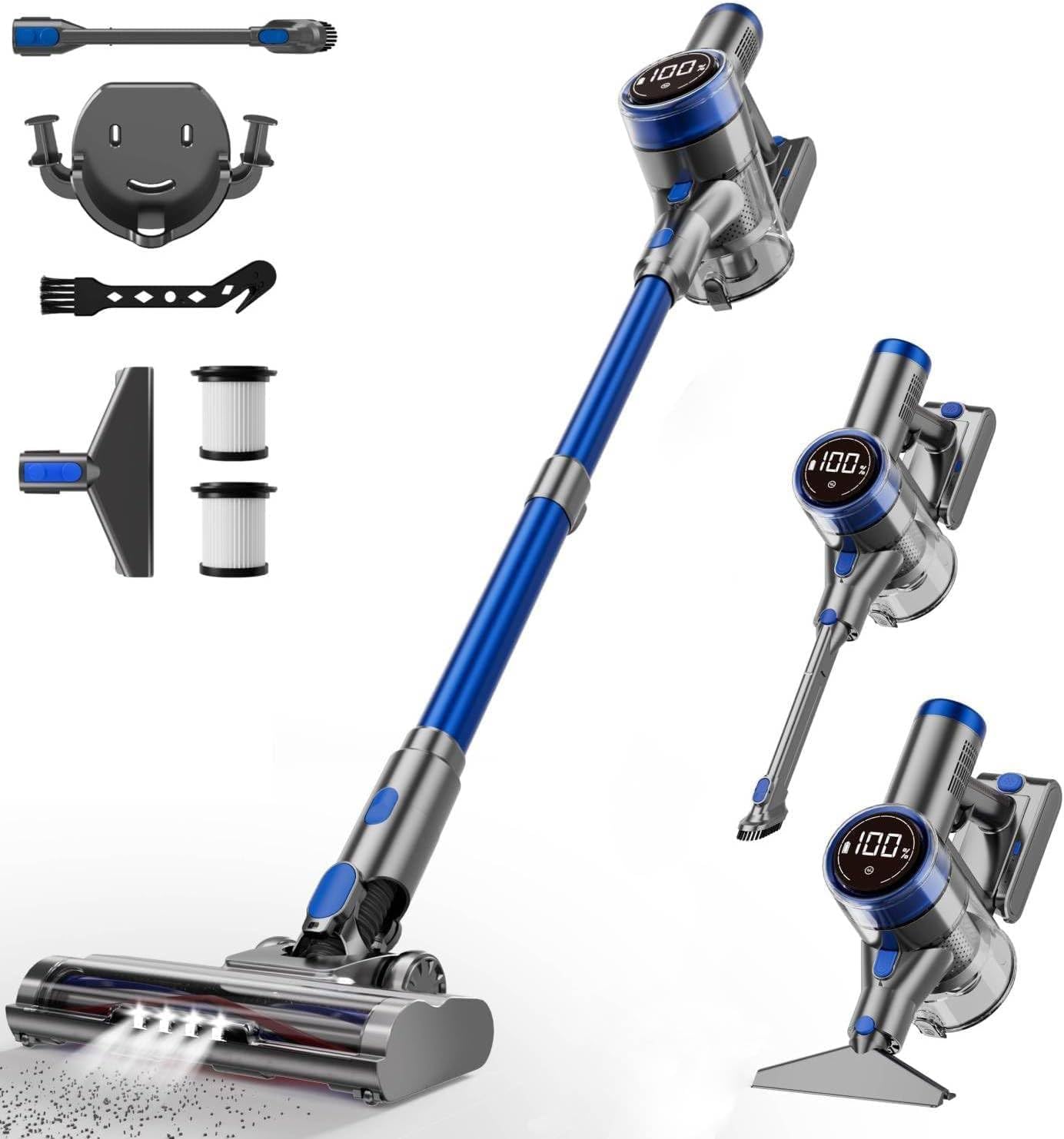
Cordless Vacuum Cleaner - 480W/45Kpa Powerful Stick Vacuum with LED Smart Touch Screen
$55.99 $109.99
20% OFF

Hypoallergenic Pet Wipes for Dogs & Cats - 400 Count Extra Large Coconut Scented Grooming Wipes
$24.79 $30.99
49% OFF

MANSPOT Electric Pubic Hair Trimmer - Waterproof Body and Groin Shaver for Men and Women (Black)
$20.39 $40
25% OFF

Lick-Safe Dog Paw and Nose Balm Stick - All-Natural Moisturizer with Coconut Oil for Dry, Cracked Pads and Snout
$11.69 $15.59
77% OFF
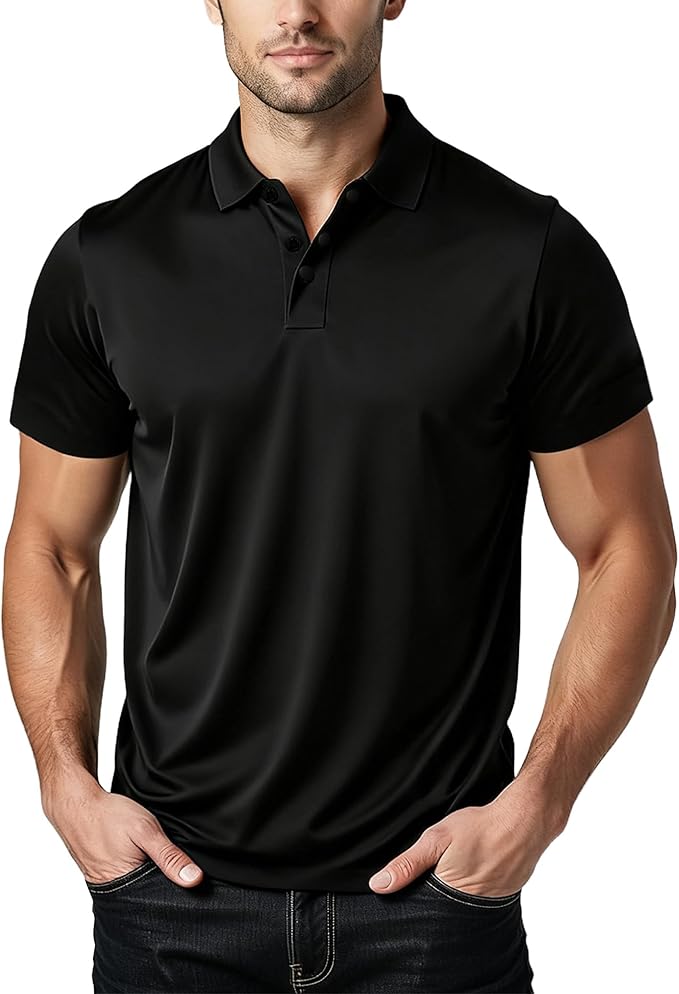
Men's Quick Dry Moisture Wicking Polo Shirt - High Elasticity Slim Fit Athletic Top (Runs Small)
$6.99 $29.99
46% OFF
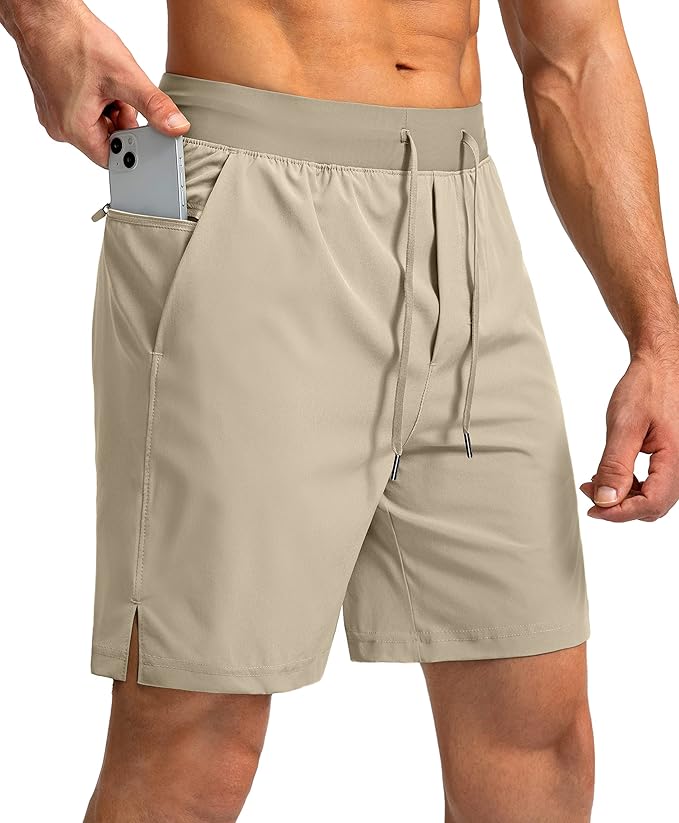
Men's Running Shorts with Zipper Pockets - Lightweight, Quick-Dry, Multi-Sport
$12.95 $23.99
50% OFF

NEWFAST NF-RE523 AC1200 WiFi Extender - 1200Mbps Dual Band Signal Booster & Internet Repeater
$18.5 $36.99
48% OFF

G Gradual Men's 7-inch Workout Running Shorts - Lightweight, Quick-Dry, Comfort
$12.91 $24.99
30% OFF
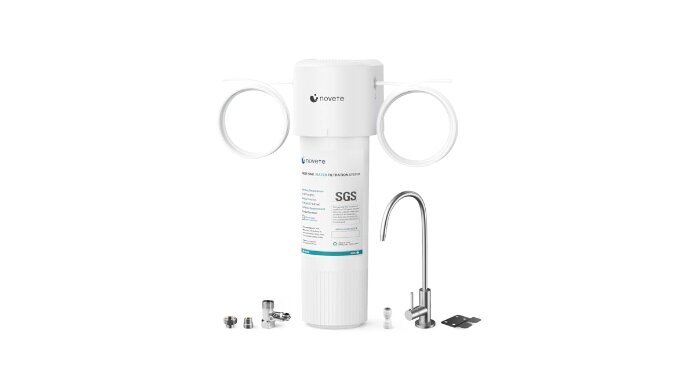
NOVETE Under Sink Water Filter - 3 Years, 30,000 Gallons, High-Efficiency Filtration
$41.99 $59.99
50% OFF

HDPE All-Weather Adirondack Chair with Built-In Cup Holder - Tool-Free Assembly (Grey)
$69.99 $139.99
60% OFF

HOMETUK Clear Plastic Storage Bins with Dividers - 3-Pack Stackable Acrylic Organizer Containers for Fridge and Pantry
$19.99 $49.99
58% OFF

G Gradual Men's Fishing Shirt - UPF 50+ Lightweight Short Sleeve Button Down with Zipper Pockets
$14.99 $35.99
55% OFF

Everyfun 60" Rectangular Platform Tree Swing - 700lbs Heavy Duty Adjustable Outdoor Swing (Colorful)
$49.99 $110.99
61% OFF

Ekouaer Women's Casual Loose Jumpsuit - One-Piece Printed Sleeveless Wide Leg Romper with Pockets
$14.99 $37.99
36% OFF

Men's Athletic Running Shorts with Zipper Pockets - Lightweight & Quick Dry
$12.74 $19.99
61% OFF

Modern Ceiling Fan with Light and Remote - Reversible Quiet DC Motor
$69.3 $179.99
50% OFF

MOOKA H13 True HEPA Air Purifier for Home Large Room - 1076 sq ft Odor Eliminator
$39.97 $79.95
40% OFF
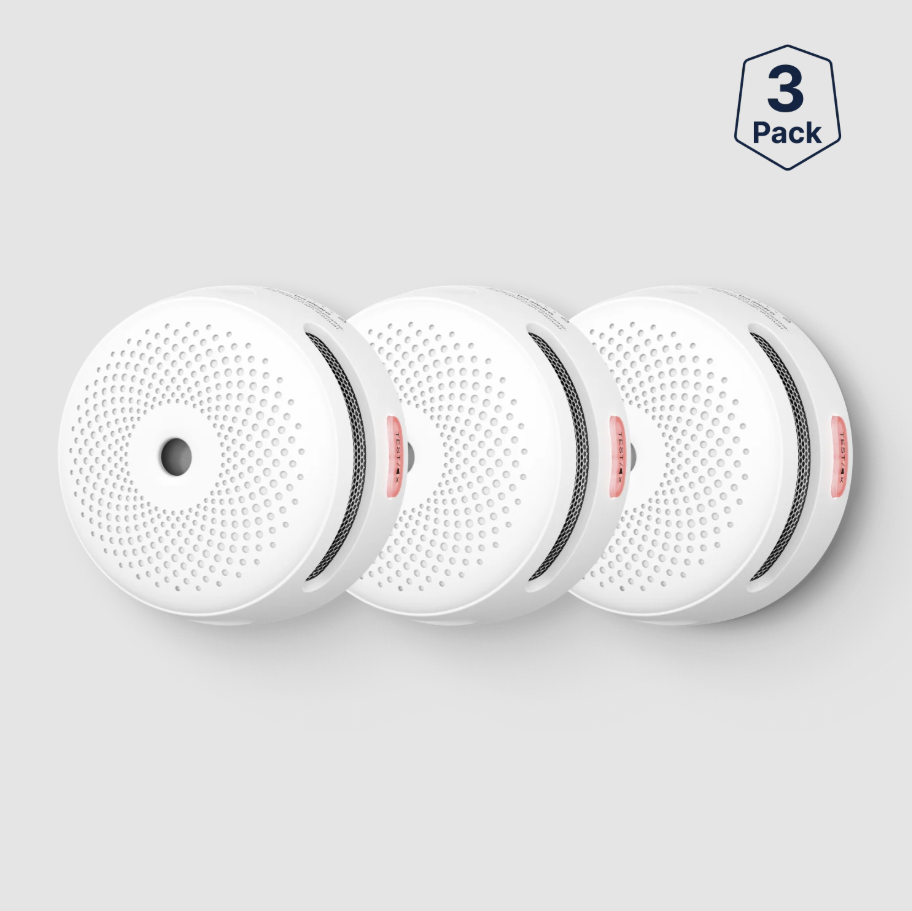
X-Sense XS01-WX Smart Smoke Alarm - 2.4 GHz Wi-Fi Photoelectric Fire Detector with Mobile App Alerts
$65.99 $109.99
-

Life beyond burnout: how Christians can grow in the desert seasons
-

New attempt to revive assisted suicide bill faces opposition
-

A Christian reflection on men’s health week: Jesus - the man we were created to be
-

Anti-Christian hate crimes across Europe surge in May as arson attacks reach 2026 high
News
-

Anti-Christian hate crimes across Europe surge in May as arson attacks reach 2026 high
-

Belfast churches 'heartbroken' over unrest
-

Churches must disciple well and listen well in response to rise of Christian nationalism
-

Welsh reverend speaks of culture of fear over LGBT issues
-

South Wales Police back down on imposing Islamic 'blasphemy law'
-

Making cohabitation equal with marriage is 'unfair', Christians argue
Most Popular
News
African Christian leaders demand justice after Mozambican bishop shot dead
Christian leaders across Africa have called for a full investigation into the killing of a Mozambican bishop who was shot dead at his residence.
Lebanese Christians on the brink as peace deal agreed
The Christian population of the Middle East has drastically declined due to ongoing conflict.

A Christian reflection on men’s health week: Jesus - the man we were created to be
As Men’s Health Week reminds us of the challenges many men face, perhaps there is no better time to look again at Jesus Christ. In Him we find not only a model for manhood, but the way to life itself.

Kyiv’s Dormition Cathedral badly damaged in major Russian strikes on Ukrainian capital
Kyiv’s historic Dormition Cathedral, part of the UNESCO-listed Pechersk Lavra monastery complex, caught fire overnight after a wave of Russian missile and drone strikes on the Ukrainian capital.
All-Weather HDPE Plastic Adirondack Chair with Cup Holder – Navy Blue
$70
7-Color LED Red Light Therapy Mask for Face and Anti-Aging
$29.99
Cordless Vacuum Cleaner - 480W/45Kpa Powerful Stick Vacuum with LED Smart Touch Screen
$55.99
Hypoallergenic Pet Wipes for Dogs & Cats - 400 Count Extra Large Coconut Scented Grooming Wipes
$24.79
MANSPOT Electric Pubic Hair Trimmer - Waterproof Body and Groin Shaver for Men and Women (Black)
$20.39
Lick-Safe Dog Paw and Nose Balm Stick - All-Natural Moisturizer with Coconut Oil for Dry, Cracked Pads and Snout
$11.69
Men's Quick Dry Moisture Wicking Polo Shirt - High Elasticity Slim Fit Athletic Top (Runs Small)
$6.99
Men's Running Shorts with Zipper Pockets - Lightweight, Quick-Dry, Multi-Sport
$12.95
NEWFAST NF-RE523 AC1200 WiFi Extender - 1200Mbps Dual Band Signal Booster & Internet Repeater
$18.5
G Gradual Men's 7-inch Workout Running Shorts - Lightweight, Quick-Dry, Comfort
$12.91
NOVETE Under Sink Water Filter - 3 Years, 30,000 Gallons, High-Efficiency Filtration
$41.99
HDPE All-Weather Adirondack Chair with Built-In Cup Holder - Tool-Free Assembly (Grey)
$69.99
HOMETUK Clear Plastic Storage Bins with Dividers - 3-Pack Stackable Acrylic Organizer Containers for Fridge and Pantry
$19.99
G Gradual Men's Fishing Shirt - UPF 50+ Lightweight Short Sleeve Button Down with Zipper Pockets
$14.99
Everyfun 60" Rectangular Platform Tree Swing - 700lbs Heavy Duty Adjustable Outdoor Swing (Colorful)
$49.99
Ekouaer Women's Casual Loose Jumpsuit - One-Piece Printed Sleeveless Wide Leg Romper with Pockets
$14.99
Men's Athletic Running Shorts with Zipper Pockets - Lightweight & Quick Dry
$12.74
Modern Ceiling Fan with Light and Remote - Reversible Quiet DC Motor
$69.3
MOOKA H13 True HEPA Air Purifier for Home Large Room - 1076 sq ft Odor Eliminator
$39.97
X-Sense XS01-WX Smart Smoke Alarm - 2.4 GHz Wi-Fi Photoelectric Fire Detector with Mobile App Alerts
$65.99