
|PIC1|An Anglican council that advises member churches worldwide and works to facilitate cooperative work has announced the continuation of a listening process that seeks to open the ears of Anglicans to the experiences of homosexuals.
Called The Continuing Indaba and Mutual Listening Project, the listening process is a commitment to "a real seeking of a common mind upon the issues which threaten to divide us".
"Indaba" is a Zulu word for the process of decision making by consensus common in many African cultures. It seeks to have all the parties involved come together to dialogue and tackle the root controversies in the Anglican Communion, including the authority of Scripture, faithfulness to tradition and the respect for the dignity of all.
The Rev Canon Phil Groves announced the continuation of the indaba process at the 14th Anglican Consultative Council meeting this week. The process aims to escape the western top-down "adversarial democratic processes" and ground itself on "biblical models" of mutual listening.
"We are committed to developing trust and ensuring transparency," said Groves, according to the Episcopal News Service. "It was something that I had to work very hard on. People didn't actually trust that they were going to be quoted in the right way."
He noted that trust must be based on the belief that "we're not going to amend or betray the Gospel, either in its open word of welcome to all people or in its call to obedience to all people", as reported by ENS.
Groves recognised that the listening process is not the answer to their problems but indicated that it is part of their journey toward reconciliation and is worth trying.
"We expect hard questions to be asked of one another," he said. "We do expect some very difficult times."
On Friday, delegates decided against sending out a draft convenant aimed at unity to member churches for consideration. They instead asked that the Archbishop of Canterbury appoint a small working group to “consider and consult with the provinces” on a controversial section of the Ridley-Cambridge draft dealing with dispute resolution and the definition of entities able to sign on to the covenant, according to Anglican Journal.
The Continuing Indaba project is a renewal of a listening process that began in 1998 in response to divisions over homosexuality.
The Episcopal Church – the US arm of Anglicanism – widened rifts in 2003 when it consecrated the first openly gay bishop.
Dato Stanley Isaacs of the Church of South East Asia told the council that healing and reconciliation cannot come about for The Episcopal Church unless they also listen to those who have been disaffected by the national church's pro-gay actions, according to the Episcopal News Service.
Isaacs suggested that the listening process include a provision for those who have been affected by the affirmative actions on homosexuality.
Dozens of churches have split from The Episcopal Church, citing theological differences, particularly over homosexuality. The breakaway congregations believe The Episcopal Church has abandoned Christian orthodox teaching and Anglican tradition and will not get back in line with the rest of the Communion.
The conservative churches are now in the process of forming what is seen as a rival body in North America.
"These people have been severely affected by the affirmative action of The Episcopal Church on matters of human sexuality and they have gone through certain measure of suffering and in some cases persecution and therefore we feel it is necessary that the Listening Process be extended to include a hearing of their case including hearing from those who have called for primatial oversight from outside North America and also to hear from those who have agreed to provide that," Isaacs said, according to VirtueOnline.
Isaacs added: "It is only in this way that the hearing is said to be balanced so that there could be a possible healing and restoration of the church in North America."
The Continuing Indaba Project will run five pilot conversations across the Anglican Communion, focusing on mission issues and addressing "difficult" questions.
"The hope will be that the result of the conversations will be a depth of agreement and the clarification of disagreement resulting in positive missional relationships," said Isaacs.
The process is being funded with a $1.5 million grant by the Satcher Health Leadership Institute at the Morehouse School of Medicine based in Atlanta, Georgia.
49% OFF
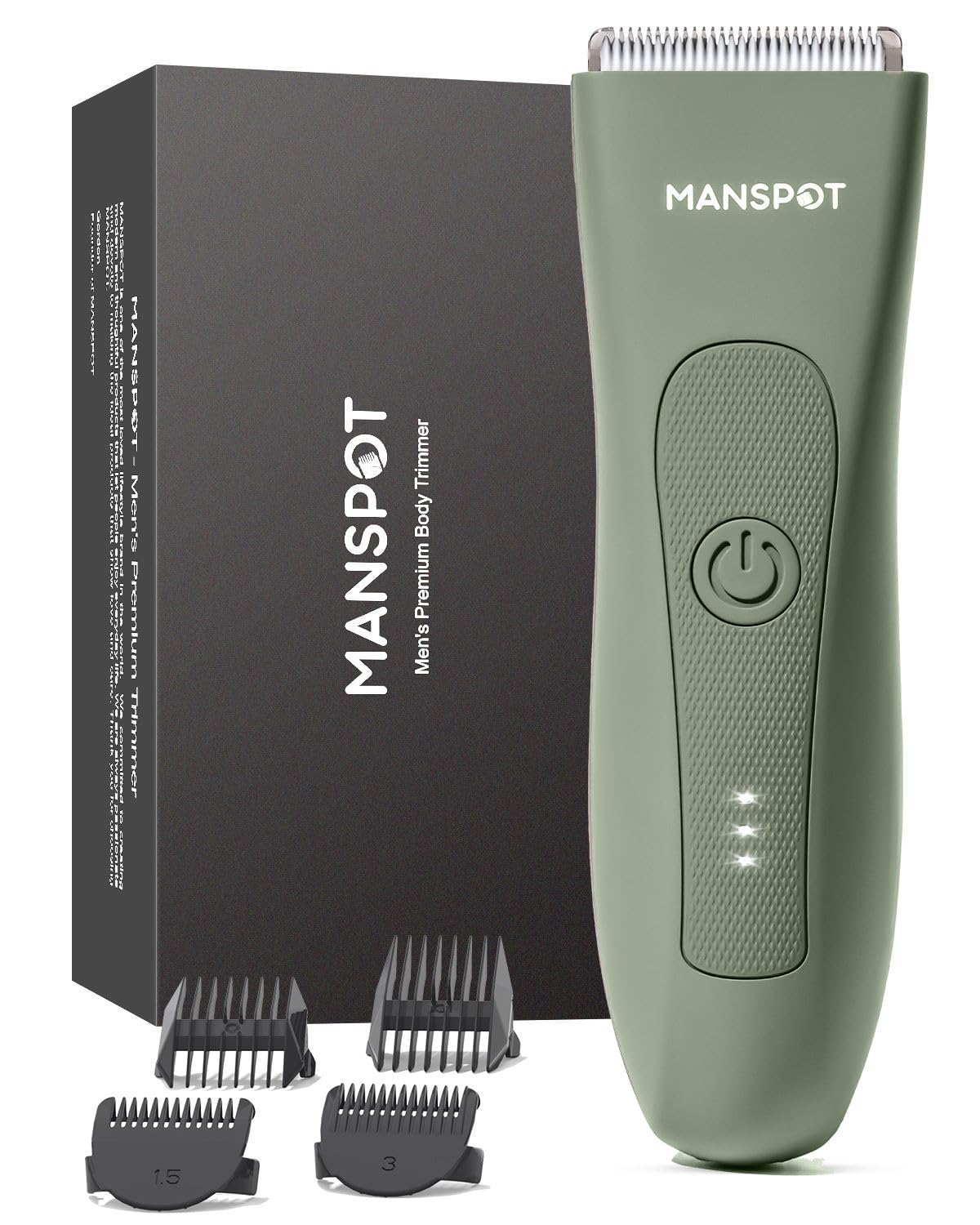
MANSPOT Electric Pubic Hair Trimmer - Waterproof Body and Groin Shaver for Men and Women (Black)
$20.39 $40
25% OFF

Lick-Safe Dog Paw and Nose Balm Stick - All-Natural Moisturizer with Coconut Oil for Dry, Cracked Pads and Snout
$11.69 $15.59
77% OFF
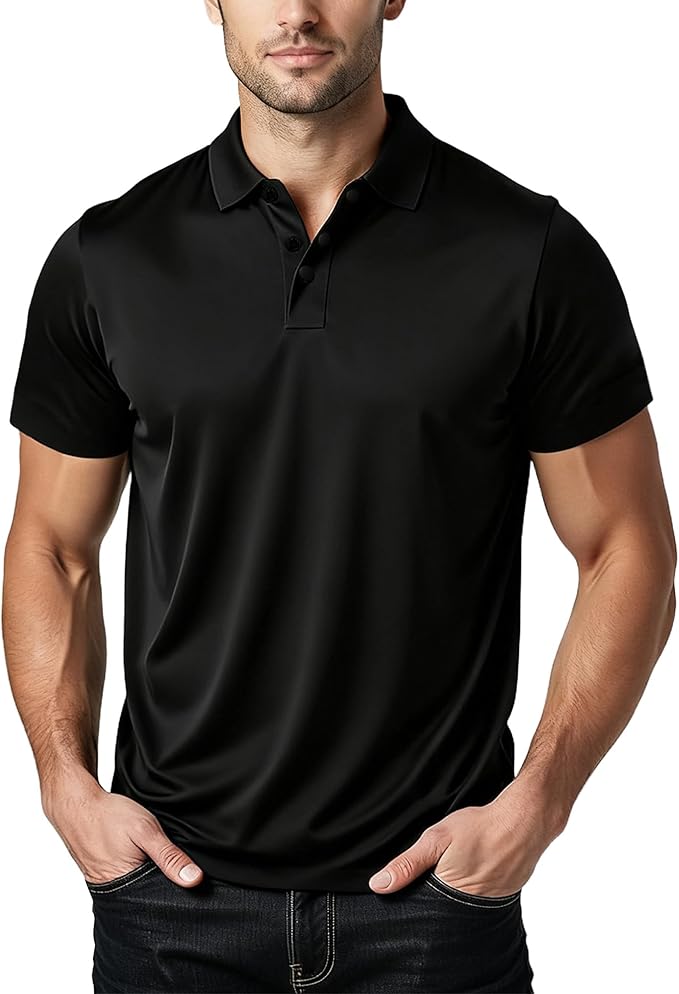
Men's Quick Dry Moisture Wicking Polo Shirt - High Elasticity Slim Fit Athletic Top (Runs Small)
$6.99 $29.99
46% OFF

Men's Running Shorts with Zipper Pockets - Lightweight, Quick-Dry, Multi-Sport
$12.95 $23.99
50% OFF
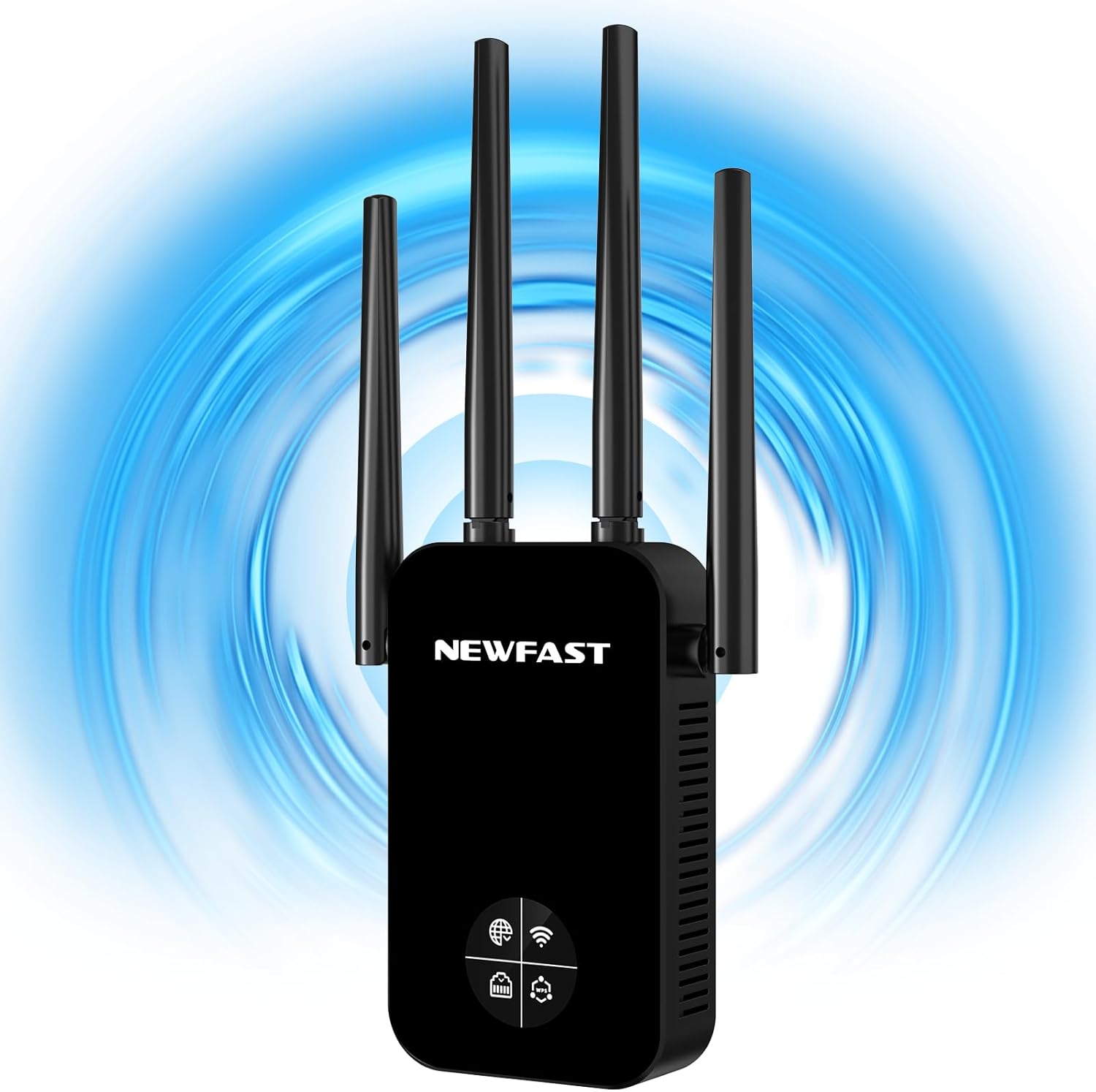
NEWFAST NF-RE523 AC1200 WiFi Extender - 1200Mbps Dual Band Signal Booster & Internet Repeater
$18.5 $36.99
48% OFF

G Gradual Men's 7-inch Workout Running Shorts - Lightweight, Quick-Dry, Comfort
$12.91 $24.99
30% OFF
NOVETE Under Sink Water Filter - 3 Years, 30,000 Gallons, High-Efficiency Filtration
$41.99 $59.99
50% OFF
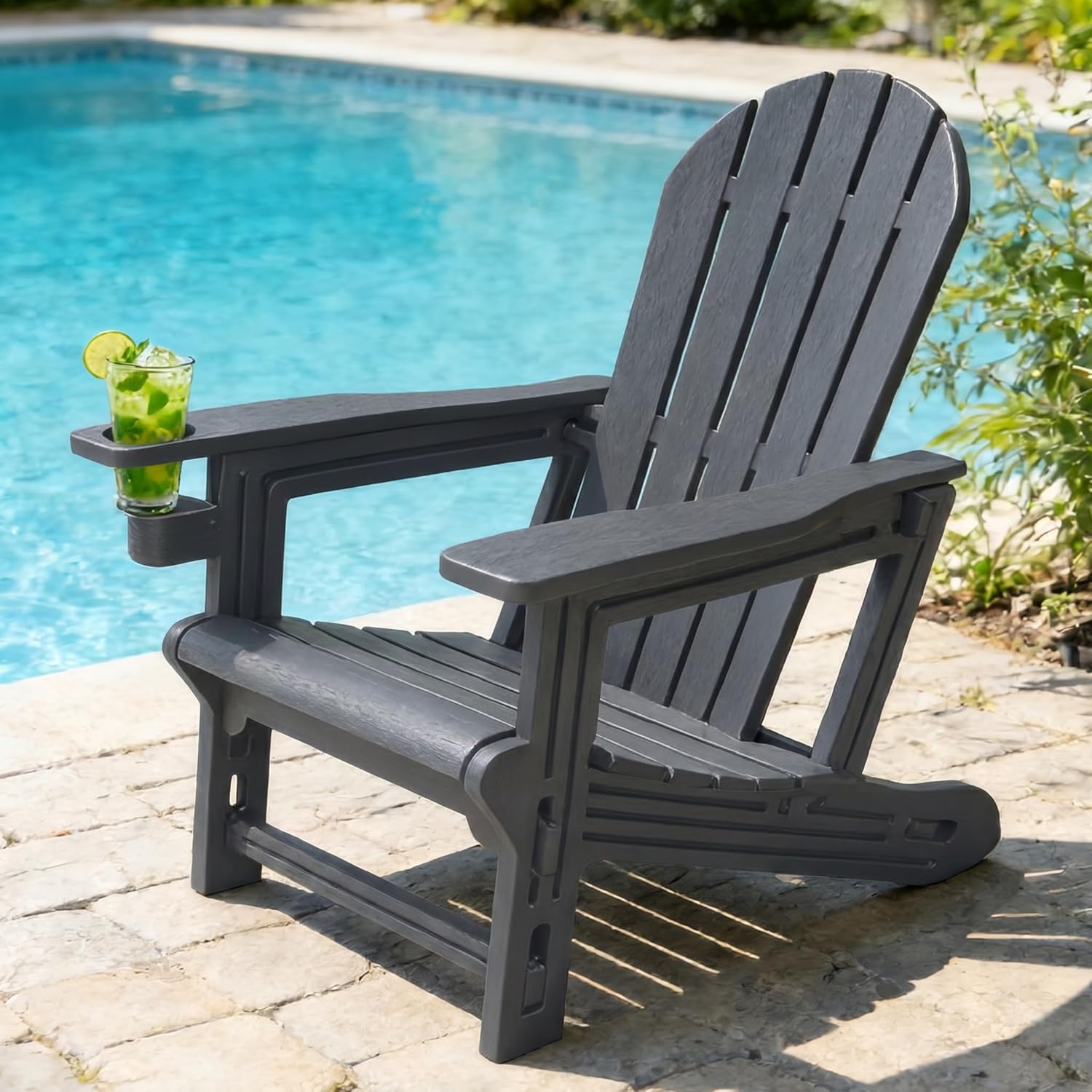
HDPE All-Weather Adirondack Chair with Built-In Cup Holder - Tool-Free Assembly (Grey)
$69.99 $139.99
60% OFF

HOMETUK Clear Plastic Storage Bins with Dividers - 3-Pack Stackable Acrylic Organizer Containers for Fridge and Pantry
$19.99 $49.99
58% OFF
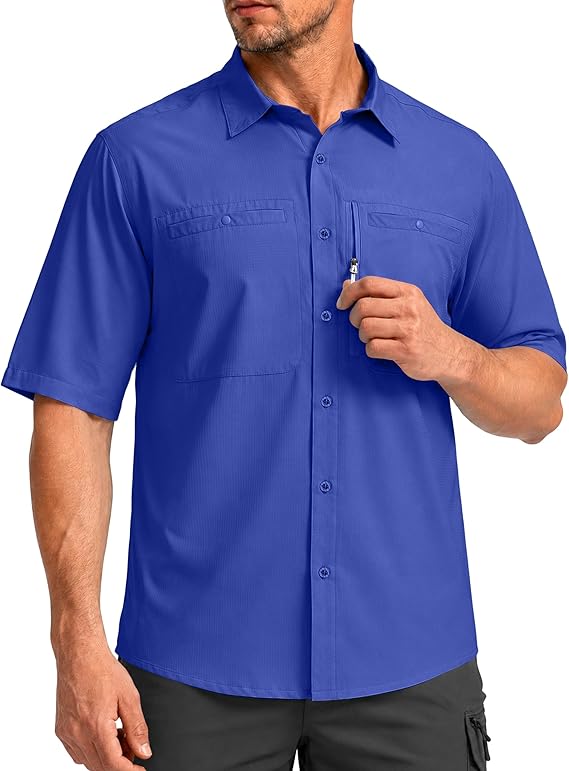
G Gradual Men's Fishing Shirt - UPF 50+ Lightweight Short Sleeve Button Down with Zipper Pockets
$14.99 $35.99
55% OFF

Everyfun 60" Rectangular Platform Tree Swing - 700lbs Heavy Duty Adjustable Outdoor Swing (Colorful)
$49.99 $110.99
61% OFF

Ekouaer Women's Casual Loose Jumpsuit - One-Piece Printed Sleeveless Wide Leg Romper with Pockets
$14.99 $37.99
36% OFF
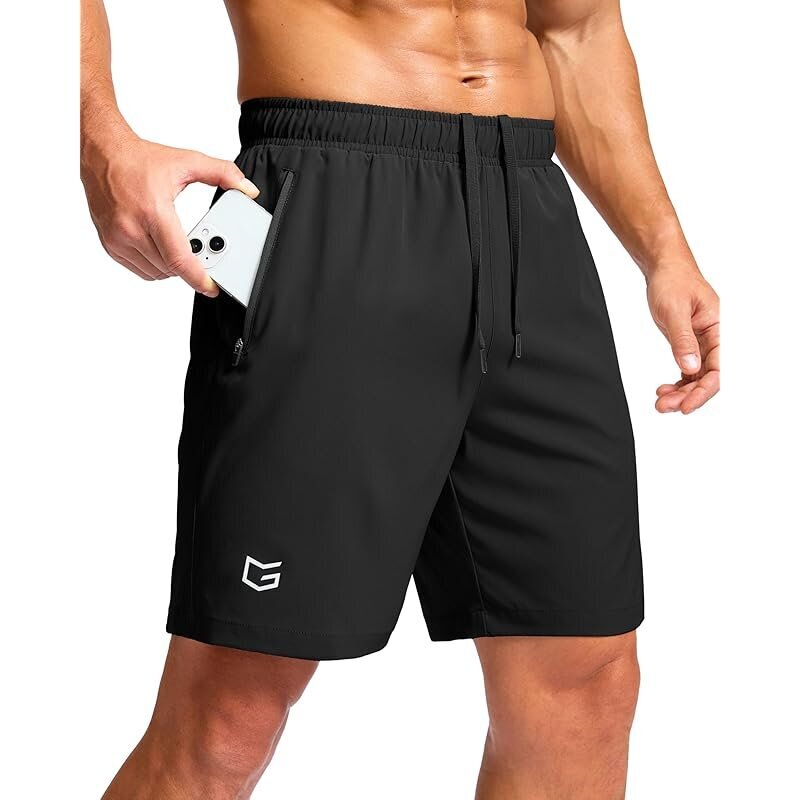
Men's Athletic Running Shorts with Zipper Pockets - Lightweight & Quick Dry
$12.74 $19.99
61% OFF
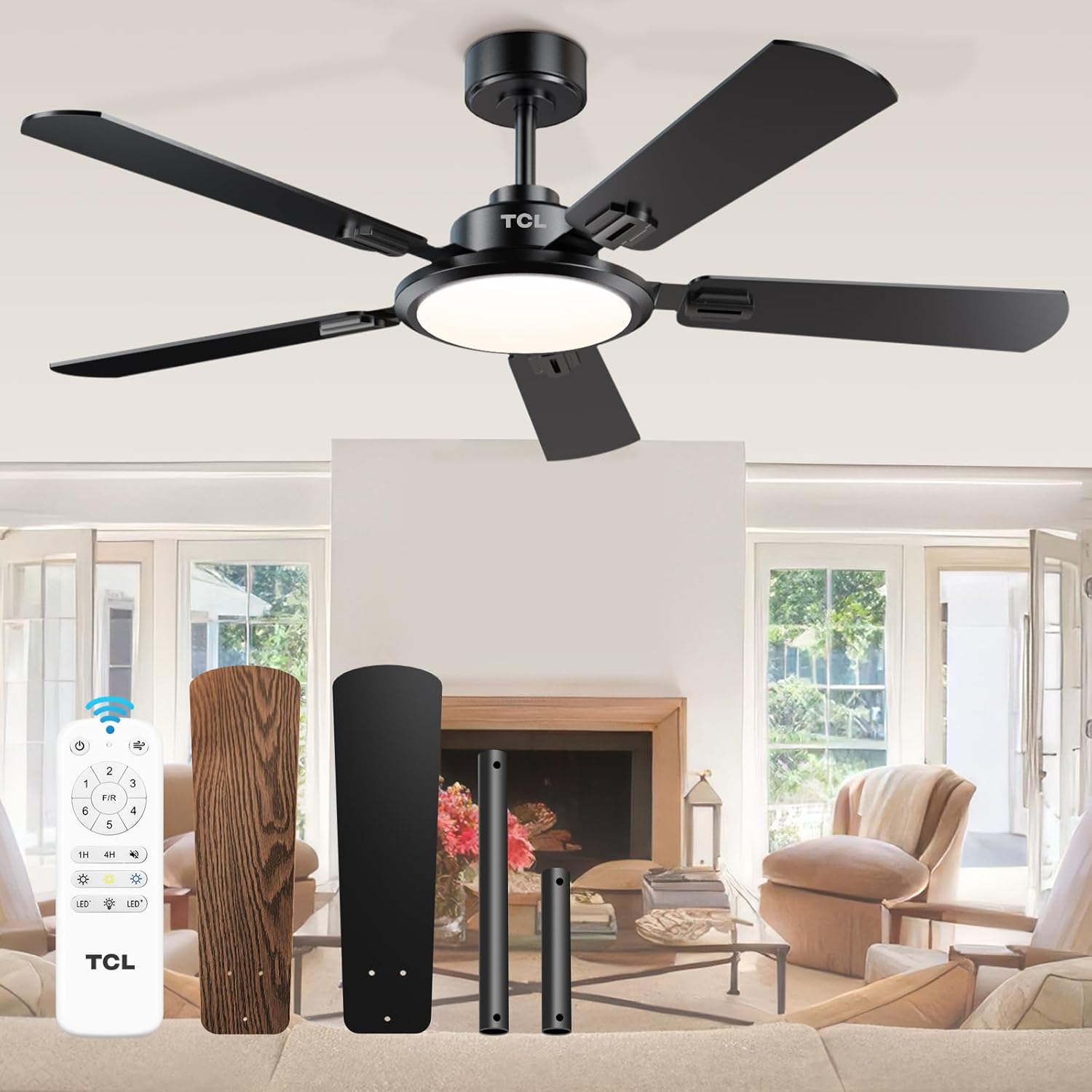
Modern Ceiling Fan with Light and Remote - Reversible Quiet DC Motor
$69.3 $179.99
50% OFF
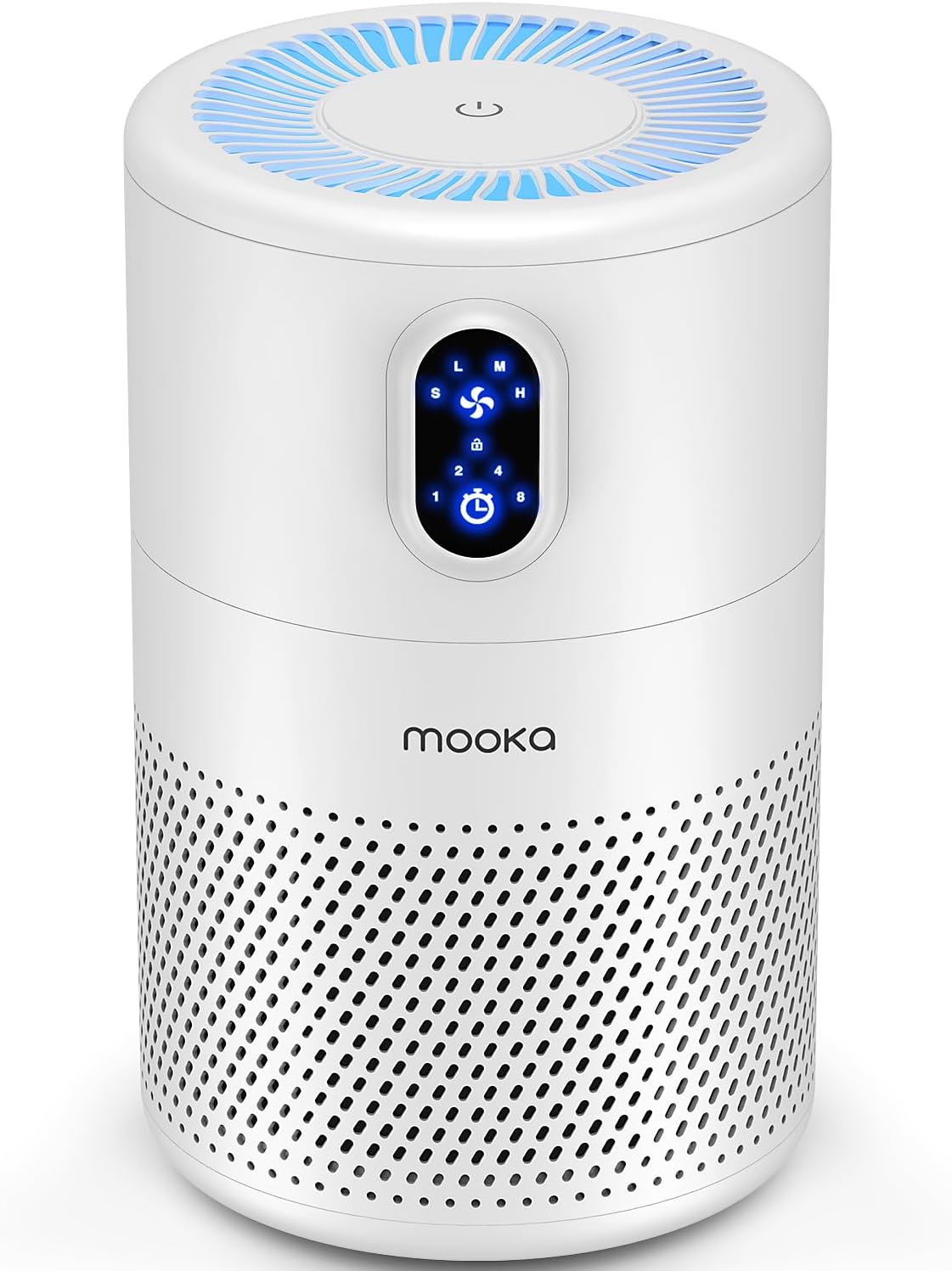
MOOKA H13 True HEPA Air Purifier for Home Large Room - 1076 sq ft Odor Eliminator
$39.97 $79.95
40% OFF
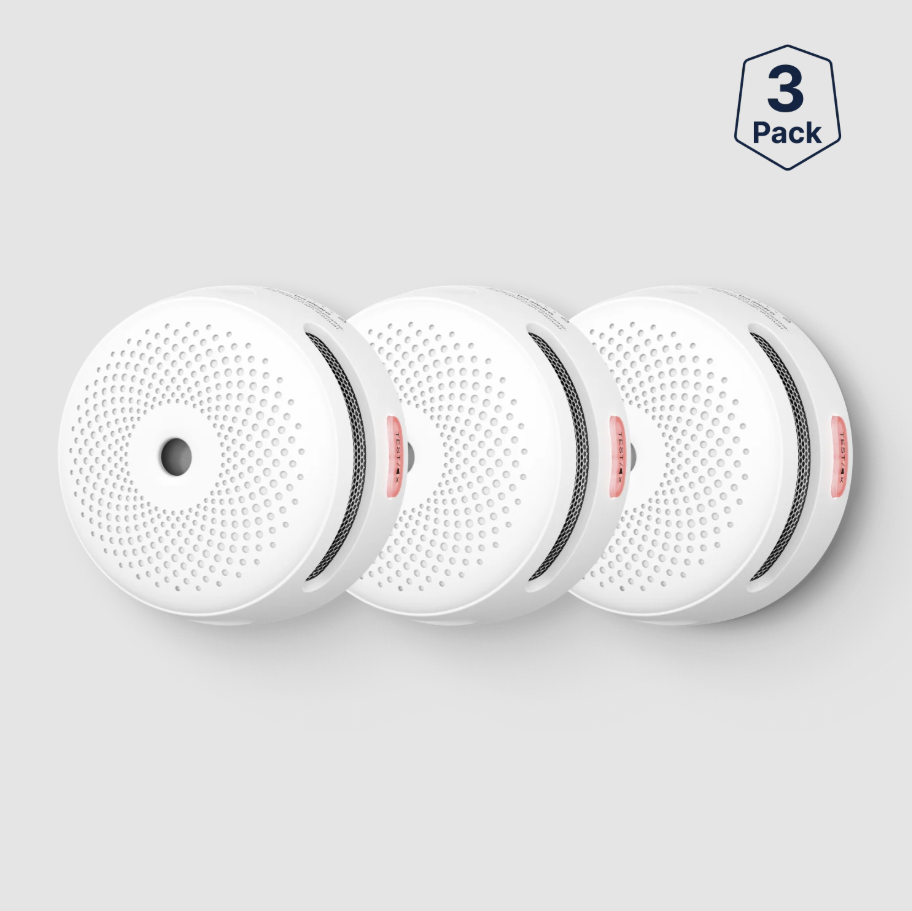
X-Sense XS01-WX Smart Smoke Alarm - 2.4 GHz Wi-Fi Photoelectric Fire Detector with Mobile App Alerts
$65.99 $109.99
11% OFF

VitaUp Beet Root Gummies with CoQ10 & Grape Seed - Nitric Oxide Circulation Support (60 Count)
$24.91 $27.91
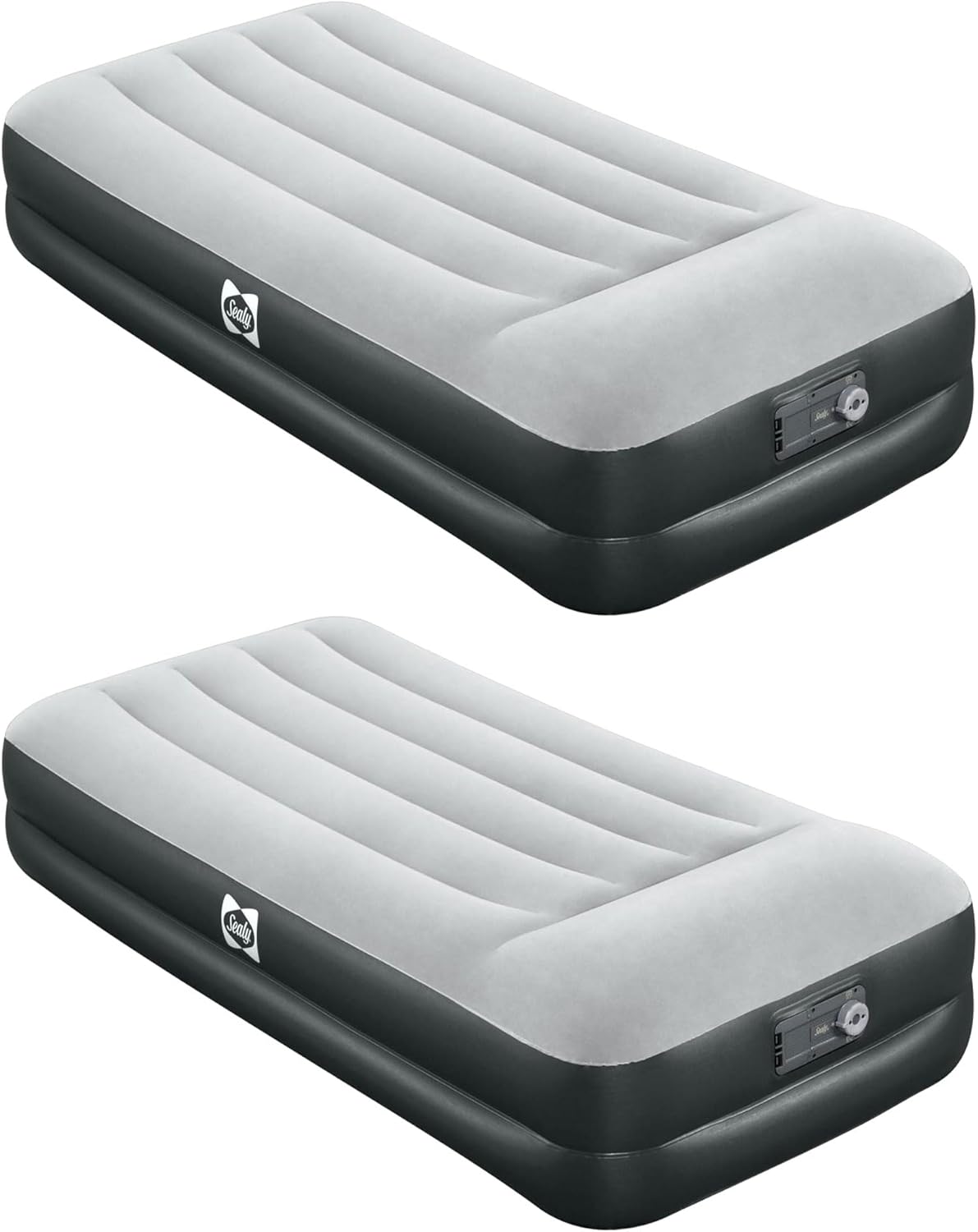
Sealy 2-Pack Tritech 16" Twin Inflatable Air Mattress with Built-in AC Pump
$0 $113.99
20% OFF
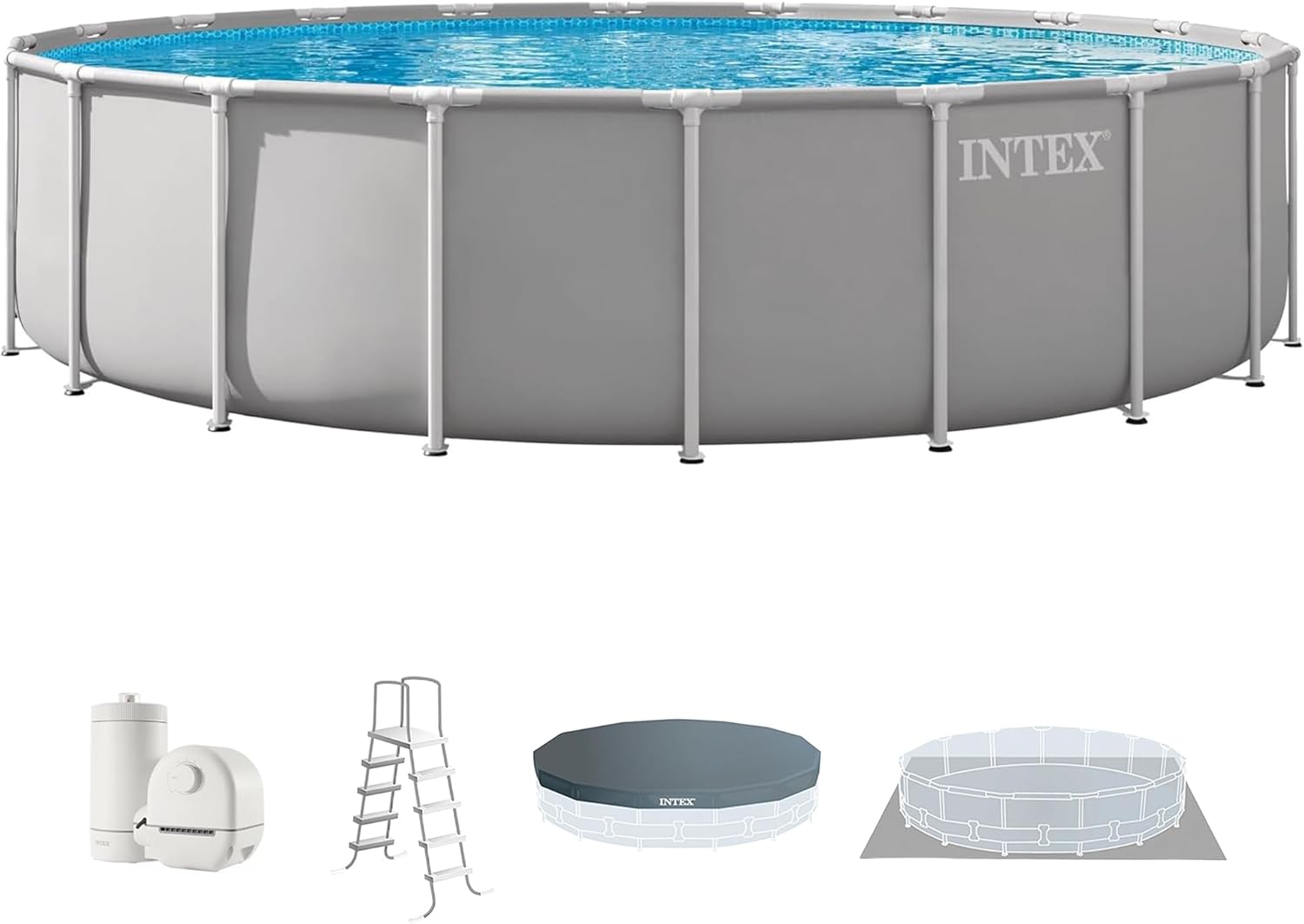
INTEX Prism Frame 20ft x 52in Above Ground Pool Set - Round Steel Frame Swimming Pool
$695.99 $869.99

Gardner Pet 43" Heavy Duty Dog Crate with Wheels - Indestructible Folding Metal Cage (Black)
$0 $149.99




-

Diary of a CEO’s Steven Bartlett and John Lennox discuss AI, faith and the search for meaning
-

Anti-Christian hate crimes across Europe surge in May as arson attacks reach 2026 high
-

Belfast churches 'heartbroken' over unrest
-

Churches must disciple well and listen well in response to rise of Christian nationalism
-

Welsh reverend speaks of culture of fear over LGBT issues
-

South Wales Police back down on imposing Islamic 'blasphemy law'
Most Popular
News

New attempt to revive assisted suicide bill faces opposition
Fresh attempts to make assisted suicide legal have been met with disappointment by opponents.

Anti-Christian hate crimes across Europe surge in May as arson attacks reach 2026 high
Anti-Christian incidents across Europe rose sharply in May, with new figures showing the highest monthly number of arson-related attacks recorded so far this year.

Gloucester churches come together to bless River Avon amid pollution concerns
It is part of a broader campaign against river pollution as concerns remain about the amount of untreated sewage in the Avon.

Life beyond burnout: how Christians can grow in the desert seasons
Christian Today speaks to author and Anglican priest Tish Harrison Warren about growth in desert seasons and why the Church shouldn’t treat all spiritual weariness as a problem to fix.
MANSPOT Electric Pubic Hair Trimmer - Waterproof Body and Groin Shaver for Men and Women (Black)
$20.39
Lick-Safe Dog Paw and Nose Balm Stick - All-Natural Moisturizer with Coconut Oil for Dry, Cracked Pads and Snout
$11.69
Men's Quick Dry Moisture Wicking Polo Shirt - High Elasticity Slim Fit Athletic Top (Runs Small)
$6.99
Men's Running Shorts with Zipper Pockets - Lightweight, Quick-Dry, Multi-Sport
$12.95
NEWFAST NF-RE523 AC1200 WiFi Extender - 1200Mbps Dual Band Signal Booster & Internet Repeater
$18.5
G Gradual Men's 7-inch Workout Running Shorts - Lightweight, Quick-Dry, Comfort
$12.91
NOVETE Under Sink Water Filter - 3 Years, 30,000 Gallons, High-Efficiency Filtration
$41.99
HDPE All-Weather Adirondack Chair with Built-In Cup Holder - Tool-Free Assembly (Grey)
$69.99
HOMETUK Clear Plastic Storage Bins with Dividers - 3-Pack Stackable Acrylic Organizer Containers for Fridge and Pantry
$19.99
G Gradual Men's Fishing Shirt - UPF 50+ Lightweight Short Sleeve Button Down with Zipper Pockets
$14.99
Everyfun 60" Rectangular Platform Tree Swing - 700lbs Heavy Duty Adjustable Outdoor Swing (Colorful)
$49.99
Ekouaer Women's Casual Loose Jumpsuit - One-Piece Printed Sleeveless Wide Leg Romper with Pockets
$14.99
Men's Athletic Running Shorts with Zipper Pockets - Lightweight & Quick Dry
$12.74
Modern Ceiling Fan with Light and Remote - Reversible Quiet DC Motor
$69.3
MOOKA H13 True HEPA Air Purifier for Home Large Room - 1076 sq ft Odor Eliminator
$39.97
X-Sense XS01-WX Smart Smoke Alarm - 2.4 GHz Wi-Fi Photoelectric Fire Detector with Mobile App Alerts
$65.99
VitaUp Beet Root Gummies with CoQ10 & Grape Seed - Nitric Oxide Circulation Support (60 Count)
$24.91
Sealy 2-Pack Tritech 16" Twin Inflatable Air Mattress with Built-in AC Pump
$0
INTEX Prism Frame 20ft x 52in Above Ground Pool Set - Round Steel Frame Swimming Pool
$695.99
Gardner Pet 43" Heavy Duty Dog Crate with Wheels - Indestructible Folding Metal Cage (Black)
$0