
While besuited government officials slug it out at world trade talks in Geneva this week, African peasant farmers watching their cotton plants grow hope any deal will allow them to farm their way out of poverty.
Subsidies that encourage farmers to grow more cotton in rich countries like the United States are blamed for flooding the market and depressing world prices in recent years, making it harder for poor farmers in Africa to make ends meet.
"It is the growers at the bottom who suffer," said Seydou Ouedraogo, who grows cotton near Leo, some 200 km (125 miles) south of Burkina Faso's capital Ouagadougou.
"We just want to be treated equally. It is our only source of income, and only cotton can lift us out of poverty. This is unfair competition," Ouedraogo said.
At this time of year, the cotton plants here are still small, standing 20-30 cm (1-foot) tall. Their broad green leaves standing out against the rich, dark earth which has soaked up the seasonal rains of the past couple of months.
Burkina Faso, West Africa's top cotton producer, is a leading member of the Cotton-4, or "C-4" group, which has pressed World Trade Organisation (WTO) negotiators to include extra restrictions on cotton subsidies in any final trade deal.
The group, which also includes Mali, Benin and Chad, has had some success. Negotiators in Geneva are discussing a draft that would cut U.S. cotton subsidies by 82.2 percent -- more than the 60 percent cut proposed for other similar farm subsidies.
Washington has paid out $2 billion (1 billion pounds) to $4 billion a year in subsidies in recent years to the 25,000 U.S. cotton farmers who export 80 percent of their output and account for 40 percent of cotton traded internationally around the world.
The resulting oversupply has pushed down world cotton prices, in turn cutting the household income for millions of farmers across West Africa for whom cotton is the leading cash crop, used to pay school fees, healthcare and other necessities.
Farmers here mostly run smallholdings of just a few hectares, tending the fields with a combination of their own muscle power, help from family members and oxen. Even the few big plantations with tractors and other machinery are a far cry from the huge, heavily mechanised farms of the United States.
Subsidies to U.S. cotton farmers have become increasingly contentious in recent years. Apart from the C-4 campaign, Brazil has successfully challenged the U.S. subsidies at the WTO and said this week it will seek $4 billion in trade sanctions.
HIGH HOPES
"We are hoping these negotiations will eliminate subsidies completely and immediately," said Seydou Coulibaly, who grows around 7 tonnes of cotton a year on his 6-hectare farm in Ouelebougou, southern Mali.
Coulibaly should be a prime beneficiary of the current "Development Round" of WTO talks, launched in Doha in 2001.
But a successful conclusion to this week's crunch talks in Geneva is far from certain. And even if a deal is struck, the effects may not be immediate, or enough to transform the lives of an estimated 10 million West Africans who depend on cotton.
Some economists have estimated the U.S. subsidies depressed world cotton prices by up to 15 percent in recent years.
But since hitting a 2007 low of just under 46 U.S. cents per lb in May that year, U.S. cotton futures market prices almost doubled to more than 90 cents/lb in March this year, helped in part by falling U.S. output which Washington says has dropped by 38.5 percent in the past two years.
Prices have eased back since March, and futures closed in New York on Tuesday at 68.76 cents/lb.
African cotton farmers say that despite the price rise, which is passed on to farmers in most West African countries through a centrally-fixed producer price that takes account of ginning and transport costs, they struggle to make ends meet.
"For cotton to be profitable today, we need a producer price of 250 CFA francs per kg. For years it was around 160 CFA, but this year the government has set it at 200 CFA/kg," said Coulibaly in Mali.
He said the price of fertiliser - a major cost for farmers growing cotton, which bleeds the soil of vital nutrients - had doubled in the past year, partially offsetting the better price.
"An increase in the price of cotton will improve farmers' standard of living, but price is only one aspect of development," said Mohamed Lamine Ndiaye, an African programme manager for aid group Oxfam in Senegal.
"We need to develop added value ... Only 3 percent of West African cotton is processed here. We need to develop a strong cotton industry, but to do that we need to have a good (price) environment," he said.
11% OFF

VitaUp Beet Root Gummies with CoQ10 & Grape Seed - Nitric Oxide Circulation Support (60 Count)
$24.91 $27.91
50% OFF
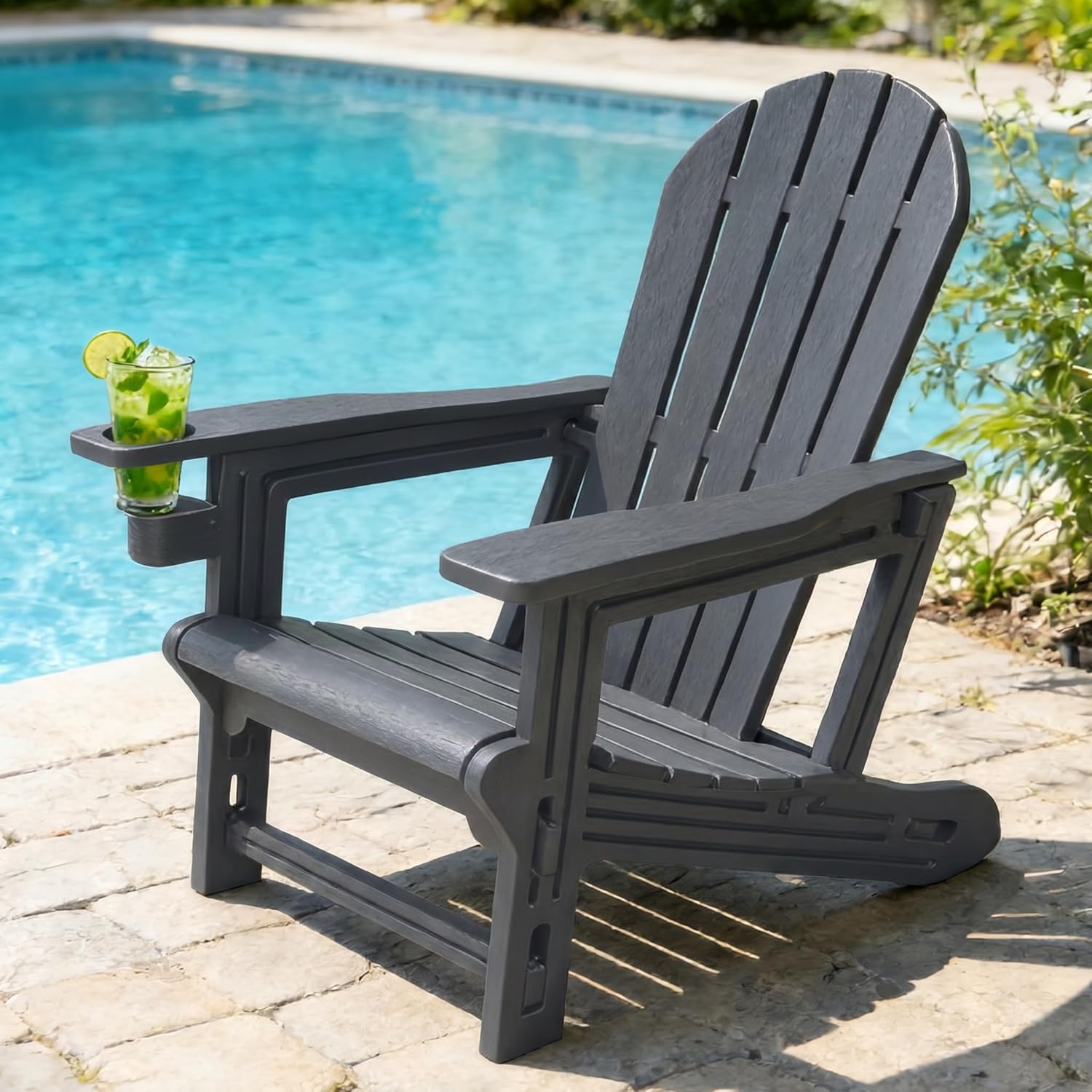
HDPE All-Weather Adirondack Chair with Built-In Cup Holder - Tool-Free Assembly (Grey)
$69.99 $139.99
60% OFF

HOMETUK Clear Plastic Storage Bins with Dividers - 3-Pack Stackable Acrylic Organizer Containers for Fridge and Pantry
$19.99 $49.99
58% OFF
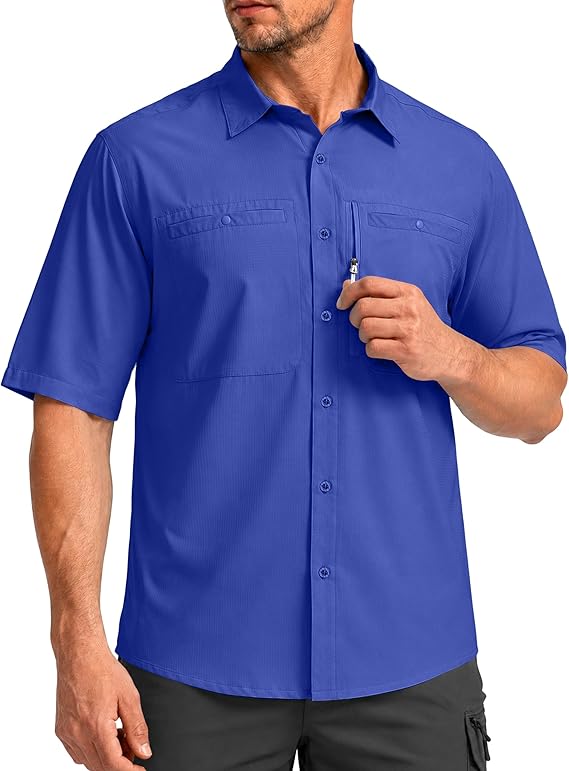
G Gradual Men's Fishing Shirt - UPF 50+ Lightweight Short Sleeve Button Down with Zipper Pockets
$14.99 $35.99
55% OFF
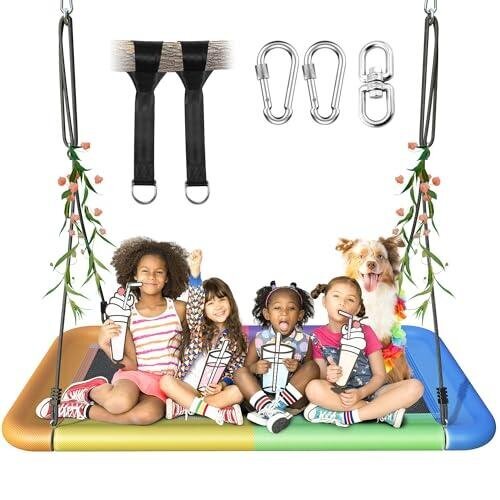
Everyfun 60" Rectangular Platform Tree Swing - 700lbs Heavy Duty Adjustable Outdoor Swing (Colorful)
$49.99 $110.99
61% OFF
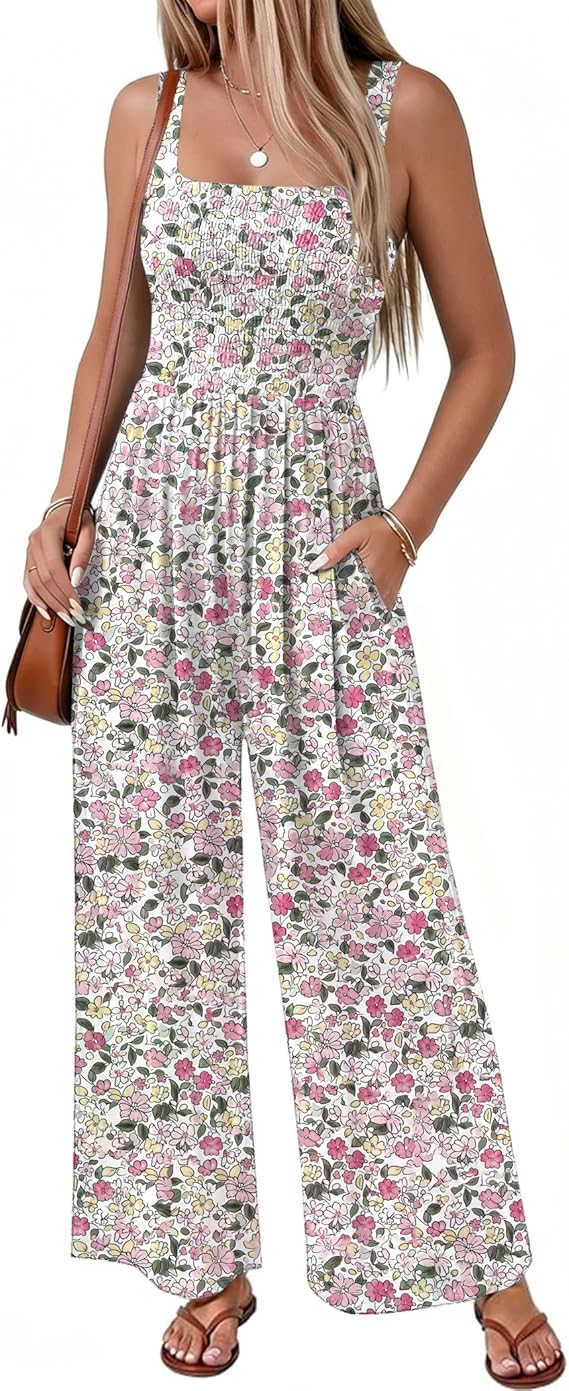
Ekouaer Women's Casual Loose Jumpsuit - One-Piece Printed Sleeveless Wide Leg Romper with Pockets
$14.99 $37.99
40% OFF
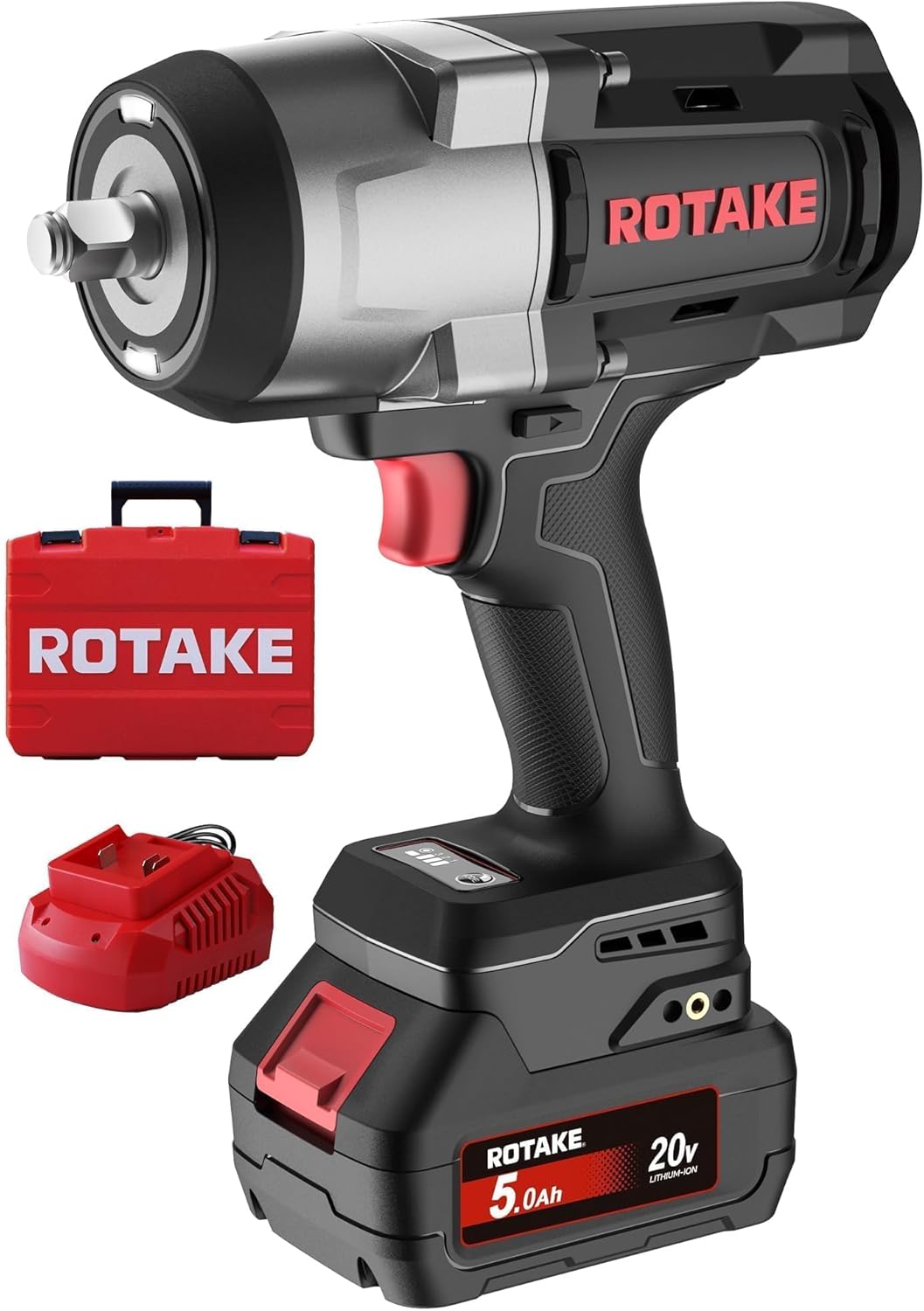
ROTAKE TB3 20V Heavy Duty 1/2" Cordless Impact Wrench Kit - 1380 Ft-Lbs Torque
$132 $219.99
36% OFF

Men's Athletic Running Shorts with Zipper Pockets - Lightweight & Quick Dry
$12.74 $19.99
61% OFF
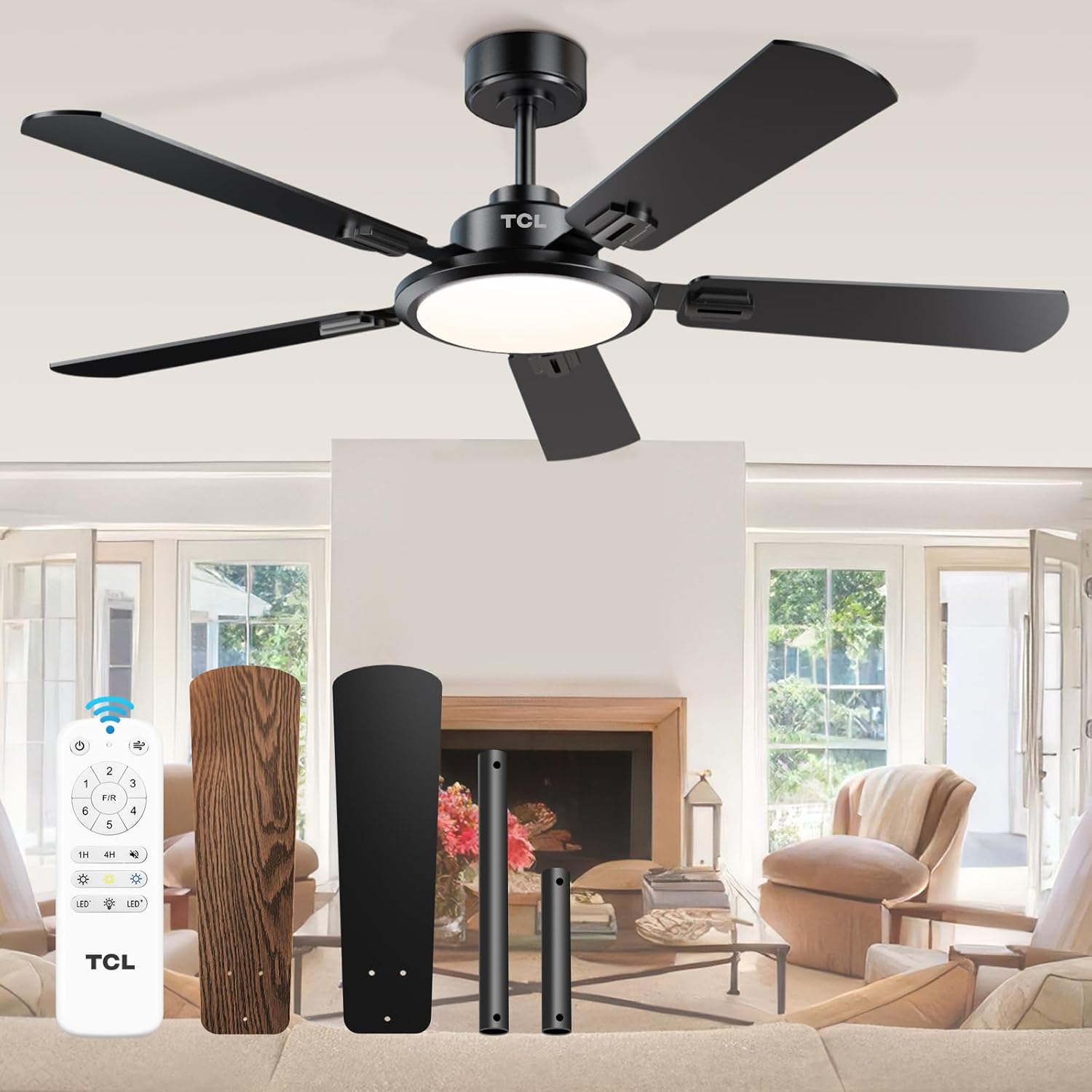
Modern Ceiling Fan with Light and Remote - Reversible Quiet DC Motor
$69.3 $179.99
50% OFF

MOOKA H13 True HEPA Air Purifier for Home Large Room - 1076 sq ft Odor Eliminator
$39.97 $79.95
60% OFF

Ekouaer Women's Satin Silky Pajama Set - Short Sleeve Pullover Top & Wide-Leg Pants
$13.99 $34.99
55% OFF

Ekouaer 3-Piece Maternity & Nursing Pajamas Set - Short Sleeve Top with Shorts and Pants
$14.99 $32.99
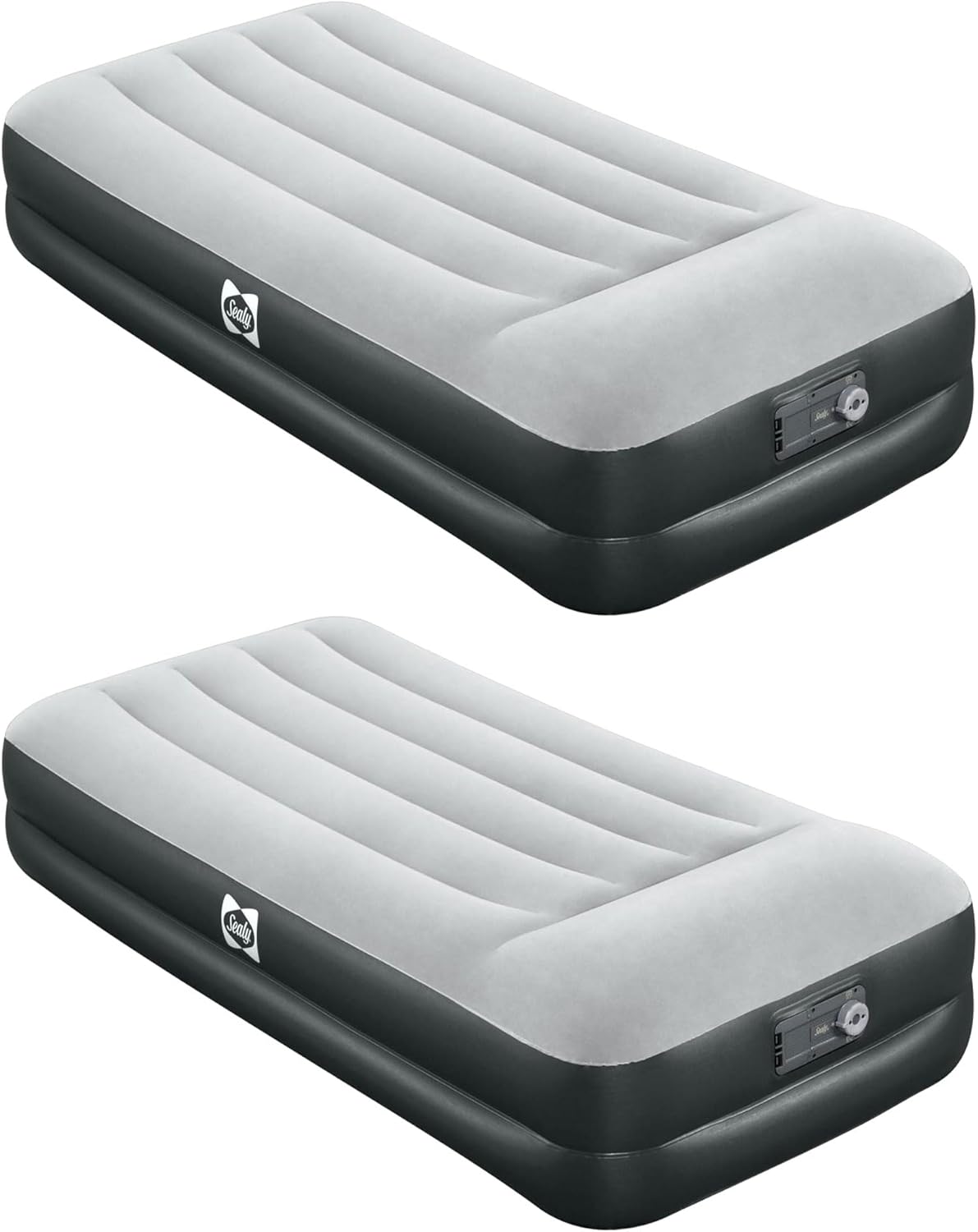
Sealy 2-Pack Tritech 16" Twin Inflatable Air Mattress with Built-in AC Pump
$0 $113.99
20% OFF
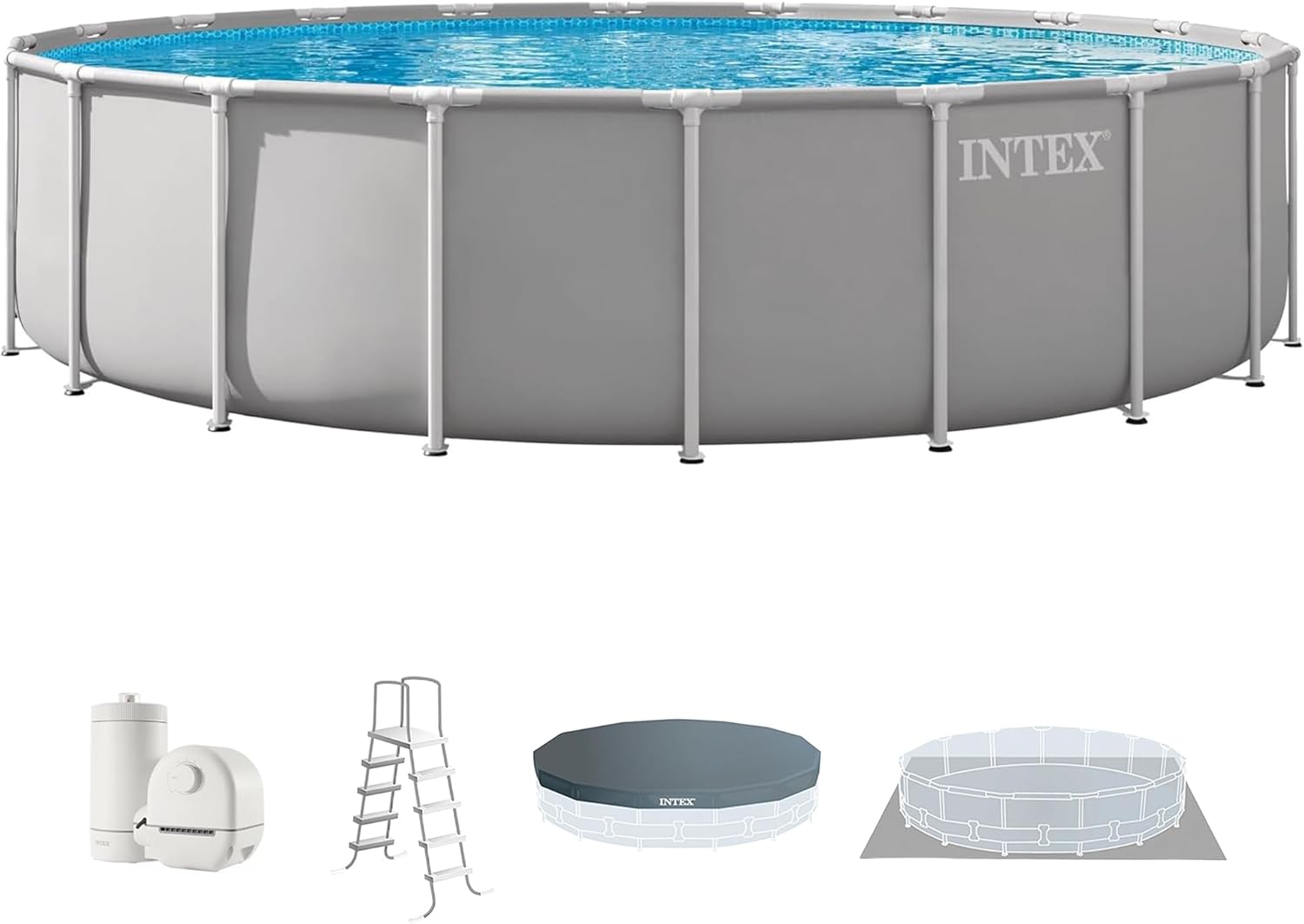
INTEX Prism Frame 20ft x 52in Above Ground Pool Set - Round Steel Frame Swimming Pool
$695.99 $869.99

Gardner Pet 43" Heavy Duty Dog Crate with Wheels - Indestructible Folding Metal Cage (Black)
$0 $149.99
12% OFF

Elegant Mid-Century Modern Bar Stools - Set of 4
$395.99 $449.99
23% OFF
Ergonomic Office Chair - Big and Tall Desk Chair with Adjustable Lumbar Support
$279.99 $363.99
26% OFF

Magnelex American Flag Windshield Sun Shade - High-Resolution UV Reflective Heat Shield (X-Large)
$19.9 $26.9
20% OFF

EVIQO 48 Amp NACS Level 2 EV Charger - Hardwired Smart WiFi Wall Charger for Tesla
$368.51 $458.55
50% OFF

DBFIT Air Purifier for Home Large Room
$29.99 $59.99




-

Historic Lancashire church secures £250,000 National Lottery grant for major roof repairs
-

Sunderland Minster PCC was right to push back over trans toilet sign
-

Bethel Church distances itself from Todd Bentley and Mike Bickle
-

Christian police officer reaches settlement over diversity training discrimination claim
-

Turkey's hidden Christian past: Extraordinary discoveries are rewriting the story of early Christianity
-

Washington Archdiocese parts ways with exorcist priest over UFO remarks
Most Popular
News

Churches must disciple well and listen well in response to rise of Christian nationalism
Churches have a task on their hands to raise standards of theological literacy in their congregations amid growing Christian nationalism, while at the same time listening to and engaging with the concerns of people in their flock.

A Christian response to the crisis facing young people
The Church has a wonderful message of hope to share with young people increasingly feeling a sense of nihilism and hopelessness at the state of the world, writes Tim Farron.

Tributes paid to Operation Mobilisation co-founder Dale Rhoton
Tributes have been paid to Dale Rhoton, one of the co-founders of international mission organisation Operation Mobilisation (OM), after his death at the age of 88.

Doctors should work for good of the patient, not facilitate suicide, says Christian Medical Fellowship
Suicide is always a tragedy that should be resisted, the CMF suggested.
VitaUp Beet Root Gummies with CoQ10 & Grape Seed - Nitric Oxide Circulation Support (60 Count)
$24.91
HDPE All-Weather Adirondack Chair with Built-In Cup Holder - Tool-Free Assembly (Grey)
$69.99
HOMETUK Clear Plastic Storage Bins with Dividers - 3-Pack Stackable Acrylic Organizer Containers for Fridge and Pantry
$19.99
G Gradual Men's Fishing Shirt - UPF 50+ Lightweight Short Sleeve Button Down with Zipper Pockets
$14.99
Everyfun 60" Rectangular Platform Tree Swing - 700lbs Heavy Duty Adjustable Outdoor Swing (Colorful)
$49.99
Ekouaer Women's Casual Loose Jumpsuit - One-Piece Printed Sleeveless Wide Leg Romper with Pockets
$14.99
ROTAKE TB3 20V Heavy Duty 1/2" Cordless Impact Wrench Kit - 1380 Ft-Lbs Torque
$132
Men's Athletic Running Shorts with Zipper Pockets - Lightweight & Quick Dry
$12.74
Modern Ceiling Fan with Light and Remote - Reversible Quiet DC Motor
$69.3
MOOKA H13 True HEPA Air Purifier for Home Large Room - 1076 sq ft Odor Eliminator
$39.97
Ekouaer Women's Satin Silky Pajama Set - Short Sleeve Pullover Top & Wide-Leg Pants
$13.99
Ekouaer 3-Piece Maternity & Nursing Pajamas Set - Short Sleeve Top with Shorts and Pants
$14.99
Sealy 2-Pack Tritech 16" Twin Inflatable Air Mattress with Built-in AC Pump
$0
INTEX Prism Frame 20ft x 52in Above Ground Pool Set - Round Steel Frame Swimming Pool
$695.99
Gardner Pet 43" Heavy Duty Dog Crate with Wheels - Indestructible Folding Metal Cage (Black)
$0
Elegant Mid-Century Modern Bar Stools - Set of 4
$395.99
Ergonomic Office Chair - Big and Tall Desk Chair with Adjustable Lumbar Support
$279.99
Magnelex American Flag Windshield Sun Shade - High-Resolution UV Reflective Heat Shield (X-Large)
$19.9
EVIQO 48 Amp NACS Level 2 EV Charger - Hardwired Smart WiFi Wall Charger for Tesla
$368.51
DBFIT Air Purifier for Home Large Room
$29.99