WHO recommends delaying pregnancy for couples living in areas hit by Zika virus

Even the global authority on health matters is already recommending drastic measures to stop the spread of the Zika virus infection.

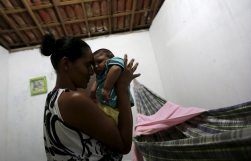
In its interim guidance update released earlier this week, the World Health Organisation (WHO) advised couples living in areas affected by the Zika virus to consider delaying pregnancy to avoid having babies with birth defects, such as deformed heads.

"In order to prevent adverse pregnancy and fetal outcomes, men and women of reproductive age, living in areas where local transmission of Zika virus is known to occur, be correctly informed and oriented to consider delaying pregnancy," the WHO advisory read.

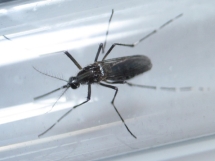
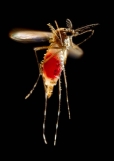
The recommendation applies to millions of couples in 46 countries across Latin America and the Caribbean where there is transmission of the virus, which is carried by the yellow fever mosquito.

The advisory is also an acknowledgement that stopping having babies all together is the best way to prevent the spread of the Zika virus due to the fact that there is still no vaccine against it.

The WHO also advised nations affected by the Zika virus to make sure that those carrying the virus are provided with condoms to prevent the further spread of the infection.

Zika patients should also be well informed about how the virus can be transmitted through sexual intercourse, the WHO further said.

Asked until when couples in Zika-affected countries should delay having babies, Nyka Alexander, a WHO spokeswoman replied that the guidance "means delaying until we have more answers, more evidence, more science."

"It's important to understand that this is not the WHO saying, 'Hey everybody, don't get pregnant.' It's that they should be advised about this, so they themselves can make the final decision," Alexander said in a report by The New York Times.

Dr. William Schaffner, head of preventive medicine at Vanderbilt University School of Medicine in Tennessee, described the WHO advisory as "excellent."

"Now we just have to provide both the education and the means so that couples can implement," Schaffner also said in The New York Times report.

related articles
Scarier than initially thought: CDC expert warns of Zika virus outbreak in U.S.

Scarier than initially thought: CDC expert warns of Zika virus outbreak in U.S.

Zika virus: 7 important facts

Zika virus: 7 important facts

Zika virus in the USA: some states ill prepared to fight disease, experts warn

Zika virus in the USA: some states ill prepared to fight disease, experts warn

Count of Zika patients in U.S. suddenly rises, but there\'s no need to panic for now, says CDC
Count of Zika patients in U.S. suddenly rises, but there's no need to panic for now, says CDC

Count of Zika patients in U.S. suddenly rises, but there's no need to panic for now, says CDC

\'Something is wrong with her brain\': 3rd baby with deformities related to Zika virus born in the U.S.
'Something is wrong with her brain': 3rd baby with deformities related to Zika virus born in the U.S.

'Something is wrong with her brain': 3rd baby with deformities related to Zika virus born in the U.S.

News
Pope seeks prayers for peace in Christmas Day message

The Pope asked people to pray in particular for the "tormented people of Ukraine" in his Christmas Day 'Urbi et Orbi' message. 

Who was St Stephen and why is he remembered on December 26?

The carol says, “Good King Wenceslas last looked out on the Feast of Stephen.” In many countries, December 26, also known as Boxing Day, is better known as St Stephen’s Day. Stephen was the first Christian martyr. This is the story …

King Charles reflects on pilgrimage, reconciliation and hope in Christmas Day address

King Charles III used his Christmas Day speech to reflect on the significance of pilgrimage as he appealed to the nation "to cherish the values of compassion and reconciliation". 

2 Timothy 3:16 is Logos' Bible verse of the year, Matthew was the most studied book

One of the most-studied Bible verses of the year is from 2 Timothy in the New Testament, according to an analysis of millions of Bible study sessions that tracked how believers worldwide are engaging with Scripture.