It's more than half gone, but 2020 feels like a year that might be best removed from the calendar. There are echoes from the song in Jesus Christ Superstar: 'Could we start again please?'
Such disruption of everything, on a global scale. Just when it seemed that we were coming out of this pestilence - in New Zealand where I'm from - flattening the curve as requested, there arose the 'second wave'.
And the blame game took off.
Who's at fault? Somebody must be. Not me, though. Nah, not me.
It's the fault of the government, political parties, schools, councils, ships, planes, foreigners etc., etc., etc. THEY should have done this. THEY should've done that. THEY should've locked those people up. And so it goes.
The blame game is a deadly distraction from dealing with any major problem. While we're all finger pointing and sniping at each other, the virus is on the loose, leaping from place to place, person to person. It knows no boundaries, doesn't follow politics and certainly follows no rules or guidelines. Pandora's legendary box is open, and emptied. There's no stuffing Covid-19 back in that box – not ever.
We humans are good at the blame game, aren't we? We do it all the time.
It's always someone else's fault. Bad at maths? Blame that teacher in Grade 4. Got skin cancer? Your parents didn't make you use sunscreen. Overweight? It's the fault of all that advertising, the temptation of snack foods. Broken leg? It's all your friends' fault: they made you go skiing.
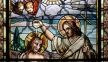
But I wonder if Jesus was into the blame game? He dealt with problems, he healed people, he gave living water, but did he play the game? I don't think so.
Take the first of his miracles, when he turned water into wine. This was probably not strictly life-saving but it was important to the prestige of the family and more particularly to reveal Jesus' power. He made no fuss, he just turned the water into wine. But he didn't berate the hosts for not planning properly and ordering sufficient wine so they would not run out. No blame here – he just fixed it. And moved on.
And what about the Samaritan woman at Jacob's Well? She'd had half a dozen 'husbands' and perhaps an unhappy life, was scorned by the townspeople for being foreign, and had to sneak out to get water when not many people were about. No doubt she had made wrong choices and was living with the consequences. But Jesus offers her 'living water, true life.' A way out. He knows exactly what her past has been but doesn't lay blame. He doesn't tut-tut and say, 'you'll always be a bad person making unwise choices, you should've done this, or not done that'.
No, he acknowledges her past, and it is let go.
Then there's the feeding of the 5,000. Having just heard of John's death, Jesus wanted to spend time alone to grieve, but there was no chance of that. Thousands gathered to hear him speak. When they were still there at mealtime, Jesus was concerned, not for himself but for these families. Takeaways weren't an option so Jesus 'made lunch' for everyone with a few bread rolls and a couple of fish. And the people were well fed, with plenty of leftovers. They didn't think to bring food, they were excited and just wanted to hear Jesus speak.
But he didn't tell them off. He didn't blame them for their lack of foresight in not packing lunch. He told them to look forward, to new life that he was offering.
Think about the man blind from birth, the paralysed man, Jairus' daughter, the haemorrhaging woman. Jesus healed many people, giving new life and release them from their past. He drew a line under their old life. He told them not to continue to 'pick the scabs' or 'rake over the coals', or try to blame someone or something for their former unwellness.
What would Jesus do today?
My guess is that he would not be focussing on condemning people for mistakes and failure to follow the rules. He would not just be trying to point the finger or apportion blame for how this pestilence broke into the world. No, I reckon he would draw a line under it, inspiring us to 'fess up and face the facts of our shortcomings and then look forwards rather than backwards. He would be encouraging us to find ways to deal with it.
We should learn from the past, but not be stuck in it.
Stay safe, and keep distance.
Courtesy of Press Service International