
|PIC1|The suffering and need of millions of Pakistan’s displaced people has the potential to be protracted, lasting for many months, according to UK relief and development agency Tearfund.
According to local sources, as many as 3.4 million people are now reported to be vulnerable after being uprooted from their homes in the Swat Valley and neighbouring areas of northern Pakistan, the majority leaving since the Pakistan Army began its recent offensive last month.
Tearfund says that the scale of need should focus international attention and trigger a major humanitarian response to avoid prolonging the suffering.
"The needs are massively underserved and the world’s media attention is elsewhere," says David Bainbridge, Tearfund’s Disaster Management Director.
"At present our response is a drop in the ocean. The delayed media attention to Sri Lanka hindered the humanitarian response there.
"We must avoid the same situation in Pakistan where limited access and media coverage make this another forgotten crisis where the humanitarian needs of the displaced are inadequately provided for."
According to World Health Organisation officials and local sources, some 2.9 million people are estimated to have fled from the region in recent weeks. Over half a million people are living in camps whilst the rest are staying with extended families or friends who in the majority of cases are themselves poor. This can mean immense overcrowding and pressure on facilities, increasing the risk of disease.
According to one local report up to 65 people are sharing two rooms. Other families are staying in schools and mosques or in rented accommodation. In addition, there is another half a million people in the north west who have been displaced since last August, many coming from tribal areas of the region as Pakistan’s military offensive on Taliban positions intensified.
The UN refugee agency has described the displacement of people in Pakistan as the largest and fastest anywhere in the world in recent years, putting it on a comparable scale to Rwanda in 1994. The crisis comes at a key point in the region’s crop planting season and is likely to have a detrimental knock-on effect for food supplies this winter and into next year.
Concerns that this crisis could result in a protracted displacement are underlined by the uncertainty about the length of the Pakistan Army operations in the region. Further fighting in Waziristan, which borders Afghanistan to the south west of the Swat Valley, could lead to further population movements as people fear becoming trapped in subsequent military attacks.
In what is seen as one of the world’s largest humanitarian crises, Tearfund’s programme, working through local partner agency SSEWA-Pak, is providing food, water and tents for hundreds of families that have fled the conflict areas to stay in locations further south.
The conflict in the Swat Valley, involving the Pakistani armed forces in an offensive against some Taliban militants, also threatens a major health crisis. Due to the summer heat, and with 15 camps established by Pakistan’s government already filled to capacity in the last month, dehydration is now a major issue.
With little access to basic sanitation, there is a growing risk of waterborne diseases spreading. SSEWA-Pak is providing communal toilets, mobile medical clinics and kitchens as part of its core response. Monsoon rains are expected in the incoming weeks which are likely to exacerbate the situation.
Joining with other local organisations, SSEWA-Pak is establishing a new camp at Shivai Ada in Swabi District. This is one of three camps including another that is based in a rural school. Relief distributions include sacks of food, baby food, cooking utensils and water containers.
Ashraf Mall, Tearfund’s representative in Pakistan, says that while aid agencies are doing all they can to respond to the immediate need it remains overwhelming in scale.
"People urgently need food supplies, shelter and medicines," says Ashraf. "Tearfund’s appeal for urgent support will enable our partner relief teams to help more and more displaced families as their numbers grow daily with the conflict continuing. Their immediate needs are urgent and any amount that people can manage to give will directly help."
49% OFF
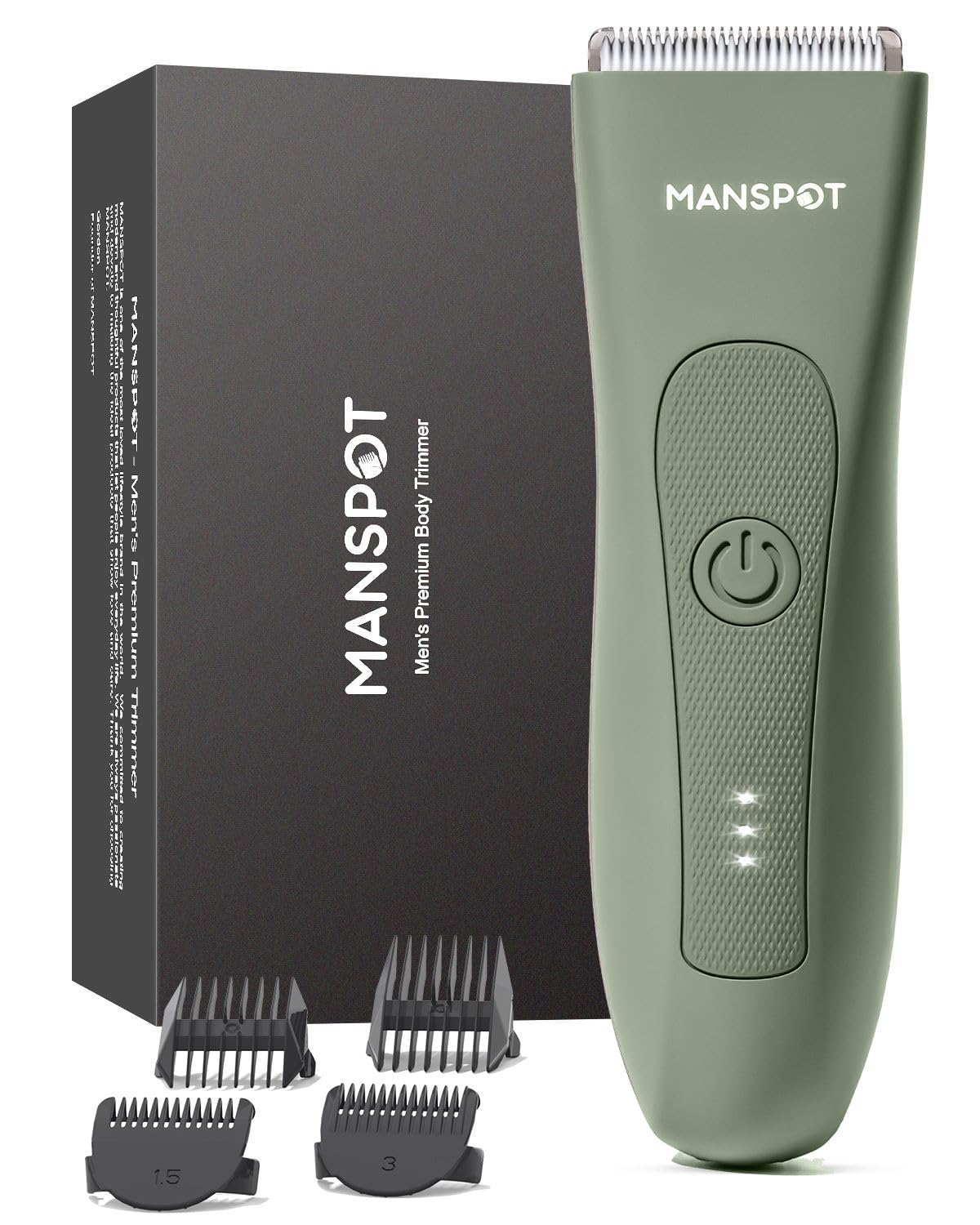
MANSPOT Electric Pubic Hair Trimmer - Waterproof Body and Groin Shaver for Men and Women (Black)
$20.39 $40
25% OFF

Lick-Safe Dog Paw and Nose Balm Stick - All-Natural Moisturizer with Coconut Oil for Dry, Cracked Pads and Snout
$11.69 $15.59
77% OFF
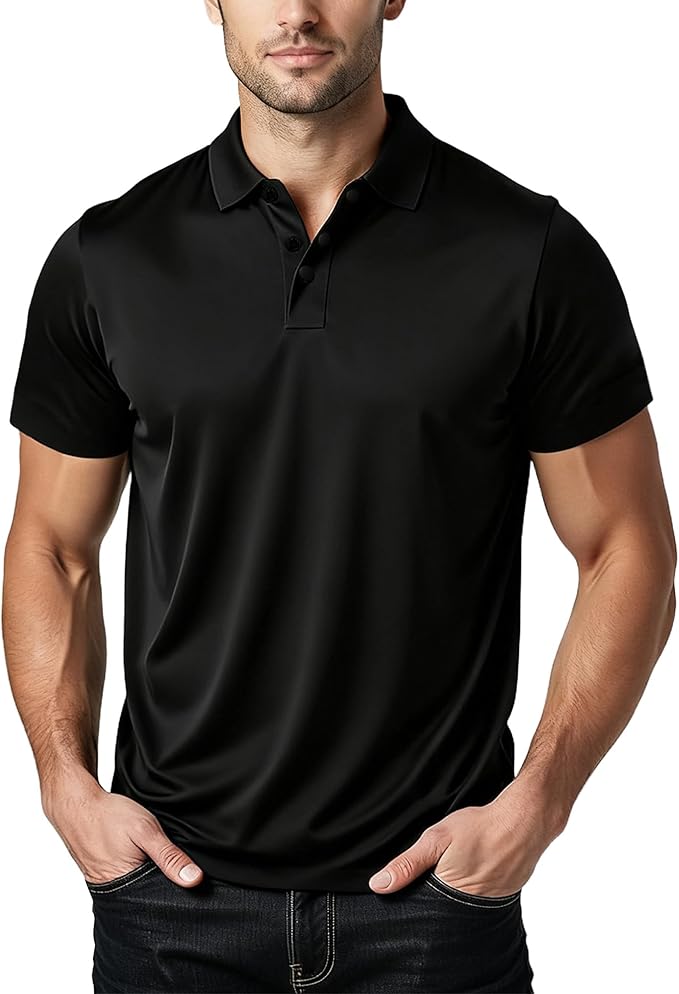
Men's Quick Dry Moisture Wicking Polo Shirt - High Elasticity Slim Fit Athletic Top (Runs Small)
$6.99 $29.99
46% OFF
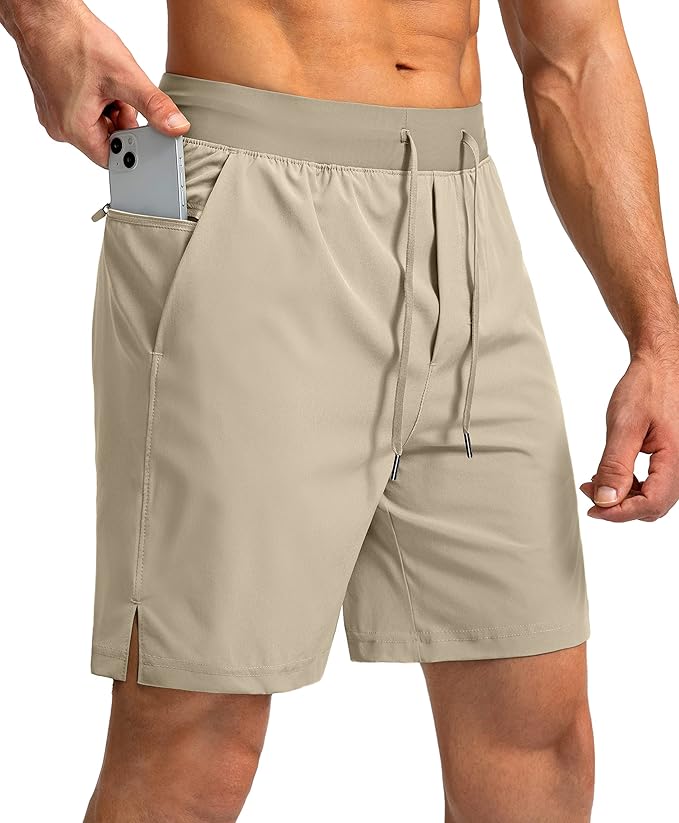
Men's Running Shorts with Zipper Pockets - Lightweight, Quick-Dry, Multi-Sport
$12.95 $23.99
50% OFF

NEWFAST NF-RE523 AC1200 WiFi Extender - 1200Mbps Dual Band Signal Booster & Internet Repeater
$18.5 $36.99
48% OFF

G Gradual Men's 7-inch Workout Running Shorts - Lightweight, Quick-Dry, Comfort
$12.91 $24.99
30% OFF
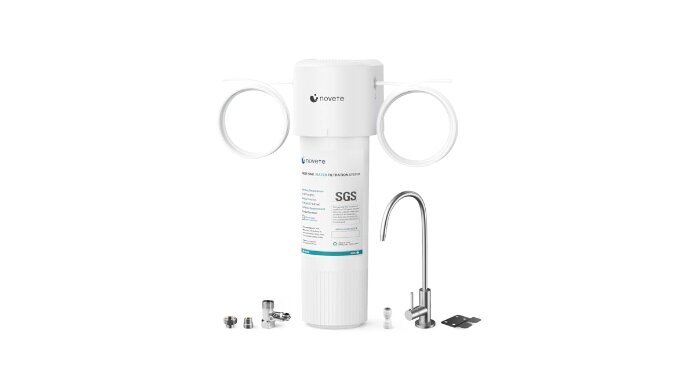
NOVETE Under Sink Water Filter - 3 Years, 30,000 Gallons, High-Efficiency Filtration
$41.99 $59.99
50% OFF

HDPE All-Weather Adirondack Chair with Built-In Cup Holder - Tool-Free Assembly (Grey)
$69.99 $139.99
60% OFF

HOMETUK Clear Plastic Storage Bins with Dividers - 3-Pack Stackable Acrylic Organizer Containers for Fridge and Pantry
$19.99 $49.99
58% OFF
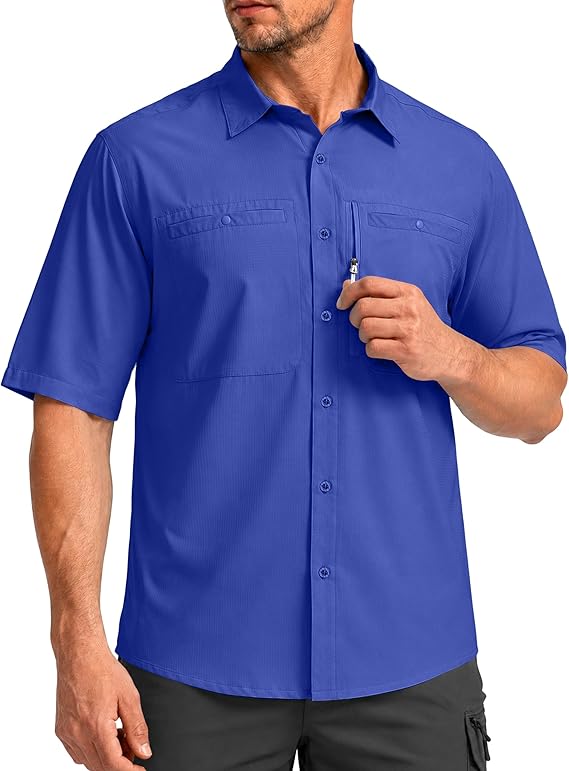
G Gradual Men's Fishing Shirt - UPF 50+ Lightweight Short Sleeve Button Down with Zipper Pockets
$14.99 $35.99
55% OFF

Everyfun 60" Rectangular Platform Tree Swing - 700lbs Heavy Duty Adjustable Outdoor Swing (Colorful)
$49.99 $110.99
61% OFF

Ekouaer Women's Casual Loose Jumpsuit - One-Piece Printed Sleeveless Wide Leg Romper with Pockets
$14.99 $37.99
36% OFF
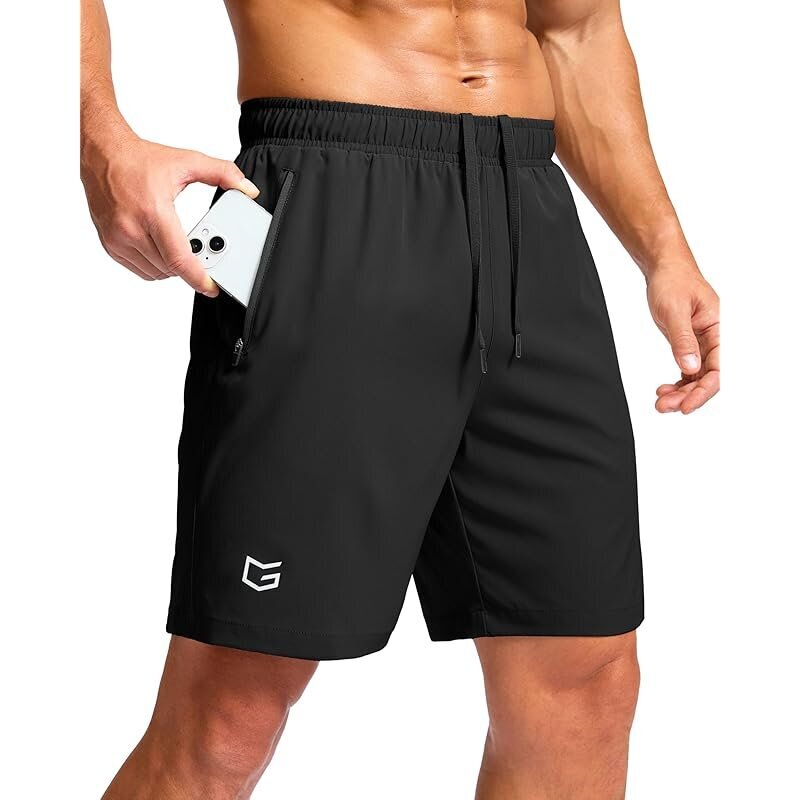
Men's Athletic Running Shorts with Zipper Pockets - Lightweight & Quick Dry
$12.74 $19.99
61% OFF

Modern Ceiling Fan with Light and Remote - Reversible Quiet DC Motor
$69.3 $179.99
50% OFF

MOOKA H13 True HEPA Air Purifier for Home Large Room - 1076 sq ft Odor Eliminator
$39.97 $79.95
40% OFF
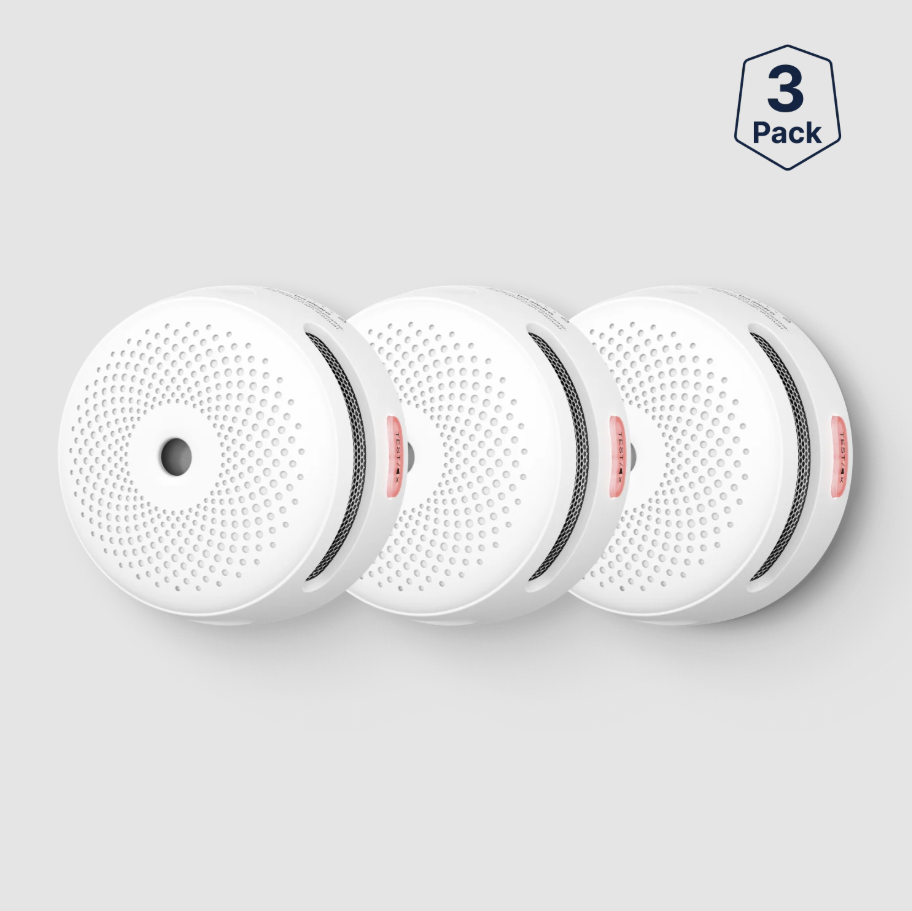
X-Sense XS01-WX Smart Smoke Alarm - 2.4 GHz Wi-Fi Photoelectric Fire Detector with Mobile App Alerts
$65.99 $109.99
11% OFF

VitaUp Beet Root Gummies with CoQ10 & Grape Seed - Nitric Oxide Circulation Support (60 Count)
$24.91 $27.91
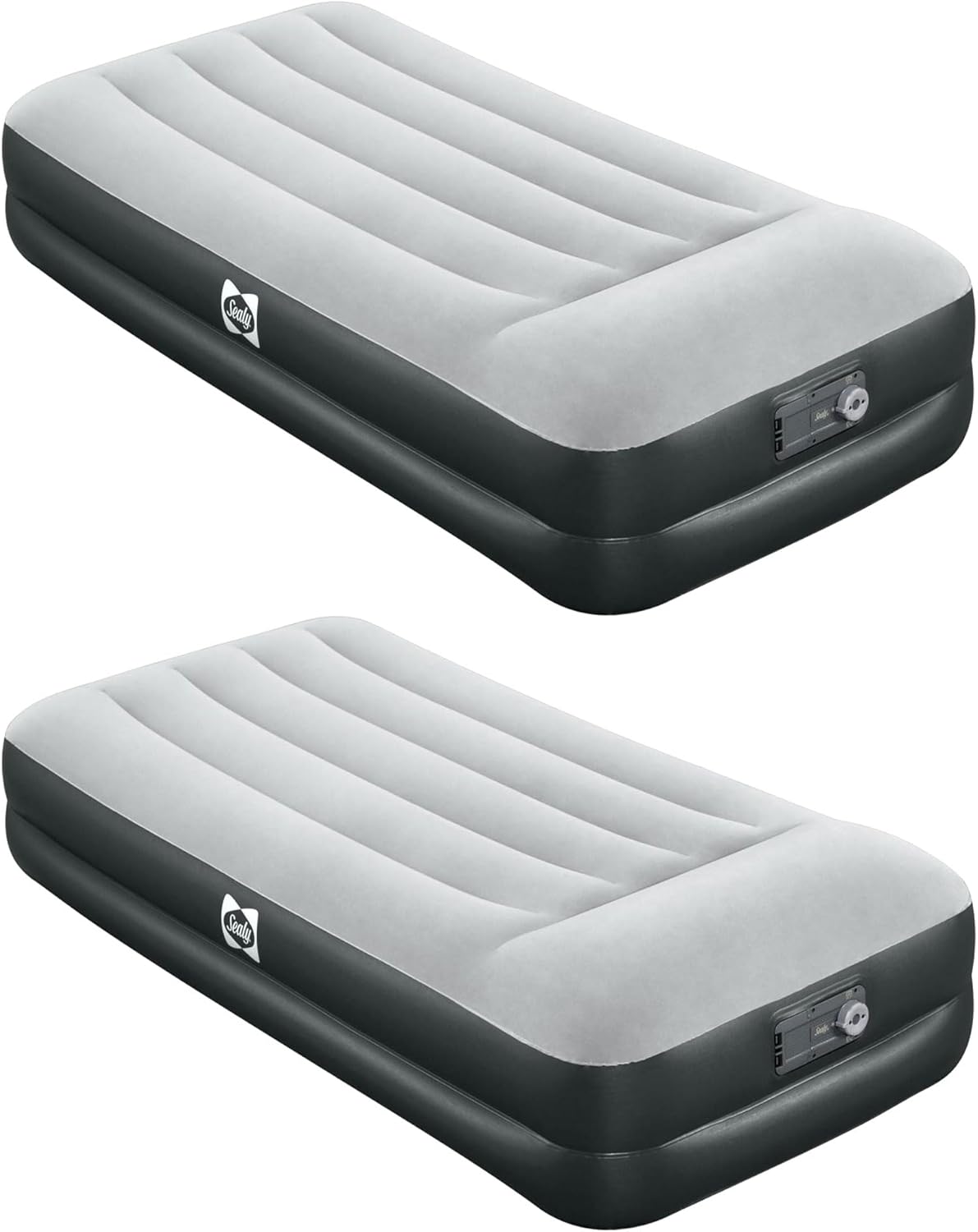
Sealy 2-Pack Tritech 16" Twin Inflatable Air Mattress with Built-in AC Pump
$0 $113.99
20% OFF
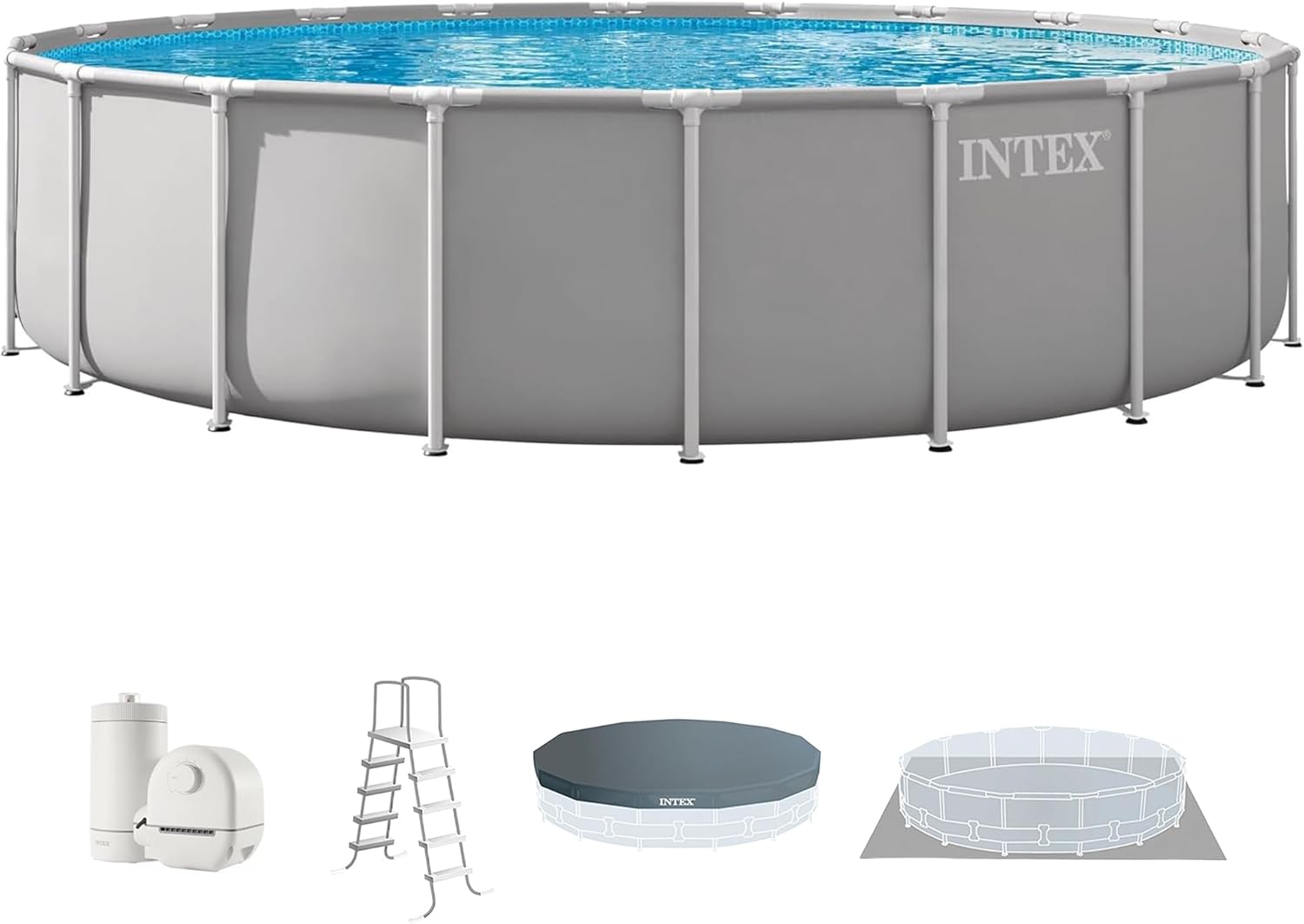
INTEX Prism Frame 20ft x 52in Above Ground Pool Set - Round Steel Frame Swimming Pool
$695.99 $869.99

Gardner Pet 43" Heavy Duty Dog Crate with Wheels - Indestructible Folding Metal Cage (Black)
$0 $149.99




-

Diary of a CEO’s Steven Bartlett and John Lennox discuss AI, faith and the search for meaning
-

Belfast churches 'heartbroken' over unrest
-

Is there a two-tier Britain?
-

Churches must disciple well and listen well in response to rise of Christian nationalism
-

Welsh reverend speaks of culture of fear over LGBT issues
-

South Wales Police back down on imposing Islamic 'blasphemy law'
Most Popular
News

Anti-Christian hate crimes across Europe surge in May as arson attacks reach 2026 high
Anti-Christian incidents across Europe rose sharply in May, with new figures showing the highest monthly number of arson-related attacks recorded so far this year.

Gloucester churches come together to bless River Avon amid pollution concerns
It is part of a broader campaign against river pollution as concerns remain about the amount of untreated sewage in the Avon.

Life beyond burnout: how Christians can grow in the desert seasons
Christian Today speaks to author and Anglican priest Tish Harrison Warren about growth in desert seasons and why the Church shouldn’t treat all spiritual weariness as a problem to fix.

Iranian-born bishop stands in solidarity with Britain's Jews
2025 had the second highest number of antisemitic incidents on record.
MANSPOT Electric Pubic Hair Trimmer - Waterproof Body and Groin Shaver for Men and Women (Black)
$20.39
Lick-Safe Dog Paw and Nose Balm Stick - All-Natural Moisturizer with Coconut Oil for Dry, Cracked Pads and Snout
$11.69
Men's Quick Dry Moisture Wicking Polo Shirt - High Elasticity Slim Fit Athletic Top (Runs Small)
$6.99
Men's Running Shorts with Zipper Pockets - Lightweight, Quick-Dry, Multi-Sport
$12.95
NEWFAST NF-RE523 AC1200 WiFi Extender - 1200Mbps Dual Band Signal Booster & Internet Repeater
$18.5
G Gradual Men's 7-inch Workout Running Shorts - Lightweight, Quick-Dry, Comfort
$12.91
NOVETE Under Sink Water Filter - 3 Years, 30,000 Gallons, High-Efficiency Filtration
$41.99
HDPE All-Weather Adirondack Chair with Built-In Cup Holder - Tool-Free Assembly (Grey)
$69.99
HOMETUK Clear Plastic Storage Bins with Dividers - 3-Pack Stackable Acrylic Organizer Containers for Fridge and Pantry
$19.99
G Gradual Men's Fishing Shirt - UPF 50+ Lightweight Short Sleeve Button Down with Zipper Pockets
$14.99
Everyfun 60" Rectangular Platform Tree Swing - 700lbs Heavy Duty Adjustable Outdoor Swing (Colorful)
$49.99
Ekouaer Women's Casual Loose Jumpsuit - One-Piece Printed Sleeveless Wide Leg Romper with Pockets
$14.99
Men's Athletic Running Shorts with Zipper Pockets - Lightweight & Quick Dry
$12.74
Modern Ceiling Fan with Light and Remote - Reversible Quiet DC Motor
$69.3
MOOKA H13 True HEPA Air Purifier for Home Large Room - 1076 sq ft Odor Eliminator
$39.97
X-Sense XS01-WX Smart Smoke Alarm - 2.4 GHz Wi-Fi Photoelectric Fire Detector with Mobile App Alerts
$65.99
VitaUp Beet Root Gummies with CoQ10 & Grape Seed - Nitric Oxide Circulation Support (60 Count)
$24.91
Sealy 2-Pack Tritech 16" Twin Inflatable Air Mattress with Built-in AC Pump
$0
INTEX Prism Frame 20ft x 52in Above Ground Pool Set - Round Steel Frame Swimming Pool
$695.99
Gardner Pet 43" Heavy Duty Dog Crate with Wheels - Indestructible Folding Metal Cage (Black)
$0