
Desperate survivors packed up on Saturday and fled Peruvian towns demolished three days earlier by a massive earthquake, while the government sent in hundreds of soldiers to quell looting.
Lines of buses and trucks piled up with refrigerators and furniture rumbled out of Pisco, which was devastated by the quake that killed more than 500 and left thousands homeless.
As rescue teams with sniffer dogs pulled rotting corpses from crumbled mud-brick homes, residents spooked by looting and frustrated with the slow pace of aid abandoned the central Pacific coast area hardest-hit by the 8.0 magnitude quake.
"Everybody's leaving town," said Ines Paredes, 60, who ran a hotel in the colonial town of Pisco until Wednesday's earthquake destroyed the top floor.
The government added 600 troops to the 400 already patrolling the towns of Pisco, Chincha and Ica -- all within 185 miles (300 km) south of the capital Lima -- and about 2,000 police were also deployed. Police lined highways to prevent the hijacking of aid trucks.
Camouflage-wearing soldiers with automatic rifles guarded Pisco street corners and a water tower, and rode on top of a water truck.
"My obligation is to establish order in the country, and we're going to do that today, whatever it takes," President Alan Garcia said as he toured the disaster zone.
MOVING IN WITH RELATIVES
Most of the fleeing residents were heading north to stay with relatives. Some of those staying behind wielded iron bars and other makeshift weapons to guard possessions piled outside their ruined homes.
"At night, people have come to try to assault us. The police are only taking care of the rich," Zacarias Quispe, 42, said as he stood watch on his street in Chincha, holding a stick.
The official death toll was 496 but rescuers -- who pulled 47 bodies out of a crushed church in Pisco on Saturday -- said it would rise.
"We're just going through and recovering a lot of bodies right now," said Daniel Landa, a firefighter from Elko, Nevada, who was assisting rescue efforts as a volunteer. "People come to us after sensing the smell where they are."
Along roadways, people held up cardboard signs asking for food and water.
Victims say emergency supplies are taking too long to reach them. They also accuse local stores of price gouging to cash in on the shortages. Some complain they cannot reach camps where the government and agencies are distributing relief supplies.
"The supply trucks go by and the anguish of watching them pass without giving us anything forces us to stop them and take what we need," said Reyna Macedo, a 60-year-old mother of seven who lost her home in the quake.
More than 33,000 families lost their homes in the quake and about 1,000 people were injured. Many perished when their vulnerable adobe homes caved in.
Pisco buried dozens of dead on Friday as families squabbled over space in the overwhelmed cemetery.
The pace of burials slowed on Saturday as people went to Pisco's plaza, turned into an outdoor morgue for people to identify bodies that were zipped into bags and placed in a huge refrigerator truck.
Coffins were flown in for burials later.
The birth of a baby boy in an emergency tent brought some hope in Pisco, best known for a grape liquor that bears its name.
"This is a message of life and the resilience of the human spirit," Garcia said as he visited the newborn.
Wednesday's quake was one of the worst natural disasters to hit the South American country in the last century, cracking major highways and toppling electricity poles. It was followed by a series of powerful aftershocks that sowed terror in the disaster area.
In 1970, an earthquake killed an estimated 50,000 people in avalanches of ice and mud that buried the town of Yungay.
49% OFF
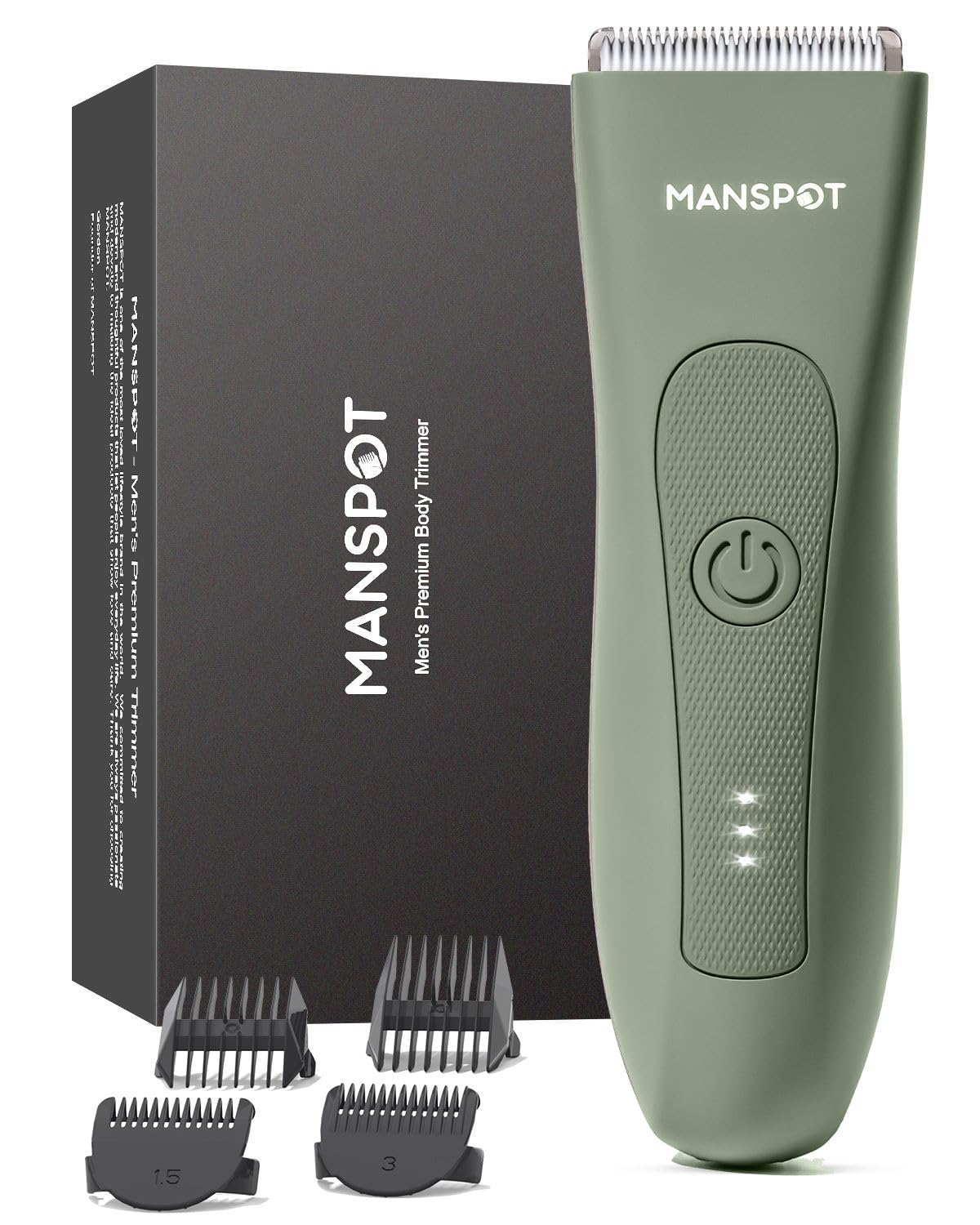
MANSPOT Electric Pubic Hair Trimmer - Waterproof Body and Groin Shaver for Men and Women (Black)
$20.39 $40
25% OFF
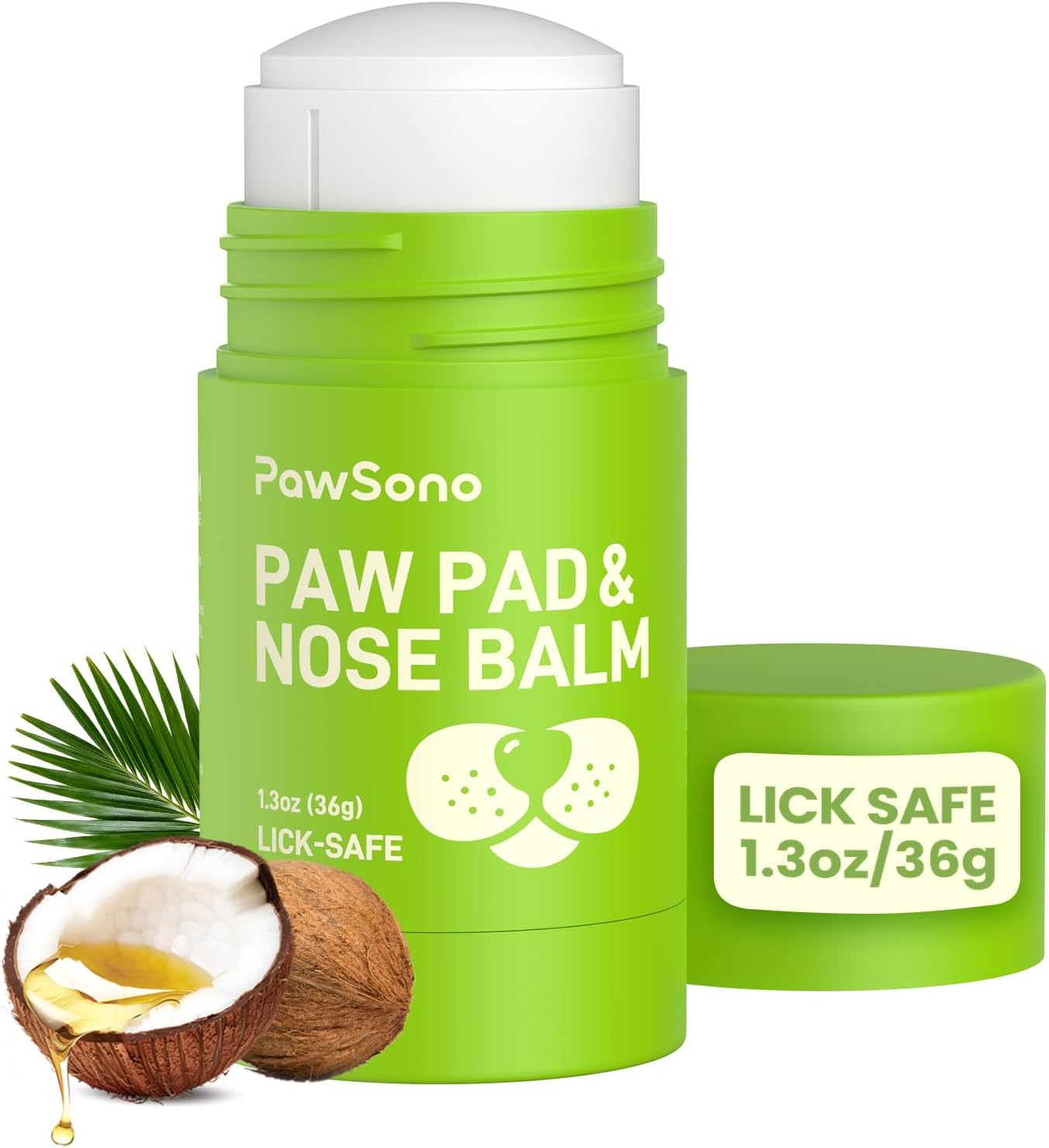
Lick-Safe Dog Paw and Nose Balm Stick - All-Natural Moisturizer with Coconut Oil for Dry, Cracked Pads and Snout
$11.69 $15.59
77% OFF
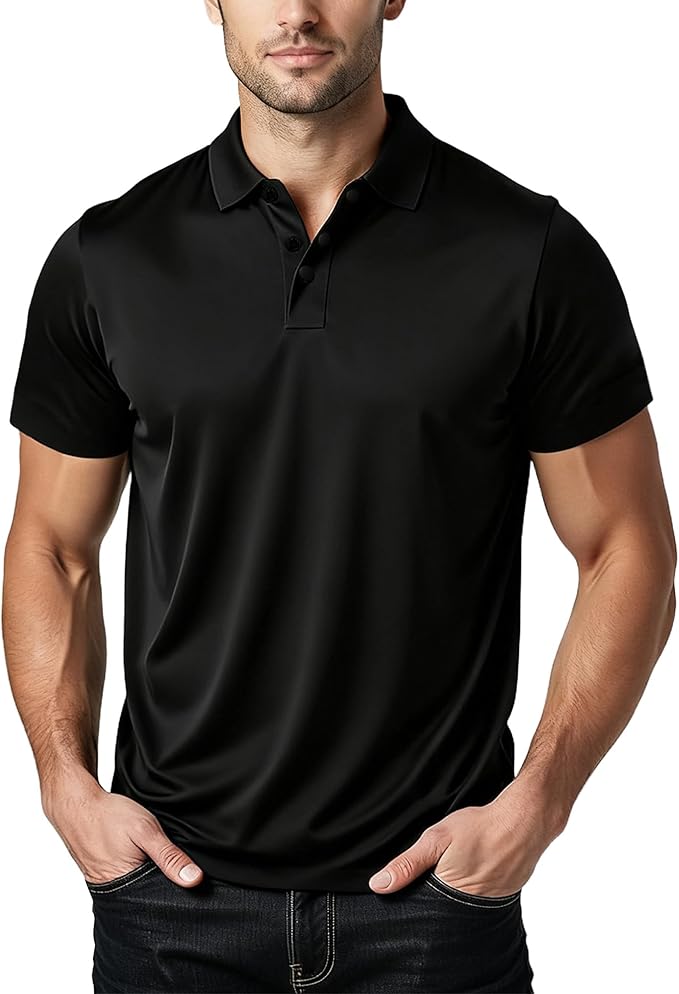
Men's Quick Dry Moisture Wicking Polo Shirt - High Elasticity Slim Fit Athletic Top (Runs Small)
$6.99 $29.99
46% OFF
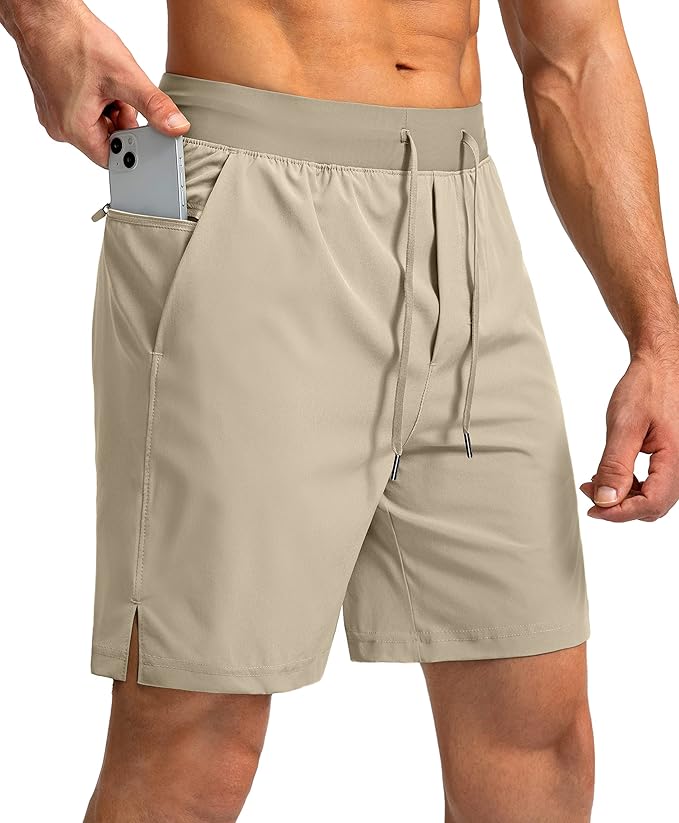
Men's Running Shorts with Zipper Pockets - Lightweight, Quick-Dry, Multi-Sport
$12.95 $23.99
50% OFF

NEWFAST NF-RE523 AC1200 WiFi Extender - 1200Mbps Dual Band Signal Booster & Internet Repeater
$18.5 $36.99
48% OFF
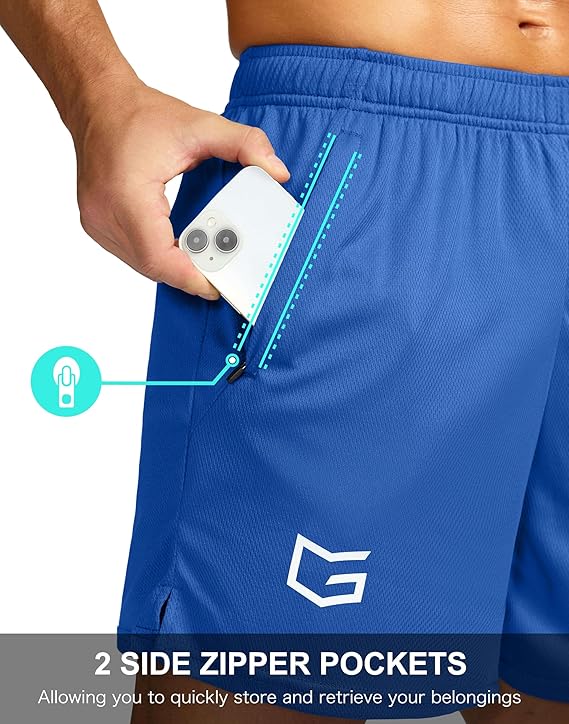
G Gradual Men's 7-inch Workout Running Shorts - Lightweight, Quick-Dry, Comfort
$12.91 $24.99
30% OFF
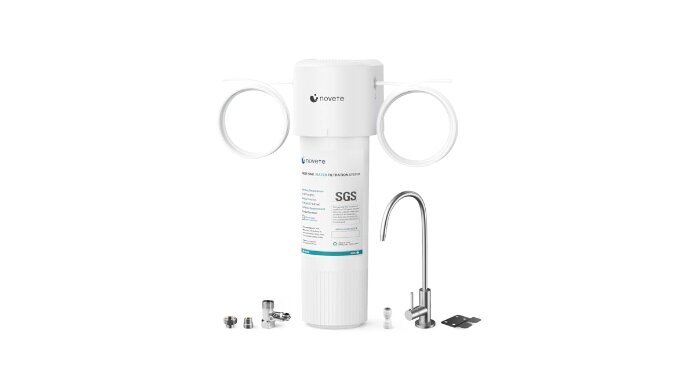
NOVETE Under Sink Water Filter - 3 Years, 30,000 Gallons, High-Efficiency Filtration
$41.99 $59.99
50% OFF
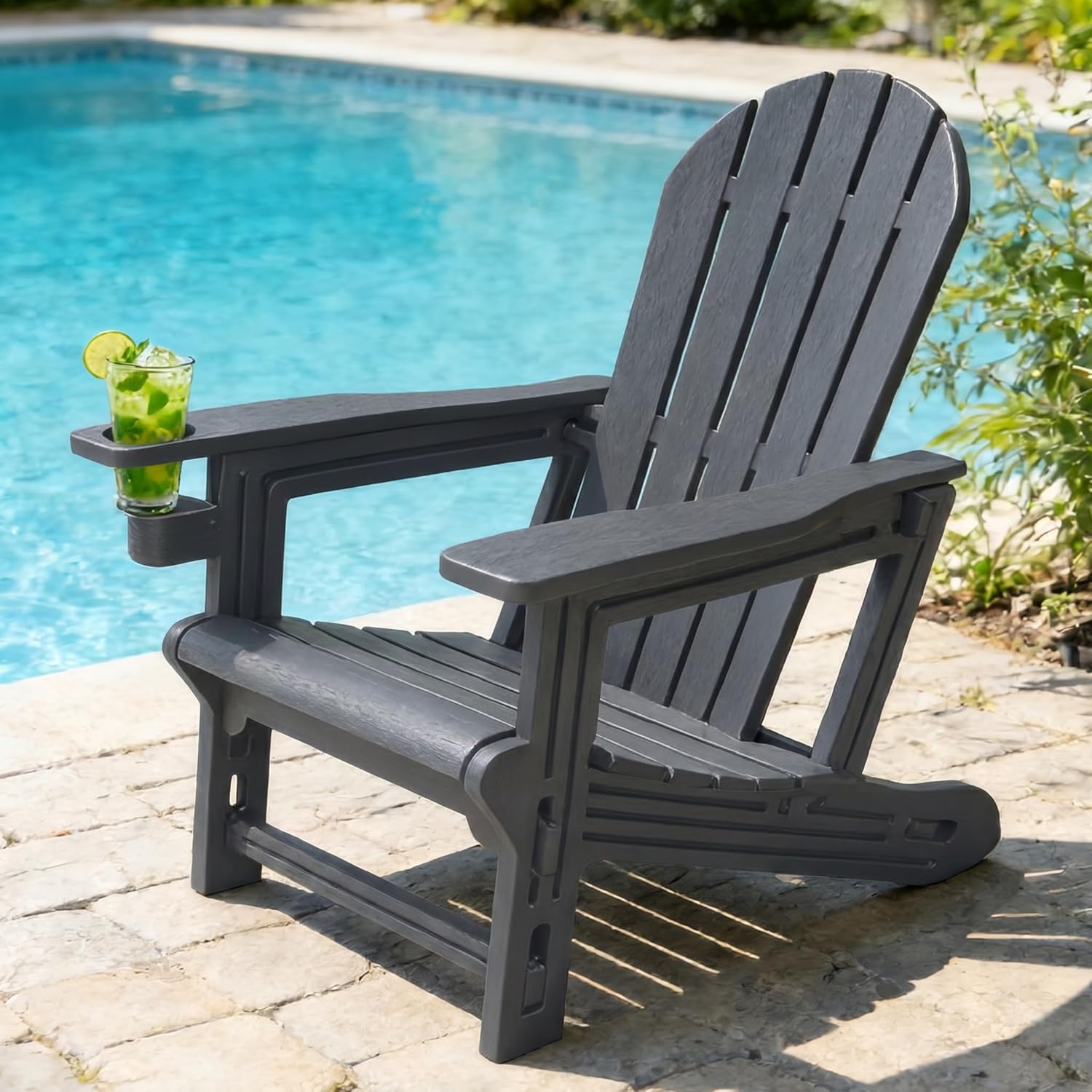
HDPE All-Weather Adirondack Chair with Built-In Cup Holder - Tool-Free Assembly (Grey)
$69.99 $139.99
60% OFF

HOMETUK Clear Plastic Storage Bins with Dividers - 3-Pack Stackable Acrylic Organizer Containers for Fridge and Pantry
$19.99 $49.99
58% OFF
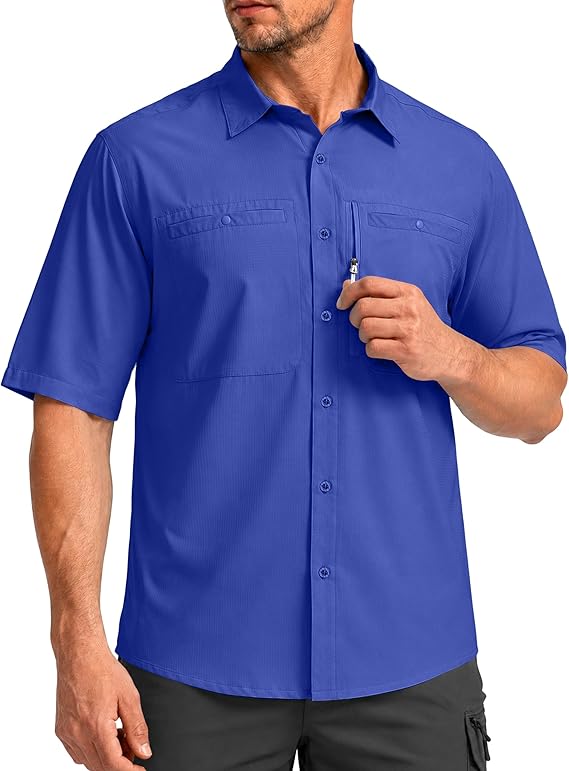
G Gradual Men's Fishing Shirt - UPF 50+ Lightweight Short Sleeve Button Down with Zipper Pockets
$14.99 $35.99
55% OFF

Everyfun 60" Rectangular Platform Tree Swing - 700lbs Heavy Duty Adjustable Outdoor Swing (Colorful)
$49.99 $110.99
61% OFF

Ekouaer Women's Casual Loose Jumpsuit - One-Piece Printed Sleeveless Wide Leg Romper with Pockets
$14.99 $37.99
36% OFF
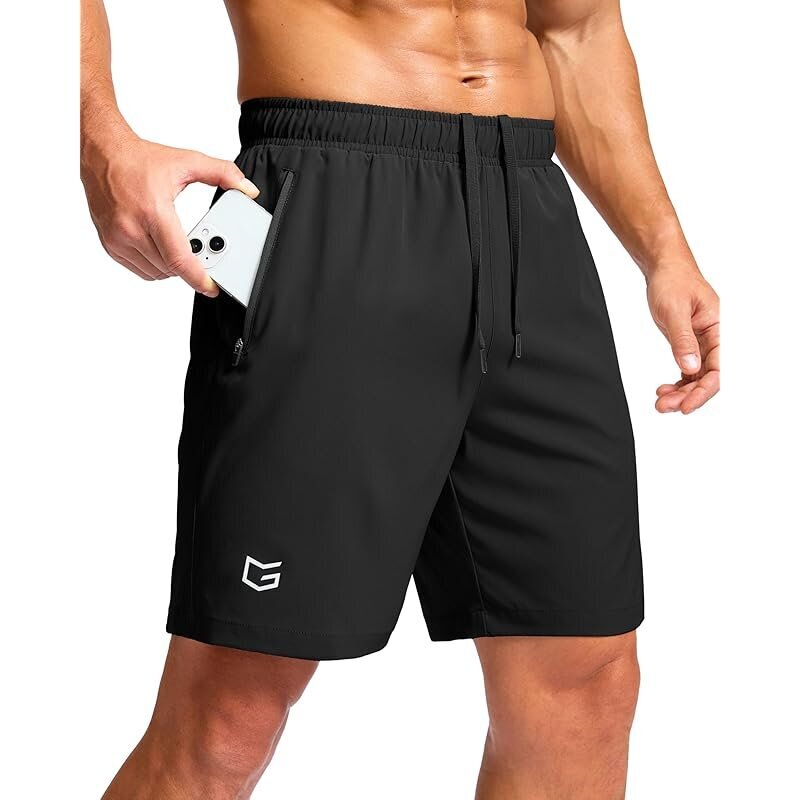
Men's Athletic Running Shorts with Zipper Pockets - Lightweight & Quick Dry
$12.74 $19.99
61% OFF
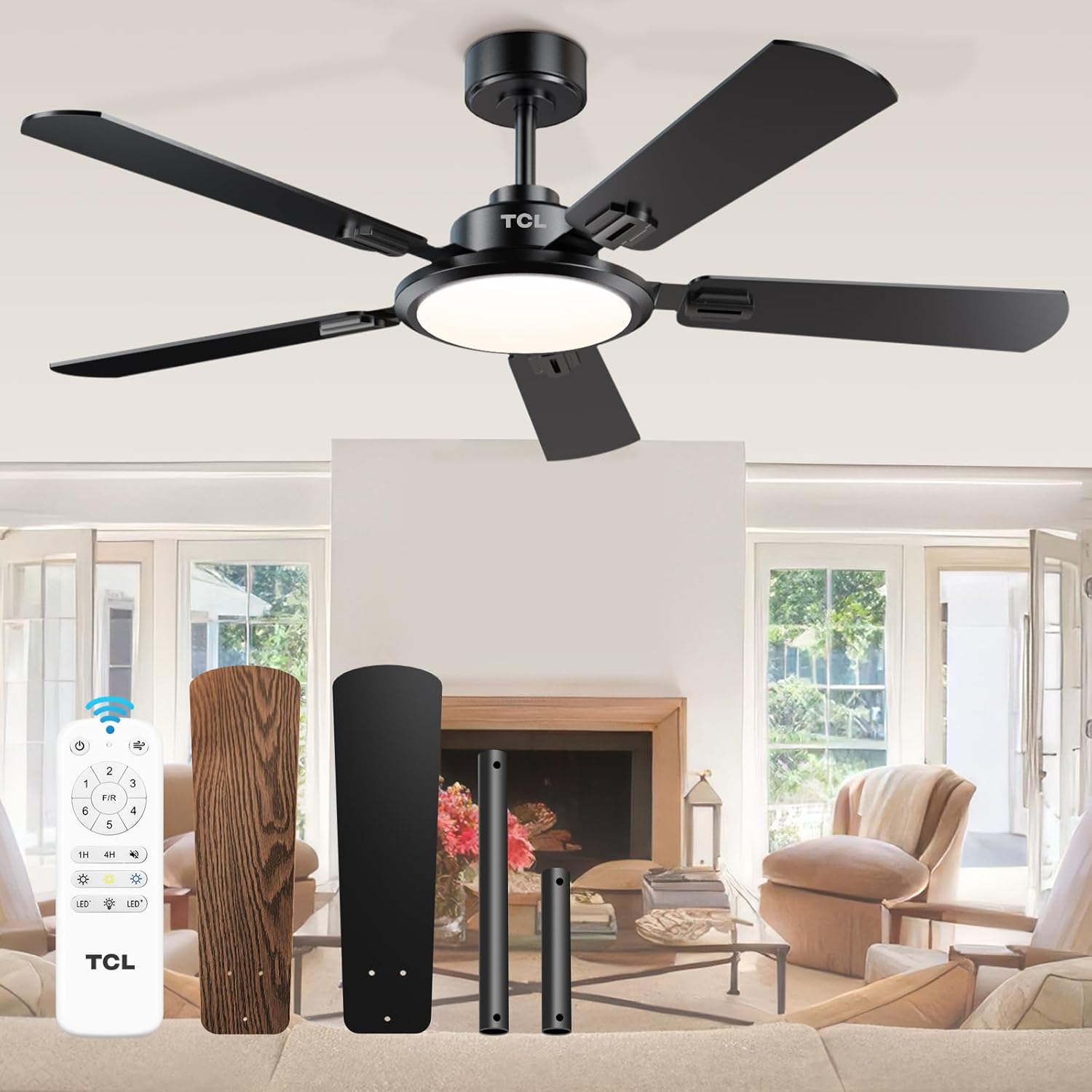
Modern Ceiling Fan with Light and Remote - Reversible Quiet DC Motor
$69.3 $179.99
50% OFF
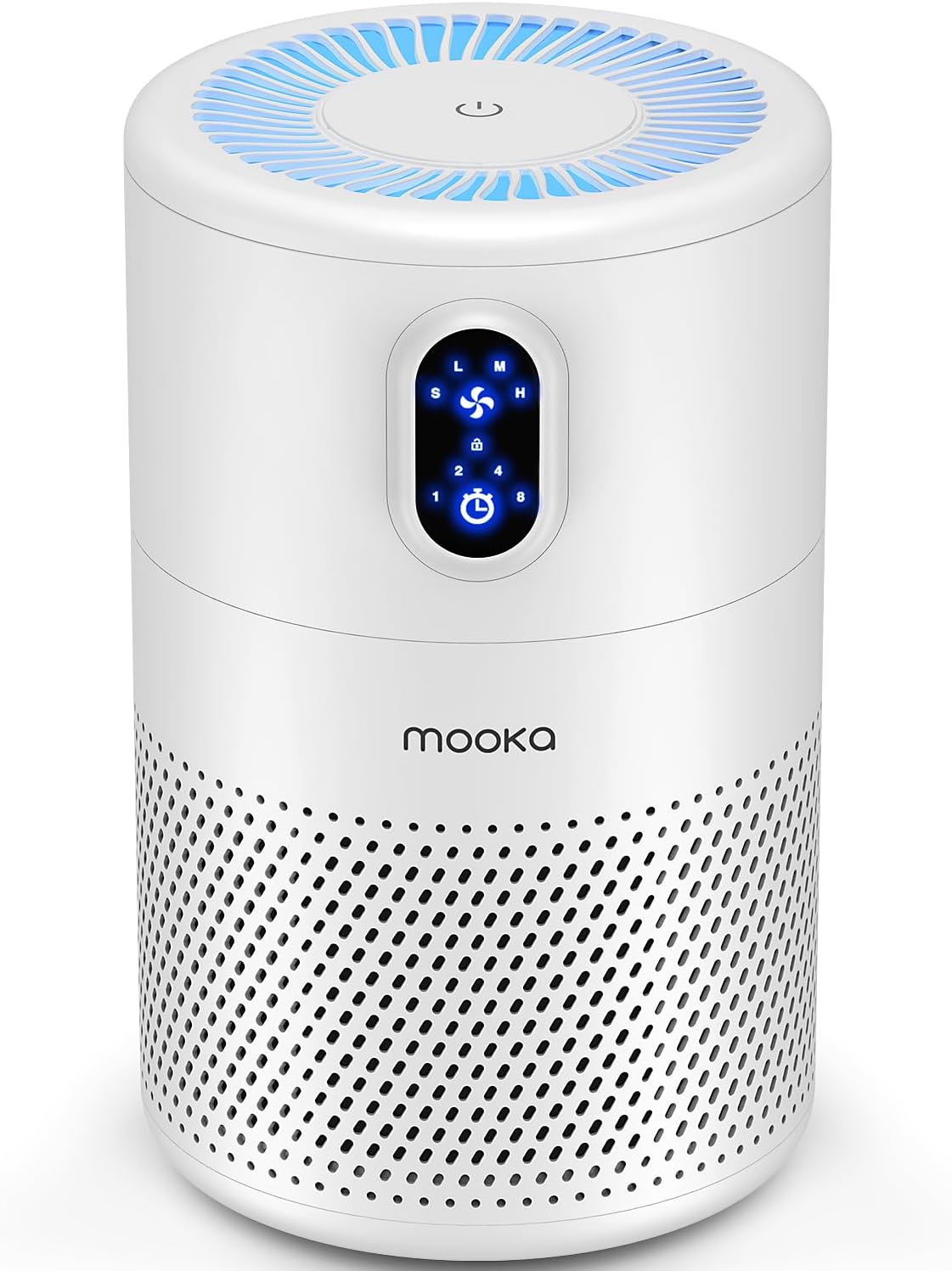
MOOKA H13 True HEPA Air Purifier for Home Large Room - 1076 sq ft Odor Eliminator
$39.97 $79.95
40% OFF
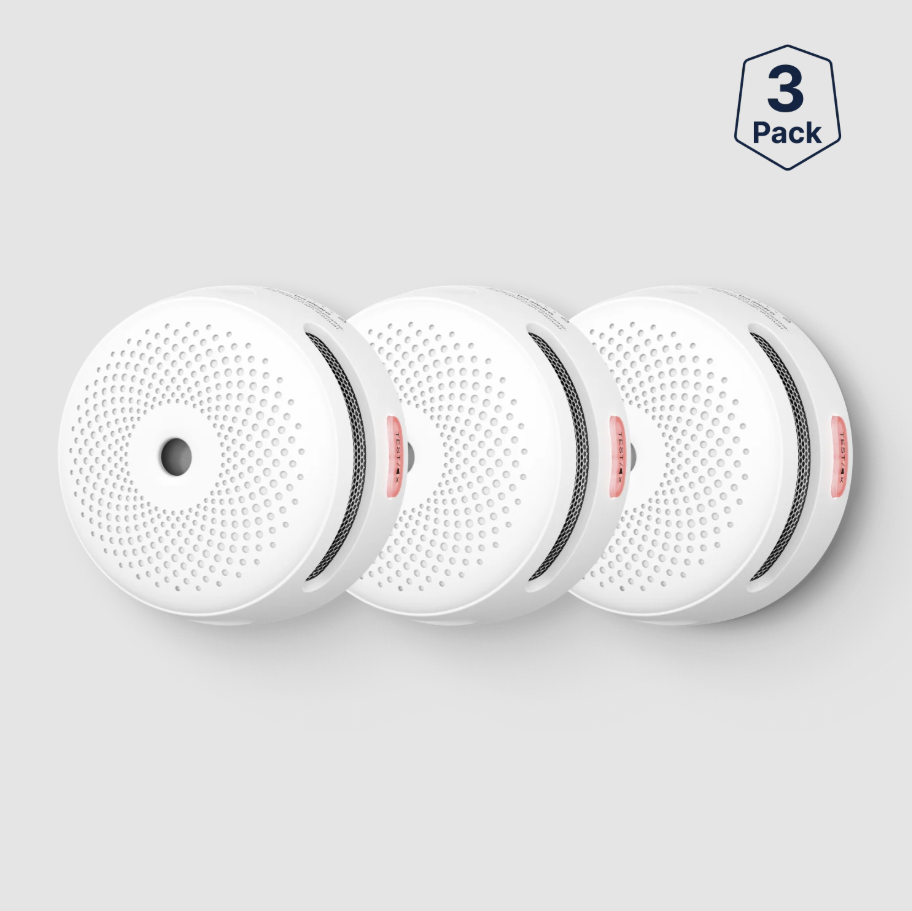
X-Sense XS01-WX Smart Smoke Alarm - 2.4 GHz Wi-Fi Photoelectric Fire Detector with Mobile App Alerts
$65.99 $109.99
11% OFF

VitaUp Beet Root Gummies with CoQ10 & Grape Seed - Nitric Oxide Circulation Support (60 Count)
$24.91 $27.91
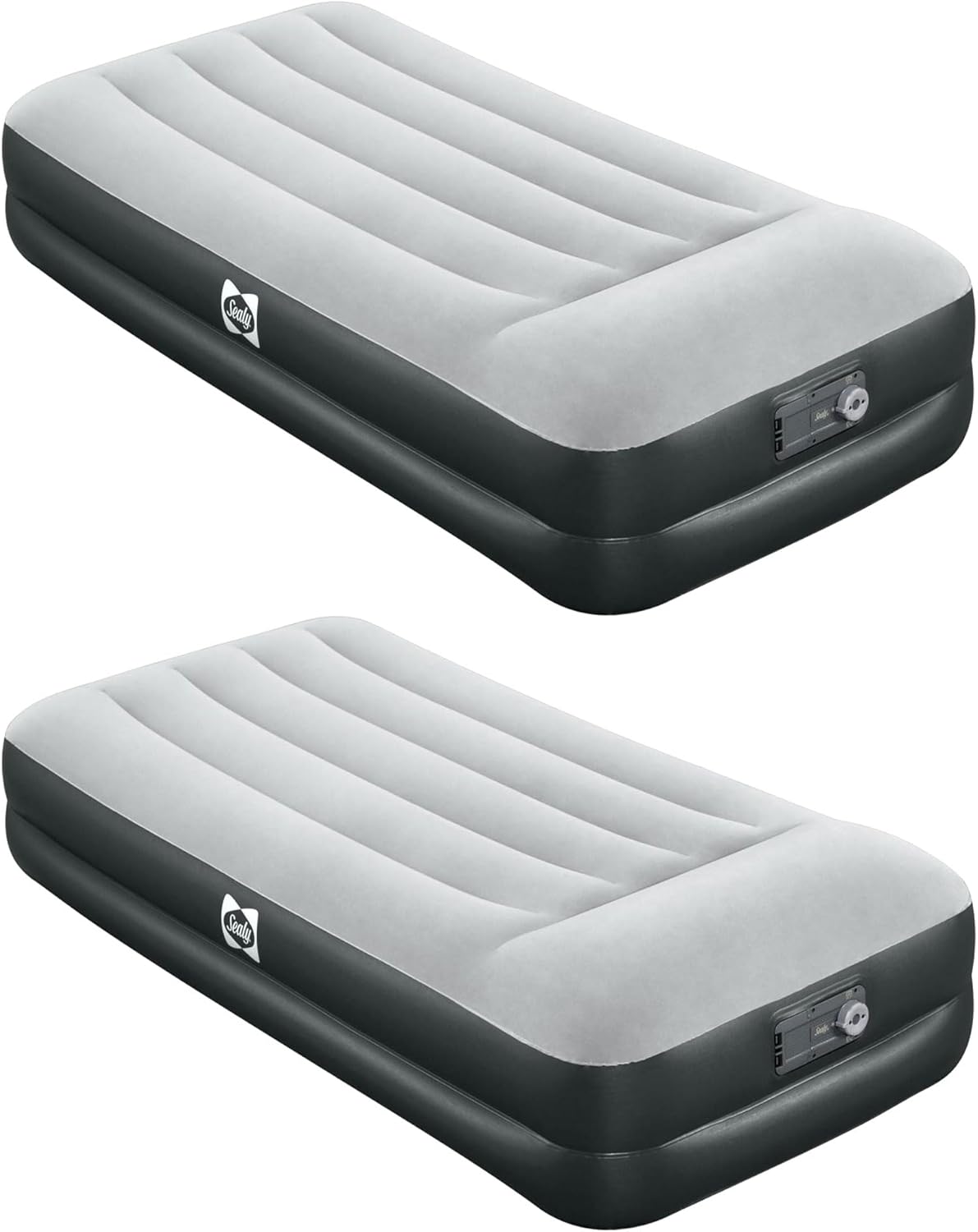
Sealy 2-Pack Tritech 16" Twin Inflatable Air Mattress with Built-in AC Pump
$0 $113.99
20% OFF
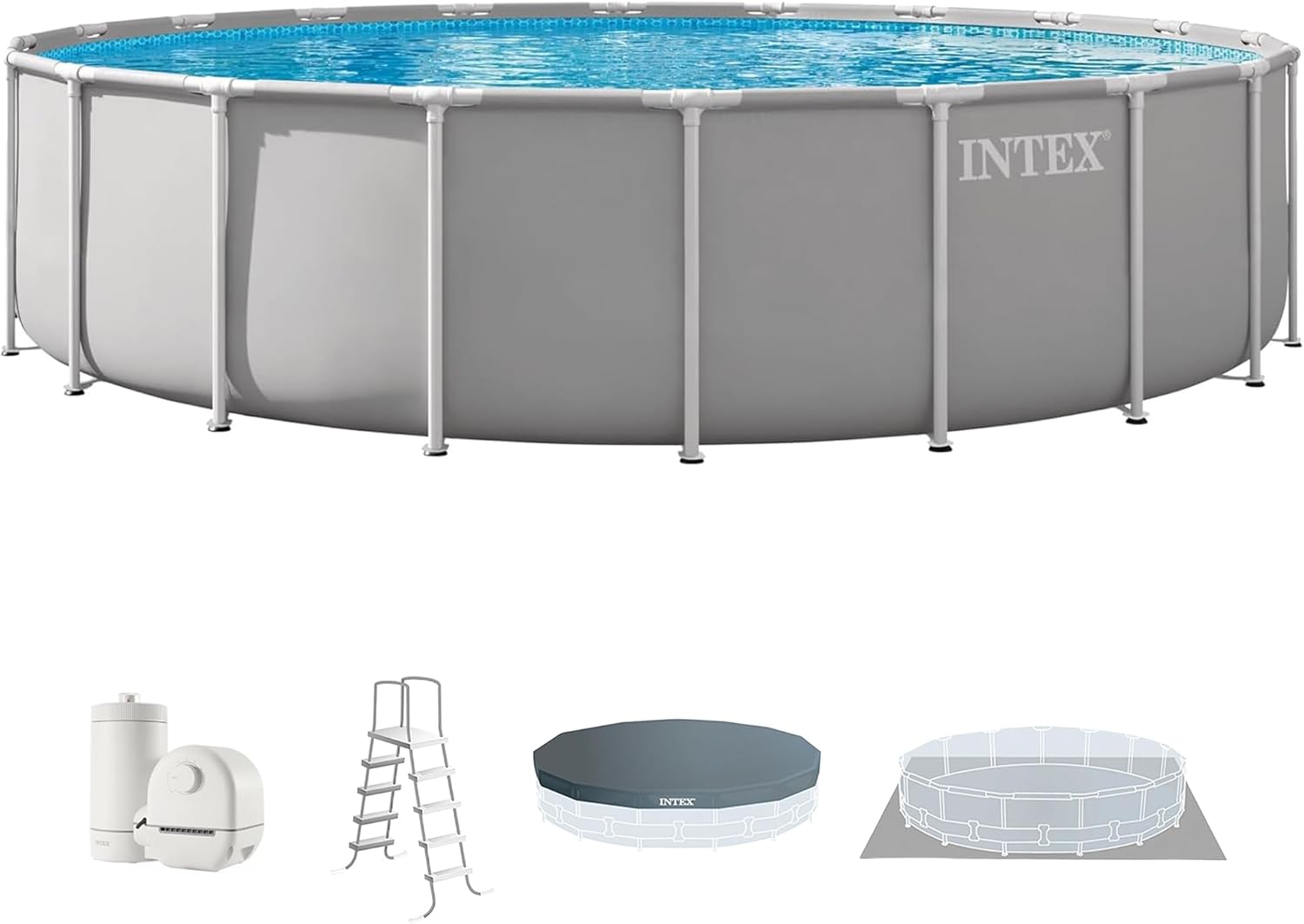
INTEX Prism Frame 20ft x 52in Above Ground Pool Set - Round Steel Frame Swimming Pool
$695.99 $869.99

Gardner Pet 43" Heavy Duty Dog Crate with Wheels - Indestructible Folding Metal Cage (Black)
$0 $149.99




-

Diary of a CEO’s Steven Bartlett and John Lennox discuss AI, faith and the search for meaning
-

Belfast churches 'heartbroken' over unrest
-

Is there a two-tier Britain?
-

Churches must disciple well and listen well in response to rise of Christian nationalism
-

Biblical models and the creation of King Arthur
-

Welsh reverend speaks of culture of fear over LGBT issues
Most Popular
News

Gloucester churches come together to bless River Avon amid pollution concerns
It is part of a broader campaign against river pollution as concerns remain about the amount of untreated sewage in the Avon.

Life beyond burnout: how Christians can grow in the desert seasons
Christian Today speaks to author and Anglican priest Tish Harrison Warren about growth in desert seasons and why the Church shouldn’t treat all spiritual weariness as a problem to fix.

Iranian-born bishop stands in solidarity with Britain's Jews
2025 had the second highest number of antisemitic incidents on record.

Bishops protest Israeli arrest of another Palestinian Christian
An Evangelical Lutheran has been accused of "promoting terrorist activities".
MANSPOT Electric Pubic Hair Trimmer - Waterproof Body and Groin Shaver for Men and Women (Black)
$20.39
Lick-Safe Dog Paw and Nose Balm Stick - All-Natural Moisturizer with Coconut Oil for Dry, Cracked Pads and Snout
$11.69
Men's Quick Dry Moisture Wicking Polo Shirt - High Elasticity Slim Fit Athletic Top (Runs Small)
$6.99
Men's Running Shorts with Zipper Pockets - Lightweight, Quick-Dry, Multi-Sport
$12.95
NEWFAST NF-RE523 AC1200 WiFi Extender - 1200Mbps Dual Band Signal Booster & Internet Repeater
$18.5
G Gradual Men's 7-inch Workout Running Shorts - Lightweight, Quick-Dry, Comfort
$12.91
NOVETE Under Sink Water Filter - 3 Years, 30,000 Gallons, High-Efficiency Filtration
$41.99
HDPE All-Weather Adirondack Chair with Built-In Cup Holder - Tool-Free Assembly (Grey)
$69.99
HOMETUK Clear Plastic Storage Bins with Dividers - 3-Pack Stackable Acrylic Organizer Containers for Fridge and Pantry
$19.99
G Gradual Men's Fishing Shirt - UPF 50+ Lightweight Short Sleeve Button Down with Zipper Pockets
$14.99
Everyfun 60" Rectangular Platform Tree Swing - 700lbs Heavy Duty Adjustable Outdoor Swing (Colorful)
$49.99
Ekouaer Women's Casual Loose Jumpsuit - One-Piece Printed Sleeveless Wide Leg Romper with Pockets
$14.99
Men's Athletic Running Shorts with Zipper Pockets - Lightweight & Quick Dry
$12.74
Modern Ceiling Fan with Light and Remote - Reversible Quiet DC Motor
$69.3
MOOKA H13 True HEPA Air Purifier for Home Large Room - 1076 sq ft Odor Eliminator
$39.97
X-Sense XS01-WX Smart Smoke Alarm - 2.4 GHz Wi-Fi Photoelectric Fire Detector with Mobile App Alerts
$65.99
VitaUp Beet Root Gummies with CoQ10 & Grape Seed - Nitric Oxide Circulation Support (60 Count)
$24.91
Sealy 2-Pack Tritech 16" Twin Inflatable Air Mattress with Built-in AC Pump
$0
INTEX Prism Frame 20ft x 52in Above Ground Pool Set - Round Steel Frame Swimming Pool
$695.99
Gardner Pet 43" Heavy Duty Dog Crate with Wheels - Indestructible Folding Metal Cage (Black)
$0