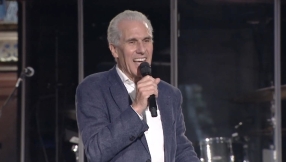
The Archbishop of York says the challenge remains to rid communities of racism, hatred and ignorance 20 years on from the murder of Stephen Lawrence.
The 18-year-old was murdered in a racially motivated attack on 22 April 1993. Gary Dobson and David Norris were jailed for the teenager's murder last year.
Writing in the Yorkshire Post, Dr John Sentamu said some progress had been made in moving away from the "ignorance, fear of difference and stereotyping" which were the "hallmarks" of Lawrence's murder and the subsequent police investigation.
He criticised the police's handling of the investigation, saying it was "clear that the Lawrence family had been ill-served by our justice system".
"The 'canteen and occupational culture' of the Metropolitan Police Service had resulted in what the Inquiry described as 'institutional racism', a concept which was clearly discernible in the investigation of the murder of Stephen Lawrence," he said.
Dr Sentamu, who was an adviser to the Stephen Lawrence inquiry, said much of the progress in addressing racism and bringing the killers to justice had been down to the "determination and courage" of Lawrence's parents, Neville and Doreen.
He pointed to a "general change in perception of what is acceptable in our communities, and in our attitudes to our neighbours, whatever their ethnic origin, colour or culture".
Despite the progress, however, the Archbishop warned that violence based on discrimination was still a real threat in communities.
"As we remember Stephen's death at this time we need to renew our determination to rid our communities of racism, hatred, fear, ignorance, stereotyping, and the advantaging or disadvantaging of others because of their colour or ethnic origin."
He continued: "The elimination of racism remains a serious task for all of us. For racism is like an invidious and devastating cancer in society, attacking community structures and all its components.
"We may congratulate ourselves that it has been eradicated in one place and we can relax, but sadly it often turns up somewhere else, with slightly different characteristics – this time perhaps focussed on asylum seekers, or Eastern European workers. Wherever it is found it must be fought.
"As we remember Stephen Lawrence at this time, twenty years after that senseless, racist and cruel attack; as we mourn the violence done to him, the loss of his future, and of his potential, strong feelings are never far away. There may be grief, righteous anger, deep regret, fear of the violence which may still lie in wait not only outside, but within our communities."