Liquid assets: How the 'drinkable book' could save lives

Scientists in America have developed an innovative new system which they say could transform access to clean water.

The 'drinkable book' is an instruction manual with information on how and why water should be filtered. Once read, the pages can be torn out and used to make contaminated water safe to drink.

Dr Teri Dankovich developed the technology while working at McGill University in Canada and then at the University of Virginia.

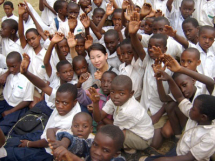
"It's directed towards communities in developing countries," Dr Dankovich said.

"All you need to do is tear out a paper, put it in a simple filter holder and pour water into it from rivers, streams, wells etc and out comes clean water," she told BBC news.

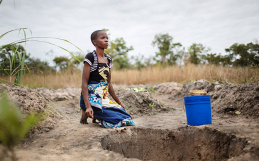
Four million people die every year because of dirty water, half a million of whom are children.

The 'drinkable book' successfully removed more than 99 per cent of bacteria when tested at 25 contaminated water sources in South Africa, Ghana and Bangladesh.

The pages contain nanoparticles of silver or copper, which kill bacteria in the water as it passes through. The resulting levels of contamination are similar to US tap water.

Researchers say the drinkable book is promising because it is a cheap and simple way to purify water and could easily become part of people's daily lives.

However Margaret Batty, director of policy and campaigns at WaterAid, is sceptical. "What we need is a more long-term, sustainable solution to get clean water to people rather than purifying dirty water," she told BBC News.


" data-caption="null" data-credit="null">
related articles
Dirty water kills over 800,000 women every year - WaterAid

Nearly 800,000 women die each year because they lack access to clean water, according to a study by WaterAid, a development organisation advocating for clean water for all.

When does Western aid to Africa hinder more than it helps?

Krish Kandiah interviews development Michael Badriaki about the relationship between Africa and the West.

Water: Should the Church ban the bottle?

The bottled water industry represents the ultimate triumph of marketing over common sense.

News
Why the NEET crisis is a challenge for the Church

Let’s not view the needs of our young people as a problem to be left to government.

Photo exhibition puts deaf, disabled and neurodivergent Church of England leaders in focus

The touring exhibition ‘Called as we are’ shares the portraits and personal stories of 12 deaf, disabled and neurodivergent Church of England leaders, exploring how their experiences shape their ministry.

Britain condemns violence against Christians in Ethiopia

The British government has condemned anti-Christian violence in Ethiopia and said it is supporting the African nation’s Human Rights Commission in its investigations.

Rise in young people who are virgins, but porn and sexting are common

The number of young people who say they are virgins has seen a dramatic increase compared to previous generations, but pornography and sexting are common in younger age groups, and same-sex interactions are increasing.