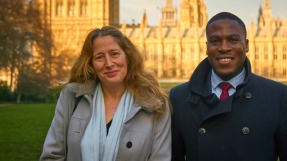
The Salvation Army is strengthening its work tackling drug and alcohol in the north of Scotland.
Debbie Smith has just been appointed as a specialist worker in Inverness to support the church and charity's Drug and Alcohol Strategy in the region.
The strategy was launched in 2013 to provide support for communities affected by addiction. As part of the strategy, specialist workers were stationed in Greenock, Stirling and Falkirk, before expanding to Aberdeen and now Inverness.
The Salvation Army takes a Community Reinforcement Approach (CRA) - a holistic method that involves the community in encouraging people to make changes to their drinking habits or drug use.
Smith, from Nairn, works largely on a one-to-one basis with people who are affected by drug and alcohol addiction. The work can range from attending medical appointments, to organising food parcels or therapeutic group work programmes.
"The central aim of our recovery model is harm reduction through community support," she said.
"We do everything we can to reach the whole person, even when they don't believe in themselves anymore. We look at all areas of a person's life to try and understand their addiction and how it could affect other family members."
The Salvation Army has partnered with Stirling University to reinforce its drug and alcohol strategy. The university's research team is looking into the connections between addiction, homelessness, and wider health and social problems, as well as ways to improve the lives of people struggling with addiction and their families. The findings of the research team are in turn being used to inform The Salvation Army's ongoing drug and alcohol work.
Inverness project manager Laura Mitchell is excited about the expansion of the strategy to the north of the country.
"We're pleased to be expanding our strategy to the Highlands and are delighted to have Debbie on board," she said.
"She brings a massive amount of experience to the role and has already made a positive impact in the lives of those she supports."
Smith said the strategy was "an exciting project with a lot of potential".
"We provide the research team with regular updates on our programme and I'm looking forward to working with them to develop our project with evidence-based practice," she said.