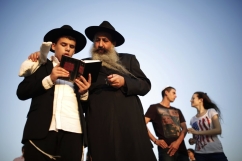
Yom Kippur is the Jewish Day of Atonement, the most important festival of the Jewish year. Even Jews who are not particularly religious will observe it. This year it starts tomorrow evening, September 22, and ends the following evening.
Here are eight things you might not have known about it.
1. Yom Kippur was instituted in Leviticus 16 and 23: 26-32, where the people are commanded to do no work on that day on penalty of being "cut off from their people" (verse 29).
2. Aside from not working, the Jewish Talmud prescribes various other forms of observance. It is a fast period, beginning at sunset the previous day and ending after sunset on the day itself. It's also forbidden to anoint the body (with cosmetics), wear leather shoes or engage in sexual relations.
3. Pre-Yom Kippur rituals include eating honey cake as a way of symbolising prayer for a sweet and abundant year, eating a festive meal, immersion in a mikvah or ritual bath and giving to charity.
4. Yom Kippur focuses on the synagogue. Orthodox services start early in the morning and conclude mid-afternoon, with a break before evening services begin. They end at nightfall with a blast on the shofar or ram's horn.
5. Many Jews wear white on the holiday as a symbol of purity.
6. Yom Kippur has the themes of atonement and repentance. It completes the 'Days of Awe' that begin with the festival of Rosh Hashanah and during which Jews engage in soul-searching and confession. At the end of Yom Kippur, the process is complete.
7. In Israel, Yom Kippur is a legal holiday. Public transport stops, shops and businesses are closed and it is regarded as impolite to eat in public or play music, or to drive.
8. Part of the festival is a recitation of the Temple service and a recollection of the sacrifices and other observances made there until its destruction in AD 70.