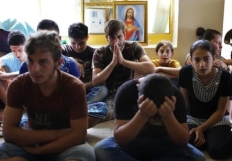
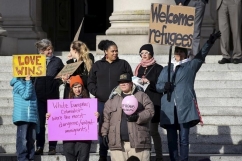
A "safe zone" to protect the persecuted Christians in Iraq sparked a lot of interest when it was proposed during a recent meeting in Washington D.C., participated in by Iraqi Christians, Yazidis and members of other religious minorities.
The proposal was for the creation of a safe zone in the Nineveh Plains, located northeast of Mosul in northern Iraq, that could eventually become a sovereign state, according to Mission Network News.
Although the proposal sounded good since it would give Christians in the area the protection they badly need, it raises a lot of questions, Todd Nettleton of Voice of the Martyrs, USA, said.
"How would this happen? Who would defend it? Would the governments in that area allow such a thing to exist? And who would be welcome there?" he asked.
Nettleton raised another question: "What does this proposal mean for Muslim converts, those who were born in a Muslim family but have made the decision to follow Christ? How would they be affected by this?"
The biggest question of all, he said, is that if Christians leave their communities in Iraq and Syria as well and transfer to this safe zone, "who's going to go to the Muslim area and share the Gospel? How are Muslims going to encounter Christ through the example and testimony of their neighbours and co-workers and friends?"
Thus, Nettleton believes that the idea of a safe zone for Christians would be detrimental to the spread of the Gospel in the Middle East.
"If you separate out all of the Christians and put them in one area and you put all the Muslims in a different area, obviously it would take active, God-ordained mission to go and reach out across those lines," he said.
Nettleton believes that what Iraq's Christians need is encouragement if they are to stay in their communities and be a light for the Gospel.
He said the Voice of the Martyrs is doing its part in helping the persecuted Christians not only in Iraq but in other countries as well.
He said their ministry is working with Christians who have been displaced by the Islamic State (ISIS), providing them humanitarian aid — food, shelter, medicine and other basic necessities—as well as spiritual aid like Bibles and other Gospel materials. He said they're also equipping Christians in the area to reach out to Muslims around them, to share humanitarian aid and the Gospel as well.