
Has Linda Cook made headlines as a favourite to be the next chief executive of international oil company Shell because she's a woman?
Certainly Cook - who is already on Shell's executive committee as director of gas and power - is one of the few women at the top of the macho oil and gas industry. But like her female peers in the boardrooms of Britain's biggest companies, she is also still something of a novelty.
Women make up just 11 percent of total directorships in the FTSE 100 index of blue chip firms, according to the Female FTSE 2007 report from Cranfield School of Management.
But the trend is moving towards seeing more.
"It's the highest it's been," said Val Singh, visiting fellow at Cranfield. "It's looking at the moment as if there will be an increase in 2008," she said.
Progress is slow, partly because of low turnover of directors. However, women took a fifth of all new board appointments last year, according to the Cranfield study.
There is still some major catching up to do on pay as well.
Women working full-time earn, on average, 17 percent less an hour than men working full-time, according to data from Britain's Equality and Human Rights Commission.
The average woman working full-time misses out on around 330,000 pounds over her lifetime.
Some of this is due to discrimination by employers - paying women less than men for the same work.
But it may also reflect subtle differences between men and women's attitudes towards pay and promotion.
GENDER
Although it is difficult to pin down hard facts, gender does make a difference.
"Men are more focused on status, power and influence," said Chris Park, managing director at executive coaching consultancy Talking Talent. "And a big part of how we measure status and power is how much money you are being paid."
"Women are far more relationship and values driven."
In the business world, the way women approach negotiating pay and promotion for themselves is seen as an important reason why they might fall behind male colleagues.
"This is a common phenomenon in organisations," said Elisabeth Kelan, at the Lehman Brothers Centre for Women in Business at the London Business School. "Women often don't ask for a promotion, they wait to be noticed."
There are also assumptions made about women in terms of their gender, which means they may be judged negatively for initiating a discussion about pay.
"It's this double-bind situation that we see so often," said Kelan. "If a women speaks out and says, I want to be promoted, she is likely to be seen as aggressive. For women that is seen as something negative. But if she does not say anything, she is less likely to be promoted.""
This is also evident in attitudes towards women as managers.
If women behave like male managers they are penalised for not being feminine enough. But if they are too feminine they may be seen as less-than-effective bosses.
DON'T APOLOGISE
Companies have made progress in retaining women who have had children by introducing career breaks and flexible working.
But women who do return to work after maternity leave can feel even less able to push for more money.
"They find themselves either consciously or unconsciously feeling like they've had a huge favour done for them being given flexible working," said Park.
"As a result, they don't feel they are in a position to negotiate hard around pay rises or promotion."
Park said some organisations say they actively go out and try to recruit women who've taken a career break.
"This is really fabulous," he said. "But then they say it's because they know they can get them slightly cheaper."
Women also tell their career histories in a different way from men.
"What you find is women attribute their success to others who facilitated it, a male colleague, or friend," said Kelan.
"Men tell it in a different way - they present it as if it was always planned or due to their own achievement."
The business culture probably needs to change, but women may also need to be more assertive and less apologetic.
"They are often not starting out with winning language," said Glenda Stone, chief executive of Where Women Want to Work. "They often fall into the trap of going into justification mode."
Women are also often at a disadvantage because there are fewer of them in senior jobs and that makes less of a network to reach for at a high level and less of a say in decision-making.
But a change in boardroom demographics could help.
"There is a younger generation of men coming through into CEO roles," Singh said.
"They perhaps have working wives and are much more in tune with the reality of managing family and career for women and that women can be ambitious."
54% OFF
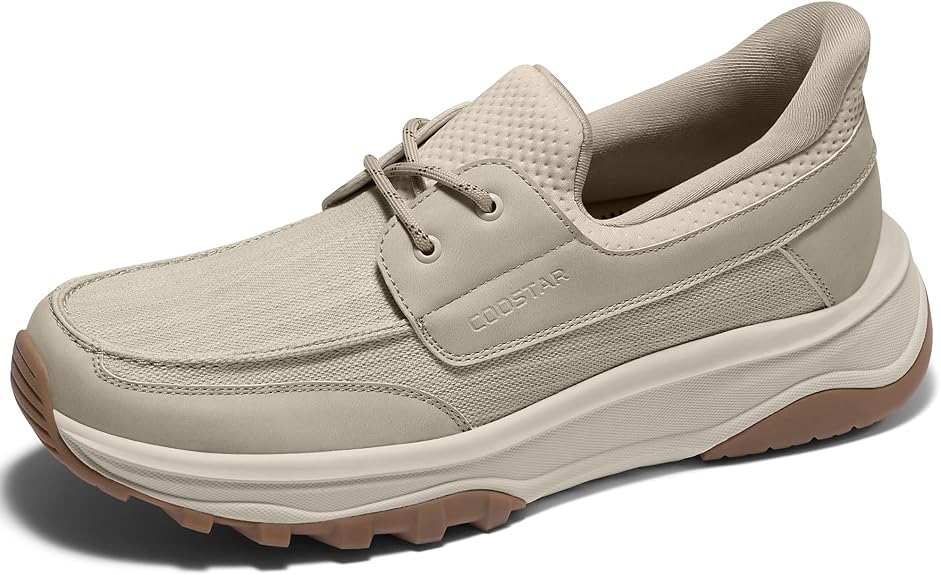
Coostar Men's Orthopedic Slip On Loafers – Hands-Free Casual Walking Shoes with Arch Support, Non-Slip Sole, Breathable Canvas Upper
$21.99 $47.99
60% OFF
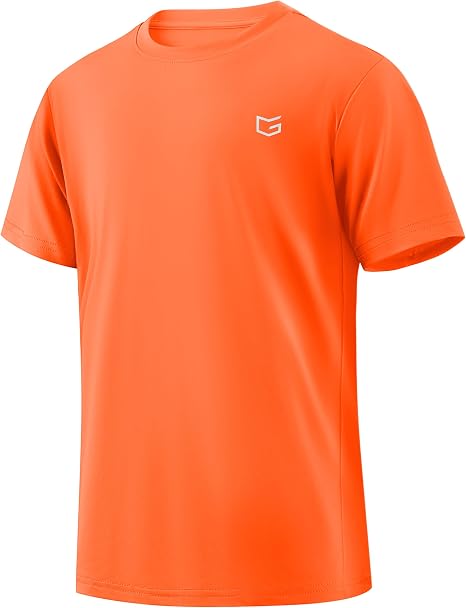
G Gradual Boys Athletic Rash Guard Shirt – UPF 50+ Dry Fit Swim & Sports T-Shirt, Short Sleeve Crew Neck for Soccer, Baseball, Basketball & Undershirt
$7.92 $19.99
41% OFF
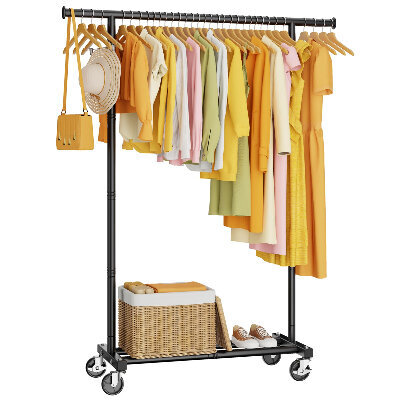
Mobile Rolling Clothing Rack with Wheels - Perfect for Home and Office
$20.79 $34.99
30% OFF
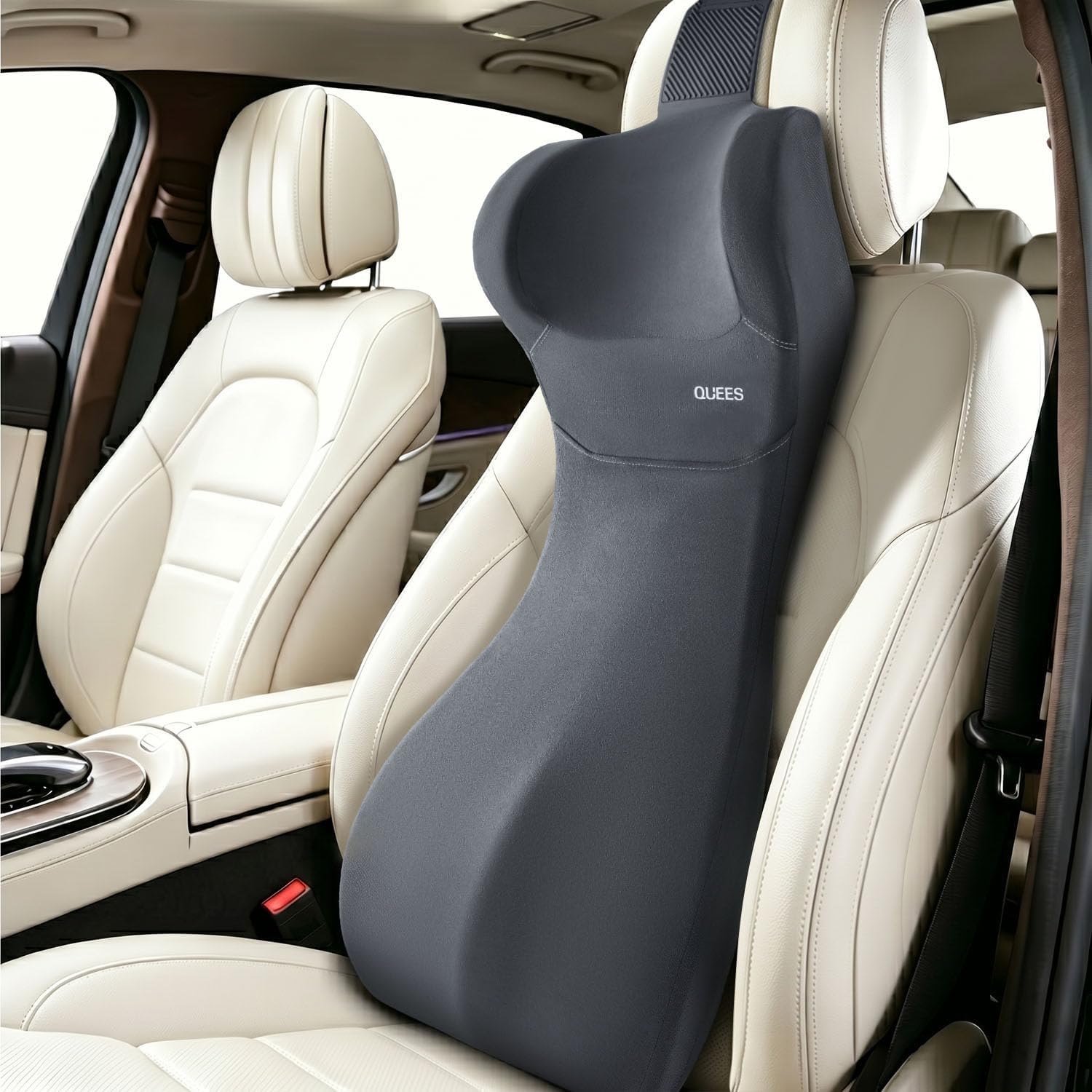
Lumbar Support Pillow for Car with Headrest – Memory Foam Full-Length S-Curve Back & Neck Cushion for Long Drives, Fits Cars, SUVs & Trucks
$32.89 $46.99
46% OFF
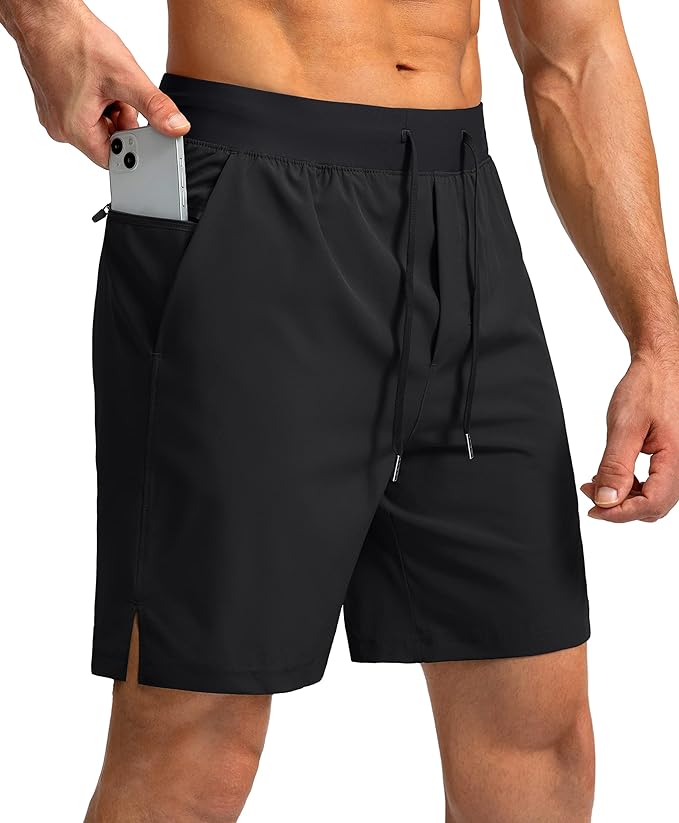
Soothfeel Men's Running Shorts with Zipper Pockets – Quick Dry Athletic Shorts in 9", 7" & 5" Inseams for Basketball, Gym & Workout
$12.91 $23.99
40% OFF
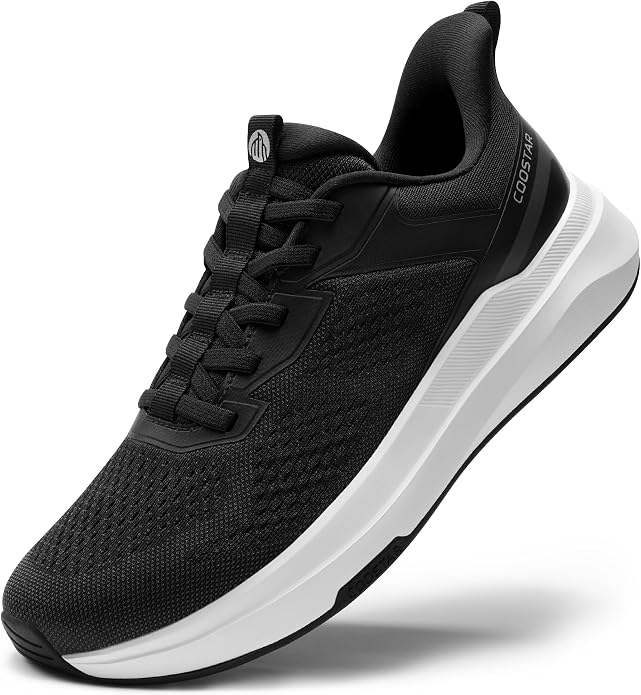
Men's Slip On Walking Shoes – Hands-Free Casual Sneakers with Arch Support, Wide Stable Base, Breathable Knit Upper, Non-Slip Traction
$29.99 $49.99
52% OFF
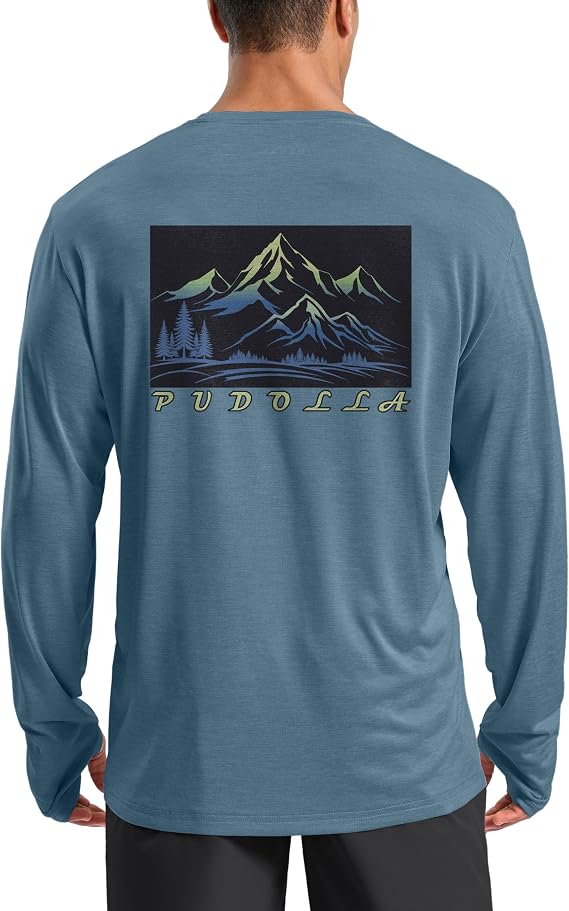
Pudolla Men's UPF 50+ Sun Shirt – Long Sleeve Quick Dry Hiking & Running Shirt with Thumb Holes, Lightweight Moisture-Wicking Rash Guard Base Layer
$11.99 $24.99
35% OFF
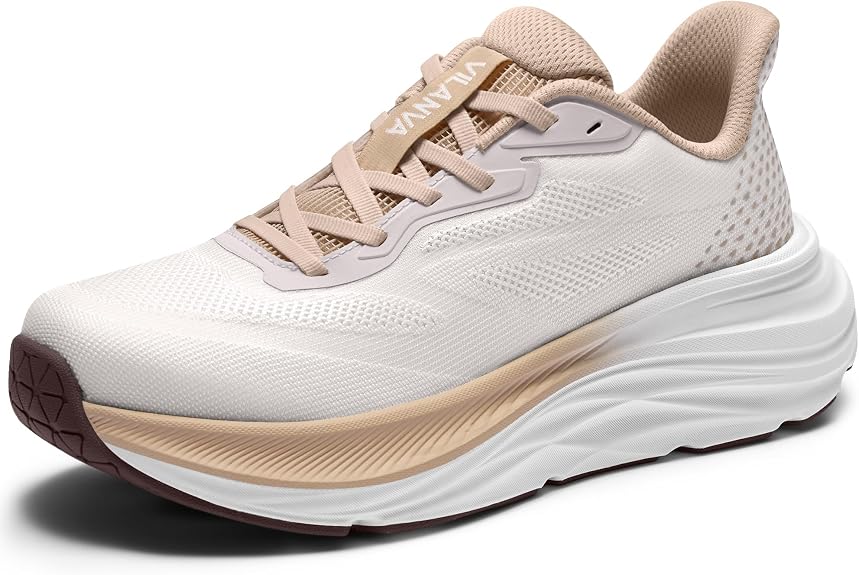
Vilanva Women's Walking Shoes – Cushioned Lightweight Running Sneakers with Slip-Resistant Sole, Breathable Woven Upper for Everyday Wear & Workouts
$35.09 $53.99
24% OFF

MUCAR 892BT AI-Assisted Bidirectional OBD2 Scan Tool with ECU Coding (8" Touchscreen)
$479 $629.99
67% OFF

Rocoren 12-Pack Magnetic Cable Clips – 360° Rotating Cord Organizer with No-Residue Adhesive, Cord Holder for Desk, Nightstand, Wall, Car & Office, White
$6.5 $19.99
60% OFF
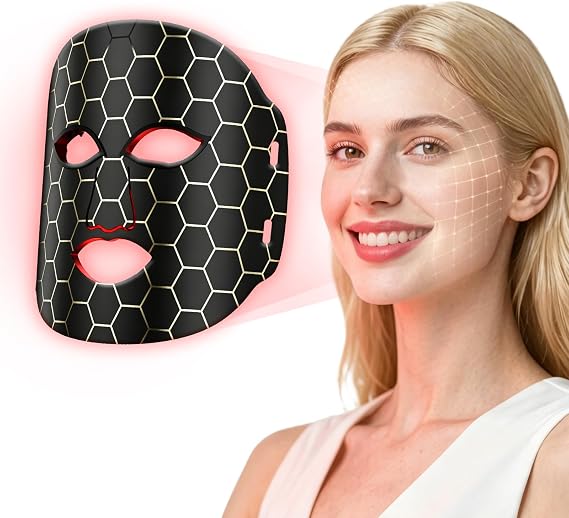
Red Light Therapy Mask for Face – 7-Color LED Silicone Facial Mask, Cordless Rechargeable Skincare Device with 240 LEDs for Home & Travel
$39.99 $99.99
77% OFF
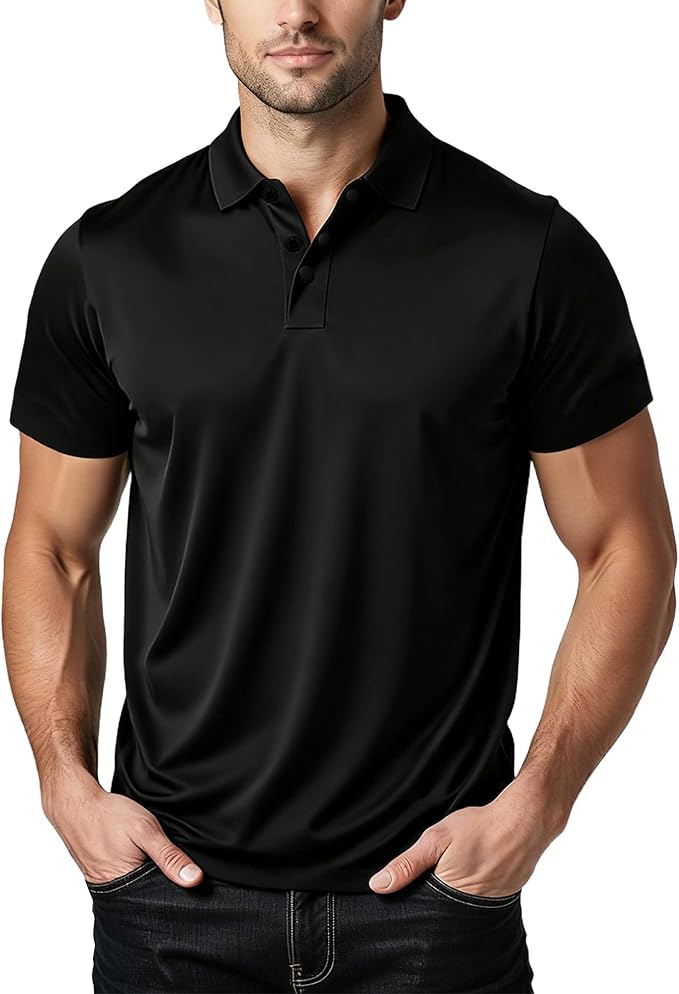
Men's Slim Fit Polo Shirt – Quick Dry Moisture Wicking, High Elasticity, Athletic Fit Polo for Golf, Tennis, Work & Casual Wear (Runs Small, Size Up)
$6.99 $29.99
28% OFF
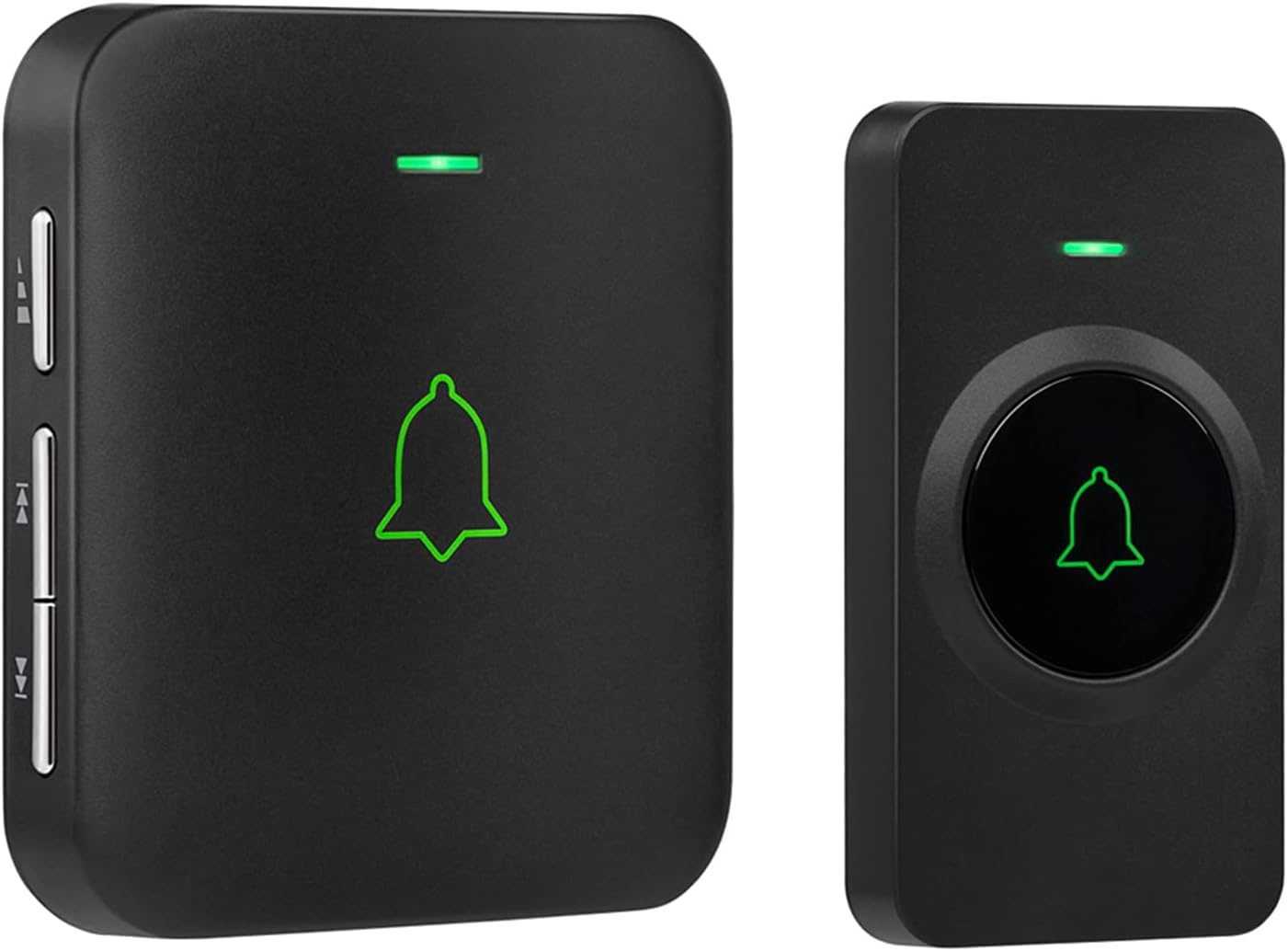
AVANTEK Wireless Doorbell CB-11 – 1000 ft Range, 1 Button + 1 Plug-In Receiver, 115 dB Volume, LED Flash, 52 Chimes, Waterproof, 3-Year Battery
$12.91 $17.99
50% OFF
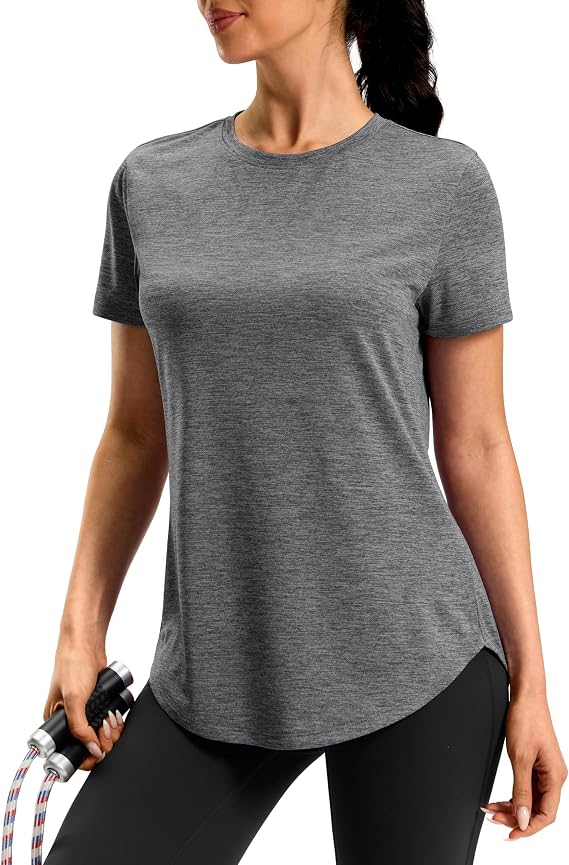
Women's Workout Shirts – Bum-Covering Length Short Sleeve Dry Fit Tops, Lightweight & Breathable for Athletic, Hiking, Running & Summer Wear
$6.99 $13.99
50% OFF
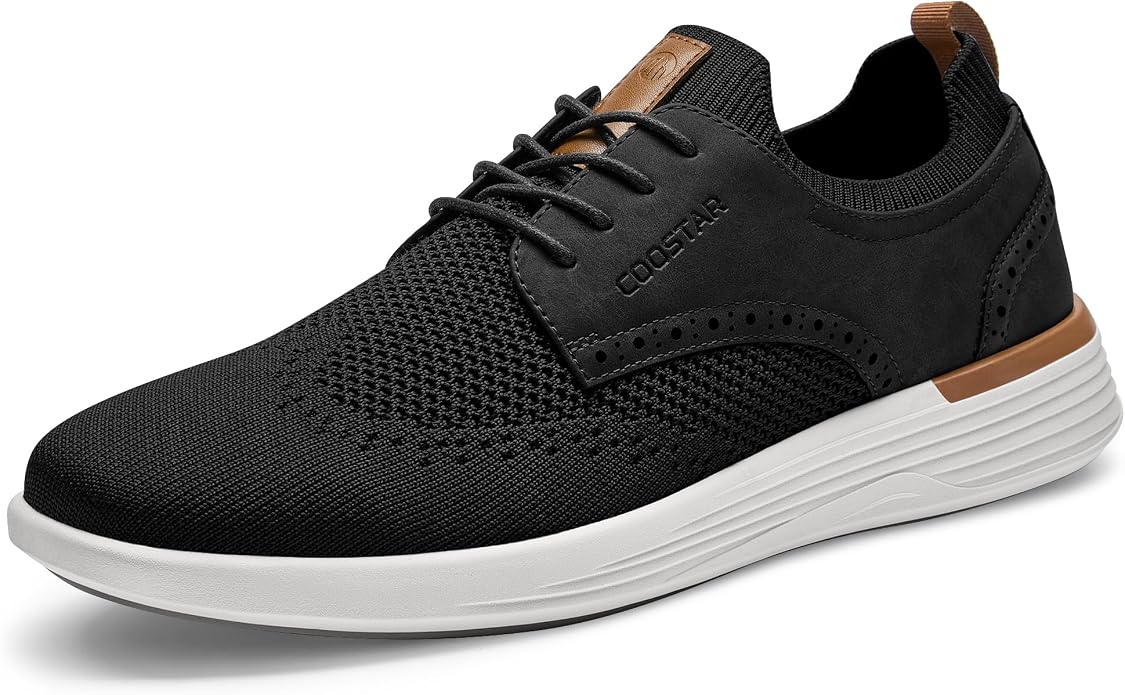
Coostar Men's Casual Dress Sneakers – Lightweight Wingtip Oxford Style with Breathable Knit Upper, Rubber Sole & Slip-On Elastic Collar, Business & Walking Shoe
$22.49 $44.99
45% OFF
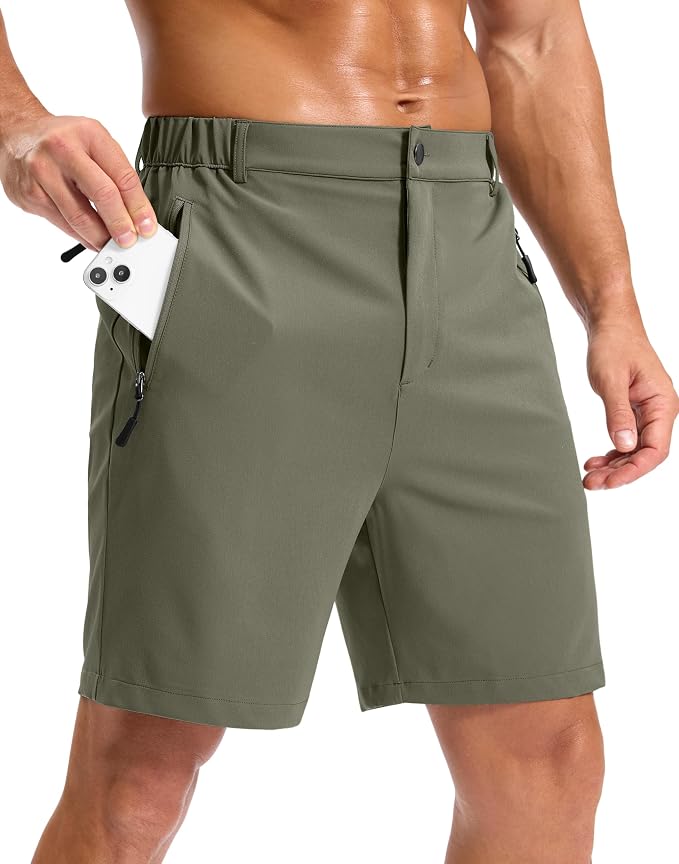
Pudolla Men's Quick Dry Hiking and Golf Shorts with 3 Zipper Pockets
$14.84 $26.99
50% OFF

Venture Pal Ceremonial Grade Matcha Green Tea Powder – First Harvest, Shade Grown, 100% Pure with No Additives, Unsweetened, Vegan & Gluten-Free, 30g Tin
$7.5 $14.99
40% OFF
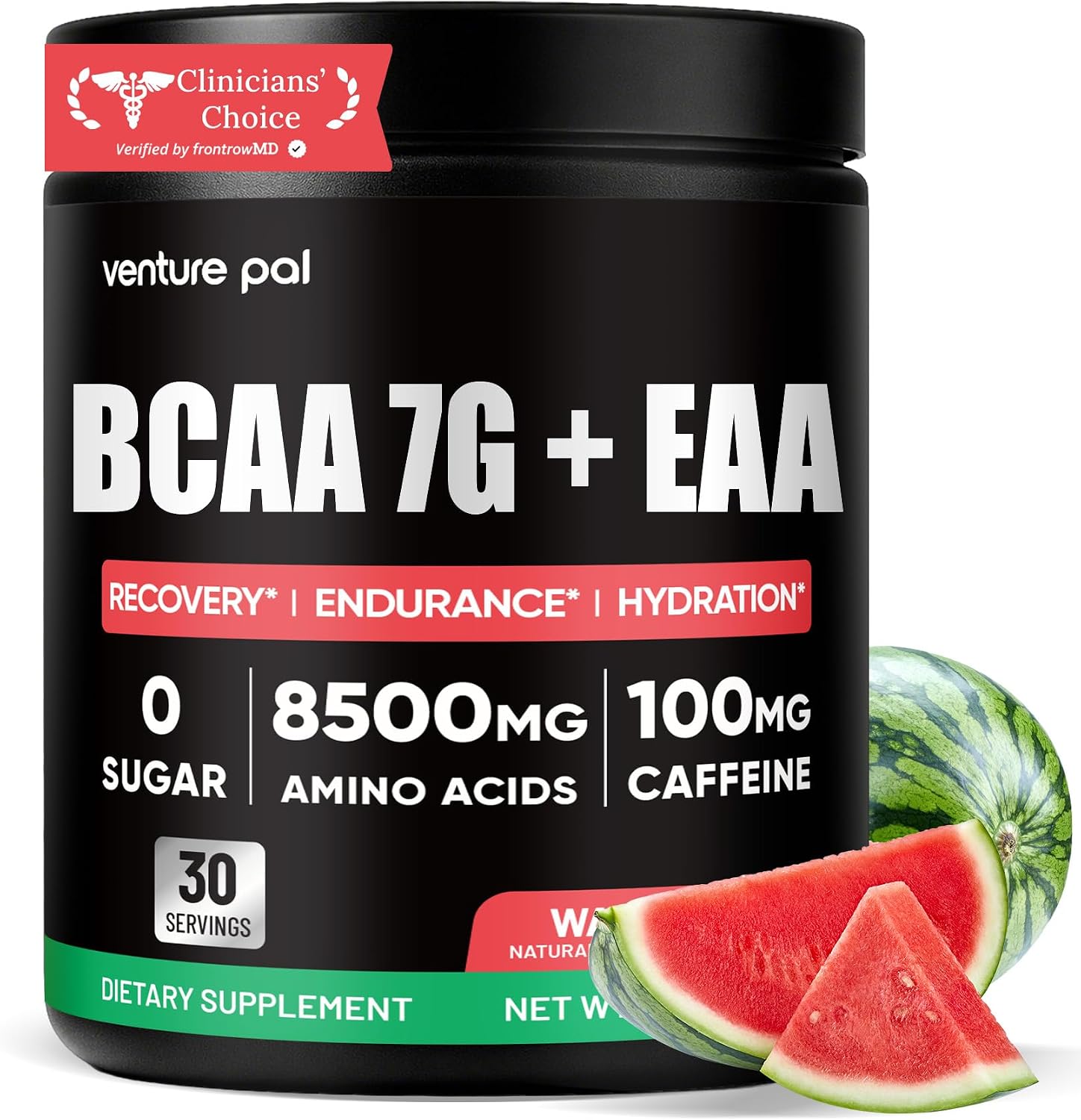
Venture Pal Sugar Free 7g BCAA + EAA Powder – 9 Essential Amino Acids with L-Glutamine, Caffeine, Electrolytes & Vitamins for Muscle Recovery, Growth & Hydration
$14.99 $24.99
30% OFF
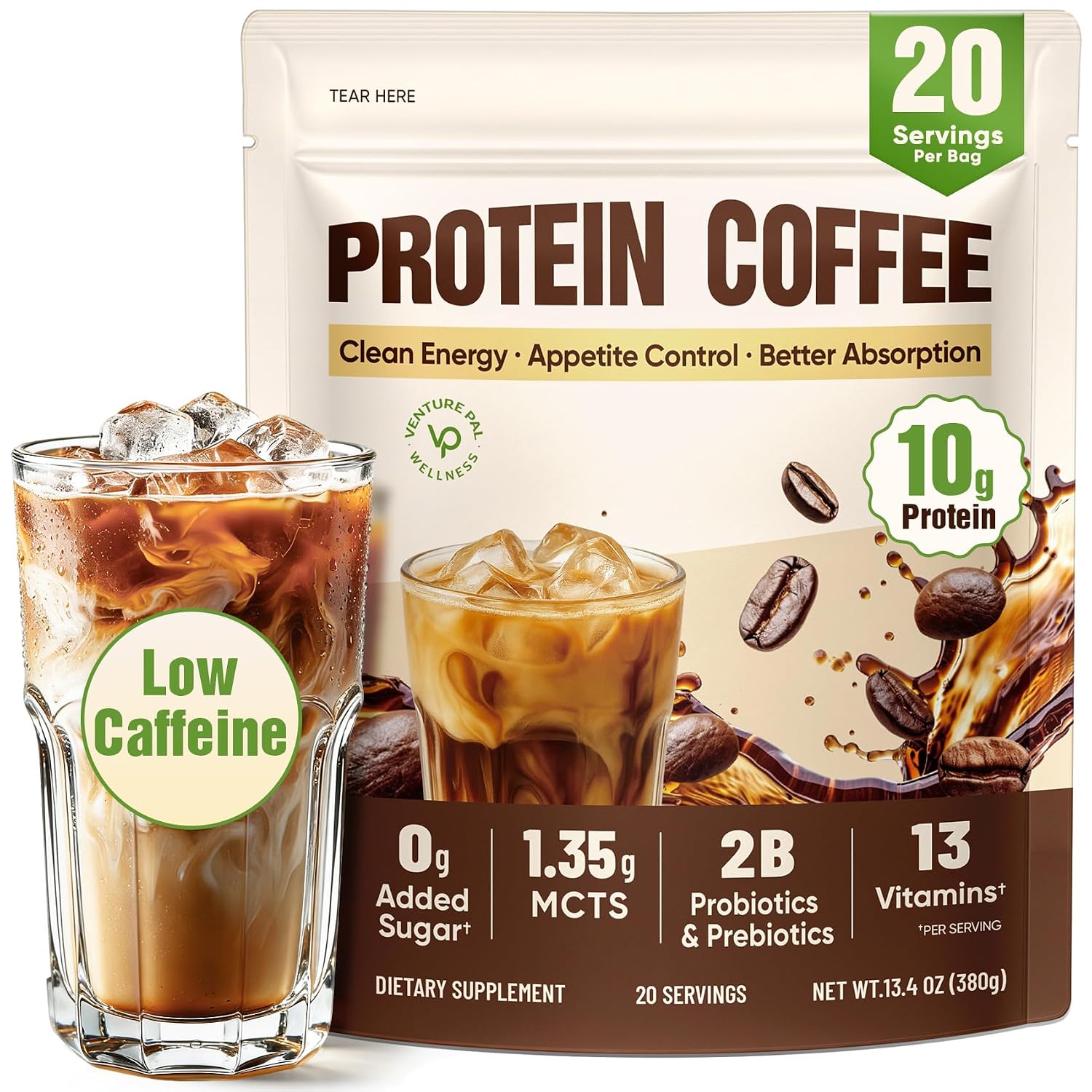
Venture Pal Sugar Free Protein Coffee – Cold Brew Mocha Instant Iced Coffee with MCT Oil, Probiotics, Fiber & 13 Vitamins, 70mg Caffeine, Keto & Gluten-Free, 20 Servings
$13.29 $18.99
20% OFF

Venture Pal Mushroom Hot Cocoa – Natural Sleep Aid with 12 Superfoods, Melatonin 3mg, Magnesium Glycinate, L-Theanine, Glycine, Lion's Mane, Reishi & Turkey Tail, Bedtime Cocoa Mix, 30 Servings
$23.99 $29.99



-

Six injured after sign falls at Christian festival
-

Learning from the Jason Arday tragedy
-

Christian festival organisers ‘heartbroken’ after festivalgoer dies in sign incident
-

Dolly Parton’s lifelong Christian faith: ‘My music was more my ministry than a job’
-

Fundraising appeal grows for family of pastor killed at Christian festival
-

Christian leaders respond to devastating floods in Nepal and Tibet
Most Popular
News

‘No easy answers,’ say church leaders after death of pastor at Christian festival
A fundraiser for the family of Pastor Robert Guanco, who died after a sign fell at the Big Church Festival, has raised over £115,000.

Christians move to protect themselves as another Indian state enacts anti-conversion law
Churches are asking visitors to sign consent forms declaring that they attend services of their own free will.

Fundraising appeal grows for family of pastor killed at Christian festival
A 41-year-old pastor from Eastbourne has died after a large sign fell on people at a Christian festival in West Sussex.
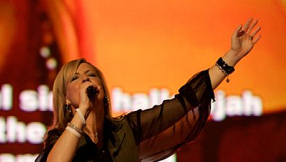
‘Shout to the Lord’ songwriter Darlene Zschech says the Church is entering ‘revival days again’
Veteran worship leader Darlene Zschech believes the Church is once again entering a season in which God is moving powerfully and new expressions of worship are emerging.
Coostar Men's Orthopedic Slip On Loafers – Hands-Free Casual Walking Shoes with Arch Support, Non-Slip Sole, Breathable Canvas Upper
$21.99
G Gradual Boys Athletic Rash Guard Shirt – UPF 50+ Dry Fit Swim & Sports T-Shirt, Short Sleeve Crew Neck for Soccer, Baseball, Basketball & Undershirt
$7.92
Mobile Rolling Clothing Rack with Wheels - Perfect for Home and Office
$20.79
Lumbar Support Pillow for Car with Headrest – Memory Foam Full-Length S-Curve Back & Neck Cushion for Long Drives, Fits Cars, SUVs & Trucks
$32.89
Soothfeel Men's Running Shorts with Zipper Pockets – Quick Dry Athletic Shorts in 9", 7" & 5" Inseams for Basketball, Gym & Workout
$12.91
Men's Slip On Walking Shoes – Hands-Free Casual Sneakers with Arch Support, Wide Stable Base, Breathable Knit Upper, Non-Slip Traction
$29.99
Pudolla Men's UPF 50+ Sun Shirt – Long Sleeve Quick Dry Hiking & Running Shirt with Thumb Holes, Lightweight Moisture-Wicking Rash Guard Base Layer
$11.99
Vilanva Women's Walking Shoes – Cushioned Lightweight Running Sneakers with Slip-Resistant Sole, Breathable Woven Upper for Everyday Wear & Workouts
$35.09
MUCAR 892BT AI-Assisted Bidirectional OBD2 Scan Tool with ECU Coding (8" Touchscreen)
$479
Rocoren 12-Pack Magnetic Cable Clips – 360° Rotating Cord Organizer with No-Residue Adhesive, Cord Holder for Desk, Nightstand, Wall, Car & Office, White
$6.5
Red Light Therapy Mask for Face – 7-Color LED Silicone Facial Mask, Cordless Rechargeable Skincare Device with 240 LEDs for Home & Travel
$39.99
Men's Slim Fit Polo Shirt – Quick Dry Moisture Wicking, High Elasticity, Athletic Fit Polo for Golf, Tennis, Work & Casual Wear (Runs Small, Size Up)
$6.99
AVANTEK Wireless Doorbell CB-11 – 1000 ft Range, 1 Button + 1 Plug-In Receiver, 115 dB Volume, LED Flash, 52 Chimes, Waterproof, 3-Year Battery
$12.91
Women's Workout Shirts – Bum-Covering Length Short Sleeve Dry Fit Tops, Lightweight & Breathable for Athletic, Hiking, Running & Summer Wear
$6.99
Coostar Men's Casual Dress Sneakers – Lightweight Wingtip Oxford Style with Breathable Knit Upper, Rubber Sole & Slip-On Elastic Collar, Business & Walking Shoe
$22.49
Pudolla Men's Quick Dry Hiking and Golf Shorts with 3 Zipper Pockets
$14.84
Venture Pal Ceremonial Grade Matcha Green Tea Powder – First Harvest, Shade Grown, 100% Pure with No Additives, Unsweetened, Vegan & Gluten-Free, 30g Tin
$7.5
Venture Pal Sugar Free 7g BCAA + EAA Powder – 9 Essential Amino Acids with L-Glutamine, Caffeine, Electrolytes & Vitamins for Muscle Recovery, Growth & Hydration
$14.99
Venture Pal Sugar Free Protein Coffee – Cold Brew Mocha Instant Iced Coffee with MCT Oil, Probiotics, Fiber & 13 Vitamins, 70mg Caffeine, Keto & Gluten-Free, 20 Servings
$13.29
Venture Pal Mushroom Hot Cocoa – Natural Sleep Aid with 12 Superfoods, Melatonin 3mg, Magnesium Glycinate, L-Theanine, Glycine, Lion's Mane, Reishi & Turkey Tail, Bedtime Cocoa Mix, 30 Servings
$23.99