
Zimbabwe will transfer ownership of all foreign-owned firms that support Western sanctions against President Robert Mugabe's government to locals and investors from "friendly" countries, a state newspaper reported on Sunday.
The southern African state is struggling with an economic crisis many blame on Mugabe's policies, which has left it with an inflation rate of over 2.2 million percent and chronic shortages of food and other basic needs.
Mugabe's government blames the crisis on sabotage by enemies angry over his seizures of white-owned farms for blacks, and has followed up that policy with another controversial law seeking to transfer majority ownership of foreign-owned firms to locals.
The Sunday Mail said Zimbabwe had begun auditing the ownership of Western firms in the country as part of a black empowerment drive "and to counter the possible withdrawal of investment under sanctions imposed and proposed by Britain and the U.S."
Mugabe - fighting to retain power after a winning a runoff poll boycotted by his rival - says Zimbabwe's severe economic crisis is due to sabotage by former colonial master Britain, its European Union allies and the United States.
The Sunday Mail paper said preliminary results of Zimbabwe's audit of foreign investments showed that 499 companies enjoyed British investments. Of these, 309 had majority shareholders in Britain and 97 were wholly owned by Britons.
The audit also found 353 firms with shareholders from other European countries, the weekly said in a story largely attributed to unnamed government sources.
"A high-ranking government source told the Sunday Mail that these companies would be targeted for takeover by local investors and companies from friendly countries, particularly those in the Far East, should they heed calls by the U.S. and European governments for them to disinvest from Zimbabwe," it said.
"FRIENDLY" INVESTORS TO TAKE OVER
Most of the Western investments in Zimbabwe are in tourism, agriculture, manufacturing and food processing industries.
The newspaper quoted its source as saying: "In the context of growing hostility, the government is planning to invite companies from friendly countries to move in and take over companies that will close down."
The move to line up local and Far East investors for the takeover was also aimed at boosting low industrial capacity which has led to chronic shortages on the market, it said.
Although some British investors had so far rebuffed a call by London to pull out of Zimbabwe, Mugabe was taking no chances, the newspaper said.
"It would have been foolhardy for the government to adopt a 'business-as-usual' approach when the UK and the U.S. are dishing out threats," one source said. "We had to take action and this is the beginning."
Mugabe has previously warned that he will target and nationalise companies he accuses of supporting what he calls a "racist and imperialist" plot to topple his ZANU-PF government.
Mugabe's spokesman George Charamba confirmed the government's drive against Western firms, telling the Sunday Mail: "The government is not sleeping."
"It is hard at work and the spotlight is on the corporate sector. We are anxious to understand the behaviour of corporate bodies and whether this (shortages and price hikes) owes to market imperatives or political obligation of the foreign investors," Charamba said.
Industry leaders say Zimbabwe's economy has been hurt by Mugabe's policies, and its future lies in a negotiated political settlement between the ruling ZANU-PF and the opposition MDC.
The MDC has refused to recognise Mugabe's overwhelming victory in a June 27 vote held after its leader Morgan Tsvangirai pulled out, citing violence by ruling party militia.
49% OFF
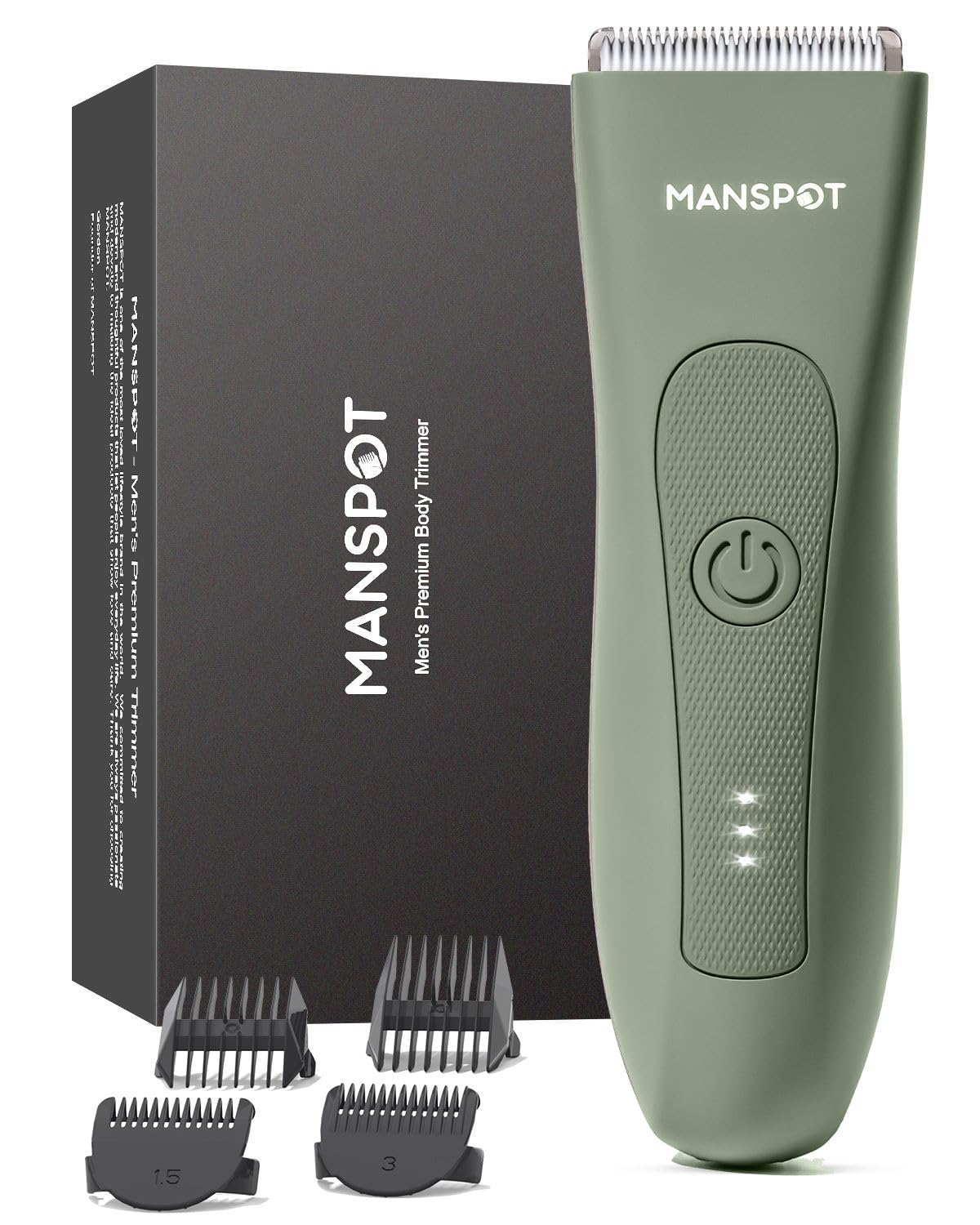
MANSPOT Electric Pubic Hair Trimmer - Waterproof Body and Groin Shaver for Men and Women (Black)
$20.39 $40
25% OFF
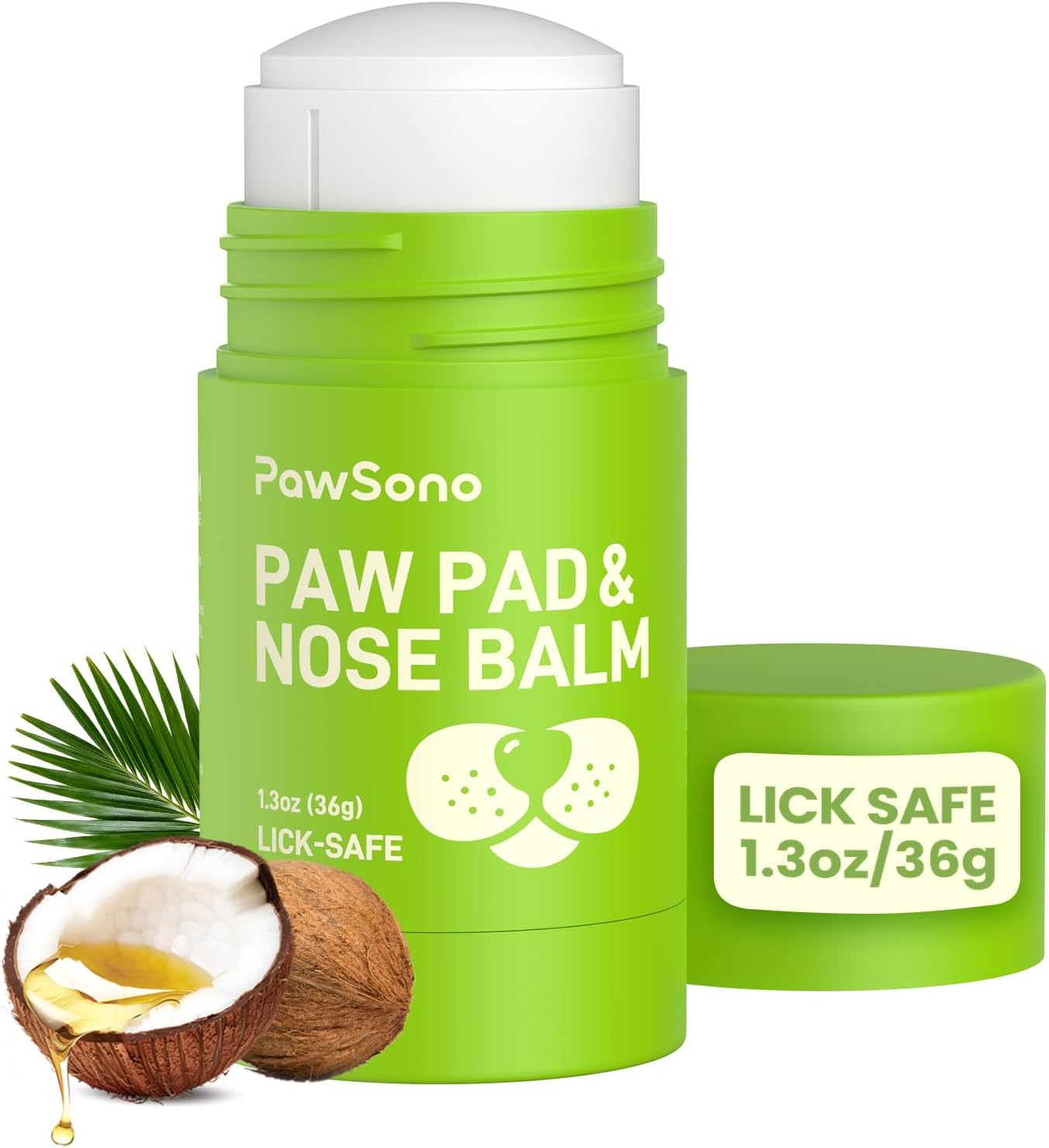
Lick-Safe Dog Paw and Nose Balm Stick - All-Natural Moisturizer with Coconut Oil for Dry, Cracked Pads and Snout
$11.69 $15.59
77% OFF
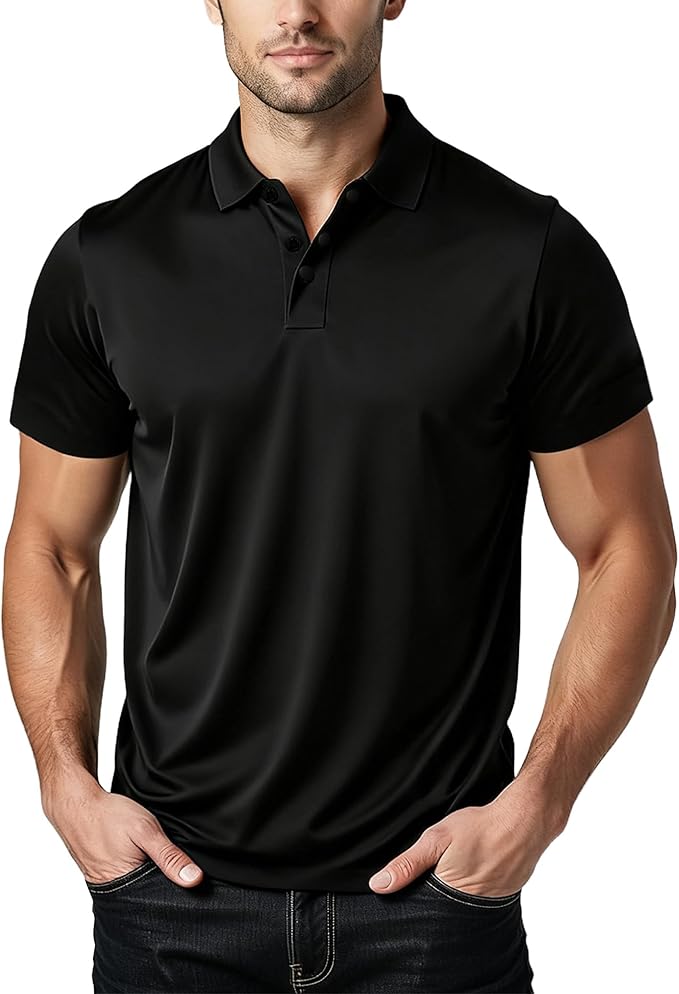
Men's Quick Dry Moisture Wicking Polo Shirt - High Elasticity Slim Fit Athletic Top (Runs Small)
$6.99 $29.99
46% OFF
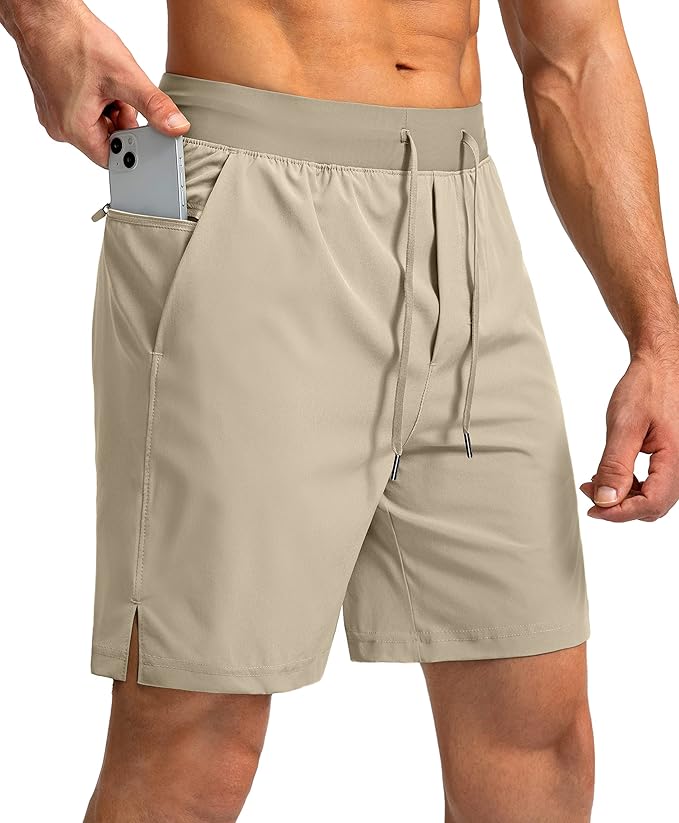
Men's Running Shorts with Zipper Pockets - Lightweight, Quick-Dry, Multi-Sport
$12.95 $23.99
50% OFF
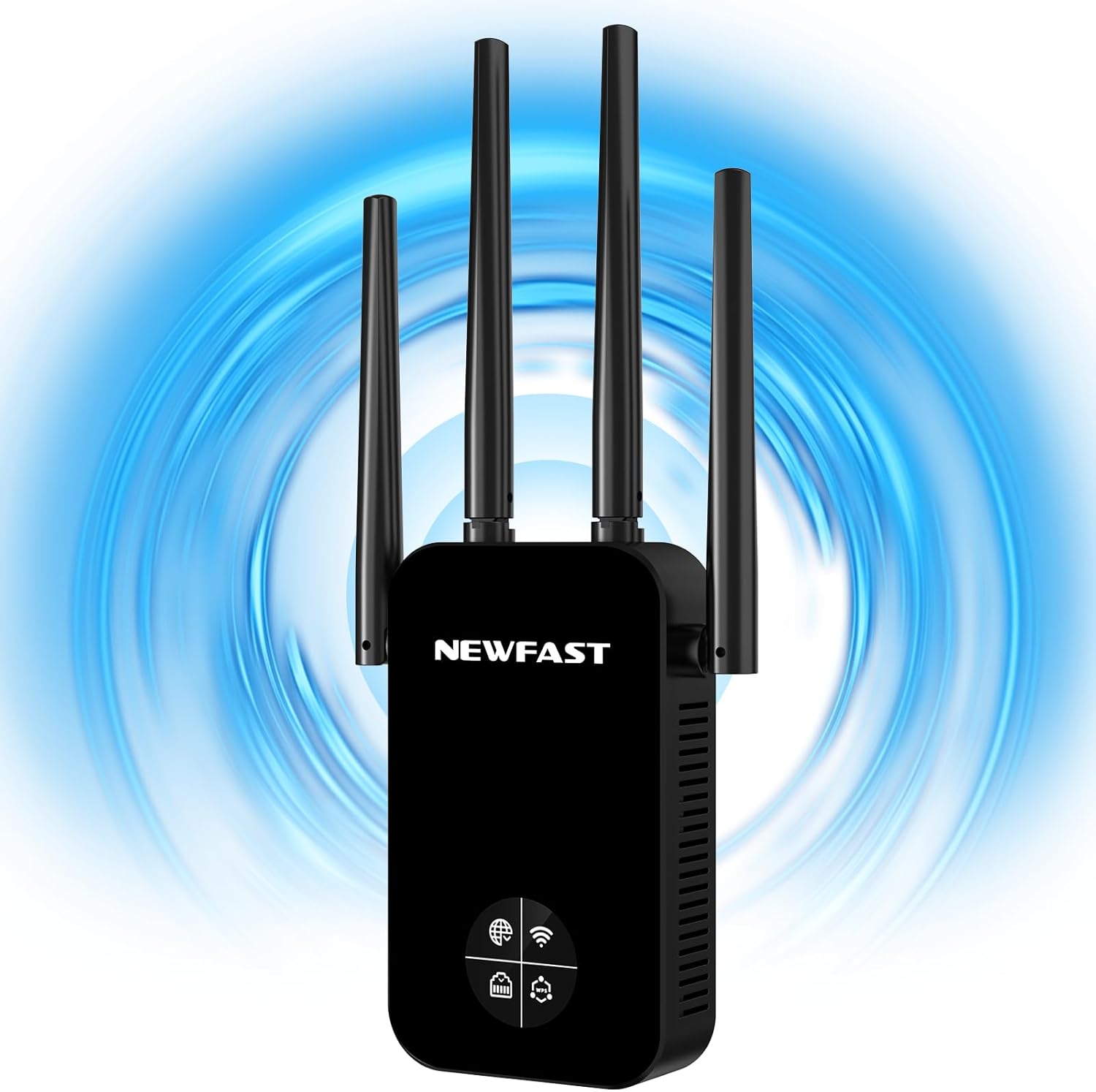
NEWFAST NF-RE523 AC1200 WiFi Extender - 1200Mbps Dual Band Signal Booster & Internet Repeater
$18.5 $36.99
48% OFF
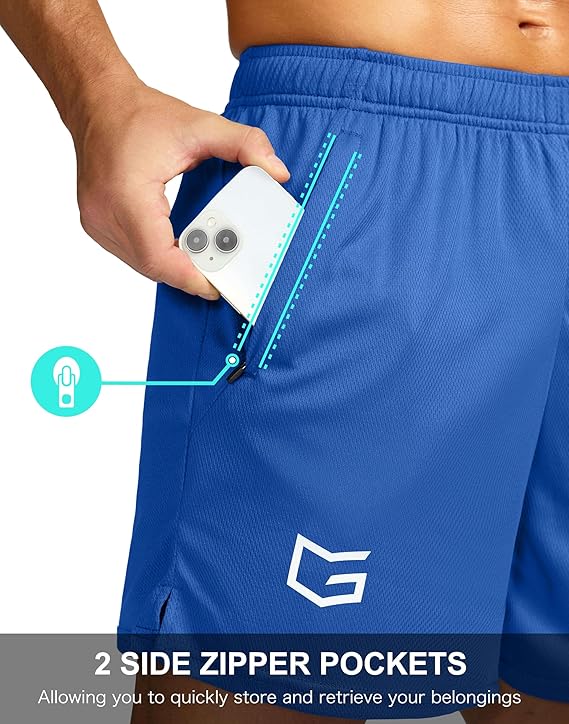
G Gradual Men's 7-inch Workout Running Shorts - Lightweight, Quick-Dry, Comfort
$12.91 $24.99
30% OFF
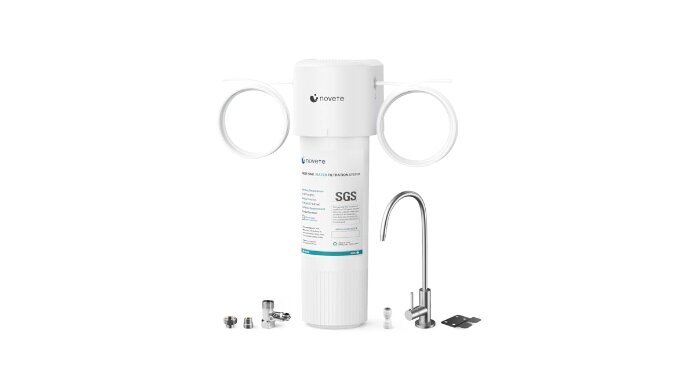
NOVETE Under Sink Water Filter - 3 Years, 30,000 Gallons, High-Efficiency Filtration
$41.99 $59.99
50% OFF

HDPE All-Weather Adirondack Chair with Built-In Cup Holder - Tool-Free Assembly (Grey)
$69.99 $139.99
60% OFF

HOMETUK Clear Plastic Storage Bins with Dividers - 3-Pack Stackable Acrylic Organizer Containers for Fridge and Pantry
$19.99 $49.99
58% OFF

G Gradual Men's Fishing Shirt - UPF 50+ Lightweight Short Sleeve Button Down with Zipper Pockets
$14.99 $35.99
55% OFF

Everyfun 60" Rectangular Platform Tree Swing - 700lbs Heavy Duty Adjustable Outdoor Swing (Colorful)
$49.99 $110.99
61% OFF

Ekouaer Women's Casual Loose Jumpsuit - One-Piece Printed Sleeveless Wide Leg Romper with Pockets
$14.99 $37.99
36% OFF

Men's Athletic Running Shorts with Zipper Pockets - Lightweight & Quick Dry
$12.74 $19.99
61% OFF

Modern Ceiling Fan with Light and Remote - Reversible Quiet DC Motor
$69.3 $179.99
50% OFF

MOOKA H13 True HEPA Air Purifier for Home Large Room - 1076 sq ft Odor Eliminator
$39.97 $79.95
40% OFF
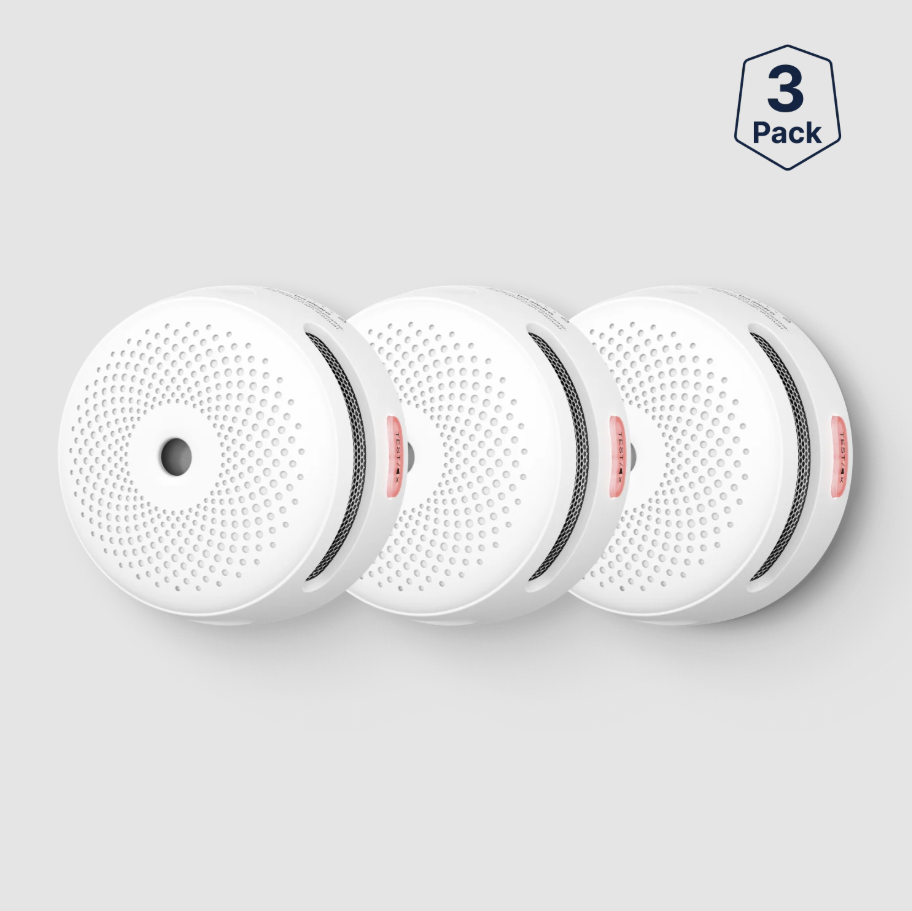
X-Sense XS01-WX Smart Smoke Alarm - 2.4 GHz Wi-Fi Photoelectric Fire Detector with Mobile App Alerts
$65.99 $109.99
11% OFF
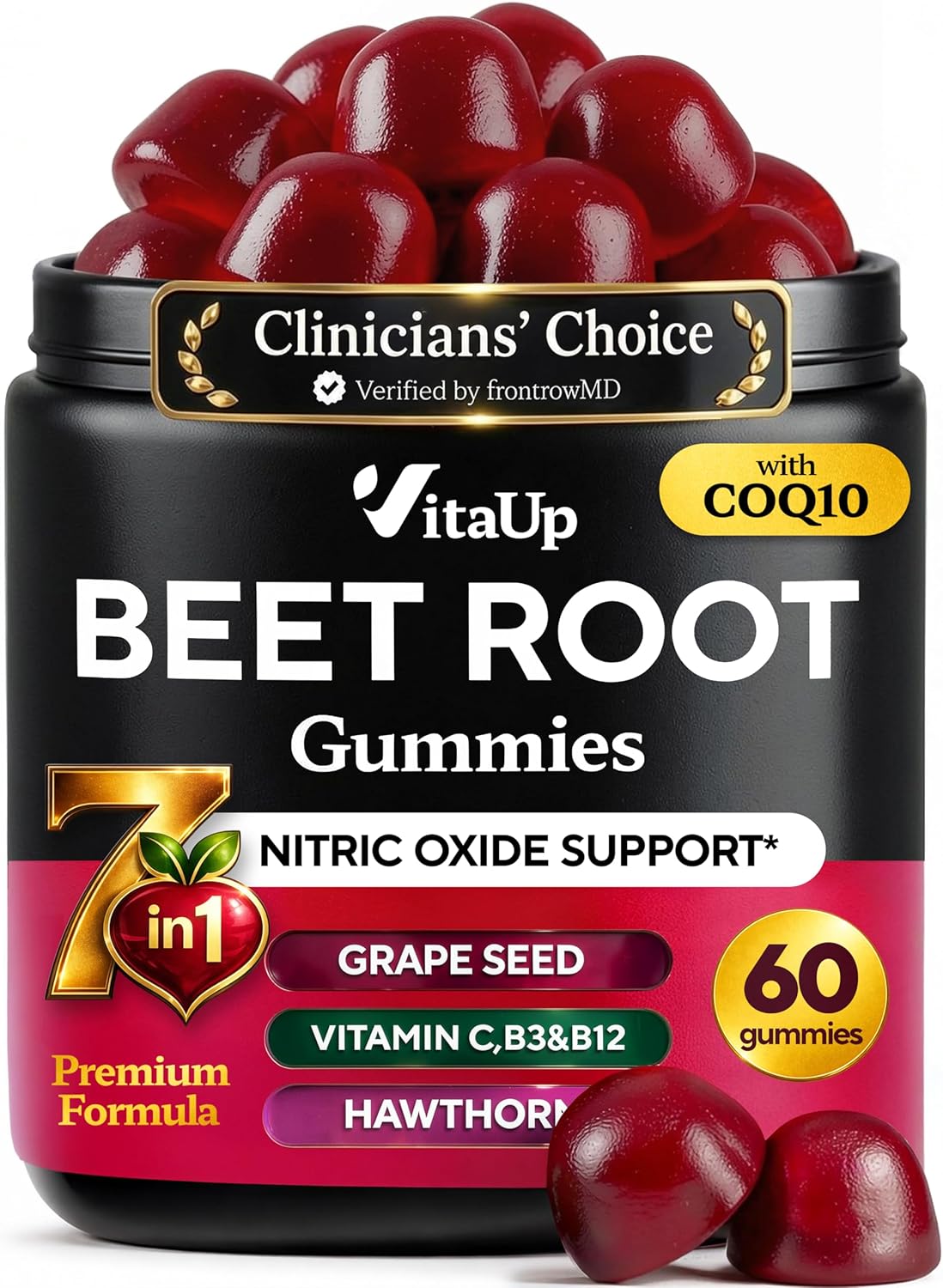
VitaUp Beet Root Gummies with CoQ10 & Grape Seed - Nitric Oxide Circulation Support (60 Count)
$24.91 $27.91
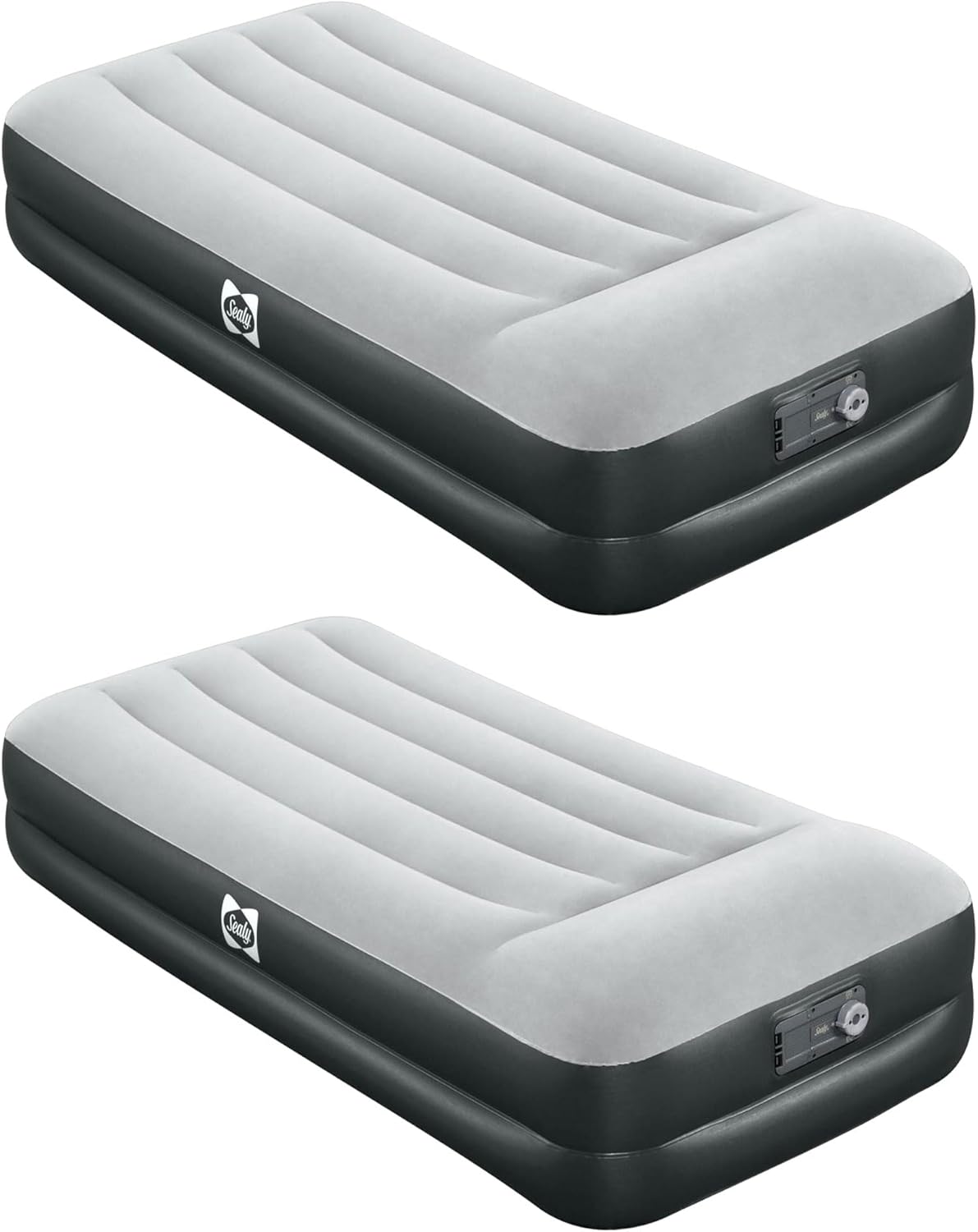
Sealy 2-Pack Tritech 16" Twin Inflatable Air Mattress with Built-in AC Pump
$0 $113.99
20% OFF

INTEX Prism Frame 20ft x 52in Above Ground Pool Set - Round Steel Frame Swimming Pool
$695.99 $869.99

Gardner Pet 43" Heavy Duty Dog Crate with Wheels - Indestructible Folding Metal Cage (Black)
$0 $149.99




-

Diary of a CEO’s Steven Bartlett and John Lennox discuss AI, faith and the search for meaning
-

Anti-Christian hate crimes across Europe surge in May as arson attacks reach 2026 high
-

Belfast churches 'heartbroken' over unrest
-

Is there a two-tier Britain?
-

Churches must disciple well and listen well in response to rise of Christian nationalism
-

Welsh reverend speaks of culture of fear over LGBT issues
Most Popular
News

Anti-Christian hate crimes across Europe surge in May as arson attacks reach 2026 high
Anti-Christian incidents across Europe rose sharply in May, with new figures showing the highest monthly number of arson-related attacks recorded so far this year.

Gloucester churches come together to bless River Avon amid pollution concerns
It is part of a broader campaign against river pollution as concerns remain about the amount of untreated sewage in the Avon.

Life beyond burnout: how Christians can grow in the desert seasons
Christian Today speaks to author and Anglican priest Tish Harrison Warren about growth in desert seasons and why the Church shouldn’t treat all spiritual weariness as a problem to fix.

Iranian-born bishop stands in solidarity with Britain's Jews
2025 had the second highest number of antisemitic incidents on record.
MANSPOT Electric Pubic Hair Trimmer - Waterproof Body and Groin Shaver for Men and Women (Black)
$20.39
Lick-Safe Dog Paw and Nose Balm Stick - All-Natural Moisturizer with Coconut Oil for Dry, Cracked Pads and Snout
$11.69
Men's Quick Dry Moisture Wicking Polo Shirt - High Elasticity Slim Fit Athletic Top (Runs Small)
$6.99
Men's Running Shorts with Zipper Pockets - Lightweight, Quick-Dry, Multi-Sport
$12.95
NEWFAST NF-RE523 AC1200 WiFi Extender - 1200Mbps Dual Band Signal Booster & Internet Repeater
$18.5
G Gradual Men's 7-inch Workout Running Shorts - Lightweight, Quick-Dry, Comfort
$12.91
NOVETE Under Sink Water Filter - 3 Years, 30,000 Gallons, High-Efficiency Filtration
$41.99
HDPE All-Weather Adirondack Chair with Built-In Cup Holder - Tool-Free Assembly (Grey)
$69.99
HOMETUK Clear Plastic Storage Bins with Dividers - 3-Pack Stackable Acrylic Organizer Containers for Fridge and Pantry
$19.99
G Gradual Men's Fishing Shirt - UPF 50+ Lightweight Short Sleeve Button Down with Zipper Pockets
$14.99
Everyfun 60" Rectangular Platform Tree Swing - 700lbs Heavy Duty Adjustable Outdoor Swing (Colorful)
$49.99
Ekouaer Women's Casual Loose Jumpsuit - One-Piece Printed Sleeveless Wide Leg Romper with Pockets
$14.99
Men's Athletic Running Shorts with Zipper Pockets - Lightweight & Quick Dry
$12.74
Modern Ceiling Fan with Light and Remote - Reversible Quiet DC Motor
$69.3
MOOKA H13 True HEPA Air Purifier for Home Large Room - 1076 sq ft Odor Eliminator
$39.97
X-Sense XS01-WX Smart Smoke Alarm - 2.4 GHz Wi-Fi Photoelectric Fire Detector with Mobile App Alerts
$65.99
VitaUp Beet Root Gummies with CoQ10 & Grape Seed - Nitric Oxide Circulation Support (60 Count)
$24.91
Sealy 2-Pack Tritech 16" Twin Inflatable Air Mattress with Built-in AC Pump
$0
INTEX Prism Frame 20ft x 52in Above Ground Pool Set - Round Steel Frame Swimming Pool
$695.99
Gardner Pet 43" Heavy Duty Dog Crate with Wheels - Indestructible Folding Metal Cage (Black)
$0