
BEIRUT - Lebanon's presidential election faced further delay on Friday, despite rival leaders' agreement in principle to give the post to army chief Michel Suleiman.
Direct talks between the anti-Syrian ruling majority and the Hezbollah-led opposition, brokered by French Foreign Minister Bernard Kouchner this week, have failed to clinch a deal on how to amend the constitution to allow Suleiman to take the job.
Christian opposition leader Michel Aoun, who has his own demands, has also yet to give his consent.
Parliament was due to meet for a vote at 1 p.m. (1100 GMT), but senior political sources said they expected the session to be put off for the seventh time since the first attempt on Sept. 25.
"Things are moving in the right direction but more time is needed," one source said, adding that there would be more contacts between the opposing camps during the day.
The presidency, reserved for a Maronite Christian under Lebanon's sectarian power-sharing system, has been empty since pro-Syrian President Emile Lahoud left office on Nov. 23.
The vote will go ahead only if the Western-backed majority and the opposition reach a prior agreement that would secure a two-thirds quorum for the electoral session.
Electing a president would help defuse a political crisis that has paralysed Lebanon for more than a year and led to its worst internal strife since the 1975-1990 civil war.
FRENCH ROLE
Parliament Speaker Nabih Berri, who is also an opposition leader, and majority coalition leader Saad al-Hariri have met in the past few days in the presence of Kouchner, who has travelled to Lebanon seven times this year to tackle the political crisis.
They have discussed electing Suleiman, the shape of the next government and a new law for a parliamentary election in 2009.
Political sources said one obstacle was a demand by Aoun, Hezbollah's main Christian ally, that the next prime minister be a neutral figure, although his opposition colleagues were ready to accept a candidate chosen by the ruling majority.
Aoun wants his share of seats in the new cabinet to reflect the size of his parliamentary bloc -- the biggest of any Christian faction.
The rival camps remain at odds over exactly how to amend the constitution, which bans senior public servants from running for office, to allow Suleiman to be elected.
Berri wants the amendment to bypass Prime Minister Fouad Siniora, while Hariri insists any move should go through his government. The opposition says Siniora's cabinet is not legitimate since all Shi'ite Muslim ministers left it last year.
Suleiman, 59, had been the consensus candidate favoured by the opposition. He has good ties with Hezbollah and was appointed army chief in 1998 when Syria controlled Lebanon.
U.N. Secretary General Ban Ki-moon said on Thursday he had been in regular contact with Lebanese leaders and he urged them to demonstrate "statesmanship" by moving quickly to elect a president, even without a deal on cabinet posts and other issues.
50% OFF
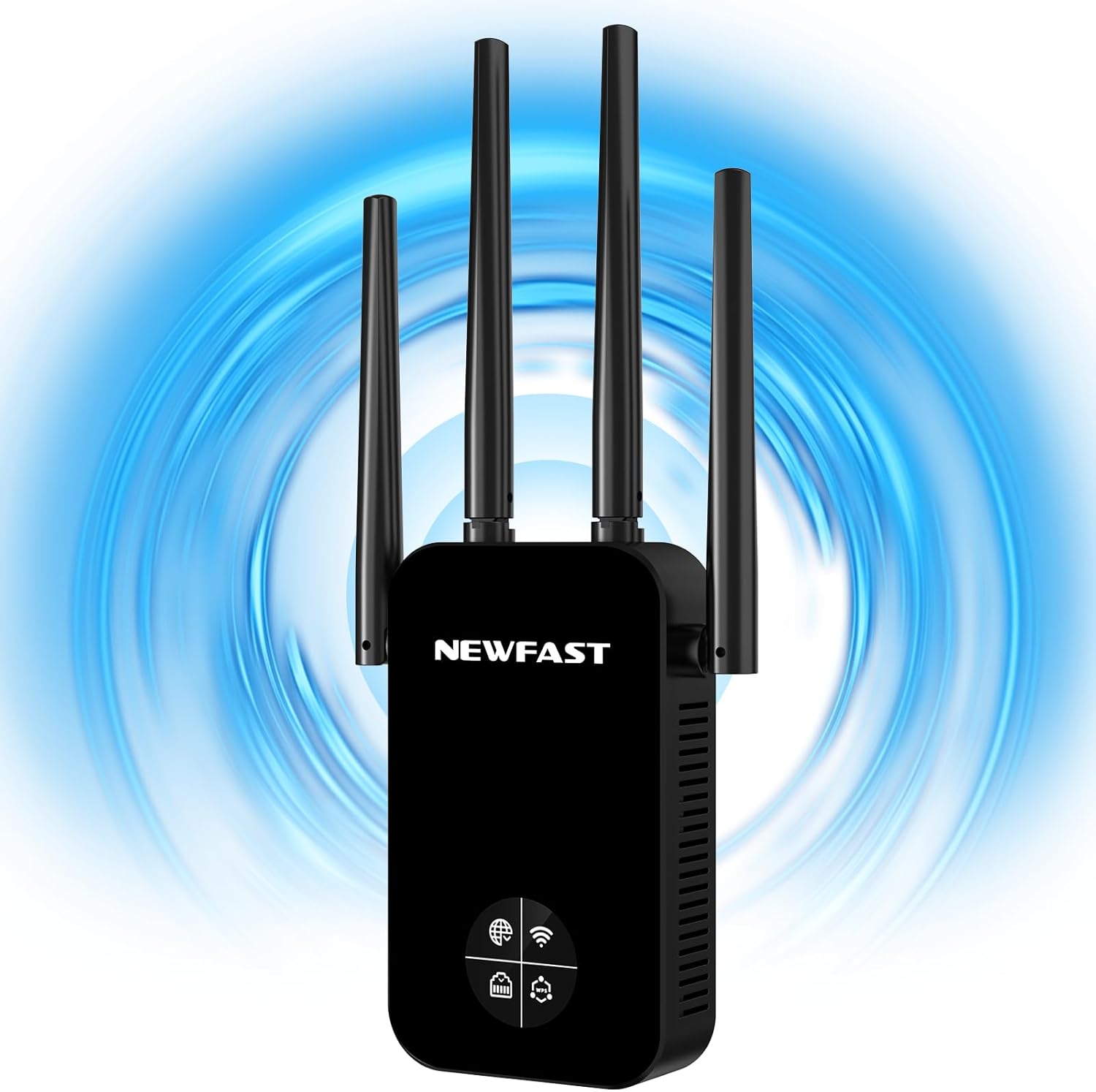
NEWFAST NF-RE523 AC1200 WiFi Extender - 1200Mbps Dual Band Signal Booster & Internet Repeater
$18.5 $36.99
48% OFF
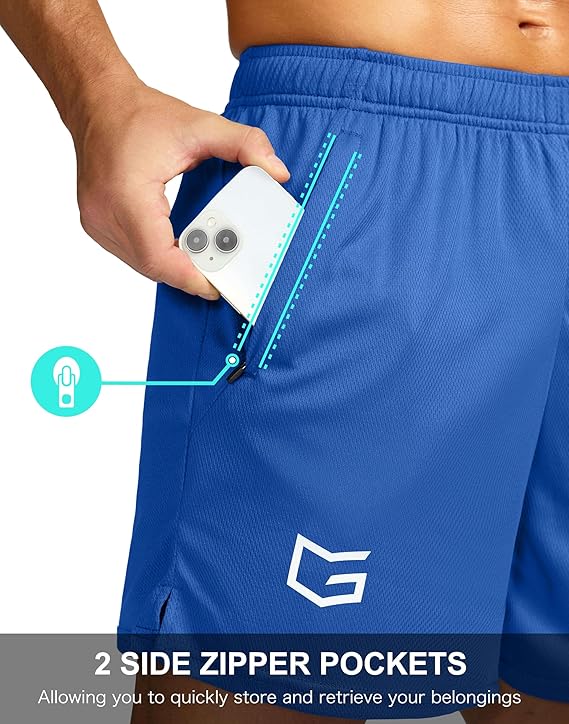
G Gradual Men's 7-inch Workout Running Shorts - Lightweight, Quick-Dry, Comfort
$12.91 $24.99
50% OFF
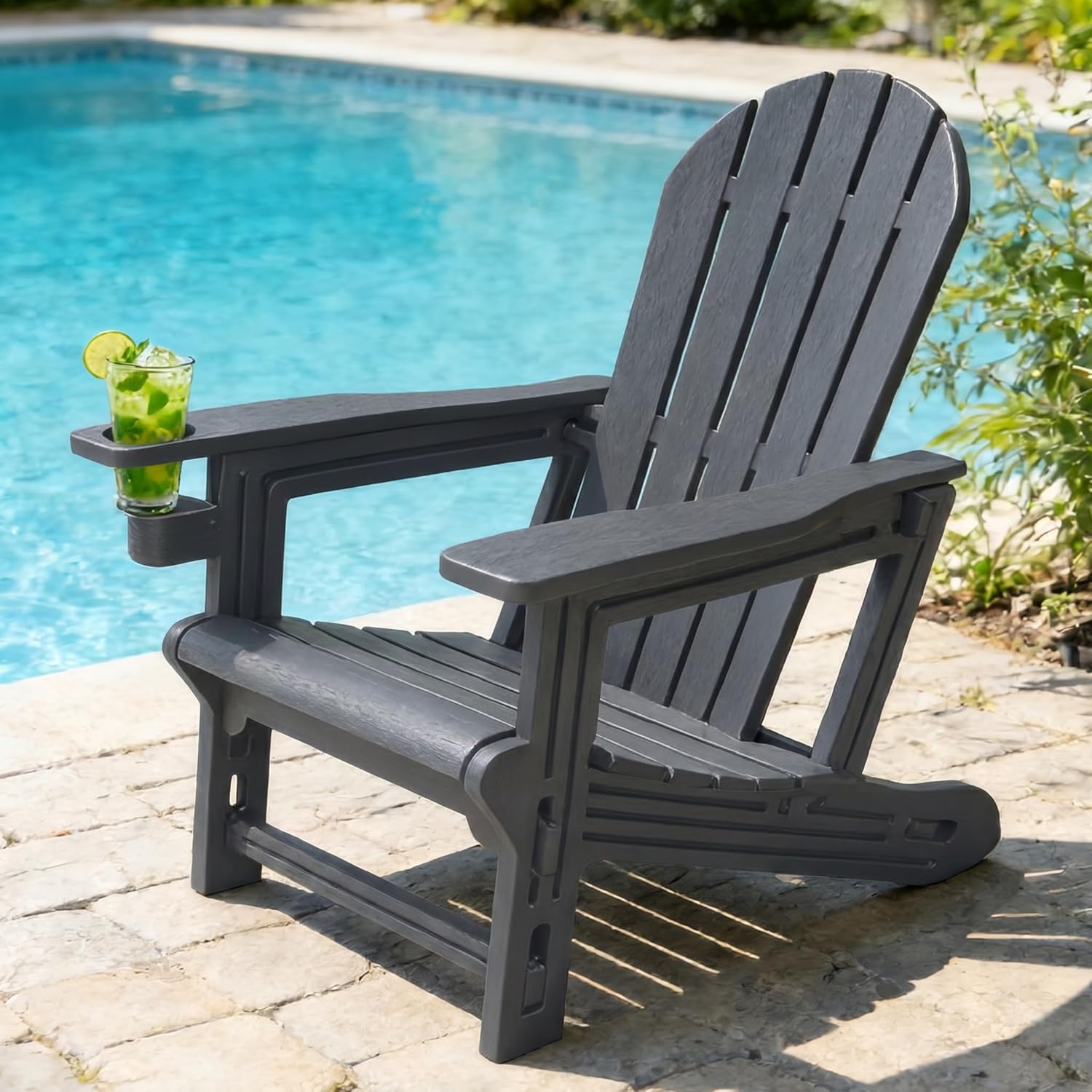
HDPE All-Weather Adirondack Chair with Built-In Cup Holder - Tool-Free Assembly (Grey)
$69.99 $139.99
60% OFF
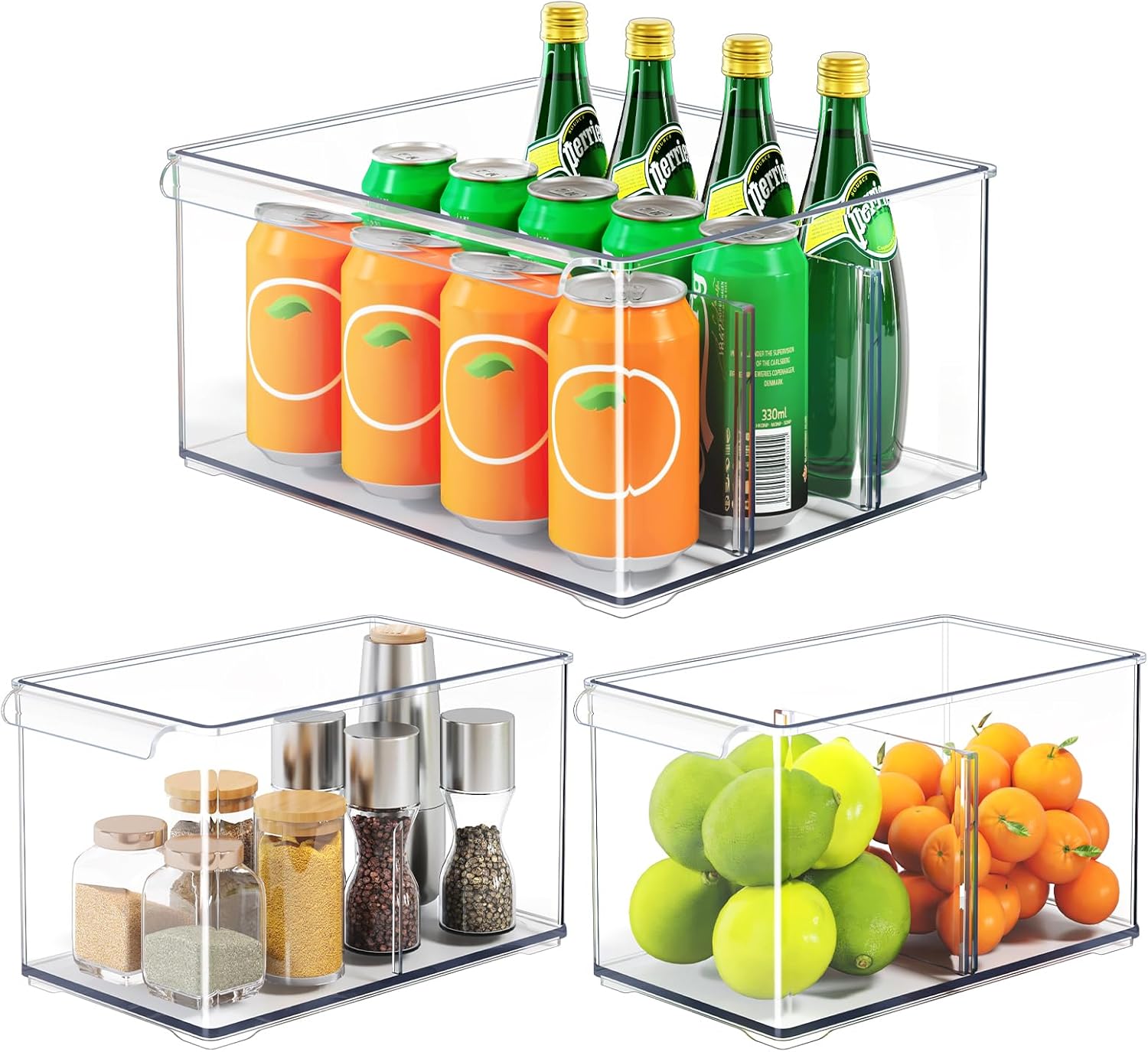
HOMETUK Clear Plastic Storage Bins with Dividers - 3-Pack Stackable Acrylic Organizer Containers for Fridge and Pantry
$19.99 $49.99
58% OFF
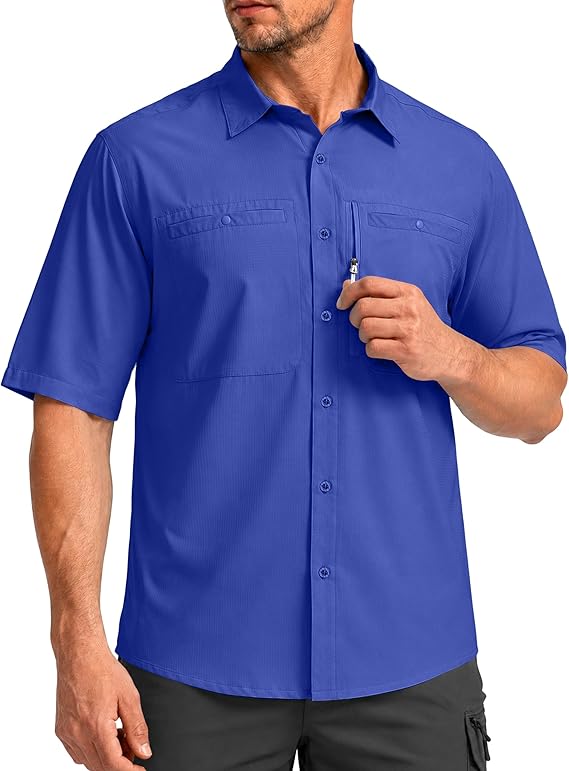
G Gradual Men's Fishing Shirt - UPF 50+ Lightweight Short Sleeve Button Down with Zipper Pockets
$14.99 $35.99
55% OFF
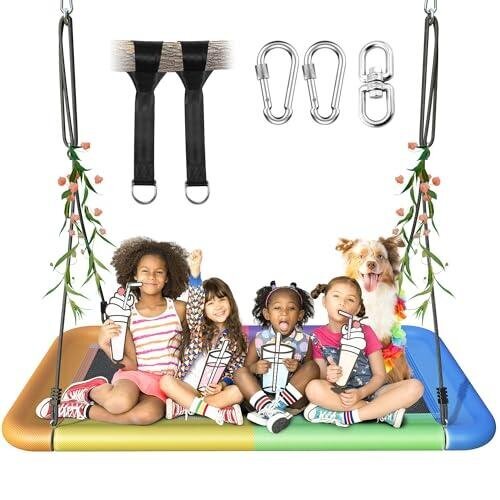
Everyfun 60" Rectangular Platform Tree Swing - 700lbs Heavy Duty Adjustable Outdoor Swing (Colorful)
$49.99 $110.99
61% OFF
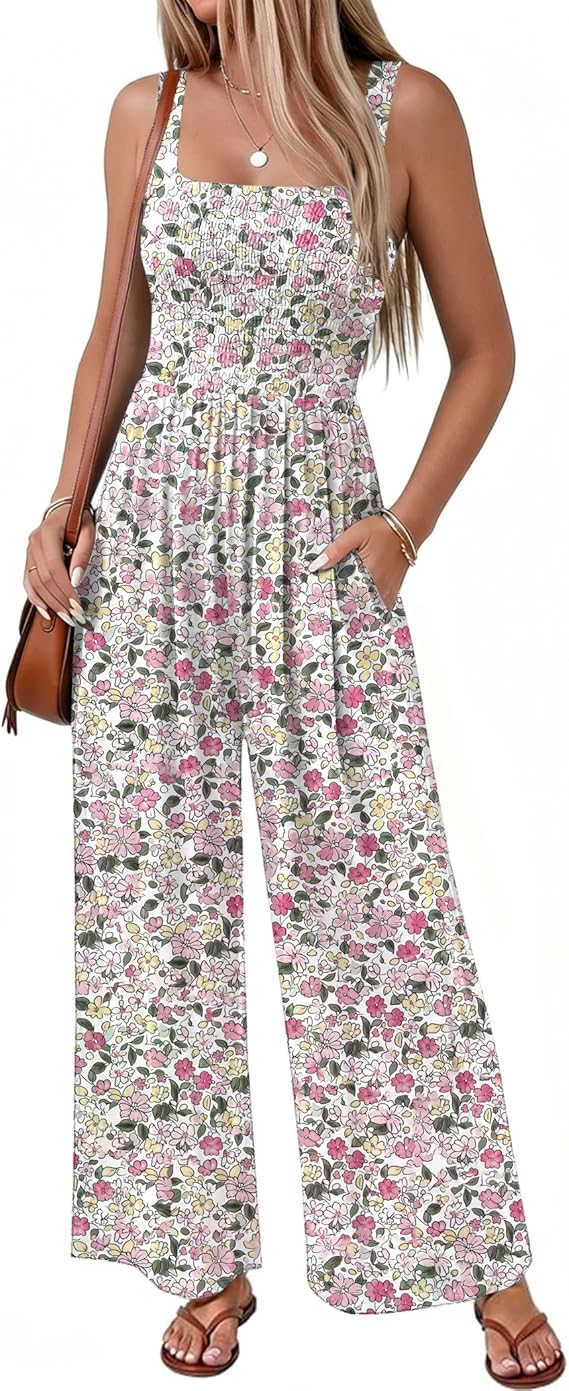
Ekouaer Women's Casual Loose Jumpsuit - One-Piece Printed Sleeveless Wide Leg Romper with Pockets
$14.99 $37.99
40% OFF
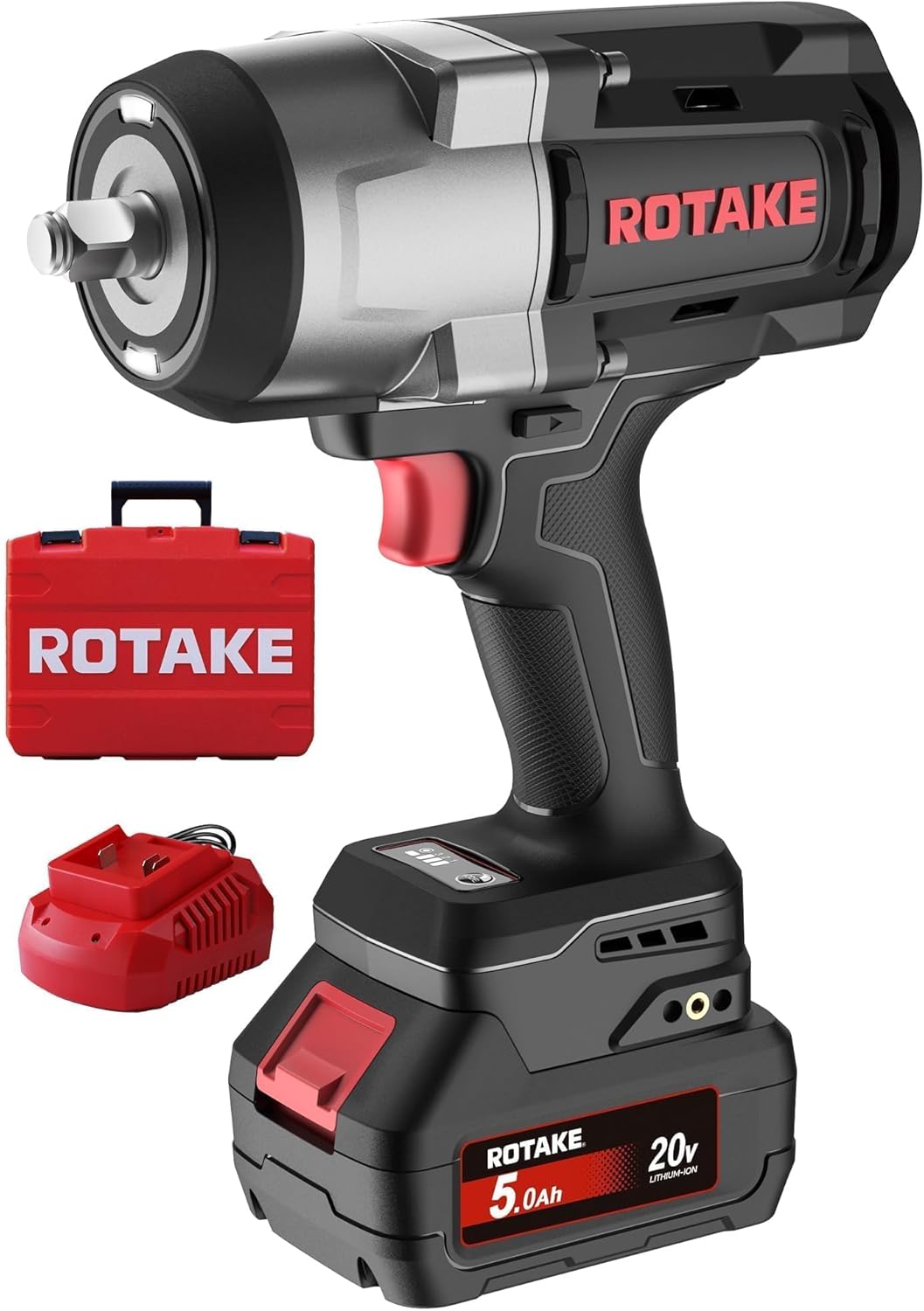
ROTAKE TB3 20V Heavy Duty 1/2" Cordless Impact Wrench Kit - 1380 Ft-Lbs Torque
$132 $219.99
36% OFF
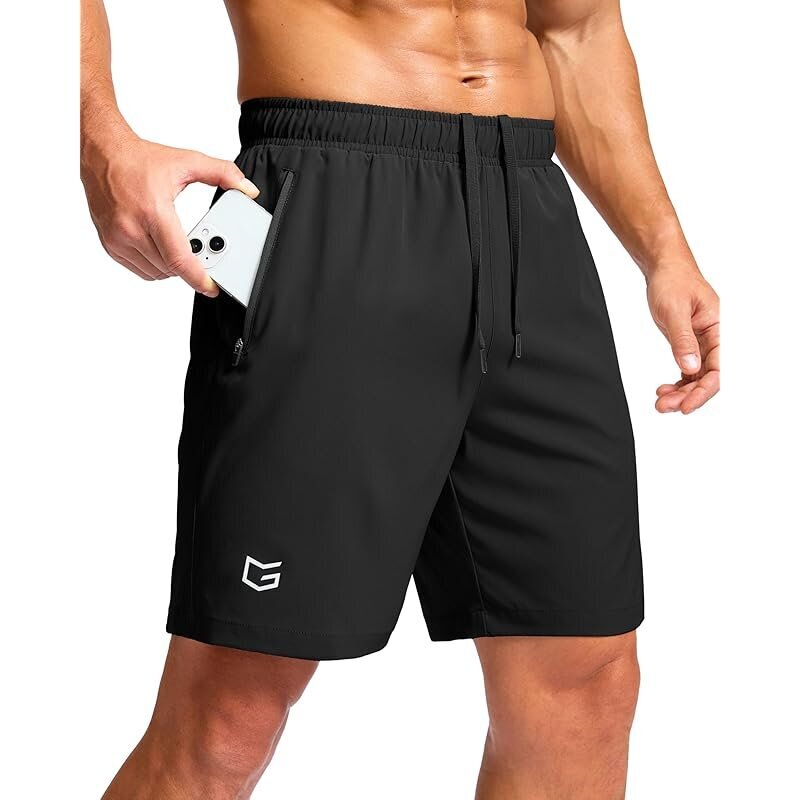
Men's Athletic Running Shorts with Zipper Pockets - Lightweight & Quick Dry
$12.74 $19.99
61% OFF
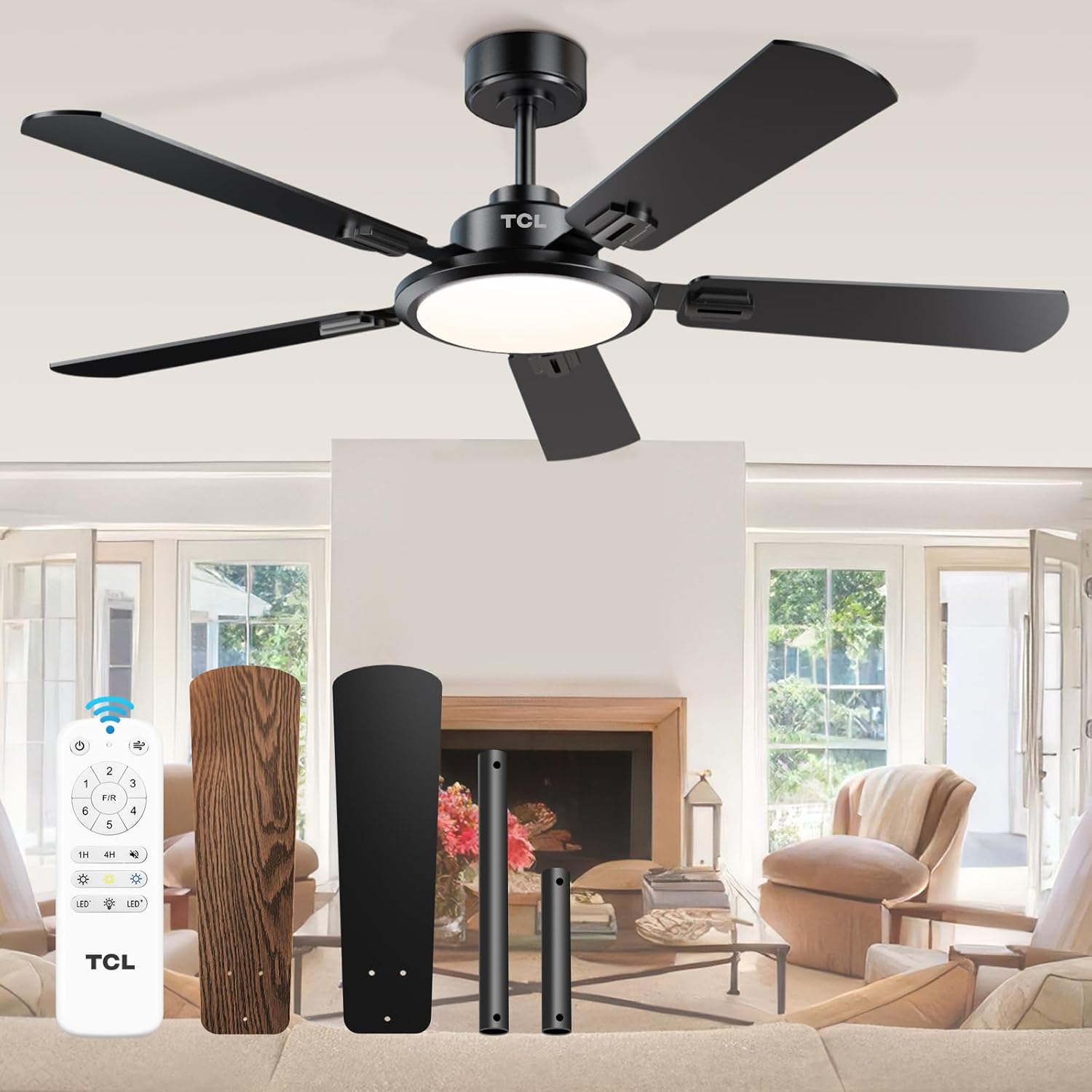
Modern Ceiling Fan with Light and Remote - Reversible Quiet DC Motor
$69.3 $179.99
50% OFF
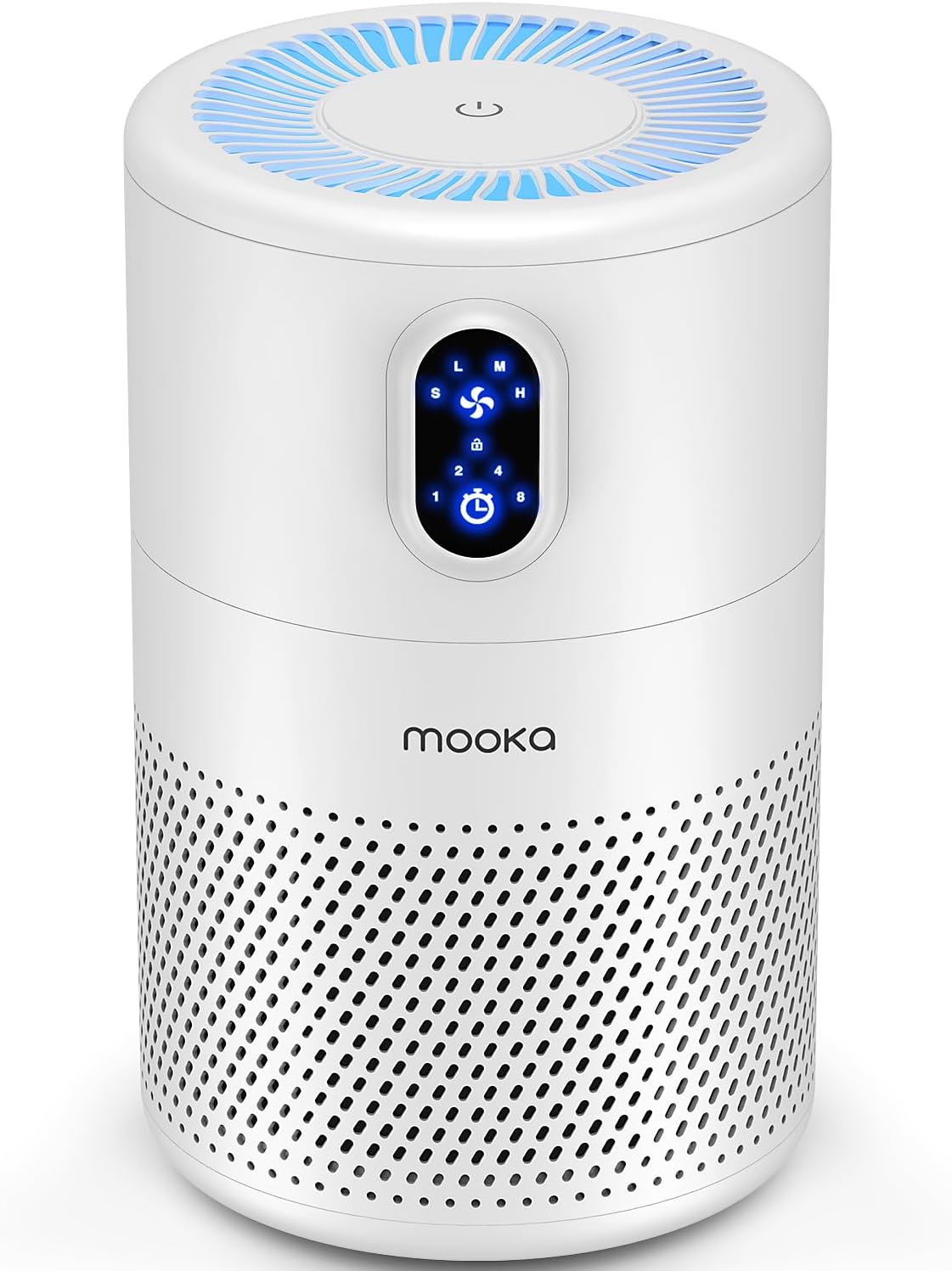
MOOKA H13 True HEPA Air Purifier for Home Large Room - 1076 sq ft Odor Eliminator
$39.97 $79.95
60% OFF

Ekouaer Women's Satin Silky Pajama Set - Short Sleeve Pullover Top & Wide-Leg Pants
$13.99 $34.99
55% OFF

Ekouaer 3-Piece Maternity & Nursing Pajamas Set - Short Sleeve Top with Shorts and Pants
$14.99 $32.99
11% OFF
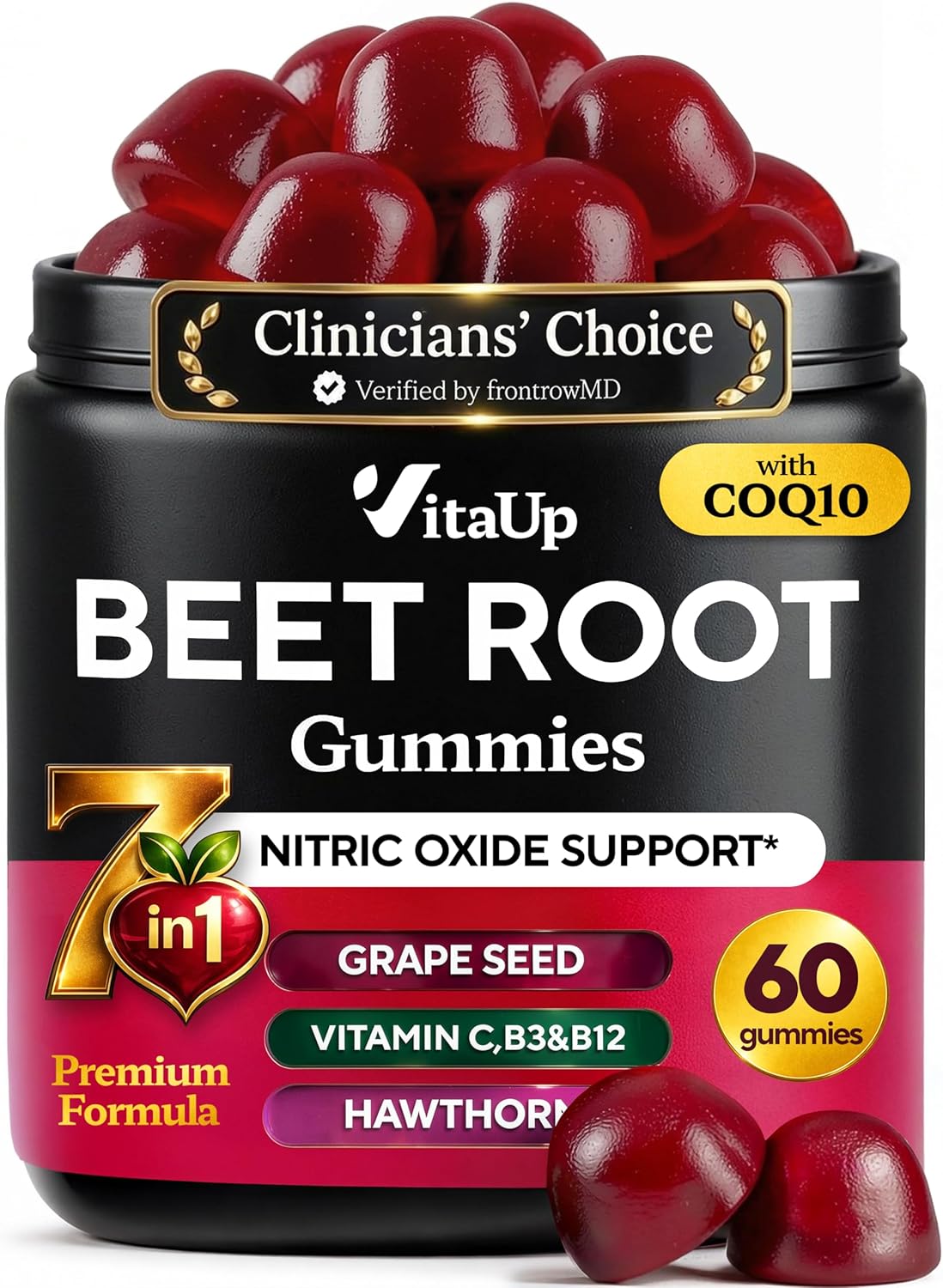
VitaUp Beet Root Gummies with CoQ10 & Grape Seed - Nitric Oxide Circulation Support (60 Count)
$24.91 $27.91
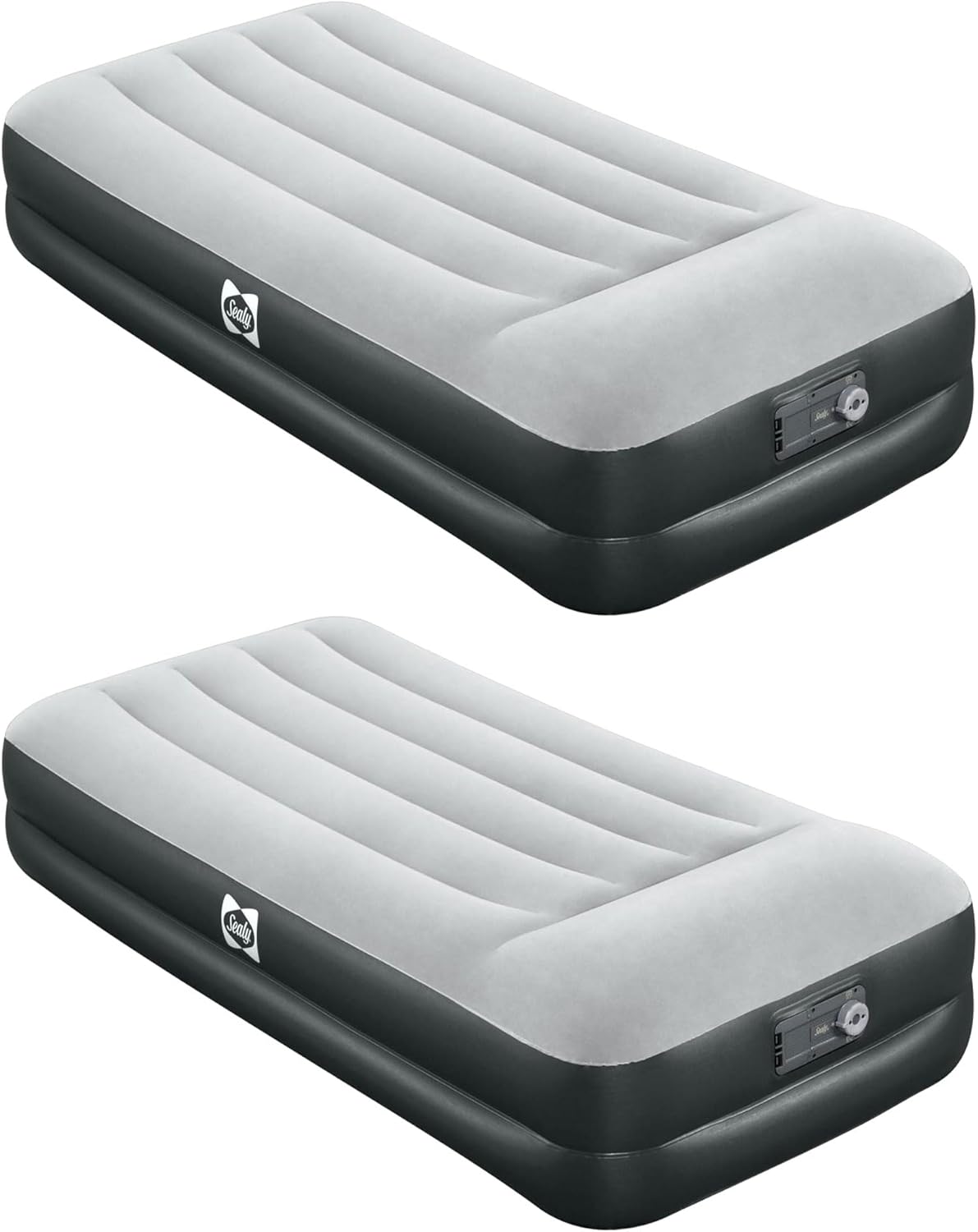
Sealy 2-Pack Tritech 16" Twin Inflatable Air Mattress with Built-in AC Pump
$0 $113.99
20% OFF
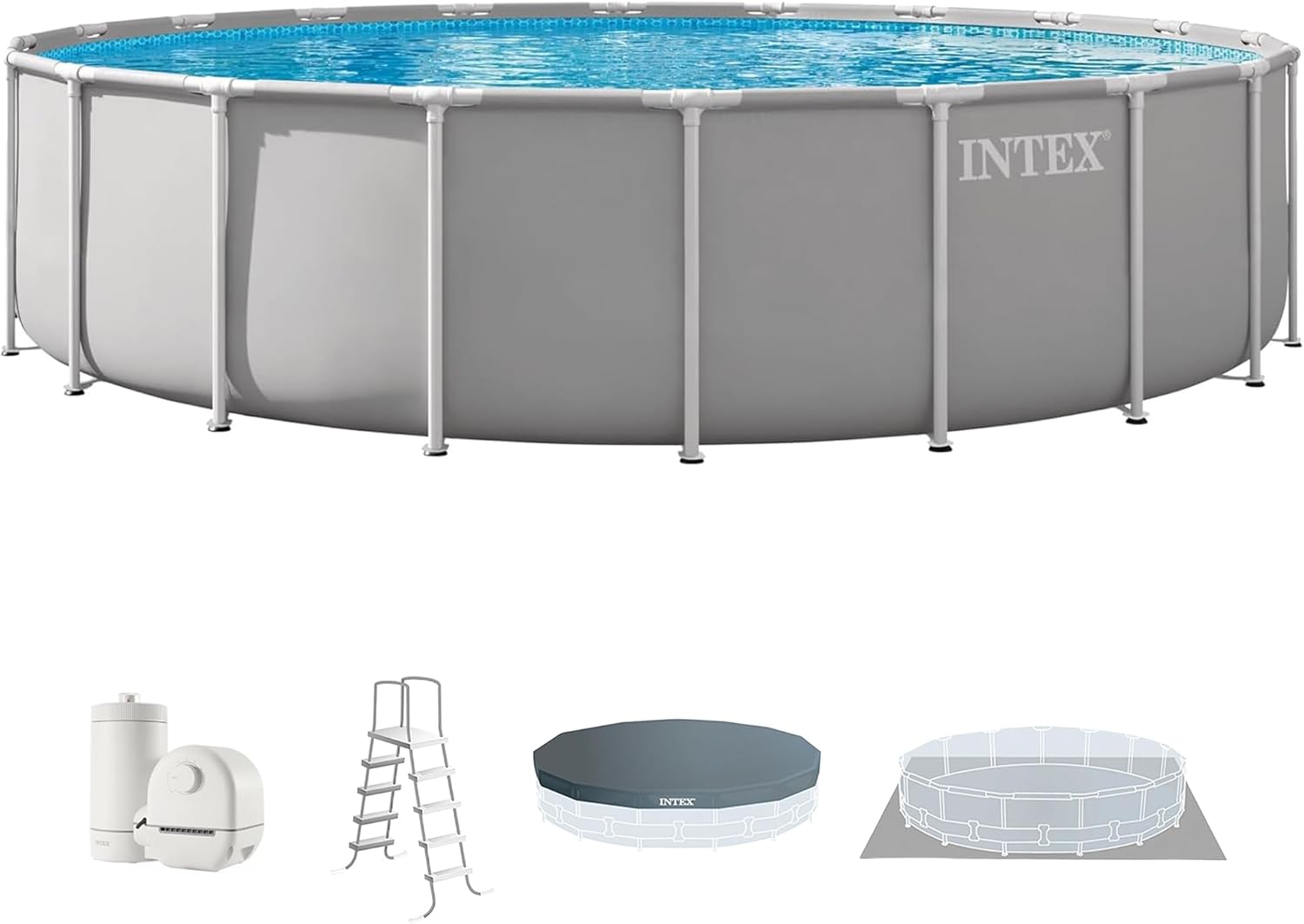
INTEX Prism Frame 20ft x 52in Above Ground Pool Set - Round Steel Frame Swimming Pool
$695.99 $869.99

Gardner Pet 43" Heavy Duty Dog Crate with Wheels - Indestructible Folding Metal Cage (Black)
$0 $149.99
12% OFF

Elegant Mid-Century Modern Bar Stools - Set of 4
$395.99 $449.99
23% OFF
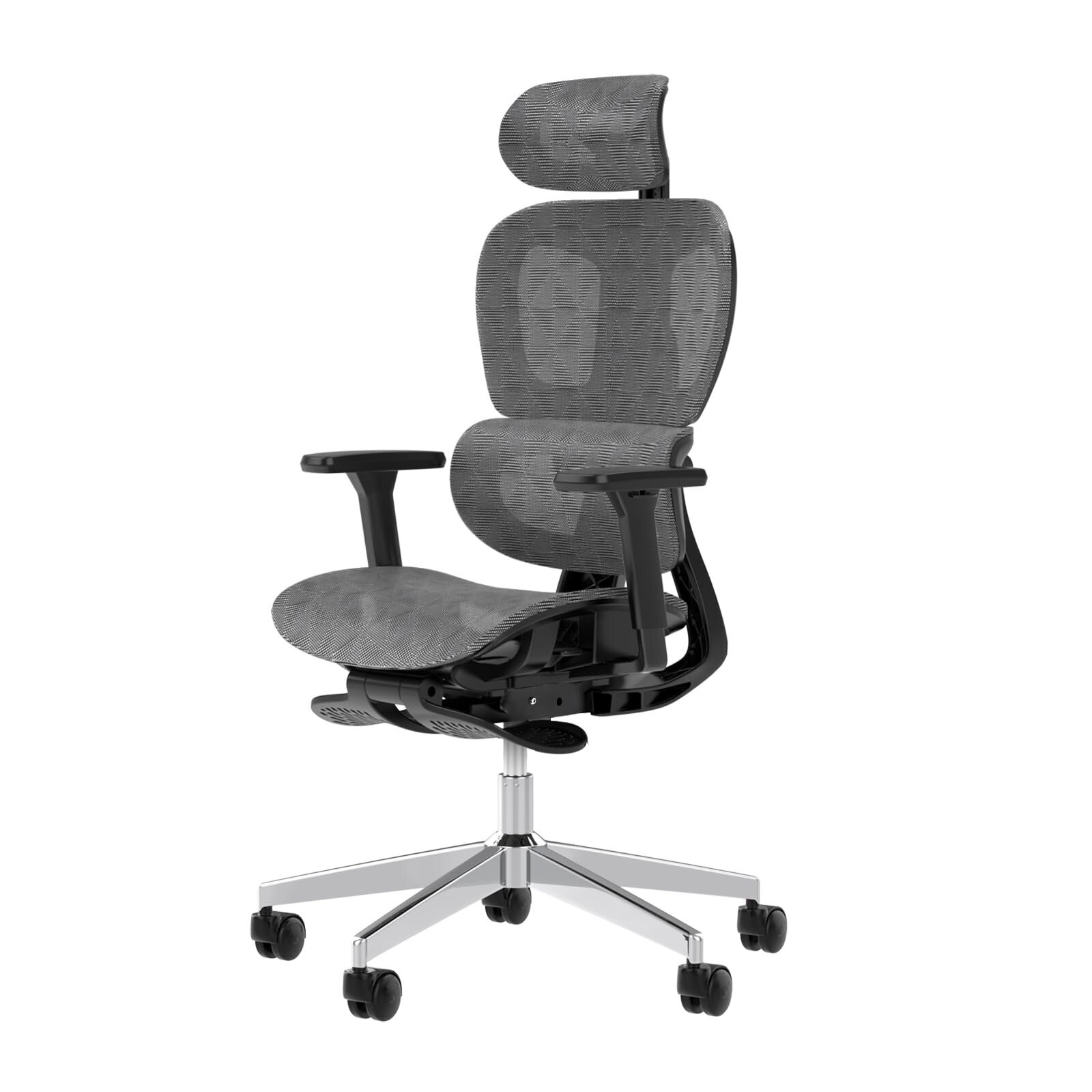
Ergonomic Office Chair - Big and Tall Desk Chair with Adjustable Lumbar Support
$279.99 $363.99
26% OFF
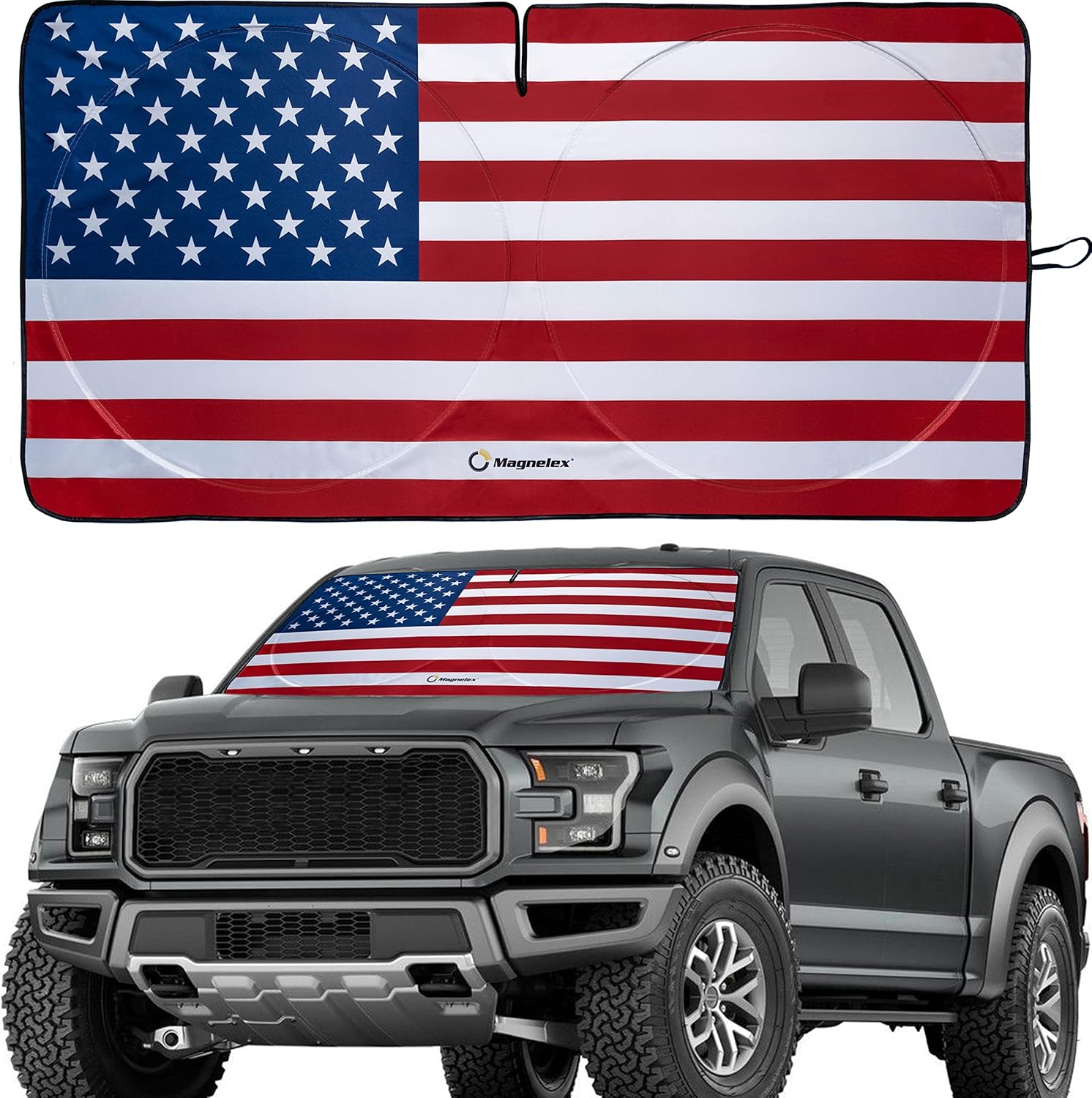
Magnelex American Flag Windshield Sun Shade - High-Resolution UV Reflective Heat Shield (X-Large)
$19.9 $26.9




-

Historic Lancashire church secures £250,000 National Lottery grant for major roof repairs
-
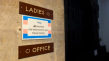
Sunderland Minster PCC was right to push back over trans toilet sign
-

Report warns religious freedom protections in Mexico exist largely ‘on paper’
-

Bethel Church distances itself from Todd Bentley and Mike Bickle
-

Christian police officer reaches settlement over diversity training discrimination claim
-

Turkey's hidden Christian past: Extraordinary discoveries are rewriting the story of early Christianity
Most Popular
News
Pride and the Gospel: the way of self or the way of Christ?
As Christians, our understanding of pride is shaped not primarily by culture, but by Scripture.
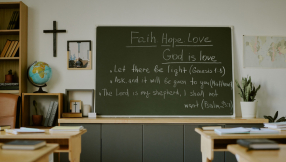
Campaign urging greater support for Christian education
Unite for Education founder, Niel Deepnarain, said Christians must be willing to engage publicly with educational issues rather than remain silent.
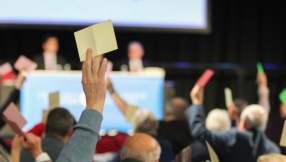
Welsh reverend speaks of culture of fear over LGBT issues
Many people have already left the Church in Wales over its stance on same-sex relationships, an evangelical leader has said.

Reddit users declare small Welsh church best place in the world
Users voted to eliminate one half of a map until only one location remained.
NEWFAST NF-RE523 AC1200 WiFi Extender - 1200Mbps Dual Band Signal Booster & Internet Repeater
$18.5
G Gradual Men's 7-inch Workout Running Shorts - Lightweight, Quick-Dry, Comfort
$12.91
HDPE All-Weather Adirondack Chair with Built-In Cup Holder - Tool-Free Assembly (Grey)
$69.99
HOMETUK Clear Plastic Storage Bins with Dividers - 3-Pack Stackable Acrylic Organizer Containers for Fridge and Pantry
$19.99
G Gradual Men's Fishing Shirt - UPF 50+ Lightweight Short Sleeve Button Down with Zipper Pockets
$14.99
Everyfun 60" Rectangular Platform Tree Swing - 700lbs Heavy Duty Adjustable Outdoor Swing (Colorful)
$49.99
Ekouaer Women's Casual Loose Jumpsuit - One-Piece Printed Sleeveless Wide Leg Romper with Pockets
$14.99
ROTAKE TB3 20V Heavy Duty 1/2" Cordless Impact Wrench Kit - 1380 Ft-Lbs Torque
$132
Men's Athletic Running Shorts with Zipper Pockets - Lightweight & Quick Dry
$12.74
Modern Ceiling Fan with Light and Remote - Reversible Quiet DC Motor
$69.3
MOOKA H13 True HEPA Air Purifier for Home Large Room - 1076 sq ft Odor Eliminator
$39.97
Ekouaer Women's Satin Silky Pajama Set - Short Sleeve Pullover Top & Wide-Leg Pants
$13.99
Ekouaer 3-Piece Maternity & Nursing Pajamas Set - Short Sleeve Top with Shorts and Pants
$14.99
VitaUp Beet Root Gummies with CoQ10 & Grape Seed - Nitric Oxide Circulation Support (60 Count)
$24.91
Sealy 2-Pack Tritech 16" Twin Inflatable Air Mattress with Built-in AC Pump
$0
INTEX Prism Frame 20ft x 52in Above Ground Pool Set - Round Steel Frame Swimming Pool
$695.99
Gardner Pet 43" Heavy Duty Dog Crate with Wheels - Indestructible Folding Metal Cage (Black)
$0
Elegant Mid-Century Modern Bar Stools - Set of 4
$395.99
Ergonomic Office Chair - Big and Tall Desk Chair with Adjustable Lumbar Support
$279.99
Magnelex American Flag Windshield Sun Shade - High-Resolution UV Reflective Heat Shield (X-Large)
$19.9