
|PIC1|While weather officials in Kenya expect that this season’s rainfall will not fail as in the past three years, relief workers say millions of hungry people still need food and that the heavier rainfall may actually do more harm than good.
“The rains are predicted to be heavier than usual because of the El Nino weather phenomenon. This will only serve to increase food insecurity by destroying topsoil and causing possible displacement of communities,” said Fergus Conmee, head of Humanitarian Programmes for Africa with the Catholic Agency for Overseas Development (CAFOD).
The rains could also bring a host of health problems including cholera, diarrhea and other diseases spread through dirty water.
“We can ill-afford not to act now," Conmee added.
Nearly 3.8 million people in Kenya face chronic food and water shortages following three consecutive years of failed rains. The drought has led to crop failure, deaths of herd animals and widespread hunger.
“The droughts are so frequent and so severe now that communities are lurching from one crisis to the next, without any time to recover,” Conmee reported.
Though the Kenyan Government and the UN World Food Programme are providing some food aid to some 4.4 million Kenyans, CAFOD reports that it is not enough to meet local needs.
The aid agency has pledged £500,000 to save lives in many parts of East Africa. It is also seeking to raise at least £1 million more to support the immediate needs of vulnerable people for food and water, and enhance the longer-term recovery and resilience of communities to future droughts.
“Initiatives such as early warning systems, growing drought resistant crops, practicing sustainable land use, and knowing when to sell livestock in preparation for a drought all contribute to community preparedness,” explained CAFOD's Disaster Risk Reduction adviser, Jessica Mercer.
"This is a slow and gradual process which builds the resilience of communities to future droughts, with the ultimate aim of reducing the need for humanitarian assistance," she added.
Aside from the people of Kenya, money raised from CAFOD's appeal will also be used to support communities affected by drought in neighbouring countries.
In Eritrea, CAFOD is feeding young malnourished children and new mothers. In north-eastern Uganda, the agency is providing food under a food-for-work scheme, which is building water points and providing extra food for the vulnerable.




-

More than one in four US Protestant churchgoers believe some biblical truths become outdated
-

Wycliffe celebrates ‘remarkable moment’ as Bible translation advances at rapid pace
-

Could the Church face a ‘silver uprising’?
-

Christian leaders issue ‘sober and urgent call’ for Western Church to prepare for disruption
-

Church in Wales pauses plans to allow gay marriage
-

Christian social worker returns to Court of Appeal in dispute over withdrawn job offer
Most Popular
News

Majority back Ireland’s three-day abortion waiting period, poll finds
A new poll has found majority support for retaining Ireland’s mandatory three-day waiting period before an abortion, as lawmakers continue to consider legislation that would remove the requirement.

ONS figures show 'good' outlook for married couples
The Coalition for Marriage (CFM) has welcomed new figures suggesting that married couples are increasingly staying together.
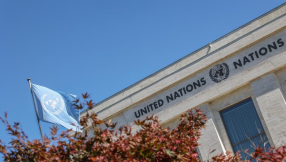
Christians condemn sexual violence following UN report on Russia-Ukraine conflict
Most cases of sexual violence documented were against male prisoners of war.

Peterborough Cathedral opens exhibition on Mary, Queen of Scots
Peterborough has opened a new exhibition on Mary, Queen of Scots, that will remain in place until 15 November.








