
The House of Lords is to rule this week on the case of a former clergywoman dismissed by the Church of Scotland for having an affair with a married Kirk elder.
|TOP|A ruling in favour of Helen Percy, 39, who was suspended from her post as associate minister in the Angus glens in 1997 after being accused of having an affair with a married Kirk elder, would be an unprecedented move against the Church of Scotland Act 1921, which places the Kirk beyond the jurisdiction of civil law.
Ms. Percy also claimed that she had been treated unfairly by the Church of Scotland as similar action had not been taken against male colleagues facing similar accusations.
Ms Percy took her case to the House of Lords after an employment tribunal and the Court of Session in Edinburgh both ruled that the Church of Scotland remained outside the jurisdiction of civil law, being answerable only to God. The 1921 Act states the Church’s authority derives from “the Lord Jesus Christ, its Divine King and Head ... from Him alone”.
Lawyers representing Ms. Percy argue that her agreement with the Kirk to work as a minister was synonymous with a contract of employment and as such entitled her to the workplace rights under the 1976 EU directive.
|AD|The Church of Scotland, however, defends itself on the grounds that its decision against Percy falls within the Kirk’s rights as laid down by the 1921 Act to regulate its own affairs and which makes it exempt from the aspects of civil law.
If the Lords rule in favour of Ms Percy, who has spent the last eight years seeking damages for lost income, pension and housing benefits, injuries to her feelings and stress-related illness, the Church of Scotland could face a bill of tens of thousands of pounds in compensation.
Leading ministers, however, remain confident that the Law Lords would not rule in favour of Ms. Percy.
Everybody in the church knows she hasn’t a chance,” said Johnston McKay, the writer and broadcaster and clerk of the Presbytery of Ardrossan.
“The 1921 Act makes it absolutely clear the Kirk is totally free to handle its own affairs. If the decision went against the church, it would be the end of civilisation as we know it.
"It would be astonishing if the House of Lords didn’t uphold what every ecclesiastical and legal court has said is the law of the land as far as the Kirk is concerned.”
Sandy McDonald, a former moderator from Paisley, added: “Don’t imagine the Kirk buries its head in the sand. We are not anti-human rights.
"If it’s believed that it would be better if the law was changed then it would certainly mean that we would have to bring our practices and procedures into line with current employment legislation and human rights acts.”




-

Edinburgh University ends divinity programmes as theology faces a changing future
-

Why the Archbishop of Canterbury’s award controversy matters
-

More than one in four US Protestant churchgoers believe some biblical truths become outdated
-

Catholicism in France has 'collapsed'
-

Christian leaders issue ‘sober and urgent call’ for Western Church to prepare for disruption
-

Australia's anti-therapy laws harm the most vulnerable - Britain should not copy them
Most Popular
related articles
Church of Scotland Helping to Put Scots Dialect Back into Sermons
Church of Scotland Helping to Put Scots Dialect Back into Sermons
Church of Scotland Backs Campaign to End HIV Discrimination
Church of Scotland Backs Campaign to End HIV Discrimination
Report: Church of Scotland Leaders Out of Touch with Members
Report: Church of Scotland Leaders Out of Touch with Members
News

Active faith linked to happier marriages and lower divorce rates, study finds
People who regularly attend church are more likely to report happy marriages, according to a new report examining the relationship between faith and family life.

Indian churches fearing anti-conversion laws tell non-Christians: enter at your own risk
Churches in Dhamtari, a town in the central Indian state of Chhattisgarh, have put up notices warning non-Christians that they enter at their own risk, weeks after a law against religious conversion came into force in the state.

£1k bursaries to help churches develop youth and community mentoring programmes
Churches across the UK are being offered bursaries to help them establish mentoring programmes aimed at supporting young people and others in their communities.
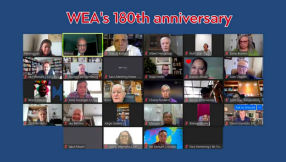
World Evangelical Alliance celebrates 180th anniversary
The World Evangelical Alliance (WEA) has held an online celebration to mark its 180th anniversary. Hundreds of people from more than 22 countries attended, and the event was rebroadcast to accommodate different time zones.








