
Catholic Professor Ellen van Wolde says the Hebrew word ‘bara’ would have been better translated as ‘spacially separated’ instead of ‘created’, although the word does technically mean ‘created’, reports The Telegraph.
According to her translation, the first verse in the Bible would then read “In the beginning God separated the Heaven and the Earth”.
The professor presented a thesis on the subject on Friday at Radboud University where she studies.
She says she has looked at other parts of the Old Testament where the word ‘bara’ has been used and concludes that ‘separated’ would have also made a better translation in these instances.
She contends that her translation fits with other creation stories from ancient Mesopotamia that also tell of a deity who separated Heaven and Earth at the beginning of time.
Professor van Wolde believes her translation challenges the Judeo-Christian belief that God created the Heaven and the Earth from nothing.
"There was already water. There were sea monsters. God did create some things, but not the Heaven and Earth,” she was quoted as saying by The Telegraph.
“The usual idea of creating-out-of-nothing, creatio ex nihilo, is a big misunderstanding.”
54% OFF
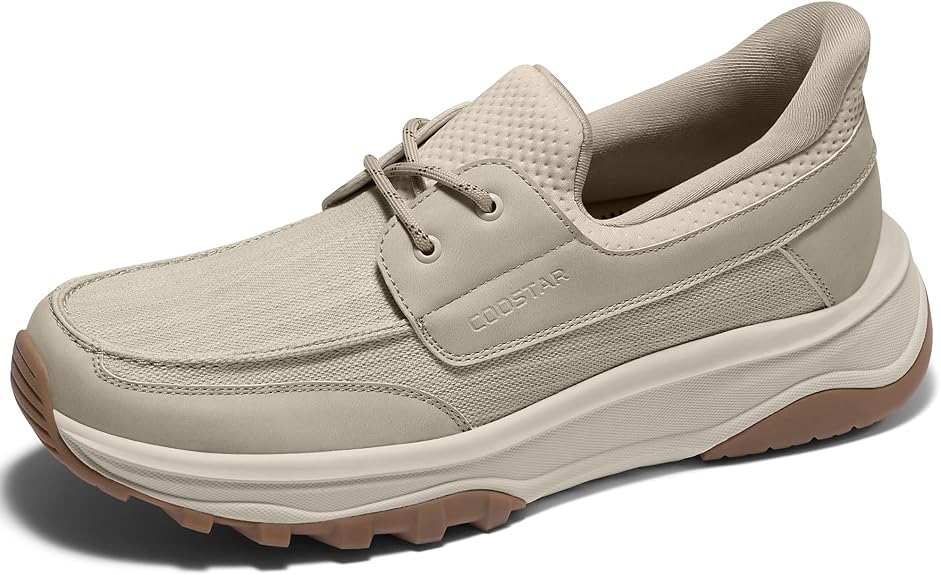
Coostar Men's Orthopedic Slip On Loafers – Hands-Free Casual Walking Shoes with Arch Support, Non-Slip Sole, Breathable Canvas Upper
$21.99 $47.99
60% OFF
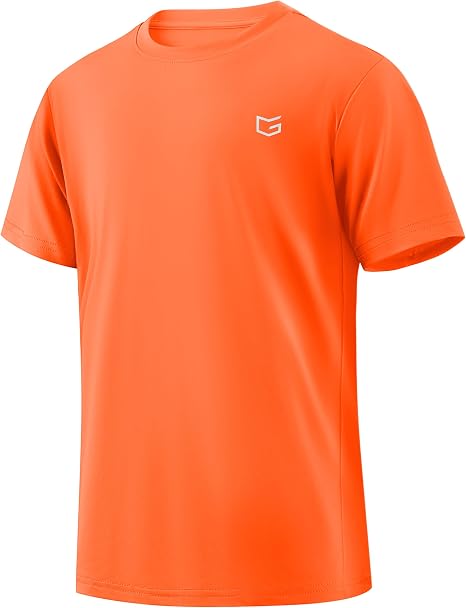
G Gradual Boys Athletic Rash Guard Shirt – UPF 50+ Dry Fit Swim & Sports T-Shirt, Short Sleeve Crew Neck for Soccer, Baseball, Basketball & Undershirt
$7.92 $19.99
41% OFF

Mobile Rolling Clothing Rack with Wheels - Perfect for Home and Office
$20.79 $34.99
30% OFF
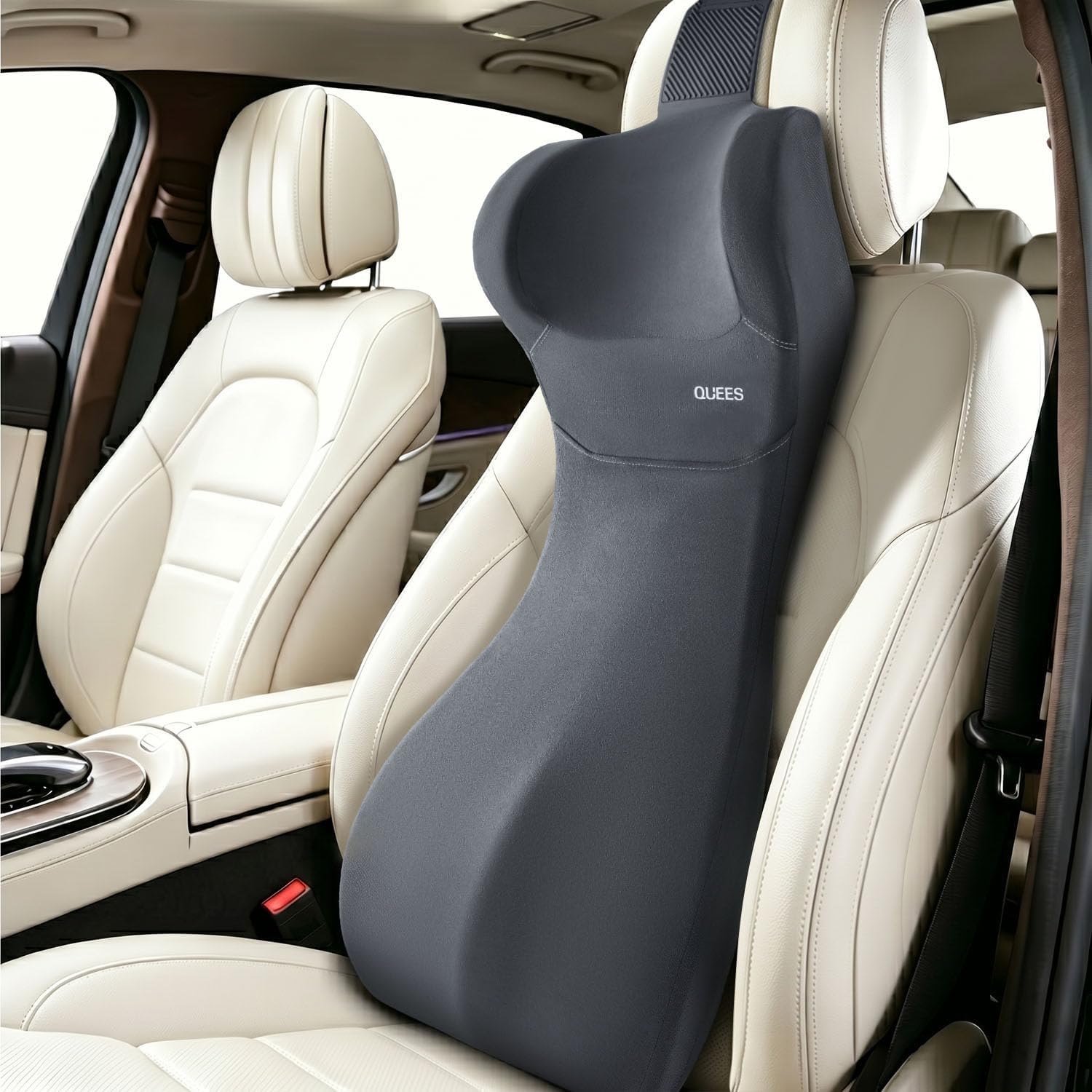
Lumbar Support Pillow for Car with Headrest – Memory Foam Full-Length S-Curve Back & Neck Cushion for Long Drives, Fits Cars, SUVs & Trucks
$32.89 $46.99
46% OFF
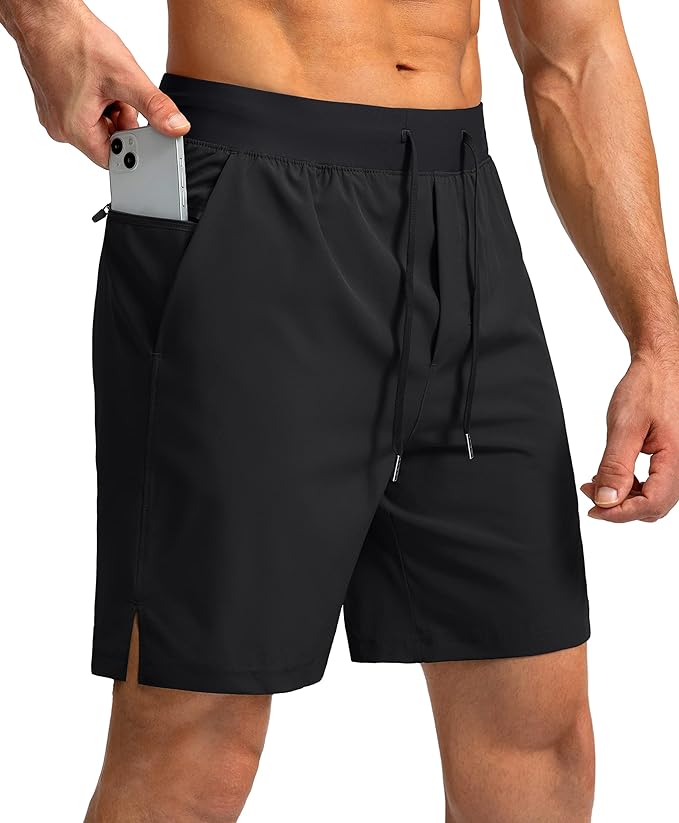
Soothfeel Men's Running Shorts with Zipper Pockets – Quick Dry Athletic Shorts in 9", 7" & 5" Inseams for Basketball, Gym & Workout
$12.91 $23.99
40% OFF
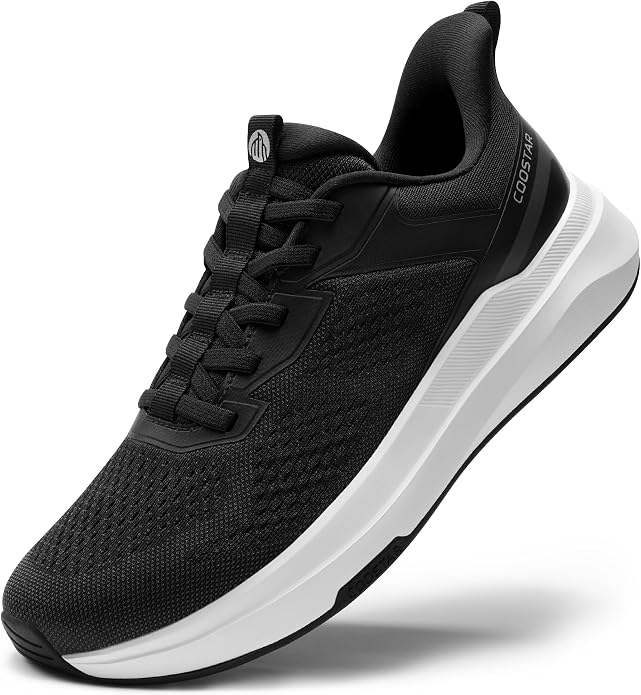
Men's Slip On Walking Shoes – Hands-Free Casual Sneakers with Arch Support, Wide Stable Base, Breathable Knit Upper, Non-Slip Traction
$29.99 $49.99
52% OFF
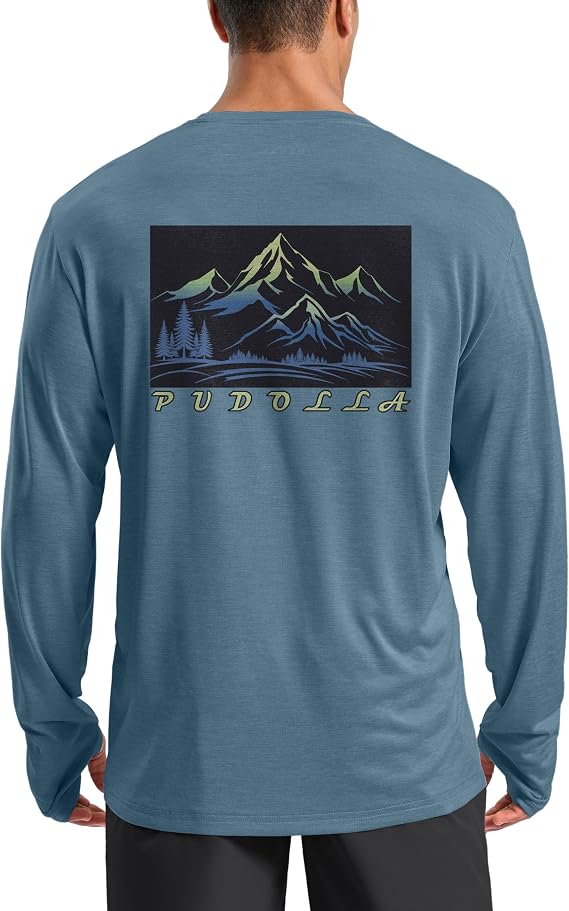
Pudolla Men's UPF 50+ Sun Shirt – Long Sleeve Quick Dry Hiking & Running Shirt with Thumb Holes, Lightweight Moisture-Wicking Rash Guard Base Layer
$11.99 $24.99
35% OFF
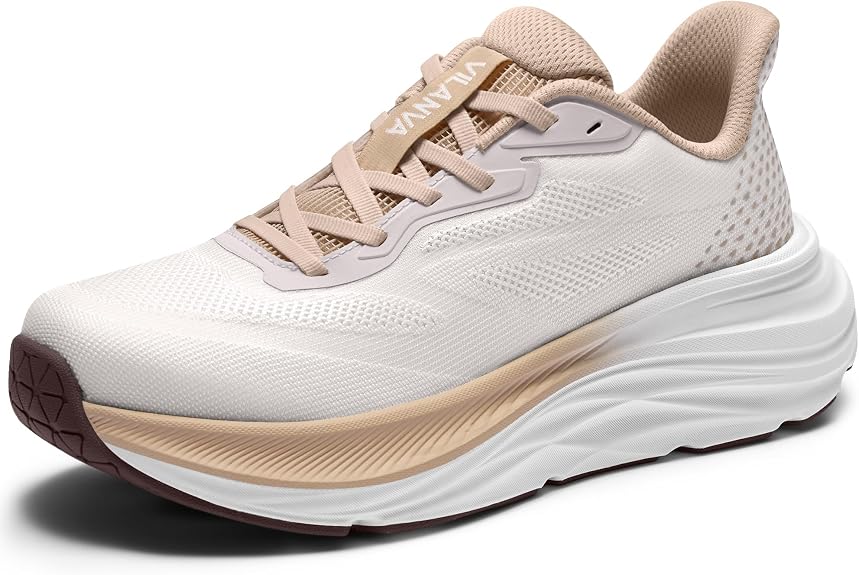
Vilanva Women's Walking Shoes – Cushioned Lightweight Running Sneakers with Slip-Resistant Sole, Breathable Woven Upper for Everyday Wear & Workouts
$35.09 $53.99
24% OFF
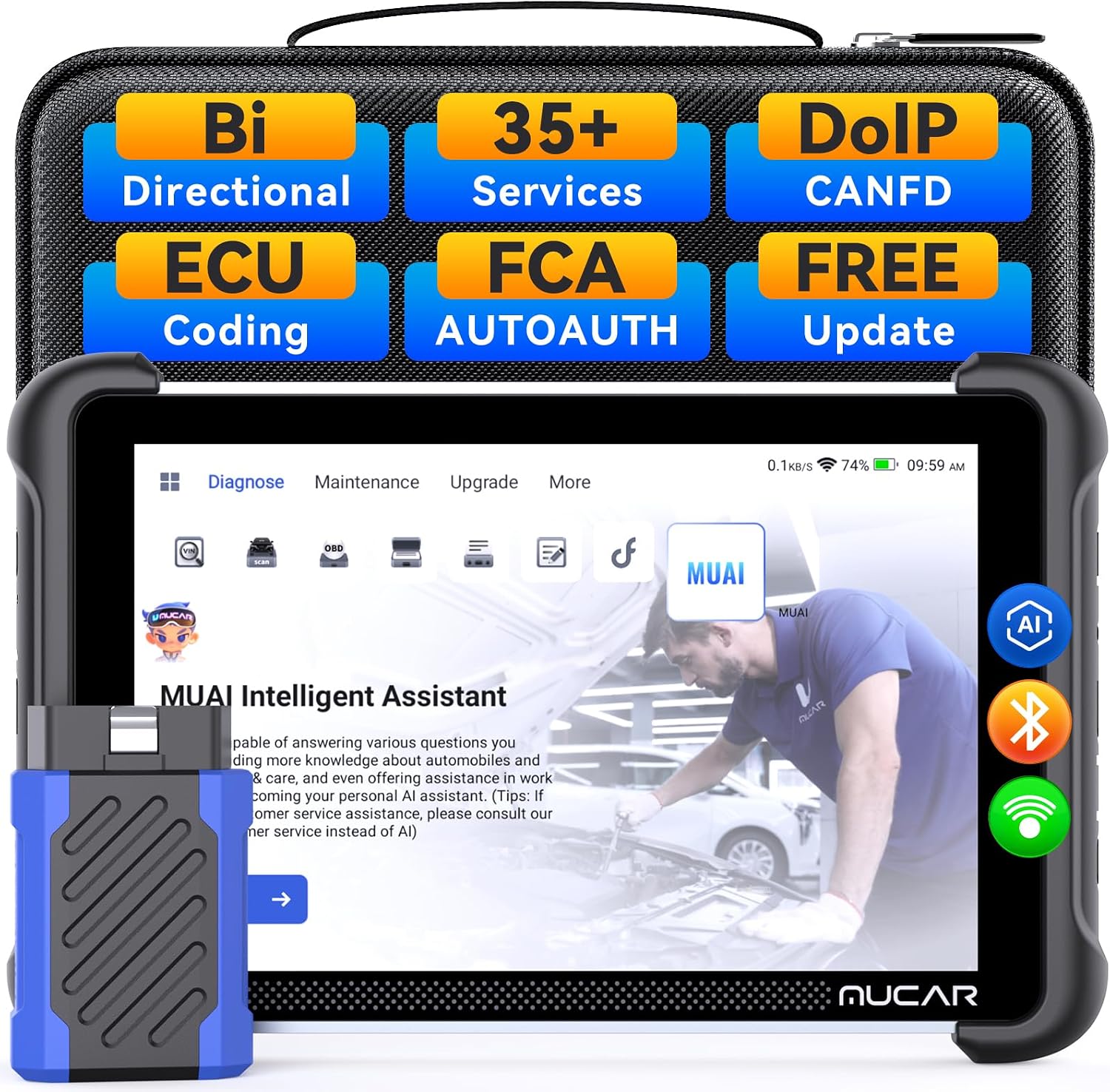
MUCAR 892BT AI-Assisted Bidirectional OBD2 Scan Tool with ECU Coding (8" Touchscreen)
$479 $629.99
67% OFF
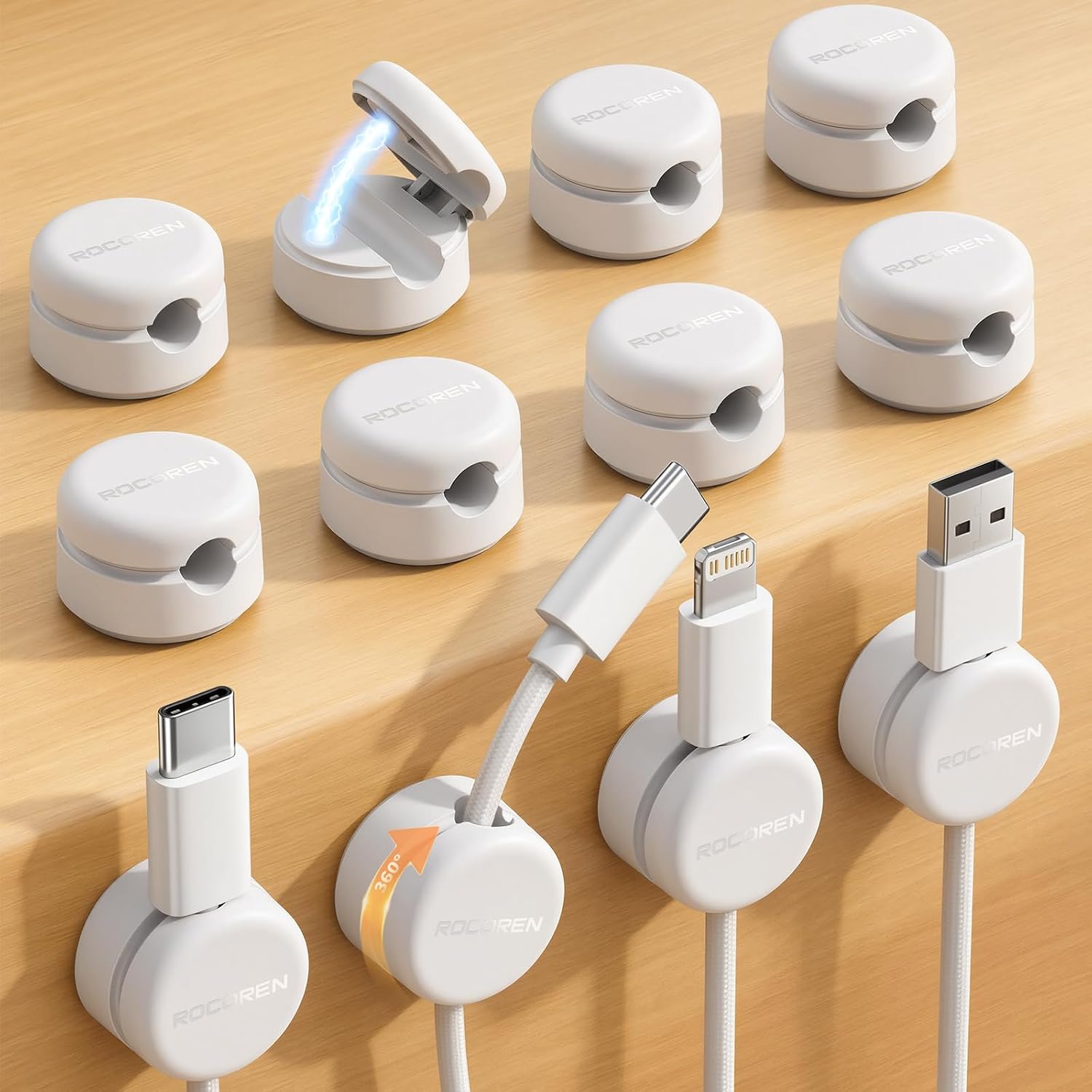
Rocoren 12-Pack Magnetic Cable Clips – 360° Rotating Cord Organizer with No-Residue Adhesive, Cord Holder for Desk, Nightstand, Wall, Car & Office, White
$6.5 $19.99
60% OFF
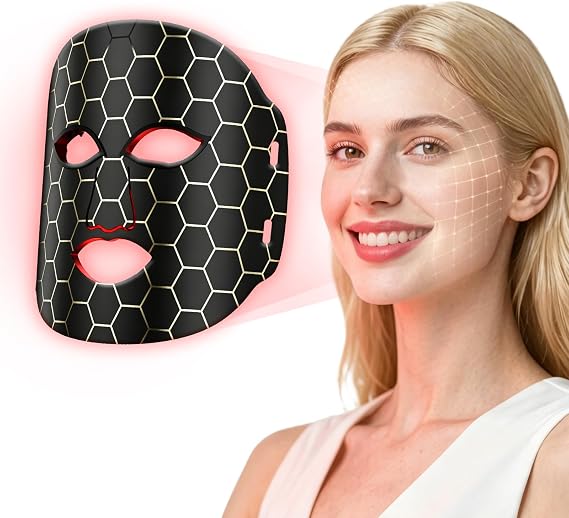
Red Light Therapy Mask for Face – 7-Color LED Silicone Facial Mask, Cordless Rechargeable Skincare Device with 240 LEDs for Home & Travel
$39.99 $99.99
77% OFF
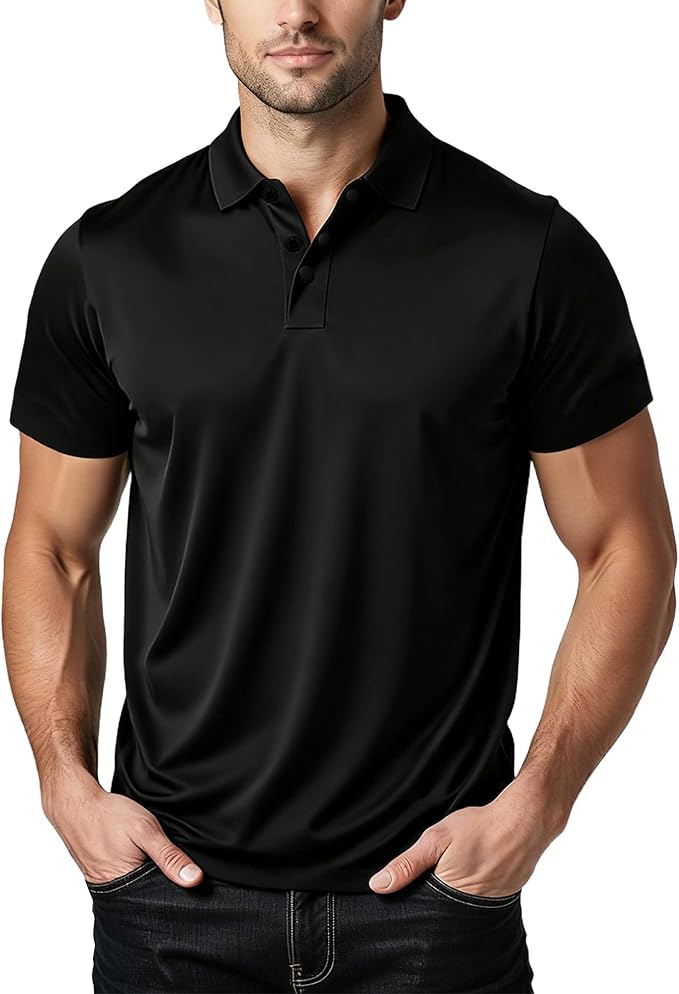
Men's Slim Fit Polo Shirt – Quick Dry Moisture Wicking, High Elasticity, Athletic Fit Polo for Golf, Tennis, Work & Casual Wear (Runs Small, Size Up)
$6.99 $29.99
28% OFF
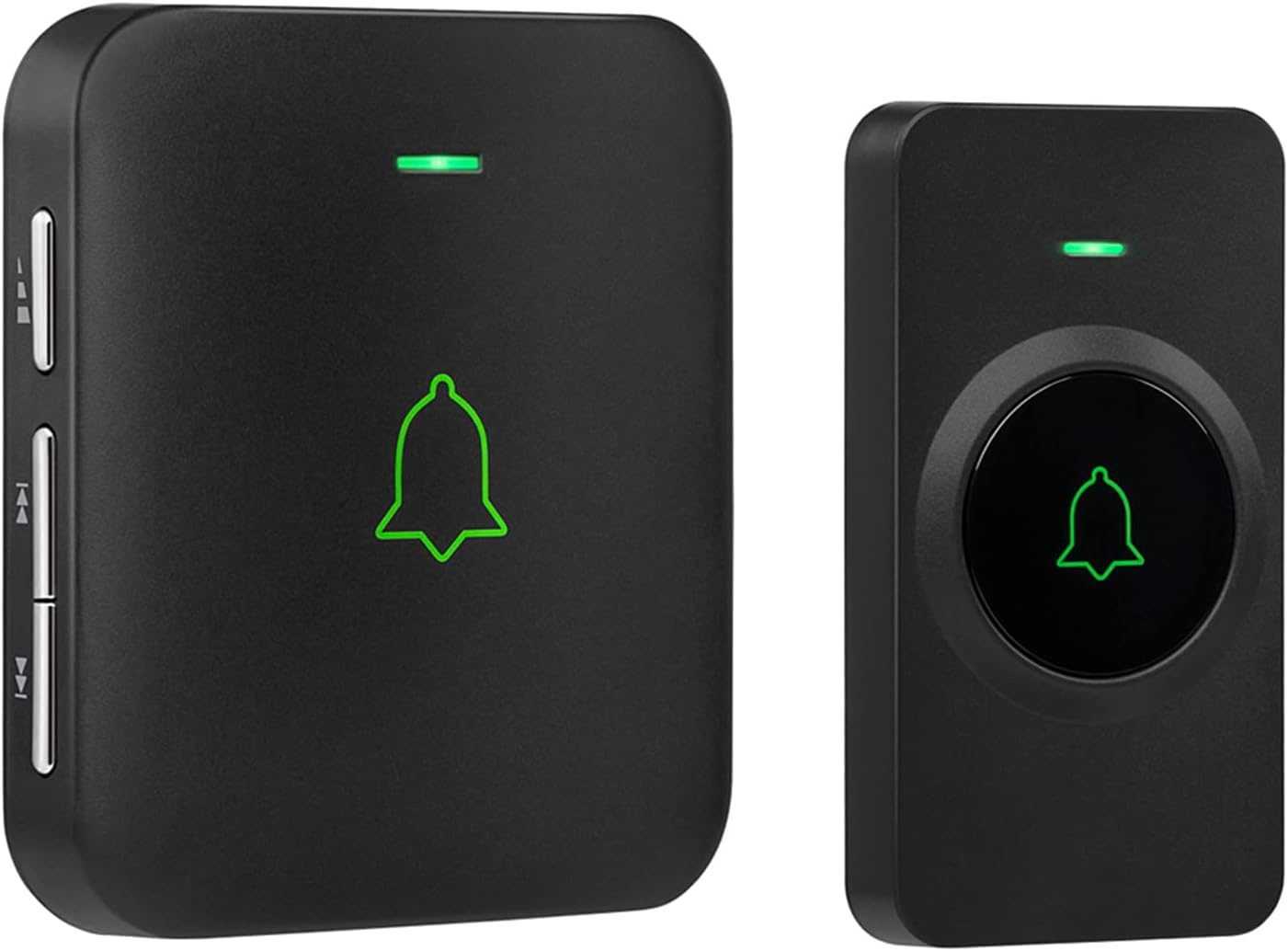
AVANTEK Wireless Doorbell CB-11 – 1000 ft Range, 1 Button + 1 Plug-In Receiver, 115 dB Volume, LED Flash, 52 Chimes, Waterproof, 3-Year Battery
$12.91 $17.99
50% OFF
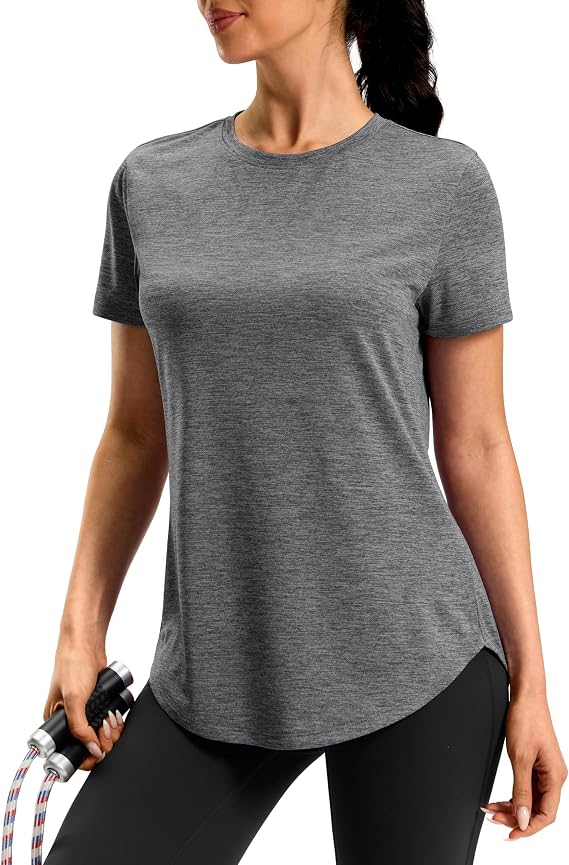
Women's Workout Shirts – Bum-Covering Length Short Sleeve Dry Fit Tops, Lightweight & Breathable for Athletic, Hiking, Running & Summer Wear
$6.99 $13.99
50% OFF
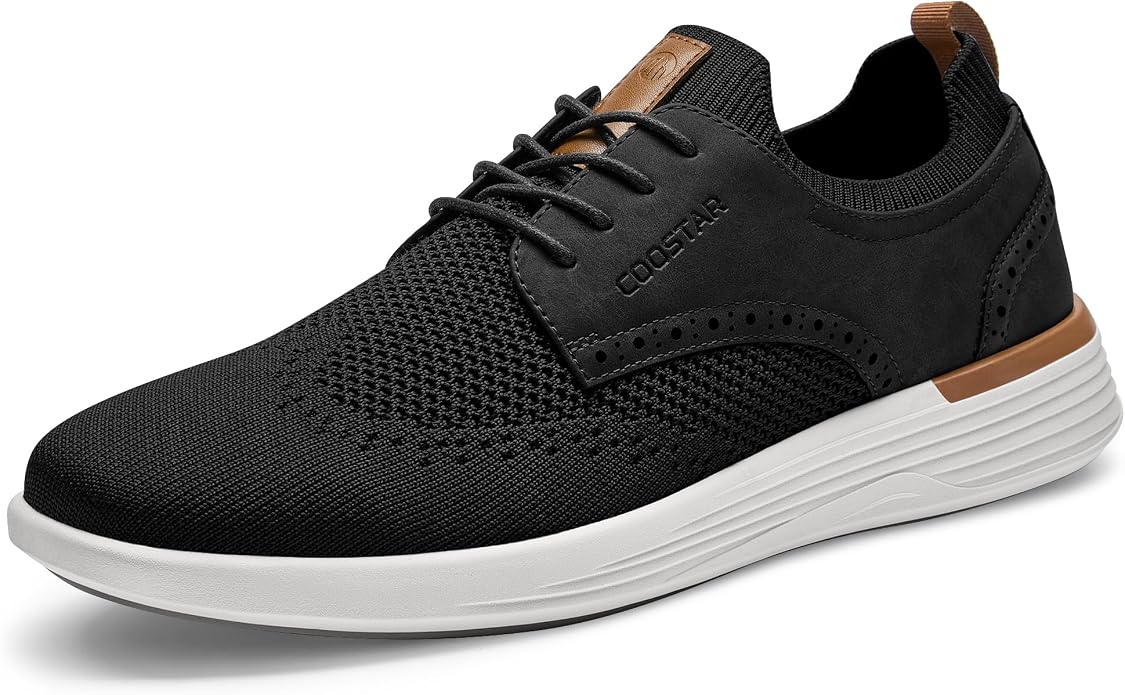
Coostar Men's Casual Dress Sneakers – Lightweight Wingtip Oxford Style with Breathable Knit Upper, Rubber Sole & Slip-On Elastic Collar, Business & Walking Shoe
$22.49 $44.99
45% OFF
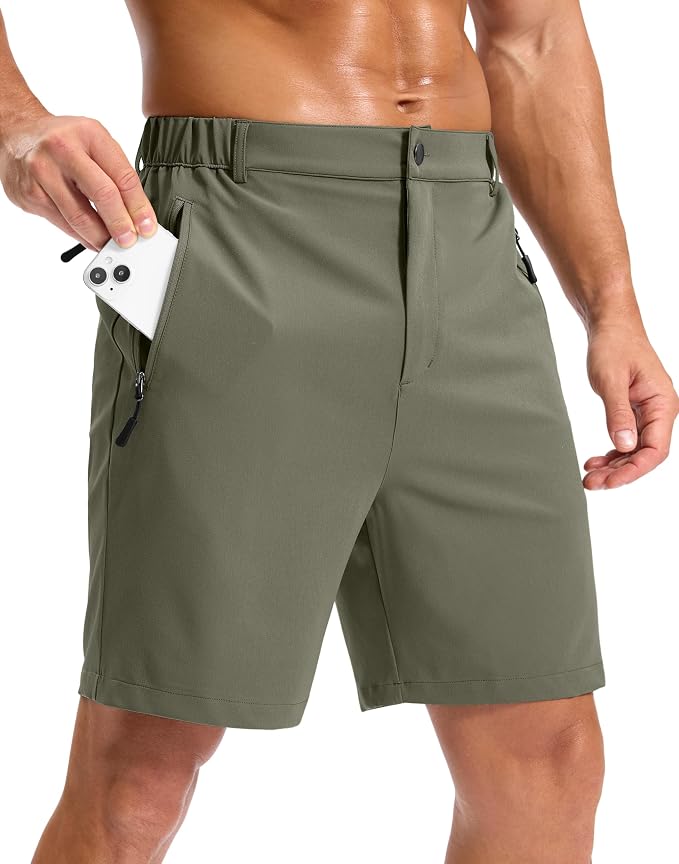
Pudolla Men's Quick Dry Hiking and Golf Shorts with 3 Zipper Pockets
$14.84 $26.99
50% OFF
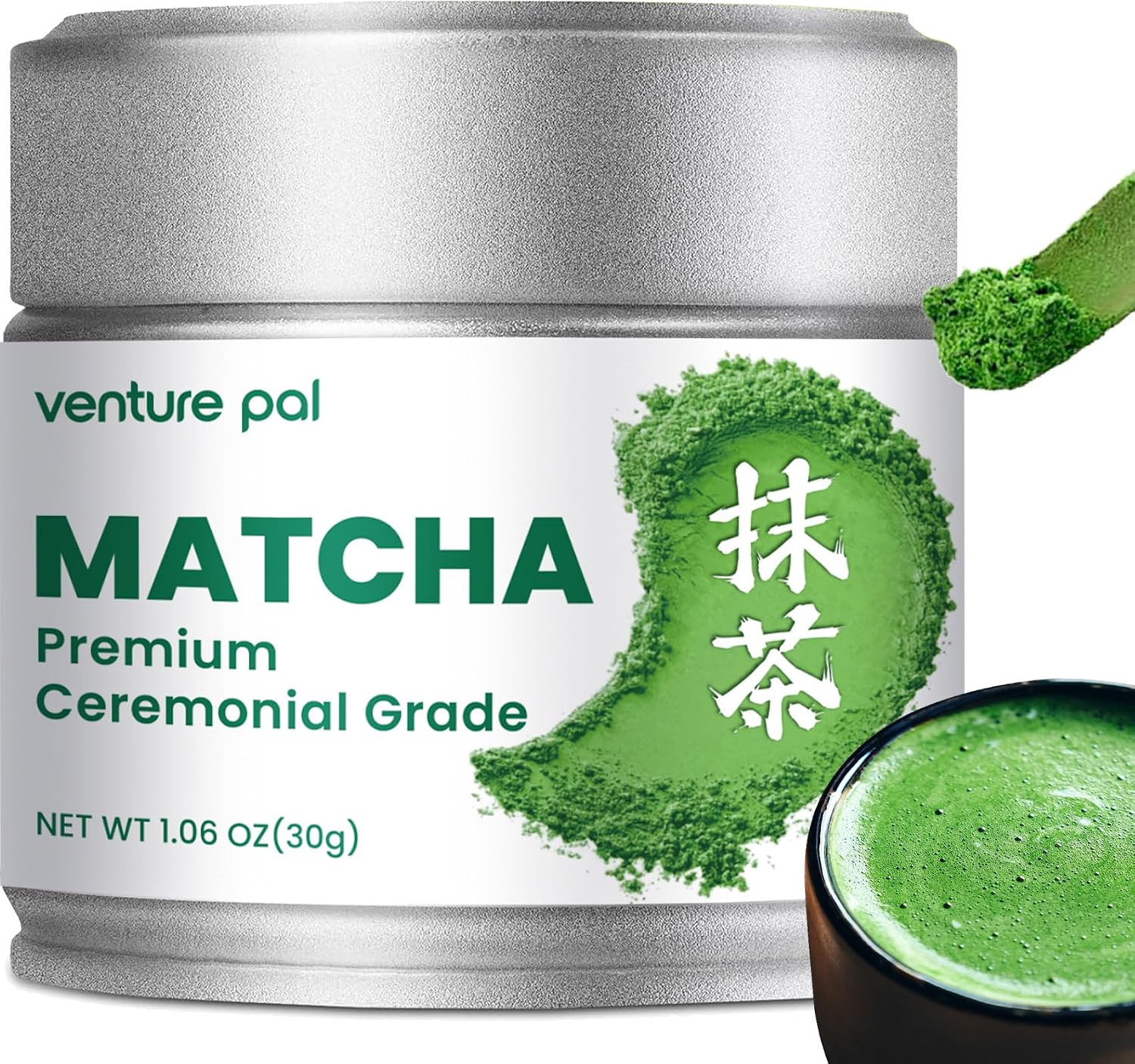
Venture Pal Ceremonial Grade Matcha Green Tea Powder – First Harvest, Shade Grown, 100% Pure with No Additives, Unsweetened, Vegan & Gluten-Free, 30g Tin
$7.5 $14.99
40% OFF
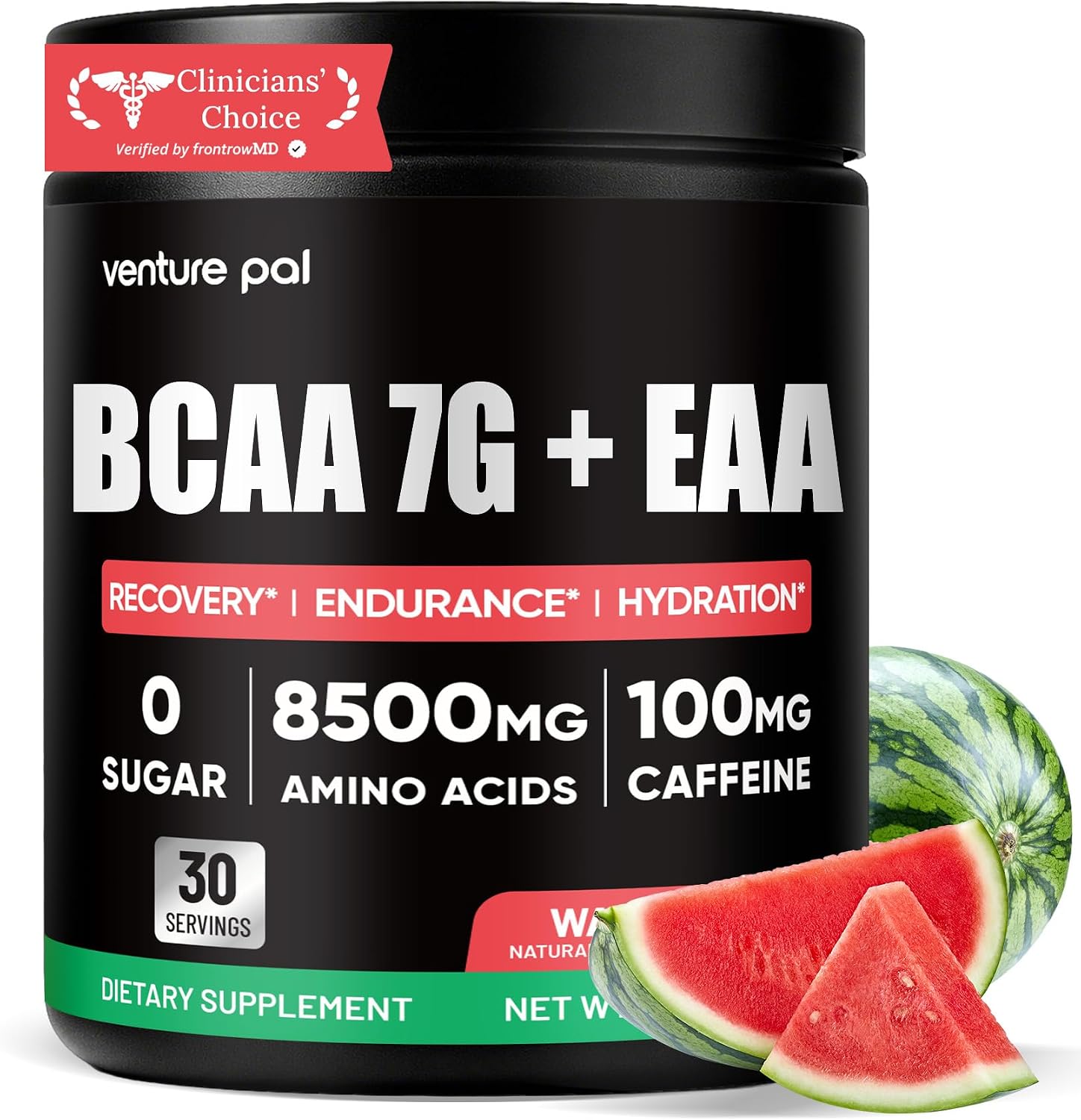
Venture Pal Sugar Free 7g BCAA + EAA Powder – 9 Essential Amino Acids with L-Glutamine, Caffeine, Electrolytes & Vitamins for Muscle Recovery, Growth & Hydration
$14.99 $24.99
30% OFF
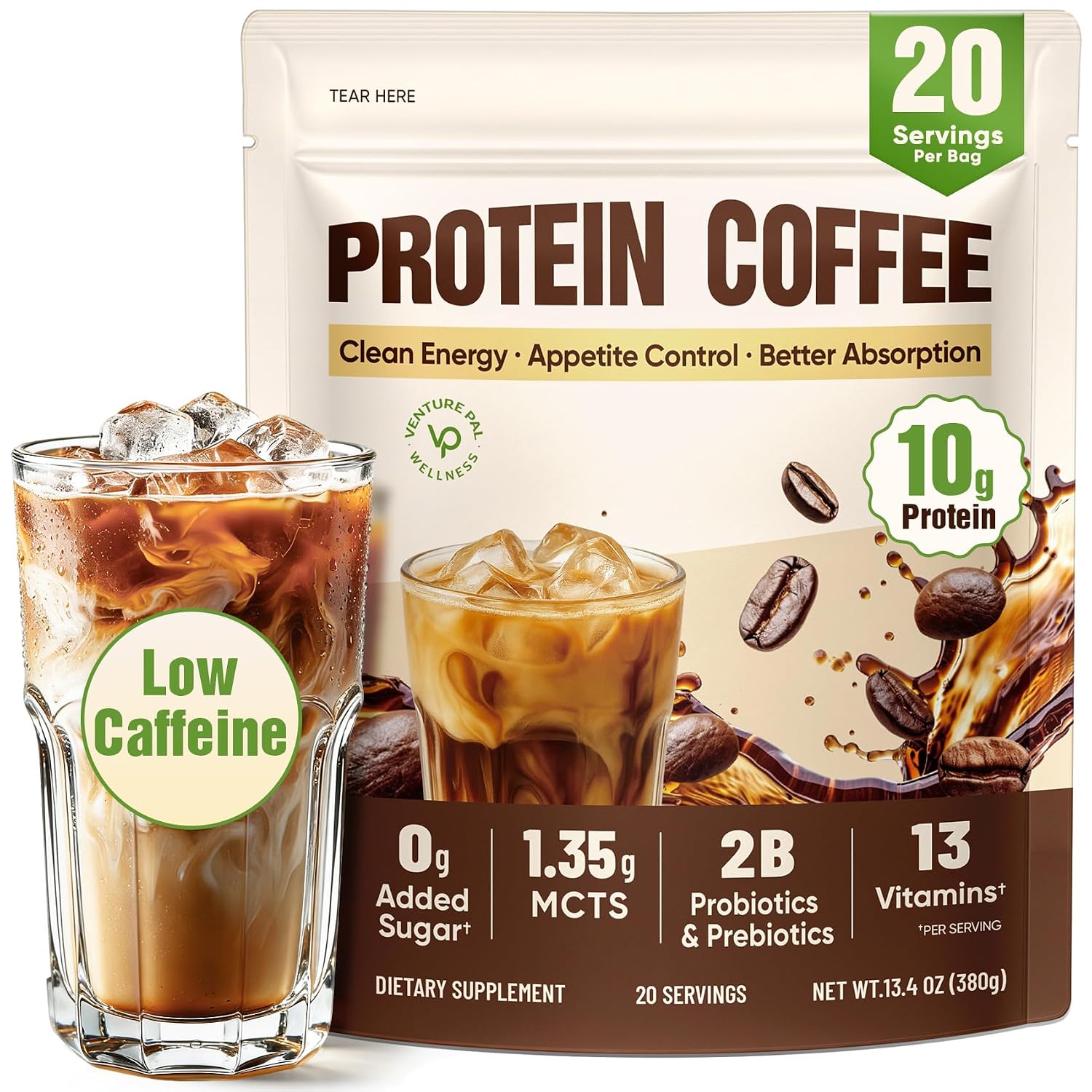
Venture Pal Sugar Free Protein Coffee – Cold Brew Mocha Instant Iced Coffee with MCT Oil, Probiotics, Fiber & 13 Vitamins, 70mg Caffeine, Keto & Gluten-Free, 20 Servings
$13.29 $18.99
20% OFF
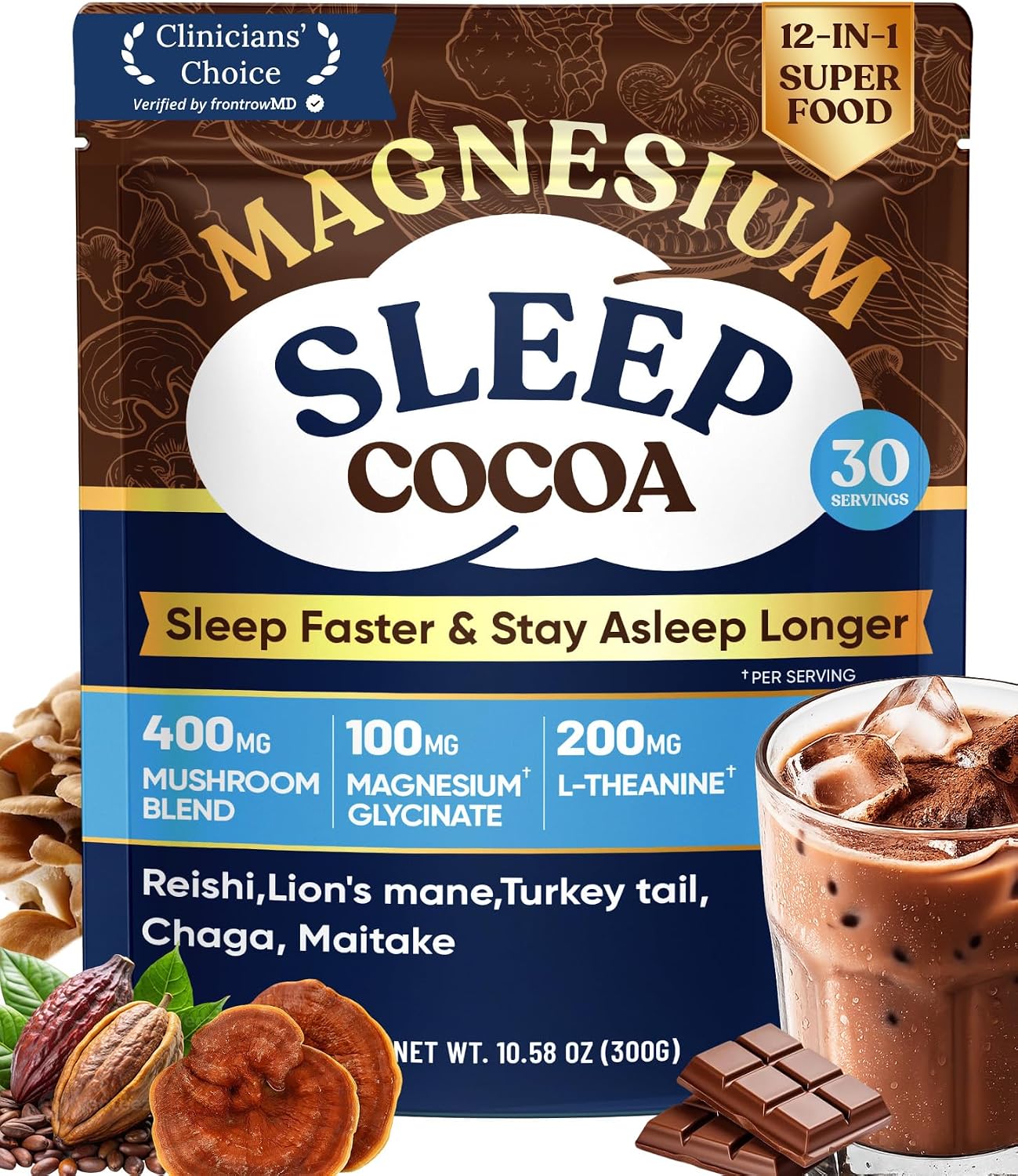
Venture Pal Mushroom Hot Cocoa – Natural Sleep Aid with 12 Superfoods, Melatonin 3mg, Magnesium Glycinate, L-Theanine, Glycine, Lion's Mane, Reishi & Turkey Tail, Bedtime Cocoa Mix, 30 Servings
$23.99 $29.99



-

Six injured after sign falls at Christian festival
-

Learning from the Jason Arday tragedy
-

Christian festival organisers ‘heartbroken’ after festivalgoer dies in sign incident
-

Dolly Parton’s lifelong Christian faith: ‘My music was more my ministry than a job’
-

Christian leaders respond to devastating floods in Nepal and Tibet
-

Fundraising appeal grows for family of pastor killed at Christian festival
Most Popular
News

‘No easy answers,’ say church leaders after death of pastor at Christian festival
A fundraiser for the family of Pastor Robert Guanco, who died after a sign fell at the Big Church Festival, has raised over £115,000.

Christians move to protect themselves as another Indian state enacts anti-conversion law
Churches are asking visitors to sign consent forms declaring that they attend services of their own free will.

Fundraising appeal grows for family of pastor killed at Christian festival
A 41-year-old pastor from Eastbourne has died after a large sign fell on people at a Christian festival in West Sussex.

‘Shout to the Lord’ songwriter Darlene Zschech says the Church is entering ‘revival days again’
Veteran worship leader Darlene Zschech believes the Church is once again entering a season in which God is moving powerfully and new expressions of worship are emerging.
Coostar Men's Orthopedic Slip On Loafers – Hands-Free Casual Walking Shoes with Arch Support, Non-Slip Sole, Breathable Canvas Upper
$21.99
G Gradual Boys Athletic Rash Guard Shirt – UPF 50+ Dry Fit Swim & Sports T-Shirt, Short Sleeve Crew Neck for Soccer, Baseball, Basketball & Undershirt
$7.92
Mobile Rolling Clothing Rack with Wheels - Perfect for Home and Office
$20.79
Lumbar Support Pillow for Car with Headrest – Memory Foam Full-Length S-Curve Back & Neck Cushion for Long Drives, Fits Cars, SUVs & Trucks
$32.89
Soothfeel Men's Running Shorts with Zipper Pockets – Quick Dry Athletic Shorts in 9", 7" & 5" Inseams for Basketball, Gym & Workout
$12.91
Men's Slip On Walking Shoes – Hands-Free Casual Sneakers with Arch Support, Wide Stable Base, Breathable Knit Upper, Non-Slip Traction
$29.99
Pudolla Men's UPF 50+ Sun Shirt – Long Sleeve Quick Dry Hiking & Running Shirt with Thumb Holes, Lightweight Moisture-Wicking Rash Guard Base Layer
$11.99
Vilanva Women's Walking Shoes – Cushioned Lightweight Running Sneakers with Slip-Resistant Sole, Breathable Woven Upper for Everyday Wear & Workouts
$35.09
MUCAR 892BT AI-Assisted Bidirectional OBD2 Scan Tool with ECU Coding (8" Touchscreen)
$479
Rocoren 12-Pack Magnetic Cable Clips – 360° Rotating Cord Organizer with No-Residue Adhesive, Cord Holder for Desk, Nightstand, Wall, Car & Office, White
$6.5
Red Light Therapy Mask for Face – 7-Color LED Silicone Facial Mask, Cordless Rechargeable Skincare Device with 240 LEDs for Home & Travel
$39.99
Men's Slim Fit Polo Shirt – Quick Dry Moisture Wicking, High Elasticity, Athletic Fit Polo for Golf, Tennis, Work & Casual Wear (Runs Small, Size Up)
$6.99
AVANTEK Wireless Doorbell CB-11 – 1000 ft Range, 1 Button + 1 Plug-In Receiver, 115 dB Volume, LED Flash, 52 Chimes, Waterproof, 3-Year Battery
$12.91
Women's Workout Shirts – Bum-Covering Length Short Sleeve Dry Fit Tops, Lightweight & Breathable for Athletic, Hiking, Running & Summer Wear
$6.99
Coostar Men's Casual Dress Sneakers – Lightweight Wingtip Oxford Style with Breathable Knit Upper, Rubber Sole & Slip-On Elastic Collar, Business & Walking Shoe
$22.49
Pudolla Men's Quick Dry Hiking and Golf Shorts with 3 Zipper Pockets
$14.84
Venture Pal Ceremonial Grade Matcha Green Tea Powder – First Harvest, Shade Grown, 100% Pure with No Additives, Unsweetened, Vegan & Gluten-Free, 30g Tin
$7.5
Venture Pal Sugar Free 7g BCAA + EAA Powder – 9 Essential Amino Acids with L-Glutamine, Caffeine, Electrolytes & Vitamins for Muscle Recovery, Growth & Hydration
$14.99
Venture Pal Sugar Free Protein Coffee – Cold Brew Mocha Instant Iced Coffee with MCT Oil, Probiotics, Fiber & 13 Vitamins, 70mg Caffeine, Keto & Gluten-Free, 20 Servings
$13.29
Venture Pal Mushroom Hot Cocoa – Natural Sleep Aid with 12 Superfoods, Melatonin 3mg, Magnesium Glycinate, L-Theanine, Glycine, Lion's Mane, Reishi & Turkey Tail, Bedtime Cocoa Mix, 30 Servings
$23.99