
Private religious institutions contribute for up to 40% of health care in poor countries, according to the first systematic study of faith-based organisations and HIV/AIDS.
Speaking at a discussion on "Faith in Action" organised by the Geneva-based Ecumenical Advocacy Alliance in Geneva on 29 June, Dr Rabia Mathai told the United Nations and numerous non-governmental organisations that faith-based organisations, or FBOS, are "true partners" in the struggle against HIV/AIDS.
Dr Mathai is senior vice-president of Global Program Policy, part of the US-based Catholic Medical Mission Board.
The study is a response to the hitherto limited research into FBOs according to Dr Mathai commenting: "The global community is urgently seeking to identify all relevant partners. But the evidence-based body of knowledge on the role of FBOs in addressing HIV and AIDS has been limited."
Dr Mathai highlighted the impressive contribution of the Roman Catholic Church in India, which accounts for 26% of the country’s healthcare infrastructure, despite its members making up only 2% or about 20 million of the one billion people living in India.
Out of the 5000 Catholic healthcare facilities in India, 750 are hospitals and more than 4000 are dispensaries and primary health centres, which account for more than 85% of the rural infrastructure. The church runs 114 nursing schools, 6 medical schools, and has 600 sisters working as doctors in 47 dioceses.
Lawrence Maund, an ordained Buddhist monk, also speaking at the discussion, highlighted the work of Sangha Metta Project in Thailand, supported by UNAIDS and UNICEF. The Project, which Maund heads, is currently running interfaith health training schemes on HIV/AIDS for Buddhists, Christians, Hindus and Muslims.
"The Sangha Metta Project is based in Chiang Mai, Thailand and was established to promote and support the work of Buddhist monks and nuns in HIV/AIDS prevention and care. Through the project, thousands of Buddhist monks and nuns all throughout Southeast Asia have been educated and trained in HIV/AIDS prevention and care and are now working in their communities."
Asunta Wagura, who has been HIV positive for 16 years, currently runs the Kenya Network of Women Living with AIDS (KENWA). She praised the work of the faith-based organisations and the difference it makes to millions of HIV/AIDS sufferers around the world: "Although living with HIV is a calamity it also taught me life is a gift. We just want to be who we were, so we do not have to walk with our faces down. Faith-based organisations can give us hope."
Dr Mathai has called for faith-based organisations to be recognised as a "special group."




-

Why the Archbishop of Canterbury’s award controversy matters
-

More than one in four US Protestant churchgoers believe some biblical truths become outdated
-

Christian leaders issue ‘sober and urgent call’ for Western Church to prepare for disruption
-

Could the Church face a ‘silver uprising’?
-

Australia's anti-therapy laws harm the most vulnerable - Britain should not copy them
-

Songs of Praise celebrates 65 years with special anniversary episode - and finds a new generation online
Most Popular
News
KC warns Northern Ireland conversion therapy bill has a 'sting in the tail'
The proposed law could even criminalise attempts to suppress expressions of heterosexuality.

Disabled baby euthanized in the Netherlands
Doctors in the Netherlands euthanized a severely disabled one-year-old child, the first case reported by Dutch authorities under rules introduced in 2024 that allow ending the lives of seriously ill children between the ages of one and 12.

400% increase in euthanasia deaths in Australian state of Victoria
Right To Life UK said the surge in numbers showed why UK MPs were right to reject assisted suicide.
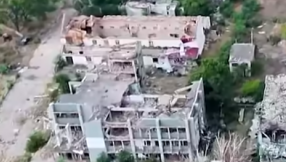
Ukrainian churches appeal for aid in starving Oleshky
Russia and Ukraine have blamed each other for the crisis in Oleshky.








