Renowned Hollywood director Martin Scorsese, celebrated for his gritty portrayals of mafia life in films like 'The Departed', 'Casino', and 'Goodfellas', has recently surprised the global film industry with a planned departure from his signature crime dramas.
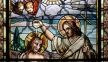
At the age of 81, Scorsese, known for his tough and impactful storytelling, has made clear his desire to shift gears once more and explore the subject of Jesus Christ in his upcoming film.
This cinematic pivot follows Scorsese's earlier exploration of the life of the Messiah over 30 years ago with 'The Last Temptation of Christ'. While that film proved controversial, containing passionate scenes between Jesus and Mary Magdalene, this new venture is not merely a revisitation; it's a response to a personal encounter with Pope Francis and his impassioned plea to those working within the arts.
In his call to creatives, the Holy Father urged artists "not to 'explain' the mystery of Christ, which is ultimately unfathomable, but to enable us to touch him, feel his closeness, and see him as alive." Motion pictures could, perhaps, rise to this specific challenge.
Motivated by the pope's call, Martin Scorsese, a cradle Catholic of Italian-American descent, is gearing up to embark on a motion picture based on Shūsaku Endō's 'A Life of Jesus'. As Scorsese has announced, the project aims to present Jesus's teachings without the weight of religious dogma, addressing criticisms often associated with organised religion.
"Right now, when you say the word 'religion,' everyone is up in arms, because it has failed in so many ways," Scorsese told the Los Angeles Times.
"But that doesn't necessarily mean that the initial impulse was wrong," he added.
Regarding Christ, the pope has impressed upon the artistic world that, "Because his promises appeal to our imagination, they help us imagine in a new way our lives, our history, and the future of humanity."
While Scorsese is undoubtedly a gifted filmmaker, whether he has the ability to satisfy the hopeful demands of both the Vatican and the modern cinema-going public remains to be seen.
"I have responded to the pope's appeal to artists in the only way I know how, by imagining and writing a screenplay for a film about Jesus. And I'm about to start making it," shared Scorsese, subtly hinting that this film could become his next blockbuster.
As he draws towards the autumn of an illustrious career, Scorsese seems committed to an insightful film about faith and Jesus Christ, emphasising its potential to reshape public perceptions about organised religion.
With a reflective tone, the director notes, "It might make a difference in how you live your life - even in rejecting it. Don't dismiss it offhand." And so too the rewards of Christian faith.