
|PIC1|Democrats Barack Obama and Hillary Clinton battled to a draw on "Super Tuesday" and John McCain took charge of the Republican race in coast-to-coast presidential nominating battles in 24 U.S. states.
In their hard-fought Democratic duel, Obama won 13 states and Clinton took eight, ensuring a long and difficult battle for the nomination. Clinton's wins included the key prizes of California and New York on the biggest day of U.S. presidential voting before the November 4 election.
"There is one thing on this February night that we do not need the final results to know: Our time has come," Obama told cheering supporters in Chicago. "Our movement is real, and change is coming to America."
McCain won nine contests, including victories in California and the Northeast, to take a daunting lead in the Republican race. He captured a huge haul of the convention delegates who select the party's presidential nominee, taking several big states where delegates are granted on a winner-take-all basis.
Republican rivals Mitt Romney and Mike Huckabee kept their hopes alive and vowed to fight on, but could face growing questions about the viability of their campaigns. Romney won seven states and Huckabee won five.
"Tonight, I think we must get used to the idea that we are the Republican Party front-runner for the nomination," McCain told supporters in Scottsdale, Arizona. "And I don't really mind it one bit."
RACE SET TO CONTINUE
The mixed results, with all contenders in both parties scoring at least five wins, appeared certain to prolong the hard-fought nominating races. A new round of contests in a half-dozen states are scheduled within the next week.
The Clinton and Obama camps said they expected the count of delegates for the night to wind up relatively even. "We think the delegates are going to be very close and we may end up with an edge there," Obama campaign manager David Plouffe said.
McCain, who lost the Republican primary race in 2000 to George W. Bush, still faces a struggle to win over conservatives in the party, who have been unhappy with his views on immigration, tax cuts and campaign finance reform.
"I am convinced Senator McCain is not a conservative, and in fact has gone out of his way to stick his thumb in the eyes of those who are," James Dobson, the founder of the conservative group Focus on the Family, said on Tuesday in a statement delivered to a talk show host.
National exit polls showed more than half of Democratic voters ranked the ability to bring change as the top attribute for a candidate. Nearly one-quarter of Democrats voting in the party's 22 contests ranked experience, Clinton's selling card, as the most important attribute.
About 44 percent of Republican voters preferred a candidate who shared their values, while one-quarter wanted a candidate with experience.
More than half the total delegates to the Democratic convention in August and about 40 percent of the delegates to the Republican convention in September were up for grabs in Tuesday's voting.
ECONOMY TOPS ISSUES
Economic worries -- plunging housing values, rising energy and food prices, jittery financial markets and new data showing a big contraction in the service sector -- eclipsed the Iraq war as voters' top concern in both parties, exit polls showed.
Obama scored victories in Alabama, Alaska, Colorado,Connecticut, Delaware, Georgia, Idaho, Kansas, Minnesota, Missouri, North Dakota, Utah and his home state of Illinois.
Clinton won Arizona, Arkansas, California, Massachusetts, New Jersey, Oklahoma, Tennessee and her home state of New York.
Clinton, a New York senator and former first lady, was battling a wave of momentum for Obama, an Illinois senator who would be the first black U.S. president. Obama had surged in national polls on his message of change.
"I look forward to continuing our campaign and our debate about how to leave this country better off for the next generation," Clinton told supporters in New York, congratulating Obama on his wins.
Because Democrats distribute delegates in proportion to their vote statewide and in individual congressional districts, candidates can come away with large numbers of delegates even in states they lose. Aides for both campaigns predicted the contest would continue for weeks or months to come.
Obama maintained his strong showing among black voters but also expanded support among whites, winning 40 percent in Georgia, exit polls said. Clinton, who would be the first female president, won heavy support from women and Hispanics, exit polls showed.
McCain won in Arizona, California, Connecticut, Delaware, Illinois, Missouri, New Jersey, New York and Oklahoma.
Huckabee, a Baptist preacher and former Arkansas governor, won in Alabama, Arkansas, Georgia, Tennessee and West Virginia.
Romney won in Alaska, Colorado, Minnesota, Montana, North Dakota and Massachusetts, where he served as governor, and Utah, which has a heavy concentration of Mormons. Romney would be the first Mormon president.
"It's not all done tonight. We're going to keep on battling," Romney said in Boston.
Huckabee's wins were fueled by strong support from evangelical Christians, and he split votes with Romney among conservatives unhappy with McCain's stances on immigration, tax cuts and campaign finance reform.
"A lot of people have been trying to say this is a two-man race," Huckabee told supporters in Little Rock, Arkansas. "Well, you know what, it is and we're in it."
29% OFF
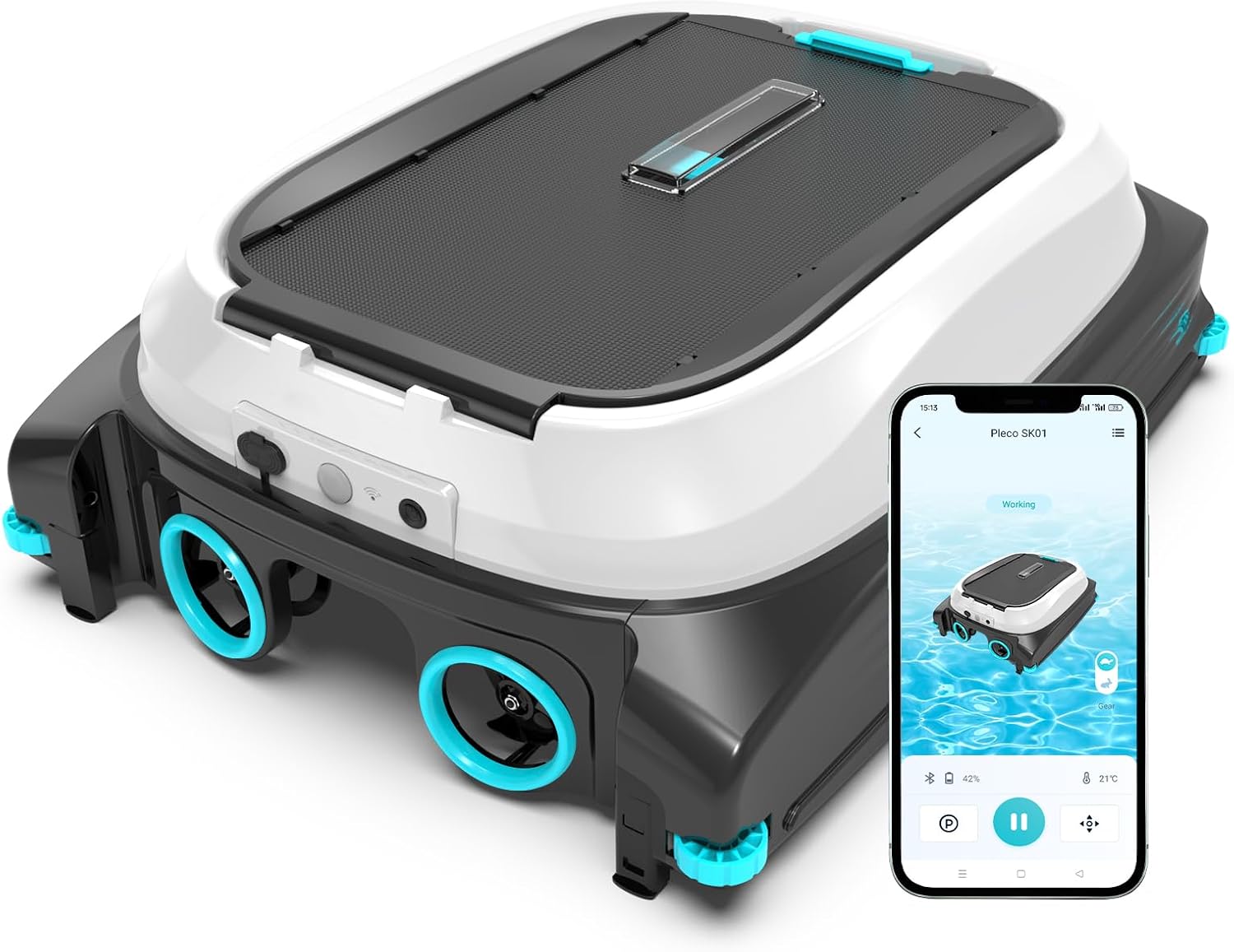
Pleco SK01 Solar Powered Robotic Pool Skimmer with App Control (Obsidian & Ivory)
$284.99 $399.99
52% OFF
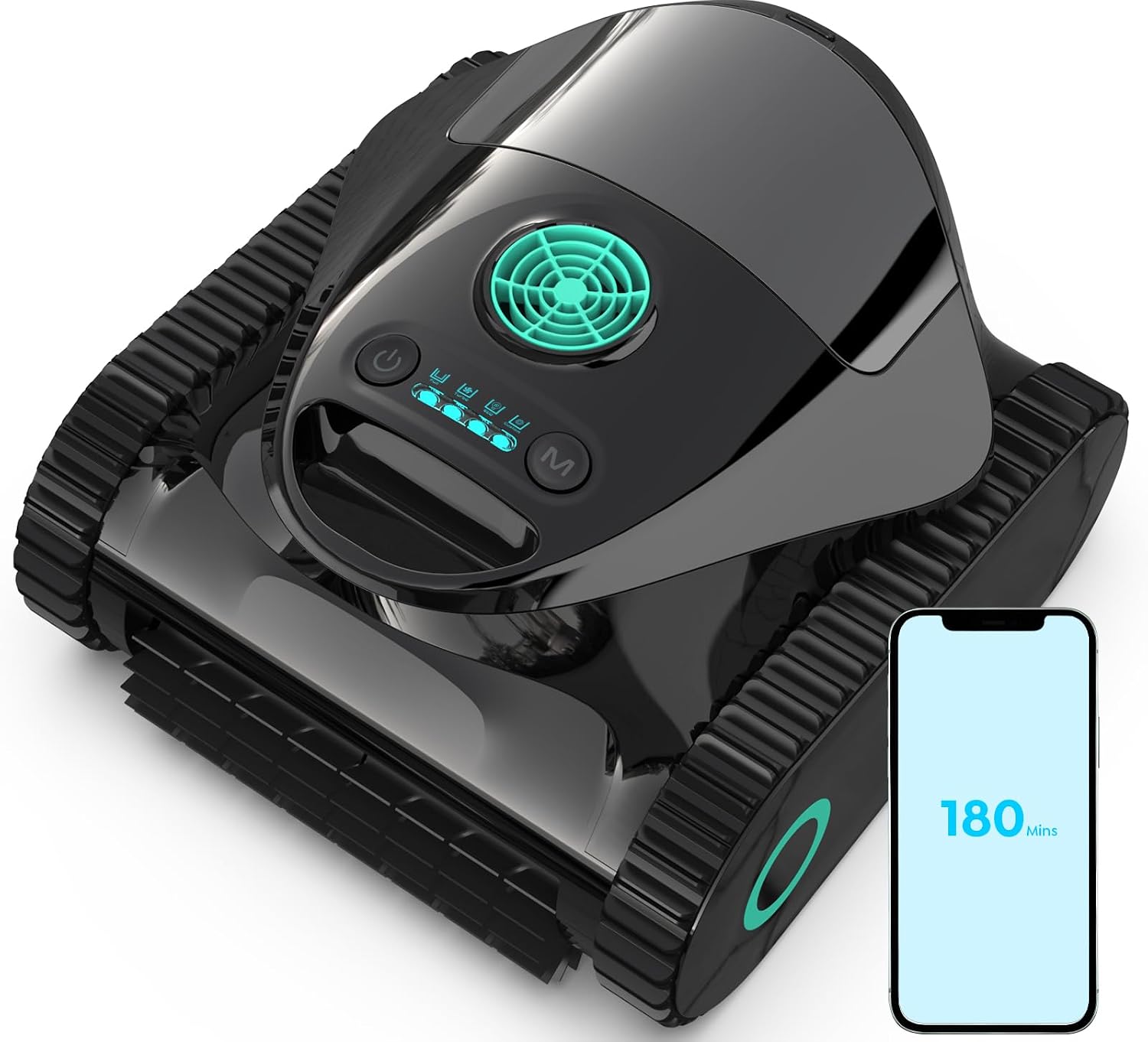
Cordless Robotic Pool Cleaner C1 with Wall Climbing and App Control (Glossy Black)
$290.69 $599.99
52% OFF
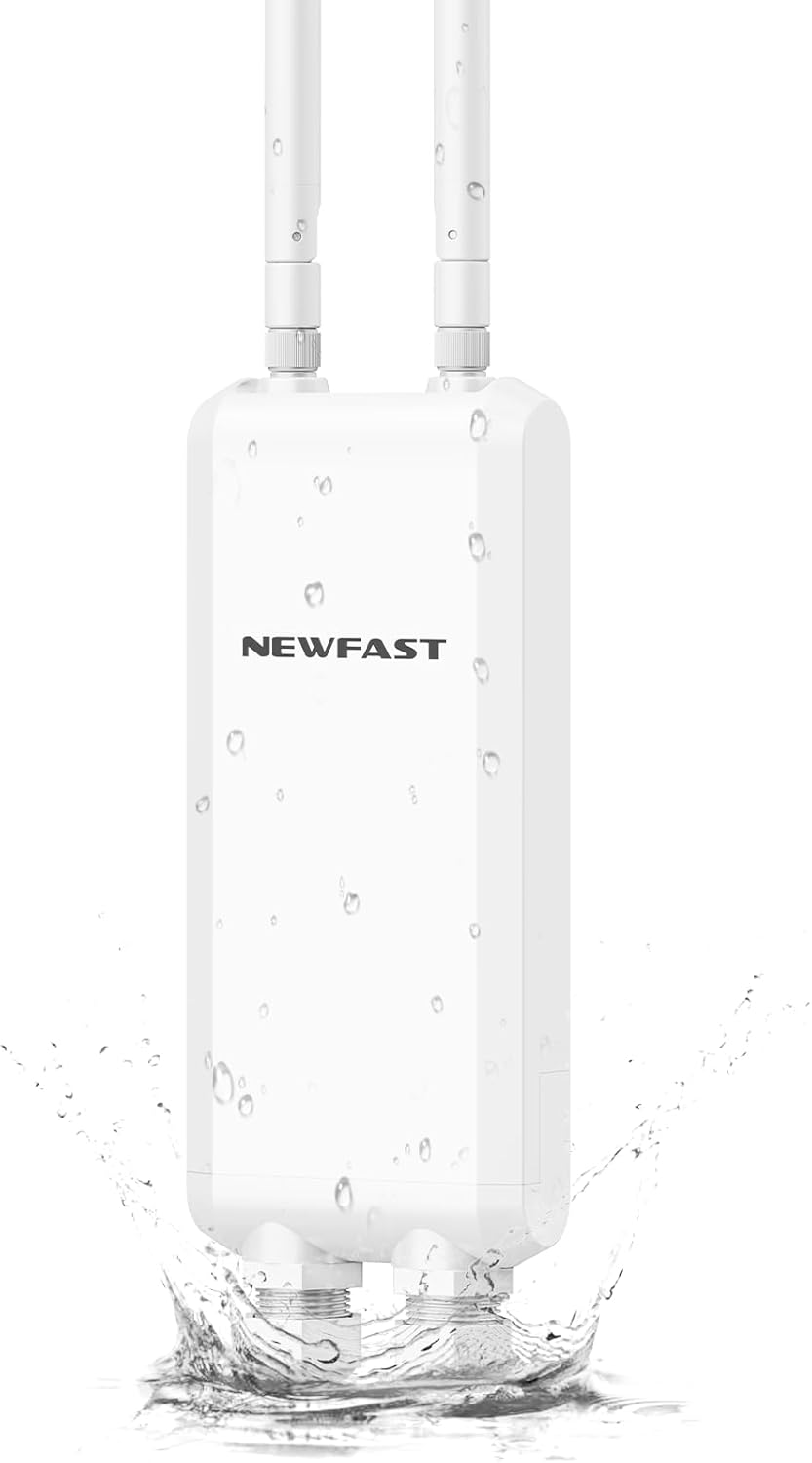
NEWFAST Outdoor WiFi Extender with MU-MIMO and 3 Gigabit Ports (IP66)
$47.99 $99.99
51% OFF
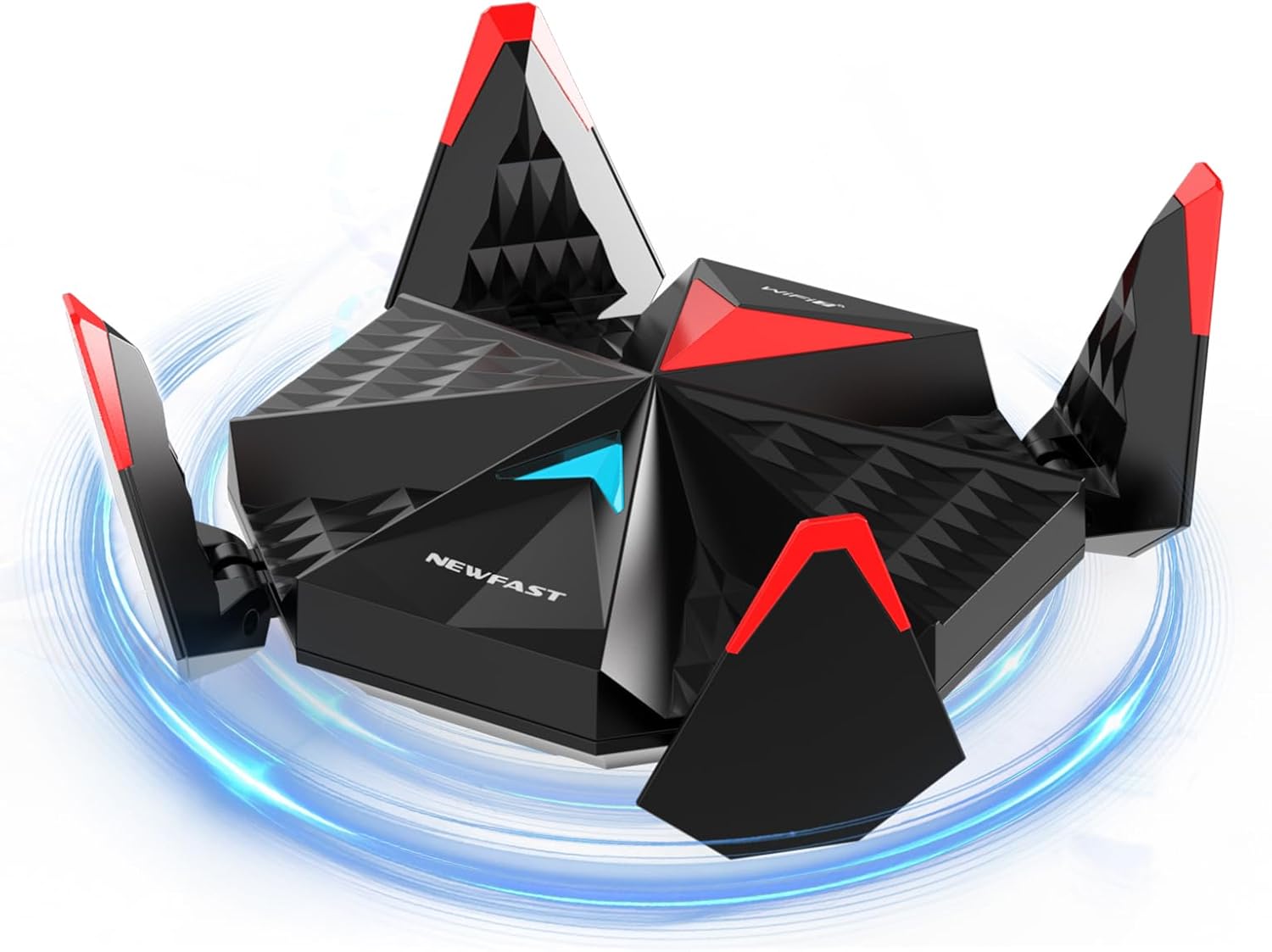
NEWFAST AXE5400 Tri-Band USB WiFi 6E Adapter with 4 Antennas (NF-U357)
$44.45 $89.99
20% OFF
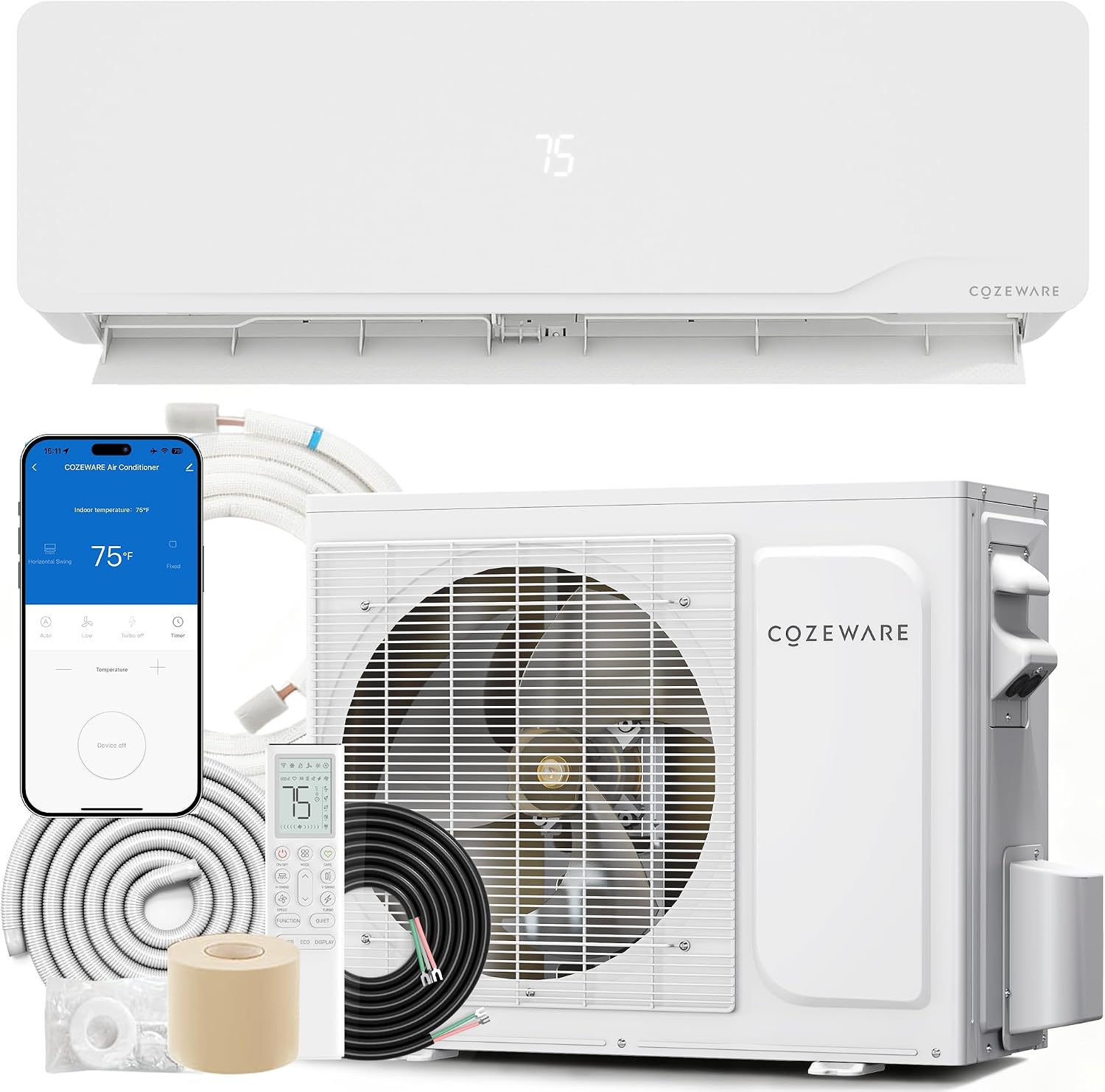
COZEWARE Visio Series 12000 BTU 20 SEER2 Smart Mini Split AC with Heat Pump (230V, 1 Ton)
$431.99 $539.99
20% OFF
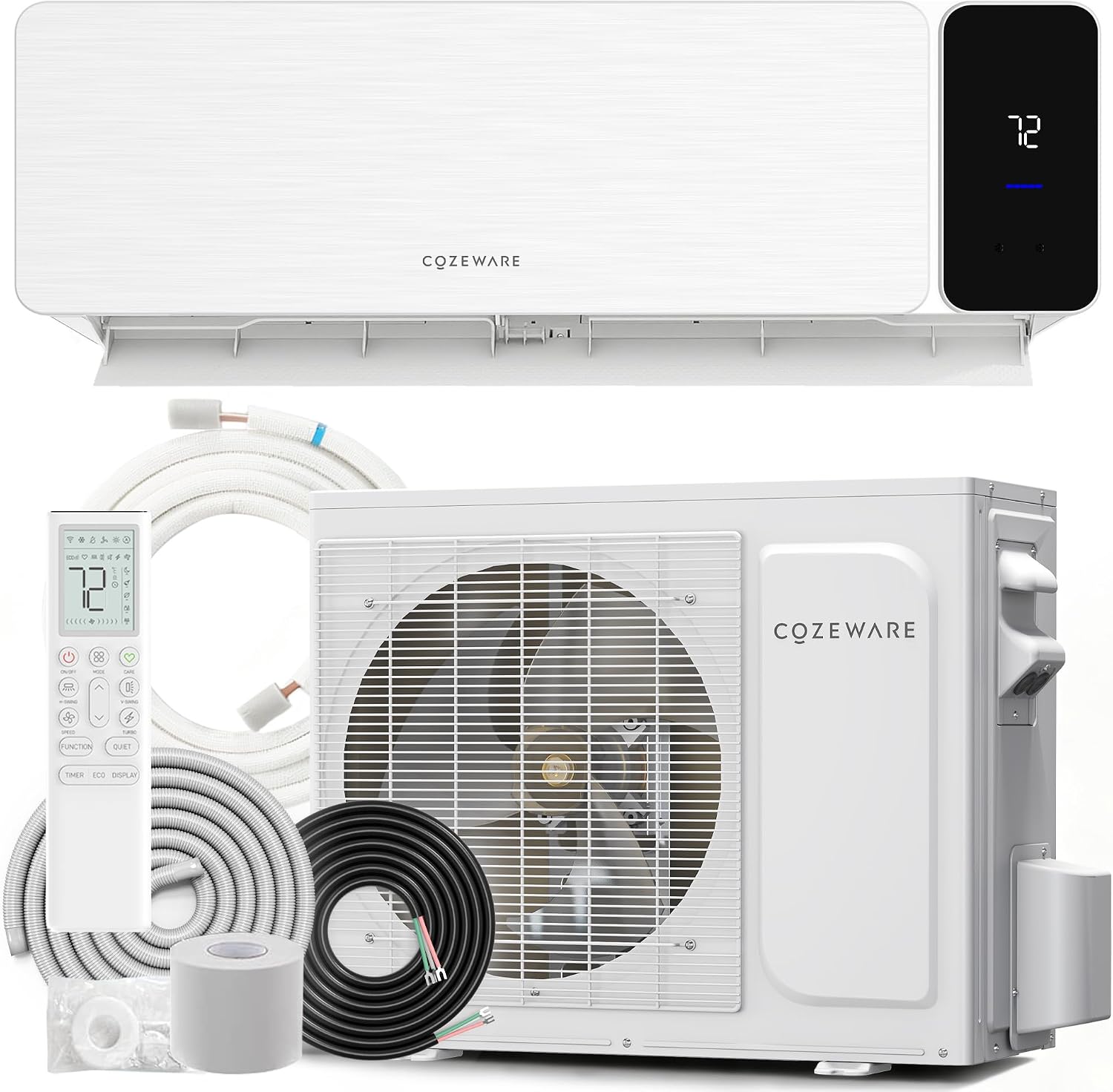
COZEWARE Visio Series 9000 BTU 18 SEER2 Ductless Mini Split AC with Heat Pump (115V)
$439.99 $549.99
20% OFF
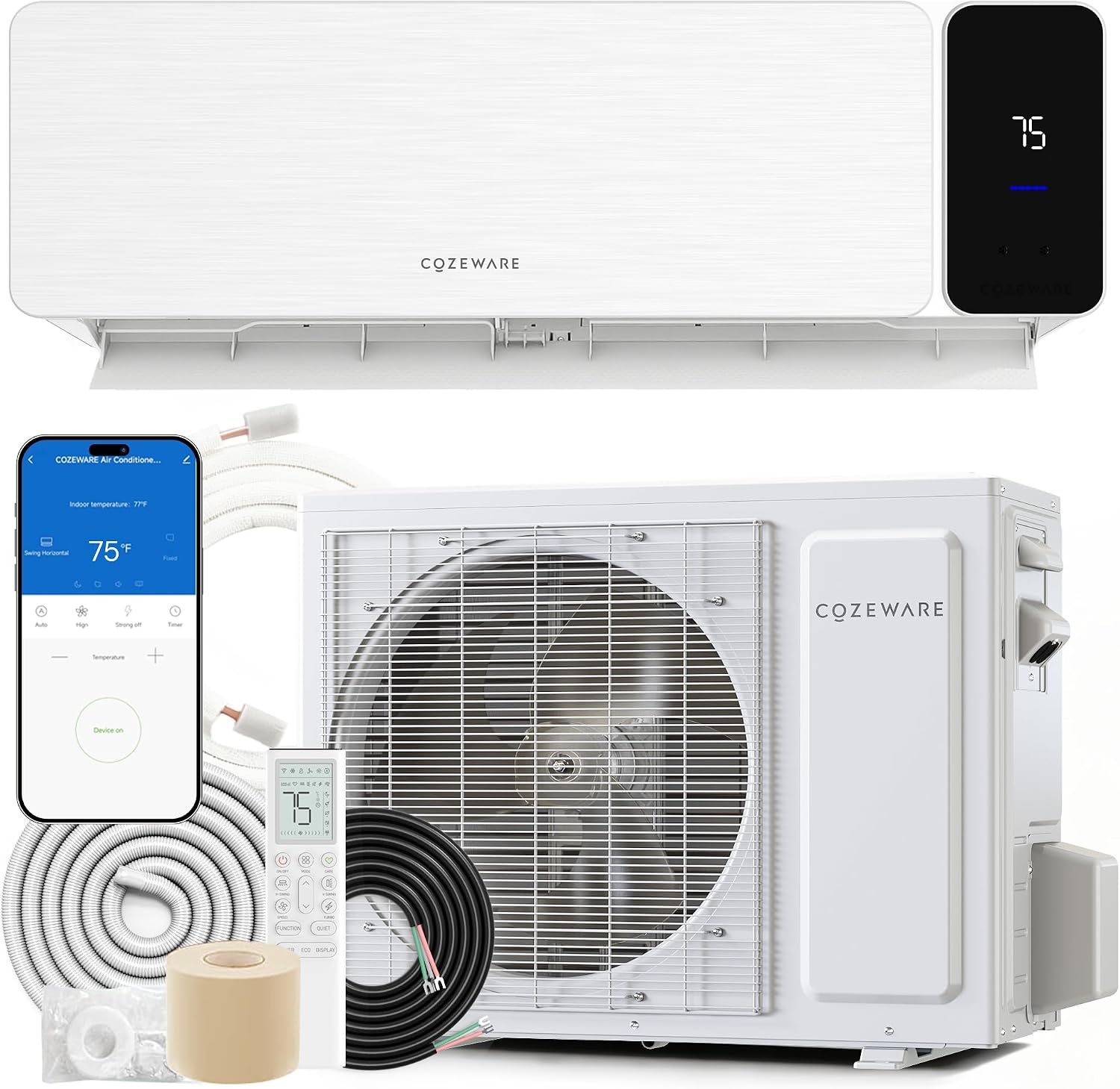
COZEWARE Visio Series 24000 BTU 20 SEER2 Smart Mini Split AC with Heat Pump (230V, 2 Ton)
$959.99 $1199.99
20% OFF
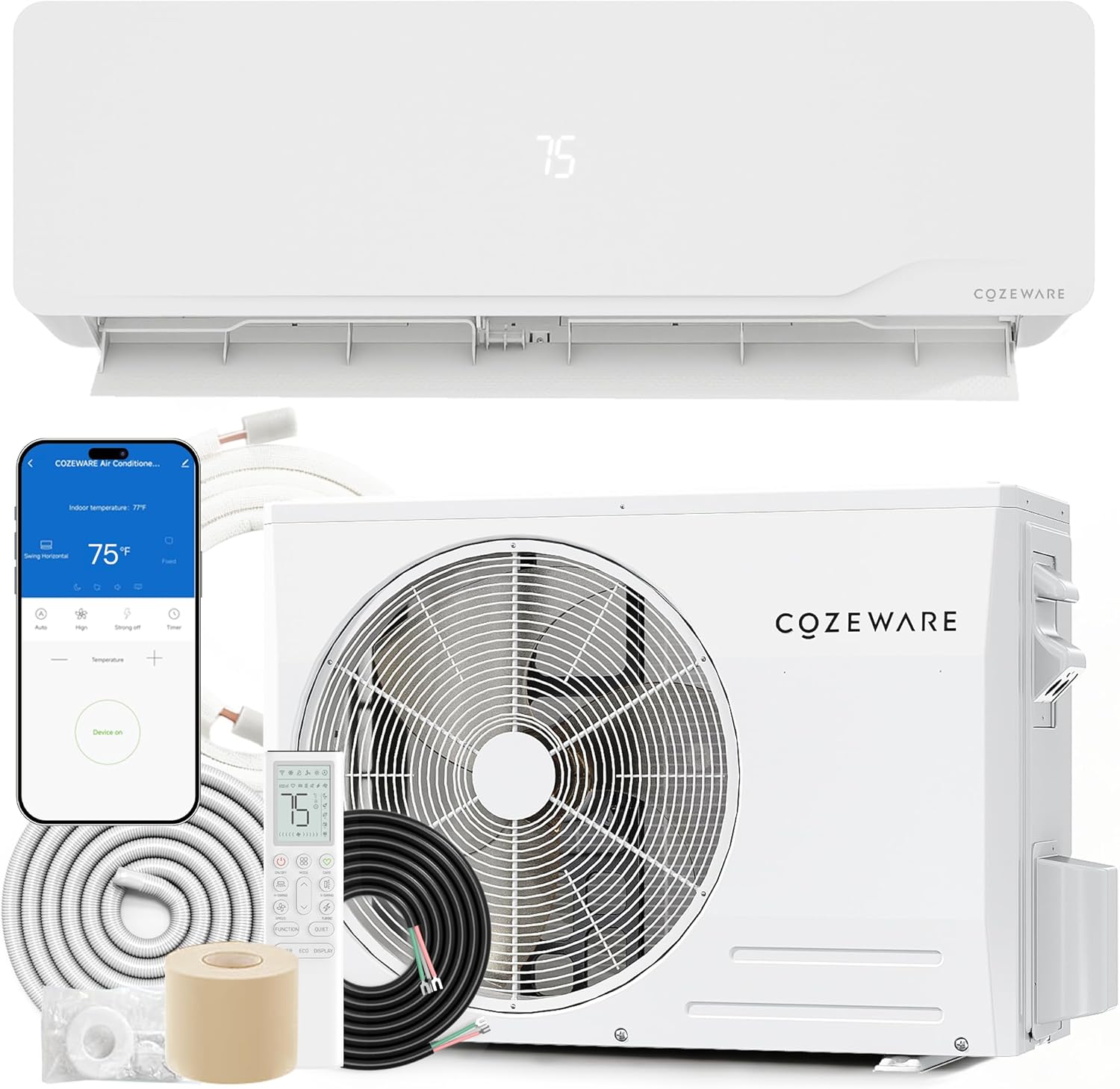
COZEWARE Visio Series 18000 BTU 20 SEER2 Smart Mini Split AC with Heat Pump (230V, 1.5 Ton)
$607.99 $759.99
20% OFF
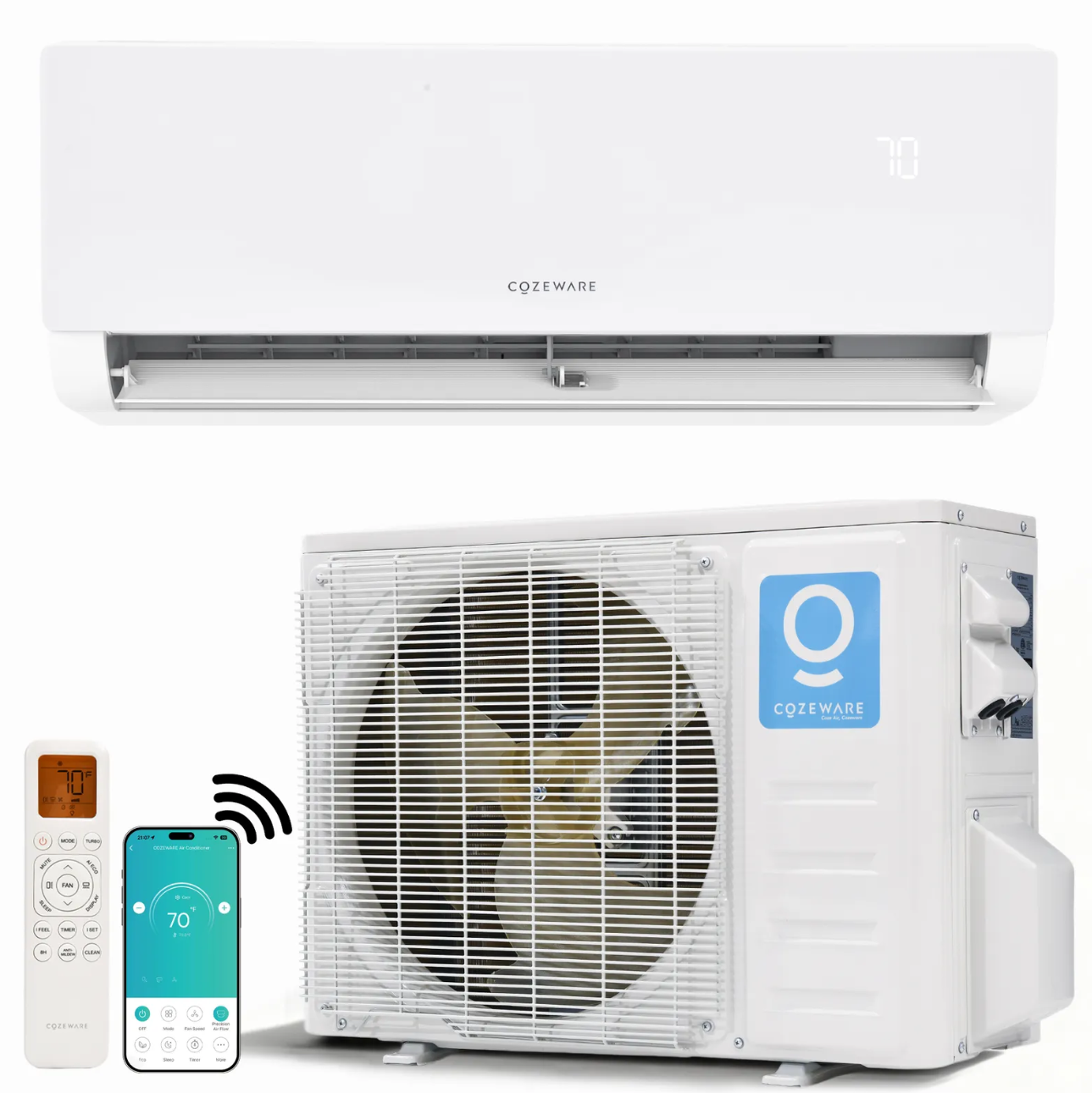
COZEWARE E-Save Series 12000 BTU 20 SEER2 Mini Split Air Conditioner (115V)
$592 $740
20% OFF

SmartHome Wi-Fi Water Leak Detector - Safeguard Your Home
$39.98 $49.99
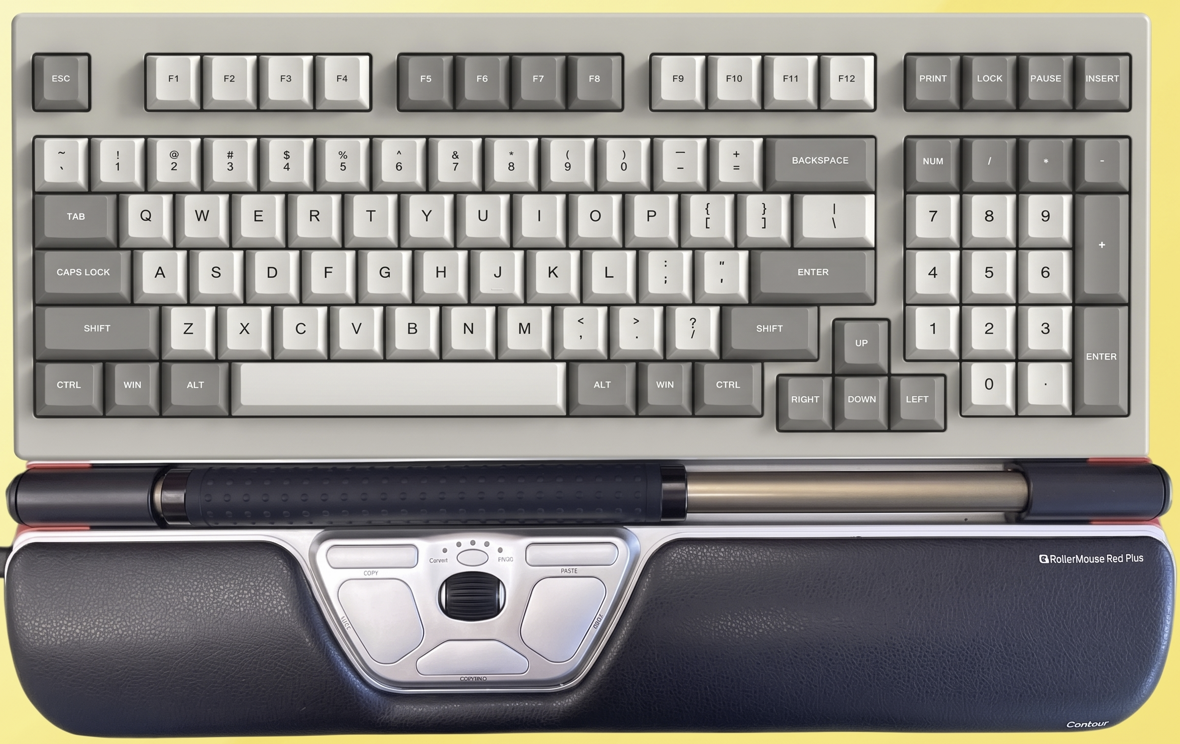
The $400 Mouse I Thought Was Ridiculously Expensive—Until It Changed How I Work
$0 $0
50% OFF

All-Weather HDPE Plastic Adirondack Chair with Cup Holder – Navy Blue
$70 $139.99
50% OFF

7-Color LED Red Light Therapy Mask for Face and Anti-Aging
$29.99 $59.99
49% OFF
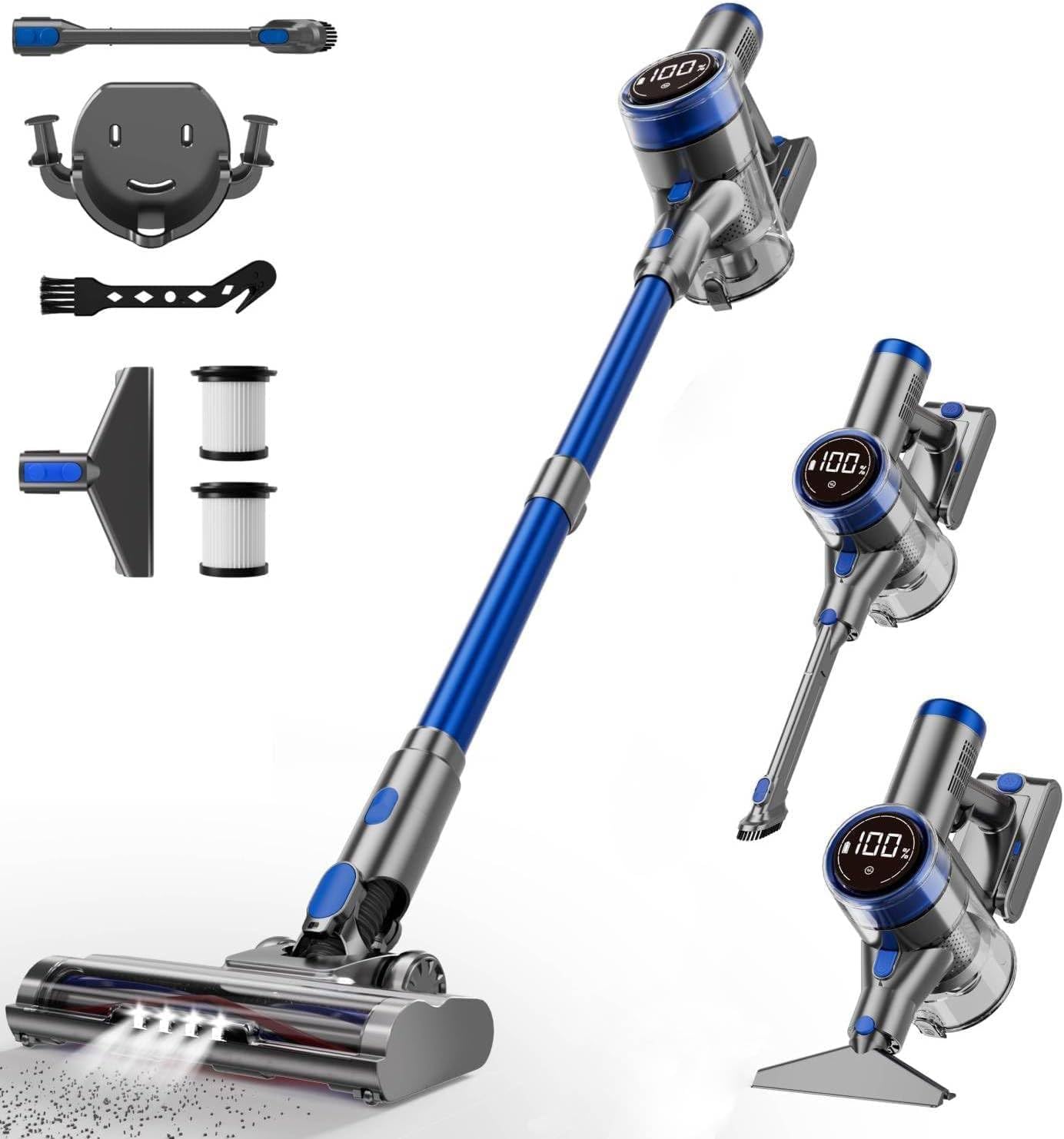
Cordless Vacuum Cleaner - 480W/45Kpa Powerful Stick Vacuum with LED Smart Touch Screen
$55.99 $109.99
20% OFF

Hypoallergenic Pet Wipes for Dogs & Cats - 400 Count Extra Large Coconut Scented Grooming Wipes
$24.79 $30.99
49% OFF
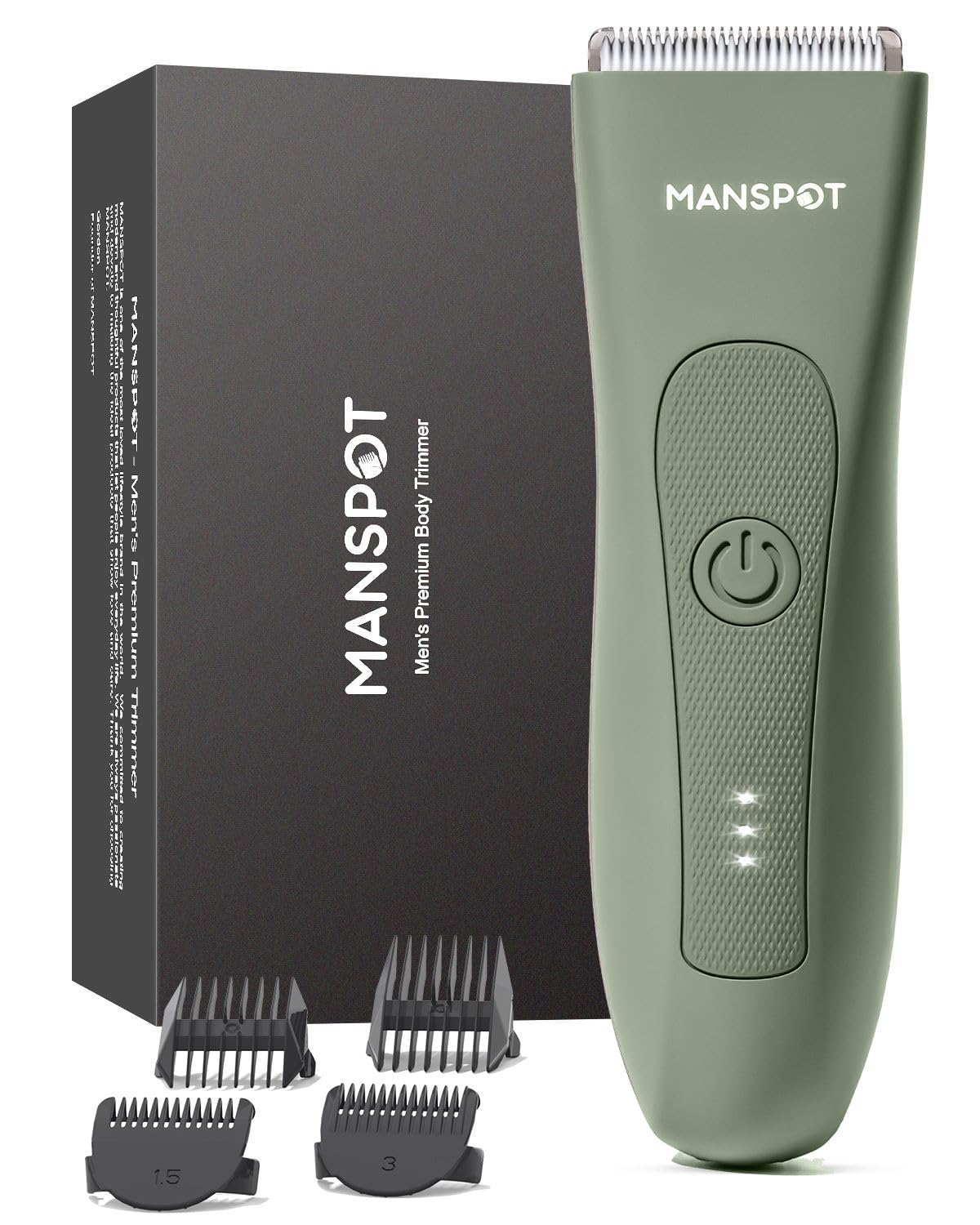
MANSPOT Electric Pubic Hair Trimmer - Waterproof Body and Groin Shaver for Men and Women (Black)
$20.39 $40
25% OFF

Lick-Safe Dog Paw and Nose Balm Stick - All-Natural Moisturizer with Coconut Oil for Dry, Cracked Pads and Snout
$11.69 $15.59
77% OFF
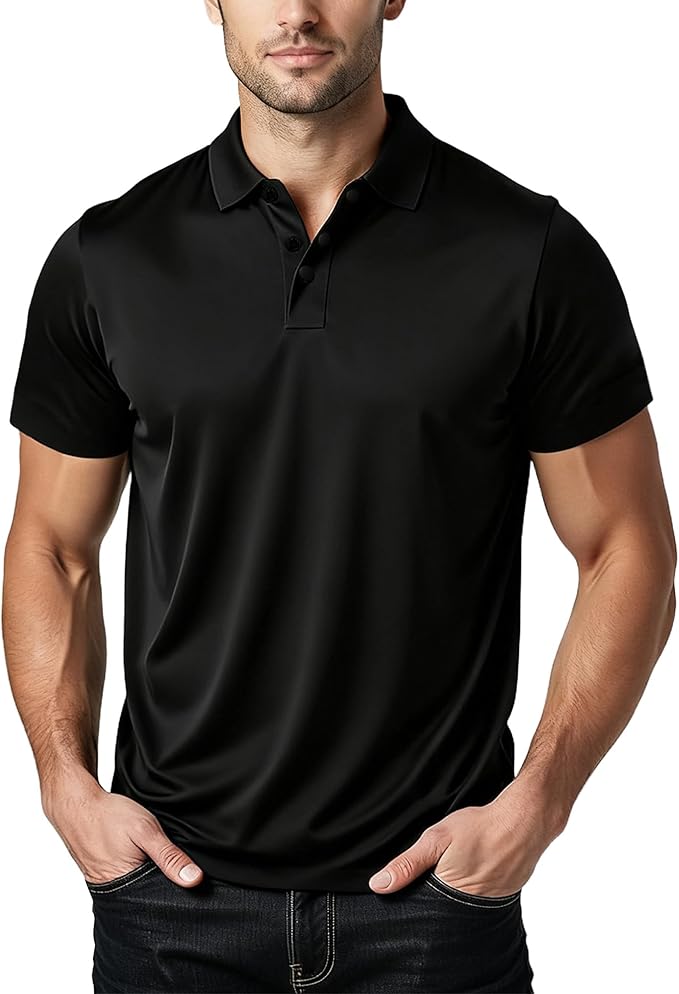
Men's Quick Dry Moisture Wicking Polo Shirt - High Elasticity Slim Fit Athletic Top (Runs Small)
$6.99 $29.99
46% OFF
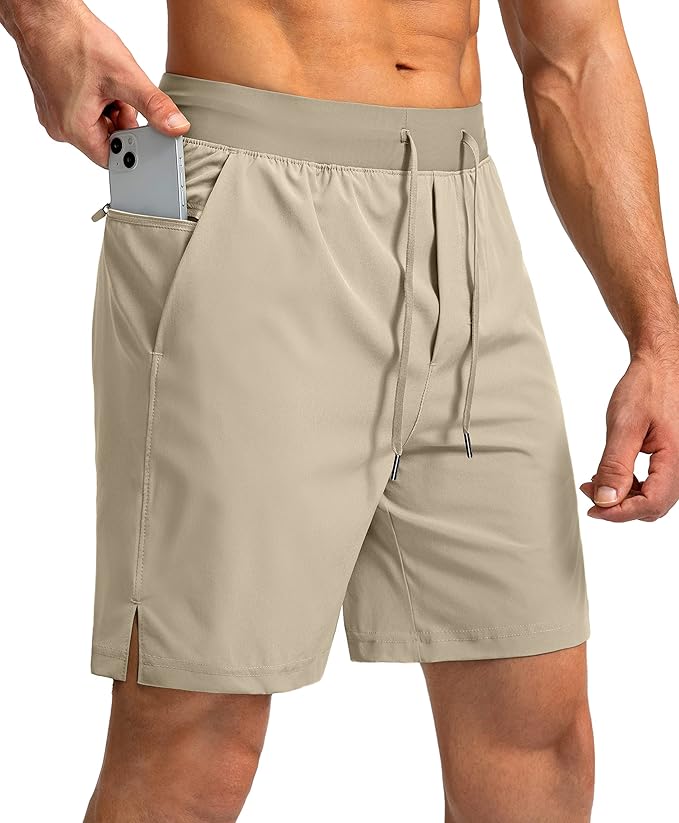
Men's Running Shorts with Zipper Pockets - Lightweight, Quick-Dry, Multi-Sport
$12.95 $23.99
50% OFF

NEWFAST NF-RE523 AC1200 WiFi Extender - 1200Mbps Dual Band Signal Booster & Internet Repeater
$18.5 $36.99
-

Eric Metaxas on faith, freedom and the restoration of the West
-

Kate Forbes refused to compromise her Christian faith - and won
-

Counselling framework for those with unwanted same-sex attraction rejected
-

Carl Trueman on the crisis of the West and why nationalism and cultural Christianity are not the answer
News
-

From deconstruction to reconstruction: can the West be saved?
-

Kate Forbes refused to compromise her Christian faith - and won
-

The restoration of the West can't happen without Christianity - and more people are realising it
-

Christians praying for the nation and next prime minister after Starmer resigns
-

First memorial to Christians killed in Nigeria unveiled
-

Are witchcraft and paganism a threat to Christianity in modern Britain?
Most Popular
News

The challenge the Church of England faces over transgenderism
There is a reality that the Church of England has to face up to but so far it has failed to do this.
Carl Trueman on the crisis of the West and why nationalism and cultural Christianity are not the answer
Theologian Carl Trueman was at ARC 2026 to share his thoughts on why things have gone wrong in the West and what can be done to turn things around. He speaks to Christian Today about the challenges and why neither cultural Christianity nor nationalism are the answer.

Fulani terrorists kill 28 Christians in central Nigeria
Fulani herdsmen guided toward Christian leaders on Monday killed 28 Christians, including a pastor, in a raid on a village in Plateau state, Nigeria, sources said.

Teens grappling with questions about faith, the future and truth
American teenagers are increasingly wrestling with major questions about their future, identity, truth and faith, with many feeling pressure to find answers long before reaching adulthood, according to a study.
Pleco SK01 Solar Powered Robotic Pool Skimmer with App Control (Obsidian & Ivory)
$284.99
Cordless Robotic Pool Cleaner C1 with Wall Climbing and App Control (Glossy Black)
$290.69
NEWFAST Outdoor WiFi Extender with MU-MIMO and 3 Gigabit Ports (IP66)
$47.99
NEWFAST AXE5400 Tri-Band USB WiFi 6E Adapter with 4 Antennas (NF-U357)
$44.45
COZEWARE Visio Series 12000 BTU 20 SEER2 Smart Mini Split AC with Heat Pump (230V, 1 Ton)
$431.99
COZEWARE Visio Series 9000 BTU 18 SEER2 Ductless Mini Split AC with Heat Pump (115V)
$439.99
COZEWARE Visio Series 24000 BTU 20 SEER2 Smart Mini Split AC with Heat Pump (230V, 2 Ton)
$959.99
COZEWARE Visio Series 18000 BTU 20 SEER2 Smart Mini Split AC with Heat Pump (230V, 1.5 Ton)
$607.99
COZEWARE E-Save Series 12000 BTU 20 SEER2 Mini Split Air Conditioner (115V)
$592
SmartHome Wi-Fi Water Leak Detector - Safeguard Your Home
$39.98
The $400 Mouse I Thought Was Ridiculously Expensive—Until It Changed How I Work
$0
All-Weather HDPE Plastic Adirondack Chair with Cup Holder – Navy Blue
$70
7-Color LED Red Light Therapy Mask for Face and Anti-Aging
$29.99
Cordless Vacuum Cleaner - 480W/45Kpa Powerful Stick Vacuum with LED Smart Touch Screen
$55.99
Hypoallergenic Pet Wipes for Dogs & Cats - 400 Count Extra Large Coconut Scented Grooming Wipes
$24.79
MANSPOT Electric Pubic Hair Trimmer - Waterproof Body and Groin Shaver for Men and Women (Black)
$20.39
Lick-Safe Dog Paw and Nose Balm Stick - All-Natural Moisturizer with Coconut Oil for Dry, Cracked Pads and Snout
$11.69
Men's Quick Dry Moisture Wicking Polo Shirt - High Elasticity Slim Fit Athletic Top (Runs Small)
$6.99
Men's Running Shorts with Zipper Pockets - Lightweight, Quick-Dry, Multi-Sport
$12.95
NEWFAST NF-RE523 AC1200 WiFi Extender - 1200Mbps Dual Band Signal Booster & Internet Repeater
$18.5