
|PIC1|The Church of England is advising churches to protect biodiversity by managing rather than mowing their churchyards.
An estimated two thirds of the Church of England’s churches – around 10,000 – have churchyards, which collectively cover the space of a small national park.
David Shreeve, the Church of England’s national environment adviser, said churchyards were a “vital” biodiversity resource.
“Churchyards can be a vital biodiversity resource often containing a variety of wildlife which are unique to the area and many manage their land in such a way to celebrate the diversity of life,” he said.
“Whilst there are areas needing to be mown, many churchyards can also be managed to provide excellent wildlife areas.”
The advice follows the decision by the Church of England’s national environmental campaign, Shrinking the Footprint, to sign up to the United Nations’ International Year of Biodiversity.
The Church of England said thousands of its churchyards were contributing to the biodiversity of the country in ways that did not compromise respect for family and friends of those buried there.
All Saints, Odell in the Diocese of St Albans won an award from the Campaign to Protect Rural England for its community-led conservation project, which included ‘adopt a grave’. In the Diocese of London, a section of the churchyard at St Andrew’s Fulham Fields was given over to the creation of a wildlife garden out of plants and objects that were mostly donated or found locally.
St Peter and St Paul with St Andrew, Flitwick, in the Diocese of St Albans has recorded more than a hundred species of wildflowers in its churchyard.
Judith Evans promoter of the Living Churchyard scheme for St Albans said churchyards made a huge contribution to the biodiversity of the country at the same time as engaging and educating the wider community.
“They often support species of plants and animals which have disappeared from the surrounding area, or are capable of so doing,” she said.
“Many churches in the diocese and nationally are managing their churchyards in an environmentally-friendly way, often with the help of their local wildlife trusts, but they are still in the minority.
“In the International Year of Biodiversity we hope to make them the majority to demonstrate that the church really cares about God's creation.”
Almost 1,000 organisations have signed up to the International Year of Biodiversity, which celebrates the variety of life on Earth.




-

Edinburgh University ends divinity programmes as theology faces a changing future
-

Why the Archbishop of Canterbury’s award controversy matters
-

More than one in four US Protestant churchgoers believe some biblical truths become outdated
-

Catholicism in France has 'collapsed'
-

Christian leaders issue ‘sober and urgent call’ for Western Church to prepare for disruption
-

Australia's anti-therapy laws harm the most vulnerable - Britain should not copy them
Most Popular
News

Active faith linked to happier marriages and lower divorce rates, study finds
People who regularly attend church are more likely to report happy marriages, according to a new report examining the relationship between faith and family life.
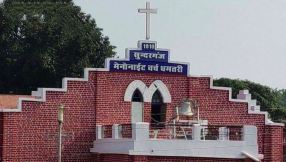
Indian churches fearing anti-conversion laws tell non-Christians: enter at your own risk
Churches in Dhamtari, a town in the central Indian state of Chhattisgarh, have put up notices warning non-Christians that they enter at their own risk, weeks after a law against religious conversion came into force in the state.

£1k bursaries to help churches develop youth and community mentoring programmes
Churches across the UK are being offered bursaries to help them establish mentoring programmes aimed at supporting young people and others in their communities.

World Evangelical Alliance celebrates 180th anniversary
The World Evangelical Alliance (WEA) has held an online celebration to mark its 180th anniversary. Hundreds of people from more than 22 countries attended, and the event was rebroadcast to accommodate different time zones.








