
Churches must be at the heart of changing the way Wales meets its energy needs, according to one expert.
The Church in Wales’ Sustainable Development Commissioner, Peter Davies, wants to see churches help communities radically overhaul their energy sources.
He believes that radical action is needed to double the country’s electricity supply and reduce its carbon emissions by 80 per cent by 2050.
Addressing the Church in Wales’ Governing Body yesterday, Mr Davies suggested churches help communities become self-sufficient in their energy needs by making the switch to wind, solar and hydro energy sources.
He warned that Wales energy supply would come under increasing threat in the coming decades unless it changed to more affordable and low carbon energy supplies.
“The pace of change is going to have to increase dramatically,” he said.
“The provision of renewable energy by and for communities is an idea whose time has come. There is clearly a role for Government in major energy projects, but ensuring a sustainable energy supply can also be tackled from the bottom up.
“There is now real opportunity for individuals, communities and neighbourhoods to come together to both reduce the use of energy and also to generate their own energy.
“The Church in Wales can play a key role in developing these local solutions and being an exemplar through its own actions in reducing energy use and in encouraging local energy generation.”
Members of the Governing Body backed a resolution urging the UK and Welsh Assembly governments to make the “urgent” move to sustainable energy and also calling on Church members to reduce their own personal energy consumption.
The Bishop of Swansea, the Rt Rev John Davies, called on churches to set a good example.
“The created order is a precious gift to all people, whether they view it from a religious perspective or not," he said.
But we believe it is the responsibility of the Church to urge everyone to do their part to ensure that our shared resources are managed carefully in ways that are sustainable so that they will be available to the next generation.
“Our churches are at the heart of local communities and are therefore well placed to lead or inspire projects which can generate renewable energy for the use of that community.”




-

Edinburgh University ends divinity programmes as theology faces a changing future
-

Why the Archbishop of Canterbury’s award controversy matters
-

More than one in four US Protestant churchgoers believe some biblical truths become outdated
-

Catholicism in France has 'collapsed'
-

Christian leaders issue ‘sober and urgent call’ for Western Church to prepare for disruption
-

Australia's anti-therapy laws harm the most vulnerable - Britain should not copy them
Most Popular
News

Active faith linked to happier marriages and lower divorce rates, study finds
People who regularly attend church are more likely to report happy marriages, according to a new report examining the relationship between faith and family life.
Indian churches fearing anti-conversion laws tell non-Christians: enter at your own risk
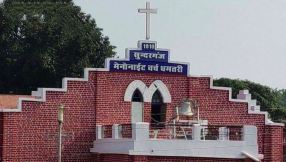
Churches in Dhamtari, a town in the central Indian state of Chhattisgarh, have put up notices warning non-Christians that they enter at their own risk, weeks after a law against religious conversion came into force in the state.

£1k bursaries to help churches develop youth and community mentoring programmes
Churches across the UK are being offered bursaries to help them establish mentoring programmes aimed at supporting young people and others in their communities.
World Evangelical Alliance celebrates 180th anniversary
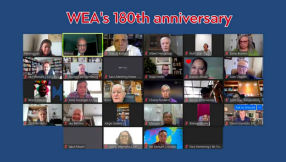
The World Evangelical Alliance (WEA) has held an online celebration to mark its 180th anniversary. Hundreds of people from more than 22 countries attended, and the event was rebroadcast to accommodate different time zones.








