A diocese in the Church of England has become the first to reach out for an "online pastor" to engage with young people in particular across digital media.
Lichfield Diocese is advertising for a lay or ordained pastor to connect online.
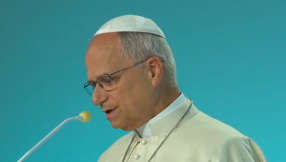
Bishop of Stafford Geoff Annas described it as "a brave new role" to enable teenagers and young people to "build up and nurture each other in the Christian faith."
Speaking on the Church of England's weekly podcast he said it was "not a substitute for face-to-face contact" but would help the church meet the needs of young people.
"A lot of young people nowadays don't see themselves even in denominational terms, they see themselves as young Christians and the way they live out their faith is very different from traditional ways. It's all part of reimagining of what it means to be 'church' in the coming years.
"I think where we've got problems is that young people see church in a totally different way. We're not going to get them to sign up to endless meetings...the Church of England particularly is at an interesting moment. It's at a turning point."
Archdeacon of Stoke on Trent, Matthew Parker, said success in the role "will look like more of our young people feeling that they are involved, connected. Relating not just to one another, not just to the wider church, but ultimately relating to God in a way that feels appropriate to them and speaks to where they are."
The advertisement says: "To reach new generations we recognise that we must learn to relate more effectively to the world and the experience of young people and young adults. Increasingly, this generation inhabits a virtual environment sustained by an array of social media applications and digital devices."
The aim is to help young people become Christians through hearing the gospel in the language of digital media and to grow in their faith and discipleship if they are already Christians.
In Australia, Rev Mark Brown was ordained to a digital ministry by the Anglican Church of Australia more than a decade ago and, among other things, set up an Anglican Cathedral in the online virtual world Second Life.
In a recent strategy paper written by the Archbishops of Canterbury and York in the run-up to General Synod next month, the Church was urged to reach out to the world through digital and social media.