
Social policy charity CARE has called on the EU to do everything in its power to cooperate constructively with the US following its offer of compensation for trade loss resulting from the American ban on internet gambling.
CARE, which has major reservations about the way in which 'free trade' is being used to defend internet gambling, is keen to see a swift and equitable resolution that in no way undermines the US ban.
In 2005 the World Trade Organisation upheld Antigua's claim that the United States ban on internet gambling was in violation of its free trade commitments. The US asserts that it never intended to commit to free trade in gambling and has invoked the WTO process for modifying its trade commitments to clarify its intention to restrict gambling.
In response, a number of countries and the EU have sought compensation.
Last Wednesday, the United States offered the EU a compensation package that would give the EU access to new, non-gambling sectors of the US market. The offer has been considered and discussions are ongoing.
Daniel Boucher CARE's director of parliamentary affairs stated, "The idea that we should use 'free trade' as a mechanism for championing internet gambling is a big mistake if the international community is genuinely serious about promoting sustainable development. Countries banning internet gambling should not be deemed to be 'protectionist' but rather free traders in a moral, 'social environment' friendly framework."
He continued, "Far from seeking compensation for the US ban on internet gambling, we believe that the EU and other forward thinking nations should introduce a similar ban. Of all forms of gambling, internet gambling is one of the most dangerous because people can participate anytime 24-7 from the privacy of their home. There is no need to overcome the obstacle of getting to a casino and no one needs to know you gamble or for how long."
He went on to speak about the British Gambling Prevalence Study, which shows that problem gambling prevalence for internet gambling is higher than for most other forms of gambling.
Boucher concluded: "The need for a ban was very helpfully put in focus last Wednesday by the publication of the British Gambling Prevalence Study which demonstrates that sadly there has been no drop in the number of problem gamblers in the UK during the last eight years and that 'problem gambling' is particularly high amongst internet gamblers."




-

Edinburgh University ends divinity programmes as theology faces a changing future
-

Why the Archbishop of Canterbury’s award controversy matters
-

More than one in four US Protestant churchgoers believe some biblical truths become outdated
-

Catholicism in France has 'collapsed'
-

Christian leaders issue ‘sober and urgent call’ for Western Church to prepare for disruption
-

Australia's anti-therapy laws harm the most vulnerable - Britain should not copy them
Most Popular
News

Active faith linked to happier marriages and lower divorce rates, study finds
People who regularly attend church are more likely to report happy marriages, according to a new report examining the relationship between faith and family life.

Indian churches fearing anti-conversion laws tell non-Christians: enter at your own risk
Churches in Dhamtari, a town in the central Indian state of Chhattisgarh, have put up notices warning non-Christians that they enter at their own risk, weeks after a law against religious conversion came into force in the state.

£1k bursaries to help churches develop youth and community mentoring programmes
Churches across the UK are being offered bursaries to help them establish mentoring programmes aimed at supporting young people and others in their communities.
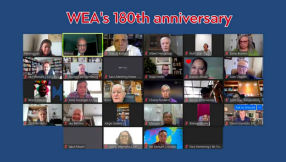
World Evangelical Alliance celebrates 180th anniversary
The World Evangelical Alliance (WEA) has held an online celebration to mark its 180th anniversary. Hundreds of people from more than 22 countries attended, and the event was rebroadcast to accommodate different time zones.








