All remaining restrictions on communal worship are set to be lifted come July 19, Boris Johnson has confirmed.
It means an end at last to the hugely unpopular ban on congregational singing in church which has been challenged over the last few months by church leaders.
Outlining the changes in the Commons, the Prime Minister said, "There will be no limits on the number of people who can attend life events like weddings and funerals, and there will be no restrictions on communal worship or singing."
With most restrictions lifting, 'Freedom Day' will see all businesses open, a return to the office, and an end to the legal requirement to wear face masks.
But Johnson cautioned people not to get "demob happy" as concerns remain about soaring Covid cases and the possibility of new variants emerging further down the road.
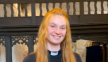
Commenting on the announcement, the Bishop of London, Sarah Mullally, also struck a note of caution as she paid tribute to the personal sacrifices many have made during the pandemic.
"The vaccination programme has been an answer to prayer but, while it has transformed the outlook of the pandemic, it has not eliminated all risk," she said.
"So it is right, as the Prime Minister has said, that we all must exercise personal responsibility and carefully manage the risks from Covid-19.
"As Christians, called to love our neighbour as ourselves, we must also exercise collective responsibility and continue to take appropriate precautions to protect others.
"Over the past 18 months we have mourned the tens of thousands who have died from Covid-19.
"We have also all made sacrifices and seen previously unimaginable changes to our way of life as we sought to protect one another and especially those who are most vulnerable.
"In churches that has meant unprecedented restrictions on the way we practise our faith itself, affecting our ability to meet together, to sing together and to celebrate the sacraments together, all of which are at the heart of our worship.
"We have also seen particular restrictions on the way we marked major events in our lives through baptisms, weddings and funerals; sadly many were denied the basic comforts of sharing moments of joy and pain with others.
"I've been inspired by the way churches have risen to the challenge, finding new ways of gathering to worship God, reach out and serve their neighbours in these difficult times. I have been deeply moved by the extraordinary efforts of those working on the front line in our NHS and social care.
"And I would also like to highlight the sacrifices, often overlooked, made by children and young people to protect us all for so long during such a formative time in their lives.
"I am also mindful of those who lives have been radically changed by the effects of long covid. We will await the new Government advice for places of worship and adapt our guidance to churches accordingly."