Researchers may have just taken the fight to find the treatment for HIV one step closer, as they were able to genetically engineer genes to eliminate infected cells from the body.
The technique is called Crispr. Researchers modified a protein called Crispr-associated protein 9 (Cas9) to recognize the genetic code of HIV. Blood is then taken from the patient, with the modified protein added to it, which in turn actively seeks out the infected DNA. Once it detects the HIV DNA, it releases an enzyme that eliminates the sequence, effectively removing the virus from the DNA. The healthy cells are then reintegrated into the body of the patient via transfusion.
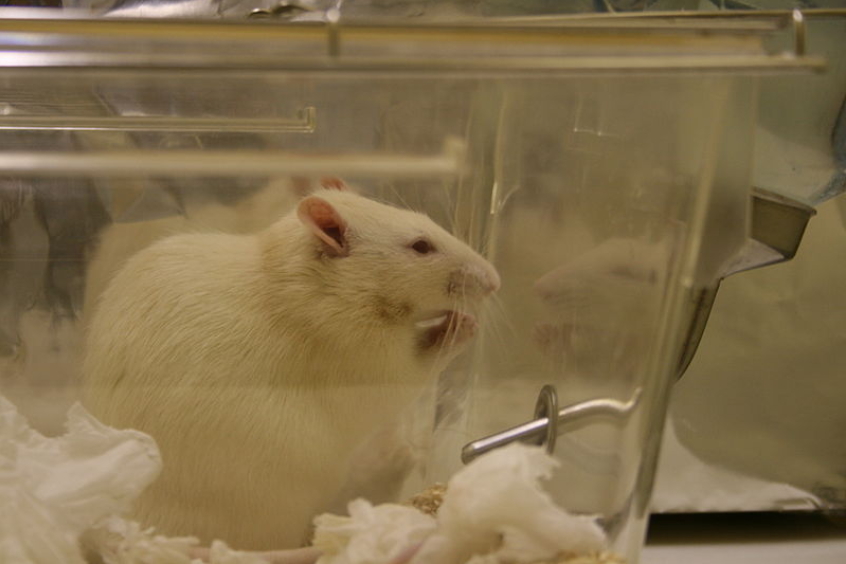
Three groups of mice were tested in this study, all of which were injected with the HIV-1 virus, with the third group also given human immune cells to see how well these will respond to the treatment. According to MailOnline, this is the first time that scientists have been able to completely eliminate the virus in animals.
The study, which was first published in a ScienceDirect journal and was summarized by Telegraph, was conducted by a team of scientists at Lewis Katz School of Medicine at Temple University. The group, led by Dr. Wenhui Hu, is also the same set of people who managed to eliminate the HIV-1 virus from the genome of living tissues.
Dr. Hu said that this new study is more comprehensive. He explained, "We confirmed the data from our previous work and have improved the efficiency of our gene editing strategy. We also show that the strategy is effective in two additional mouse models, one representing acute infection in mouse cells and the other representing chronic, or latent infection in human cells."
The team next plans to conduct the same procedure on primates. They hope to begin human clinical trials by 2020.
According to the report, scientists theorize that replacing just 20 percent of a person's immune cells with the genetically altered cells may be sufficient to eliminate the infected cells within the body.