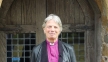
Around 8.40am this morning a small group emerged from Westminster Abbey. They stood out because of grimy smears of ash on their foreheads as they headed off to their offices or the tube station.
Many Anglican churches hold an "imposition of ashes" service to mark the beginning of Lent on Ash Wednesday. In Westminster Abbey it is particularly traditional, with the liturgy inviting congregants to "take to heart the call to repentance and the assurance of forgivenesses proclaimed in the gospel, and so grow in faith and in devotion to our Lord".
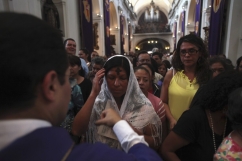
During the service participants are invited forward and ashes in a sign of the cross are marked on their foreheads. Beforehand the ashes are blessed to be "a sign of our penitence and a symbol of our mortality; for it is by your grace alone that we receive eternal life in our Savour Jesus Christ".
"Remember that you are dust, and to dust you shall return," the priest says as he marks each individual.
"Turn away from sin and be faithful to Christ."
Bizarre? Antiquated? Out of touch? Certainly some of the looks the ash-marked group received as they left the Abbey suggested members of the public consider the ritual strange.
But there is a real power and significance to the words spoken in that small corner chapel of Westminster Abbey this morning.
The same or similar words will be spoken in thousands of churches worldwide today, and have been said across the centuries to mark the "season of penitence and fasting".
Today in London, I felt a real sense of communion and fellowship with Christians in every place and time as the liturgy ebbed and flowed and the congregation responded to the priest's words.
As well as this togetherness, there was also a sense of longevity and commitment to the service. Everyone, regardless of their emotional or spiritual state, joined together to praise, repent and "proclaim the Lord's death until he comes".
This act of worship is not dependent on us or how we are feeling. It does not waver according to how well life is going. Instead it is entirely focused on God and what he has done.
The Anglican and Catholic liturgical format has faced criticism for being rigid and unaccommodating. But the great strength and beauty of it is that it draws our attention off ourselves and onto Him. Rather than worshipping when we feel like it, liturgy gives us the discipline to worship through pain and difficulty. In all the uncertainty of life, the rigidity of the service and its focus on God is a great comfort.
This longevity and commitment to God is particularly apparent in the imposition of ashes. To conclude the service the priest blesses the congregation and they leave, carrying the mark of the cross in ash on their foreheads. This symbol of penitence and reminder of mortality leaves no room for sentimentality. It is stark and in many ways uncomfortable. Yet it also carries a great comfort. As is prayed during the service, God hates nothing that he has made and forgives the sins of all those who are penitent.