
Millions who fled Zimbabwe amid its economic collapse blame President Robert Mugabe, but their inability to vote in elections this month may boost his chances to stay in power.
Opposition figures, who pose Mugabe's biggest electoral challenge yet, have urged them to return to be entitled to vote in the March 29 polls, but few are likely to.
An estimated 3.5 million have fled Zimbabwe to neighbouring South Africa and other countries, some risking their lives to make the trip illegally. They are unwilling to sacrifice everything to return.
Their families have also come to rely on money they send home to Zimbabwe, where economic meltdown with inflation over 100,000 percent partly caused the exodus.
"I wish I could go home and vote, but I risked too much coming here to go back," said 18-year-old Sibusisiwe Dube, who would have qualified to vote for the first time this year.
Now working as a childminder in an upmarket Johannesburg suburb, as a 16-year-old seeking a better life she braved crocodiles to cross the Limpopo river into South Africa.
Zimbabwe opposition leaders Simba Makoni, a former finance minister, and Morgan Tsvangirai, head of the Movement for Democratic Change (MDC), would expect strong support to oust Mugabe among those who fled abroad.
"Many of you are in the diaspora because you have seen home turn into hell... You have the opportunity to change this," Makoni urges in a newspaper advertisement carried by South African newspapers over the last few weeks.
"Every vote counts, so please come home and let your voice be heard."
Analysts say the bulk of Zimbabweans who left the country in the last eight years blame Mugabe's ruling ZANU-PF for their country's economic crisis, and would most likely vote against it in the presidential, parliamentary and council polls.
But the country's laws bar citizens from voting outside the country's borders, save for those on national duty - and many are in no position to make the trip home to cast their ballot.
Dube has no inclination to return to her village near Zimbabwe's border with South Africa after leaving in search of work in 2006.
Her employer in South Africa was willing to give her the job for minimum pay, but has warned Dube she is on her own if the immigration authorities catch up with her.
HELPING THOSE BACK HOME
Dube often sends money and groceries home to her grandmother and two younger siblings, orphaned by HIV/AIDS, using informal couriers who charge around 150 rand (about 9 pounds) to ferry a large bag laden with maize meal, soap, cooking oil, salt and other basic commodities now unaffordable for many in Zimbabwe.
"We (also) get a lot of people sending money, almost every week. So there's always business," said Itai, a cross border trader who operates from a long-distance bus terminal in central Johannesburg.
The station is always teeming with Zimbabweans loading goods including food, furniture and electrical appliances destined for relatives back home.
London-based radio broadcaster Tererai Karimakwenda believes that Zimbabweans in the "diaspora" have inadvertently helped Mugabe stay in power by keeping families back home afloat and averting angry riots that might otherwise ensue.
"In an indirect way it is probably propping up the Mugabe regime. But what do you do? It is the lesser of two evils," said Karimakwenda, who has been in England for six years and himself sends money home to his elderly parents every month.
"The money, food and medicines being sent back is literally keeping people alive."
Karimakwenda works for SW Radio Africa, a radio station staffed by exiled Zimbabweans which broadcasts material critical of Mugabe's government from north London into the African country.
Enterprising Zimbabweans have set up Internet-based companies through which those abroad can pay for basic groceries to be delivered to cash-strapped family back home from some of the country's supermarkets.
Johannesburg-based NowFuel enables Zimbabweans to pay for fuel in South Africa, which family and friends can then access from selected garages back home through a coupon-redemption system.
Like many Zimbabweans forced out of their country by political tension or the economic meltdown or both, Karimakwenda would go back if things improved, but fears many will never return, costing the country valuable skilled labour.
49% OFF
MANSPOT Electric Pubic Hair Trimmer - Waterproof Body and Groin Shaver for Men and Women (Black)
$20.39 $40
25% OFF
Lick-Safe Dog Paw and Nose Balm Stick - All-Natural Moisturizer with Coconut Oil for Dry, Cracked Pads and Snout
$11.69 $15.59
77% OFF
Men's Quick Dry Moisture Wicking Polo Shirt - High Elasticity Slim Fit Athletic Top (Runs Small)
$6.99 $29.99
46% OFF
Men's Running Shorts with Zipper Pockets - Lightweight, Quick-Dry, Multi-Sport
$12.95 $23.99
50% OFF
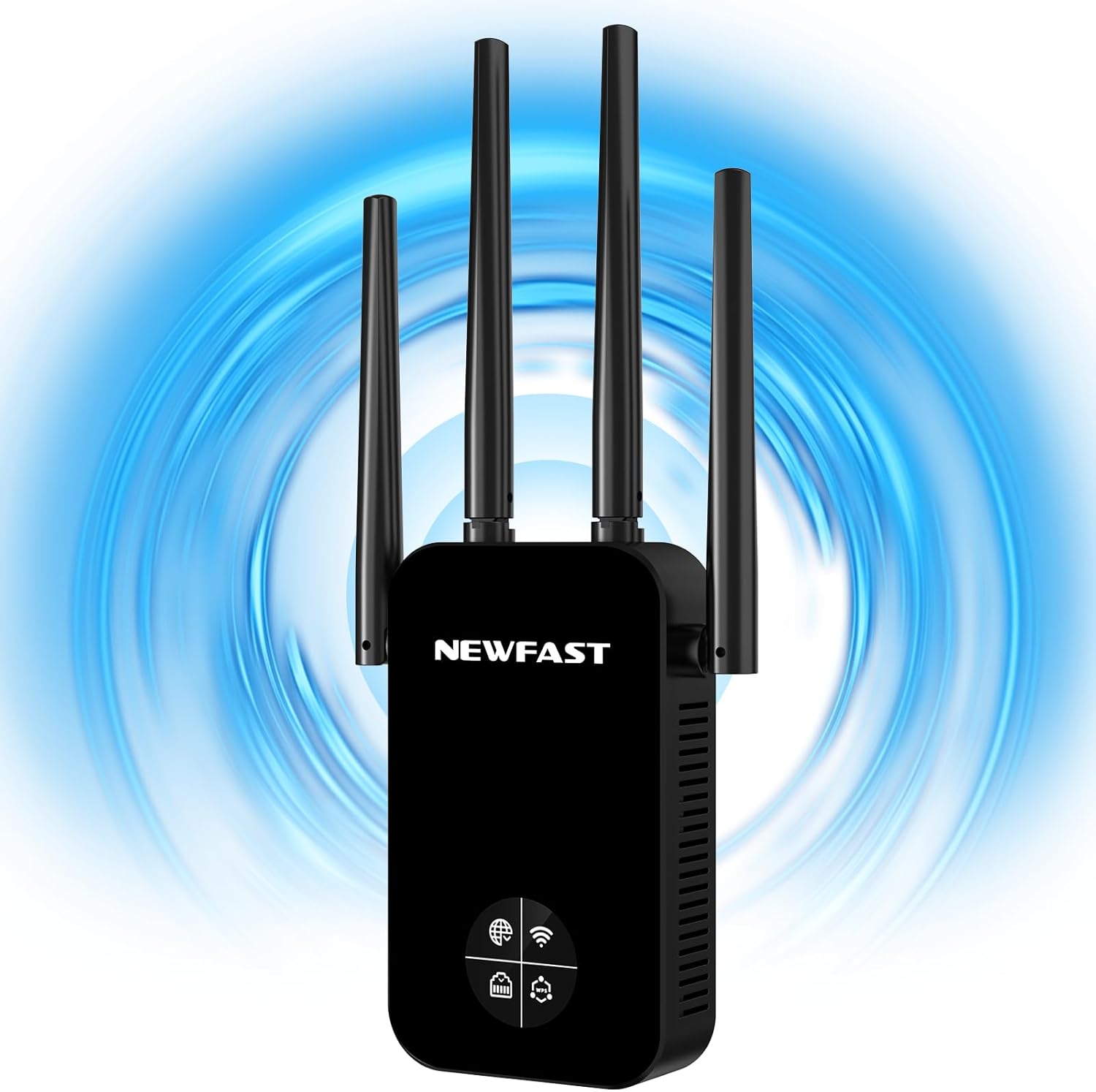
NEWFAST NF-RE523 AC1200 WiFi Extender - 1200Mbps Dual Band Signal Booster & Internet Repeater
$18.5 $36.99
48% OFF
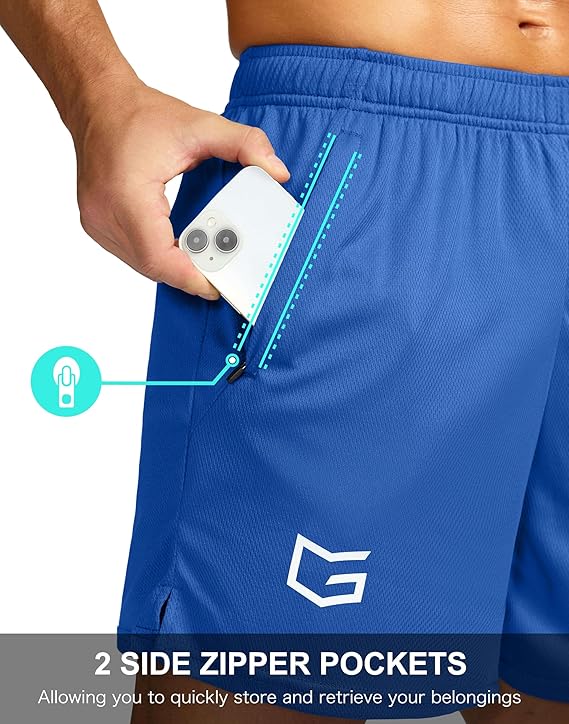
G Gradual Men's 7-inch Workout Running Shorts - Lightweight, Quick-Dry, Comfort
$12.91 $24.99
30% OFF
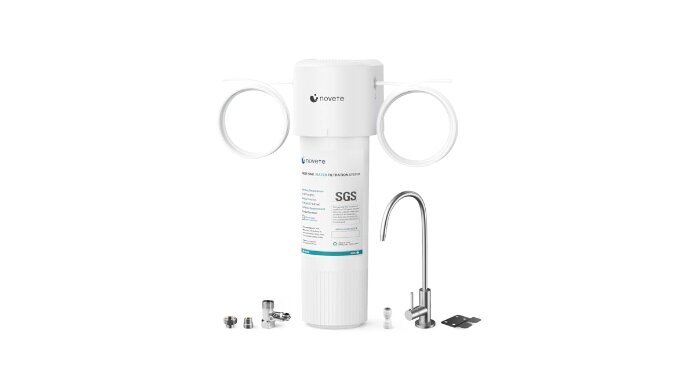
NOVETE Under Sink Water Filter - 3 Years, 30,000 Gallons, High-Efficiency Filtration
$41.99 $59.99
50% OFF

HDPE All-Weather Adirondack Chair with Built-In Cup Holder - Tool-Free Assembly (Grey)
$69.99 $139.99
60% OFF

HOMETUK Clear Plastic Storage Bins with Dividers - 3-Pack Stackable Acrylic Organizer Containers for Fridge and Pantry
$19.99 $49.99
58% OFF

G Gradual Men's Fishing Shirt - UPF 50+ Lightweight Short Sleeve Button Down with Zipper Pockets
$14.99 $35.99
55% OFF

Everyfun 60" Rectangular Platform Tree Swing - 700lbs Heavy Duty Adjustable Outdoor Swing (Colorful)
$49.99 $110.99
61% OFF

Ekouaer Women's Casual Loose Jumpsuit - One-Piece Printed Sleeveless Wide Leg Romper with Pockets
$14.99 $37.99
36% OFF

Men's Athletic Running Shorts with Zipper Pockets - Lightweight & Quick Dry
$12.74 $19.99
61% OFF

Modern Ceiling Fan with Light and Remote - Reversible Quiet DC Motor
$69.3 $179.99
50% OFF

MOOKA H13 True HEPA Air Purifier for Home Large Room - 1076 sq ft Odor Eliminator
$39.97 $79.95
40% OFF
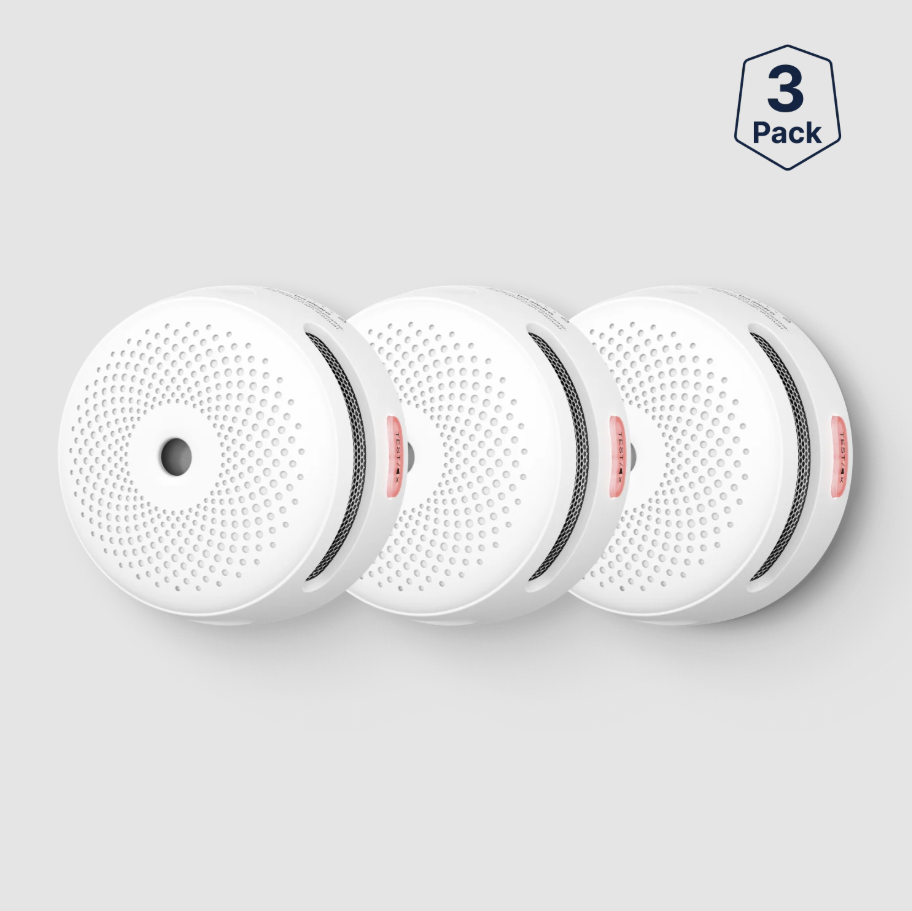
X-Sense XS01-WX Smart Smoke Alarm - 2.4 GHz Wi-Fi Photoelectric Fire Detector with Mobile App Alerts
$65.99 $109.99
11% OFF

VitaUp Beet Root Gummies with CoQ10 & Grape Seed - Nitric Oxide Circulation Support (60 Count)
$24.91 $27.91

Sealy 2-Pack Tritech 16" Twin Inflatable Air Mattress with Built-in AC Pump
$0 $113.99
20% OFF

INTEX Prism Frame 20ft x 52in Above Ground Pool Set - Round Steel Frame Swimming Pool
$695.99 $869.99

Gardner Pet 43" Heavy Duty Dog Crate with Wheels - Indestructible Folding Metal Cage (Black)
$0 $149.99




-

Diary of a CEO’s Steven Bartlett and John Lennox discuss AI, faith and the search for meaning
-

Belfast churches 'heartbroken' over unrest
-

Is there a two-tier Britain?
-

Churches must disciple well and listen well in response to rise of Christian nationalism
-

Biblical models and the creation of King Arthur
-

Welsh reverend speaks of culture of fear over LGBT issues
Most Popular
News

Gloucester churches come together to bless River Avon amid pollution concerns
It is part of a broader campaign against river pollution as concerns remain about the amount of untreated sewage in the Avon.

Life beyond burnout: how Christians can grow in the desert seasons
Christian Today speaks to author and Anglican priest Tish Harrison Warren about growth in desert seasons and why the Church shouldn’t treat all spiritual weariness as a problem to fix.

Iranian-born bishop stands in solidarity with Britain's Jews
2025 had the second highest number of antisemitic incidents on record.

Bishops protest Israeli arrest of another Palestinian Christian
An Evangelical Lutheran has been accused of "promoting terrorist activities".
MANSPOT Electric Pubic Hair Trimmer - Waterproof Body and Groin Shaver for Men and Women (Black)
$20.39
Lick-Safe Dog Paw and Nose Balm Stick - All-Natural Moisturizer with Coconut Oil for Dry, Cracked Pads and Snout
$11.69
Men's Quick Dry Moisture Wicking Polo Shirt - High Elasticity Slim Fit Athletic Top (Runs Small)
$6.99
Men's Running Shorts with Zipper Pockets - Lightweight, Quick-Dry, Multi-Sport
$12.95
NEWFAST NF-RE523 AC1200 WiFi Extender - 1200Mbps Dual Band Signal Booster & Internet Repeater
$18.5
G Gradual Men's 7-inch Workout Running Shorts - Lightweight, Quick-Dry, Comfort
$12.91
NOVETE Under Sink Water Filter - 3 Years, 30,000 Gallons, High-Efficiency Filtration
$41.99
HDPE All-Weather Adirondack Chair with Built-In Cup Holder - Tool-Free Assembly (Grey)
$69.99
HOMETUK Clear Plastic Storage Bins with Dividers - 3-Pack Stackable Acrylic Organizer Containers for Fridge and Pantry
$19.99
G Gradual Men's Fishing Shirt - UPF 50+ Lightweight Short Sleeve Button Down with Zipper Pockets
$14.99
Everyfun 60" Rectangular Platform Tree Swing - 700lbs Heavy Duty Adjustable Outdoor Swing (Colorful)
$49.99
Ekouaer Women's Casual Loose Jumpsuit - One-Piece Printed Sleeveless Wide Leg Romper with Pockets
$14.99
Men's Athletic Running Shorts with Zipper Pockets - Lightweight & Quick Dry
$12.74
Modern Ceiling Fan with Light and Remote - Reversible Quiet DC Motor
$69.3
MOOKA H13 True HEPA Air Purifier for Home Large Room - 1076 sq ft Odor Eliminator
$39.97
X-Sense XS01-WX Smart Smoke Alarm - 2.4 GHz Wi-Fi Photoelectric Fire Detector with Mobile App Alerts
$65.99
VitaUp Beet Root Gummies with CoQ10 & Grape Seed - Nitric Oxide Circulation Support (60 Count)
$24.91
Sealy 2-Pack Tritech 16" Twin Inflatable Air Mattress with Built-in AC Pump
$0
INTEX Prism Frame 20ft x 52in Above Ground Pool Set - Round Steel Frame Swimming Pool
$695.99
Gardner Pet 43" Heavy Duty Dog Crate with Wheels - Indestructible Folding Metal Cage (Black)
$0