
Seen a goat or sheep on the tube recently? Then it was probably in an advert asking you to buy one from the Christmas catalogue of a charity like World Vision and Christian Aid, currently offering goats, sheep, chickens and more in support of the neediest countries. But critics have claimed that buying animals is doing more harm than good.
The World Land Trust and Animal Aid said it was simply "madness" to send farm animals to areas where they will add to the problems of drought and desertification, as they will spread disease, damage the environment and wipe out vital water supplies.
John Burton, director of the trust, said: "I was prepared to put this down to ignorance of the issues last year, but now it seems utterly cynical. They seem to be doing this just to make money at Christmas. It's a gimmick."
He added: "The goat campaign may be a pleasing gift and a short term fix for milk and meat for a few individuals but in the long-term the quality of life for these people will slowly be reduced with devastating effect."
Animal Aid claims that six chickens, costing £11 and bought as a Christmas present for a friend, will heighten the disease risk and severely damage the local habitat.
Two goats, purchased for £125, can reduce the amount of farmland available to local people and result in villages becoming deserted while a cow, priced at £750, will drink up to 90 litres of water every single day.
"At Christmas time, people are desperate to make a gesture that will benefit the world's most vulnerable communities, if only to make us feel better about the relative great wealth the majority of us in the developed world enjoy," said Andrew Tyler, director of Animal Aid.
"But while donating animals might make the donor feel good, such gifts simply add to the burden of the impoverished recipients. There are many worthwhile initiatives to help people in developing countries that do not involve the exploitation of animals.
"We urge the public this year to boycott all donate-an-animal schemes and support projects that actually help people, animals and the environment. These schemes are not a good thing."
Animal Aid, which was formed in 1977 to campaign against all forms of animal abuse, claims that the various charities raise up to £10 million every year but routinely ignore the damage they are causing.
They accused aid agencies like Oxfam and World Vision of creating a much wider problem and being 'quick to spot a marketing opportunity'.
"All farmed animals require proper nourishment, large quantities of water, shelter from extremes of weather and veterinary care. Such resources are in critically short supply in much of Africa," added Mr Tyler.
But last night officials at the aid agencies named by the World Land Trust and Animal Aid insisted that its critics had simply misunderstood the schemes. They also said that while Animal Aid sold organic chocolates and wines the trust offered people the chance to preserve an acre of rainforest.
A spokesman for Oxfam said: "We strongly dispute these claims by Animal Aid and the World Land Trust. We work closely with the communities where we have worked for over 60 years to provide them with exactly what they need to lift themselves out of poverty.
"If you were to go to a village in Africa and ask the people what kind of difference these Christmas gifts make to their lives they would tell you that it makes a world of difference."
A Christian Aid spokeswoman said: "We work with local organisations on the ground who know the needs of the community better than anyone else. We don't just distribute hundreds of cows.
"We work with communities where there is enough water for the cows to drink and where the benefits are sufficient enough for them to drink the water. In terms of the risk of disease posed by chickens we make sure that proper veterinary advice is taken before we do anything."
"It is about what is most appropriate in each country at that time. There is a huge appetite for ethical gifts - it has trebled in the last three years."
49% OFF
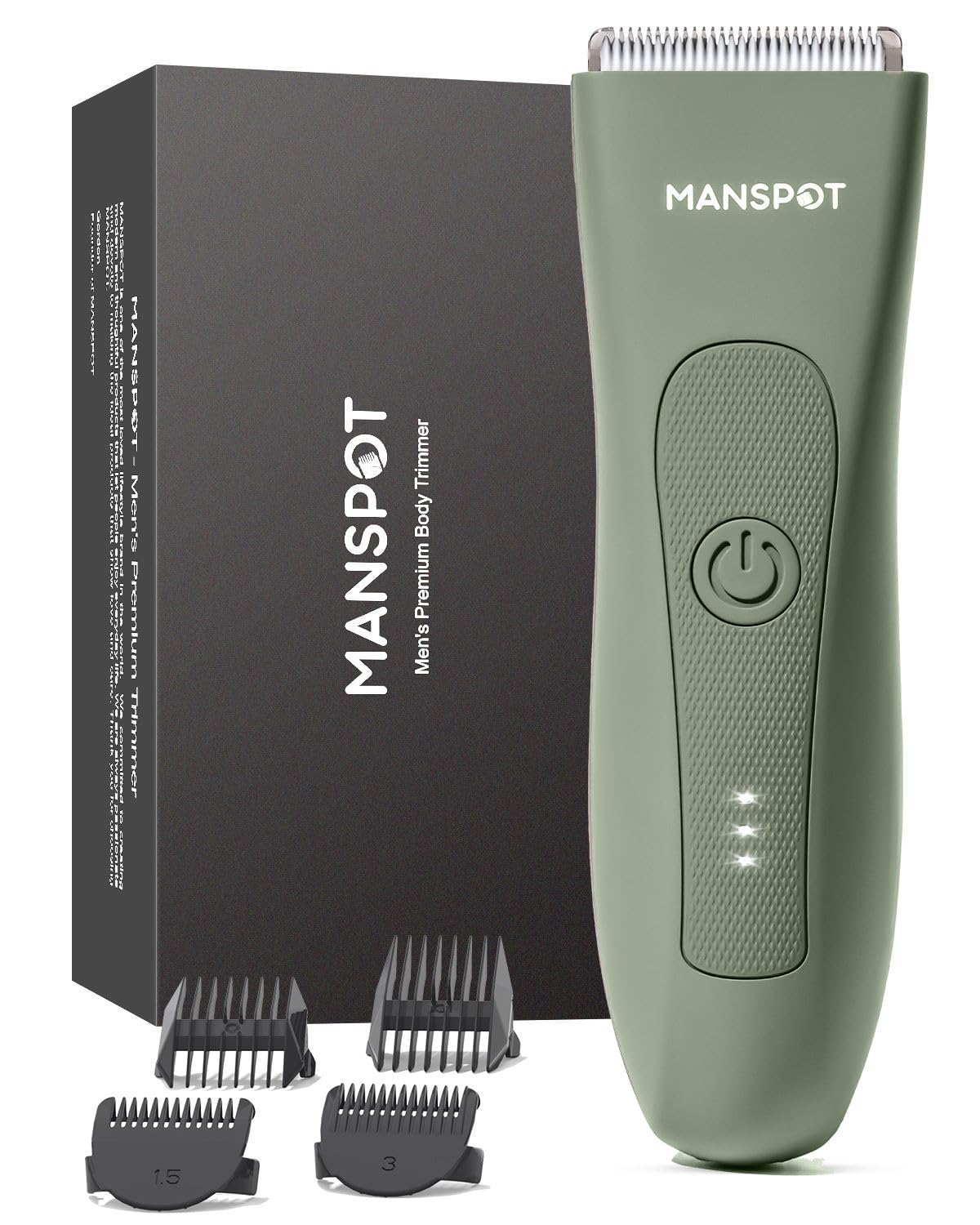
MANSPOT Electric Pubic Hair Trimmer - Waterproof Body and Groin Shaver for Men and Women (Black)
$20.39 $40
25% OFF
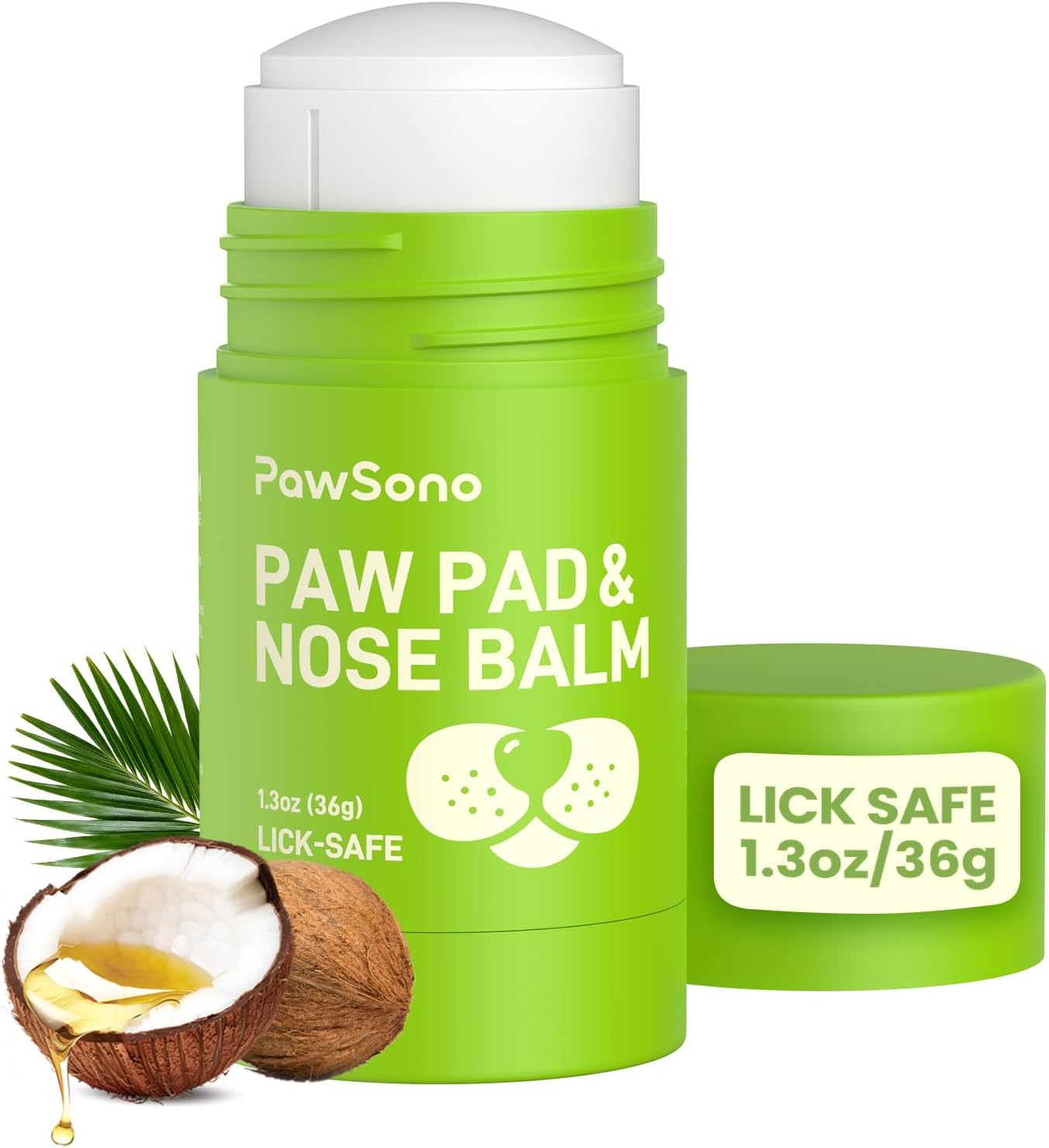
Lick-Safe Dog Paw and Nose Balm Stick - All-Natural Moisturizer with Coconut Oil for Dry, Cracked Pads and Snout
$11.69 $15.59
77% OFF
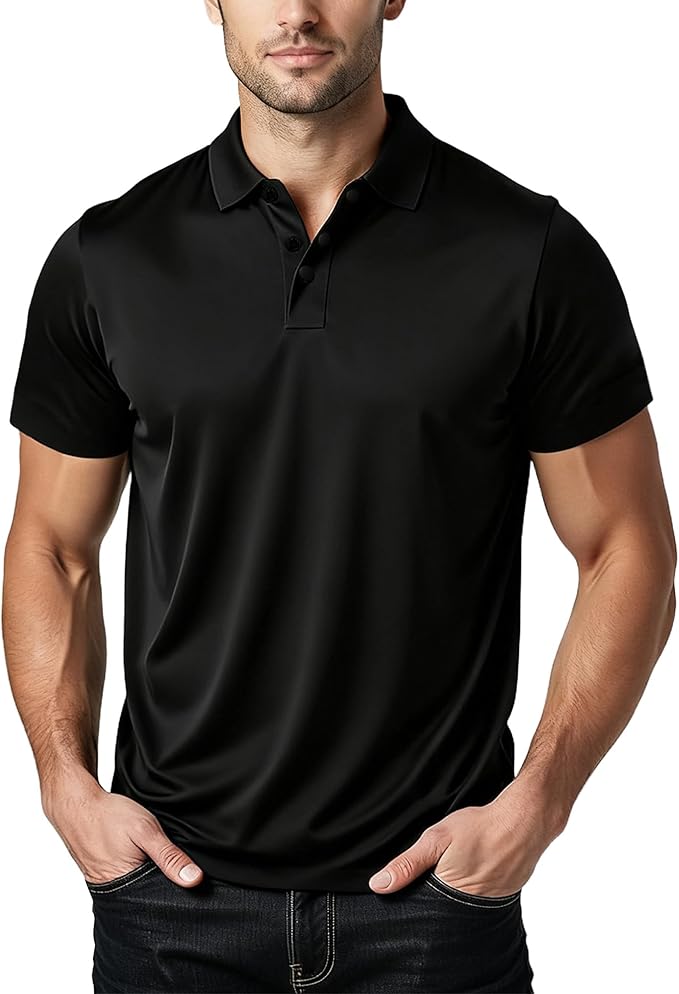
Men's Quick Dry Moisture Wicking Polo Shirt - High Elasticity Slim Fit Athletic Top (Runs Small)
$6.99 $29.99
46% OFF
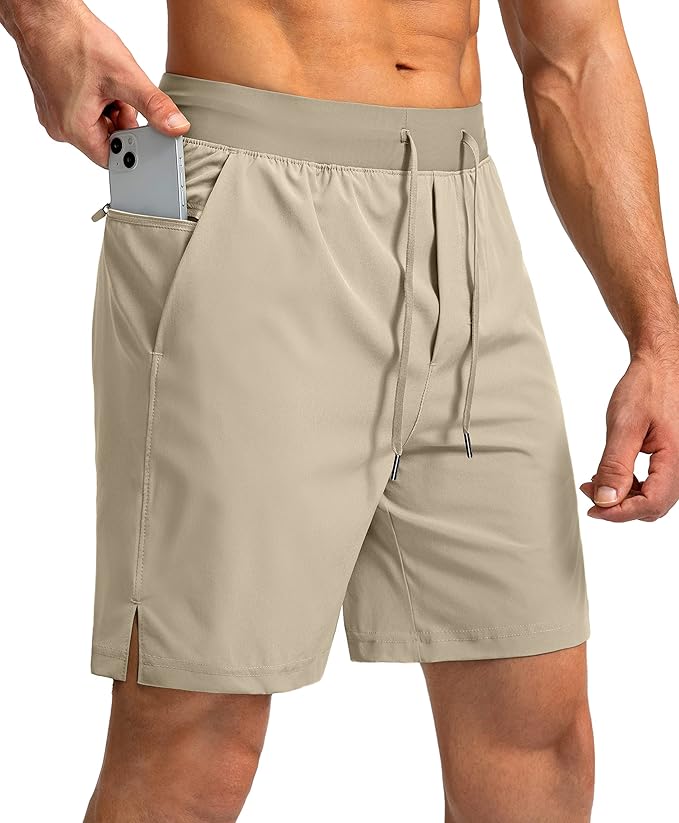
Men's Running Shorts with Zipper Pockets - Lightweight, Quick-Dry, Multi-Sport
$12.95 $23.99
50% OFF

NEWFAST NF-RE523 AC1200 WiFi Extender - 1200Mbps Dual Band Signal Booster & Internet Repeater
$18.5 $36.99
48% OFF
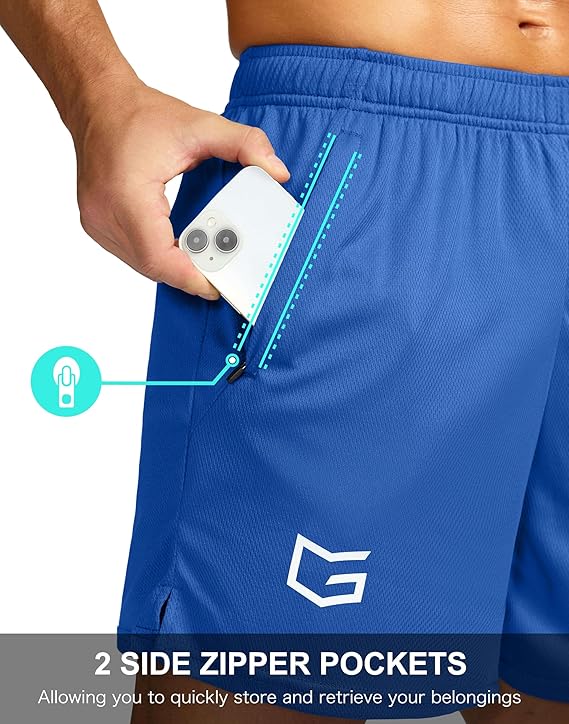
G Gradual Men's 7-inch Workout Running Shorts - Lightweight, Quick-Dry, Comfort
$12.91 $24.99
30% OFF
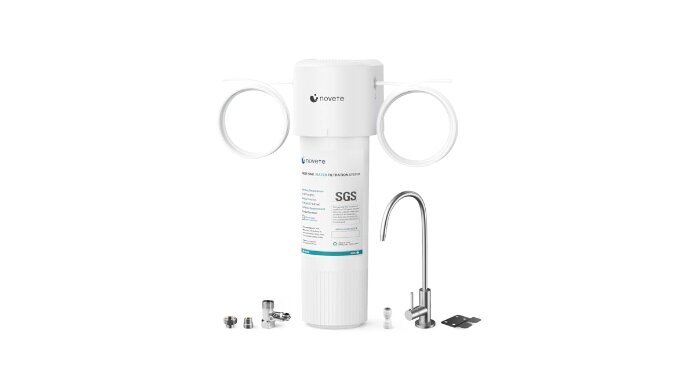
NOVETE Under Sink Water Filter - 3 Years, 30,000 Gallons, High-Efficiency Filtration
$41.99 $59.99
50% OFF

HDPE All-Weather Adirondack Chair with Built-In Cup Holder - Tool-Free Assembly (Grey)
$69.99 $139.99
60% OFF

HOMETUK Clear Plastic Storage Bins with Dividers - 3-Pack Stackable Acrylic Organizer Containers for Fridge and Pantry
$19.99 $49.99
58% OFF

G Gradual Men's Fishing Shirt - UPF 50+ Lightweight Short Sleeve Button Down with Zipper Pockets
$14.99 $35.99
55% OFF

Everyfun 60" Rectangular Platform Tree Swing - 700lbs Heavy Duty Adjustable Outdoor Swing (Colorful)
$49.99 $110.99
61% OFF

Ekouaer Women's Casual Loose Jumpsuit - One-Piece Printed Sleeveless Wide Leg Romper with Pockets
$14.99 $37.99
36% OFF

Men's Athletic Running Shorts with Zipper Pockets - Lightweight & Quick Dry
$12.74 $19.99
61% OFF

Modern Ceiling Fan with Light and Remote - Reversible Quiet DC Motor
$69.3 $179.99
50% OFF

MOOKA H13 True HEPA Air Purifier for Home Large Room - 1076 sq ft Odor Eliminator
$39.97 $79.95
40% OFF
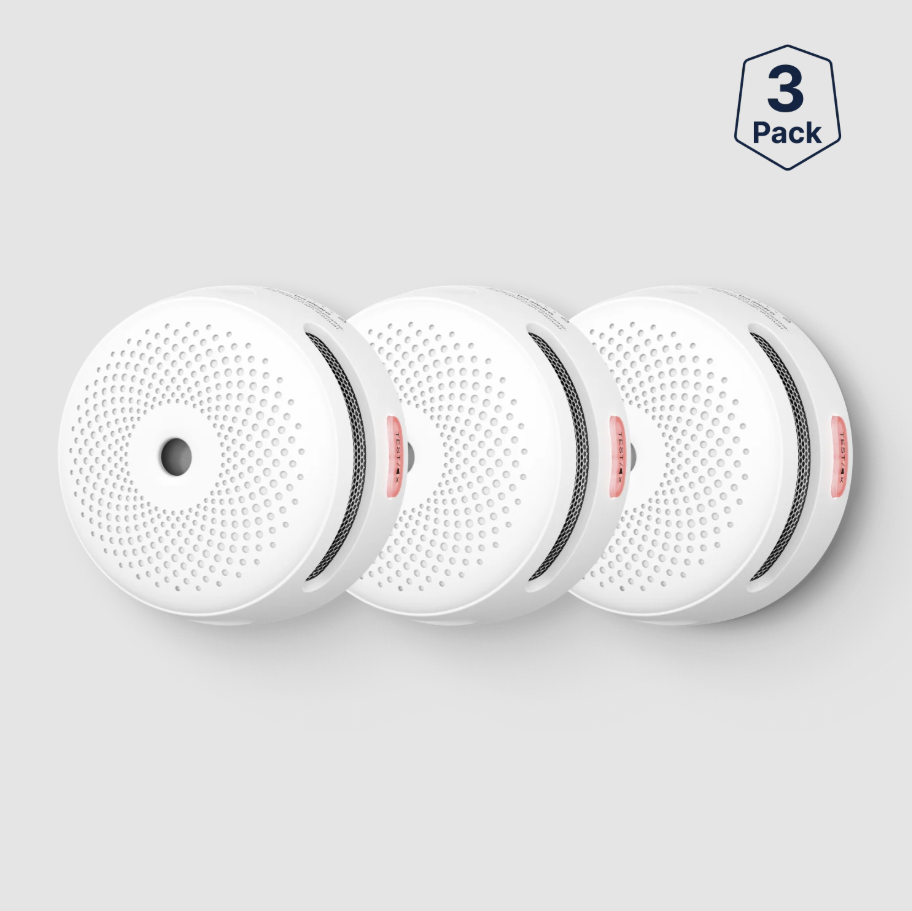
X-Sense XS01-WX Smart Smoke Alarm - 2.4 GHz Wi-Fi Photoelectric Fire Detector with Mobile App Alerts
$65.99 $109.99
11% OFF

VitaUp Beet Root Gummies with CoQ10 & Grape Seed - Nitric Oxide Circulation Support (60 Count)
$24.91 $27.91

Sealy 2-Pack Tritech 16" Twin Inflatable Air Mattress with Built-in AC Pump
$0 $113.99
20% OFF

INTEX Prism Frame 20ft x 52in Above Ground Pool Set - Round Steel Frame Swimming Pool
$695.99 $869.99

Gardner Pet 43" Heavy Duty Dog Crate with Wheels - Indestructible Folding Metal Cage (Black)
$0 $149.99




-

Diary of a CEO’s Steven Bartlett and John Lennox discuss AI, faith and the search for meaning
-

Belfast churches 'heartbroken' over unrest
-

Is there a two-tier Britain?
-

Churches must disciple well and listen well in response to rise of Christian nationalism
-

Biblical models and the creation of King Arthur
-

Welsh reverend speaks of culture of fear over LGBT issues
Most Popular
related articles
Goats and Chickens as Christmas Gifts?!
Goats and Chickens as Christmas Gifts?!
Christian Aid Prepares to Tackle Global Poverty with the 'Multiplier'
Christian Aid Prepares to Tackle Global Poverty with the 'Multiplier'
World Vision Readies for Christmas Spirit
World Vision Readies for Christmas Spirit
News

Gloucester churches come together to bless River Avon amid pollution concerns
It is part of a broader campaign against river pollution as concerns remain about the amount of untreated sewage in the Avon.

Life beyond burnout: how Christians can grow in the desert seasons
Christian Today speaks to author and Anglican priest Tish Harrison Warren about growth in desert seasons and why the Church shouldn’t treat all spiritual weariness as a problem to fix.

Iranian-born bishop stands in solidarity with Britain's Jews
2025 had the second highest number of antisemitic incidents on record.

Bishops protest Israeli arrest of another Palestinian Christian
An Evangelical Lutheran has been accused of "promoting terrorist activities".
MANSPOT Electric Pubic Hair Trimmer - Waterproof Body and Groin Shaver for Men and Women (Black)
$20.39
Lick-Safe Dog Paw and Nose Balm Stick - All-Natural Moisturizer with Coconut Oil for Dry, Cracked Pads and Snout
$11.69
Men's Quick Dry Moisture Wicking Polo Shirt - High Elasticity Slim Fit Athletic Top (Runs Small)
$6.99
Men's Running Shorts with Zipper Pockets - Lightweight, Quick-Dry, Multi-Sport
$12.95
NEWFAST NF-RE523 AC1200 WiFi Extender - 1200Mbps Dual Band Signal Booster & Internet Repeater
$18.5
G Gradual Men's 7-inch Workout Running Shorts - Lightweight, Quick-Dry, Comfort
$12.91
NOVETE Under Sink Water Filter - 3 Years, 30,000 Gallons, High-Efficiency Filtration
$41.99
HDPE All-Weather Adirondack Chair with Built-In Cup Holder - Tool-Free Assembly (Grey)
$69.99
HOMETUK Clear Plastic Storage Bins with Dividers - 3-Pack Stackable Acrylic Organizer Containers for Fridge and Pantry
$19.99
G Gradual Men's Fishing Shirt - UPF 50+ Lightweight Short Sleeve Button Down with Zipper Pockets
$14.99
Everyfun 60" Rectangular Platform Tree Swing - 700lbs Heavy Duty Adjustable Outdoor Swing (Colorful)
$49.99
Ekouaer Women's Casual Loose Jumpsuit - One-Piece Printed Sleeveless Wide Leg Romper with Pockets
$14.99
Men's Athletic Running Shorts with Zipper Pockets - Lightweight & Quick Dry
$12.74
Modern Ceiling Fan with Light and Remote - Reversible Quiet DC Motor
$69.3
MOOKA H13 True HEPA Air Purifier for Home Large Room - 1076 sq ft Odor Eliminator
$39.97
X-Sense XS01-WX Smart Smoke Alarm - 2.4 GHz Wi-Fi Photoelectric Fire Detector with Mobile App Alerts
$65.99
VitaUp Beet Root Gummies with CoQ10 & Grape Seed - Nitric Oxide Circulation Support (60 Count)
$24.91
Sealy 2-Pack Tritech 16" Twin Inflatable Air Mattress with Built-in AC Pump
$0
INTEX Prism Frame 20ft x 52in Above Ground Pool Set - Round Steel Frame Swimming Pool
$695.99
Gardner Pet 43" Heavy Duty Dog Crate with Wheels - Indestructible Folding Metal Cage (Black)
$0