
|PIC1|Last week we announced we are moving our UK training operation to Rugby in
Warwickshire. The decision to move UK training to Warwickshire is part of a new strategy we are embarking on to ensure we train more students and impact more nations this century than would have been otherwise possible. Our previous strategy focused on training all our students on one campus, the Bible College of Wales (BCW), established by Rees Howells in 1924.
For us, the old strategy was flawed. A campus in a poor state of repair, along with the associated costs of running a residential centre, funded predominantly by student fees was no longer viable. In the new world we will share a building with a well established church in Rugby. The training centre – Trinity School of Theology - will be non-residential, designed-for- purpose and rely more on qualified visiting lecturers.
Equally important is the training we will do overseas. We have begun targeting overseas locations where the church is growing rapidly but has very little training resource. Initially we are partnering with a training college in Lusaka, Zambia and a church group of 50,000 Christians in India. The demand for basic theological training by both partners is significant. This year we will train around 150 people through these two partners as well as the 40 or so we will train in the UK.
We wouldn’t want to say we’ve found ‘the’ way forward for UK Bible colleges but simply ‘a’ way forward. We still have many miles to travel and we will have to be prepared to amend our strategy as we go.
We are trying to face into the challenges many UK Bible colleges are facing - challenges that have become even tougher as an economic storm passes overhead. Given we would all like to pass on vibrant, relevant and well run UK Bible colleges to the next generation – what are some of the lessons I have learnt on the journey? All of the following needs to be preceded by prayer – without it we will come up with our own solution.
Firstly - keep close to the core church groups you have relationships with. As well as supplying students and lecturers, the local church and it members represent a key support base we cannot do without. They also help us keep up with the ever changing training needs of the local church.
Secondly - face into the financial and operational realities of your organisation. Financial losses don’t just go away. Make sure you are given reliable and easy to understand financial data and take the rose tinted specs off when reading it. Good stewardship of what we have now goes hand in hand with the faith we need for the future.
Next – watch out for peripheral operations which take up management time and don’t augment the core. There are certain things we are exiting from as a result of the strategic review.
Fourthly - as many UK Bible colleges are already doing, we need to continue pursuing good fund raising strategies to supplement the income. People are rightly selective about where they make their gifts so it is important we demonstrate that our operations are viable.
Next – Christian colleges need to consider partnerships, alliances and in certain cases, mergers. Not only will this result in a better use of scarce resources - the UK church at large will benefit as its future leaders better understand each other having studied with a broader group of students. These are tough things to do and will require us to continue building good relationships with each other.
Sixthly - if you can free up resources to help train the church in the emerging world you will make a big difference. Not all pastors in the emerging world need degrees - some simply need a better understanding of Scripture enabling them to teach and lead their churches more effectively. If we don’t have the financial resources to contribute to this invaluable area, we can at least put ourselves forward as the teaching and resource partner and let someone else bring the finance.
Finally – act – and if necessary be radical! We live in very exciting times. God is sovereign and he will bring many more people to himself this century. The organisations that help the worldwide church in its role of training have a key role to play – both here in the UK and overseas. Let’s rise to the challenge!
Andrew Gray is Operations Director of Global Horizons which currently
runs the Bible College of Wales. He has twenty years of experience in
business and was previously finance director of Boots the Chemist. For more information about the Bible College of Wales' plans for the future, visit
www.global-horizons.org
49% OFF

MANSPOT Electric Pubic Hair Trimmer - Waterproof Body and Groin Shaver for Men and Women (Black)
$20.39 $40
25% OFF

Lick-Safe Dog Paw and Nose Balm Stick - All-Natural Moisturizer with Coconut Oil for Dry, Cracked Pads and Snout
$11.69 $15.59
77% OFF

Men's Quick Dry Moisture Wicking Polo Shirt - High Elasticity Slim Fit Athletic Top (Runs Small)
$6.99 $29.99
46% OFF

Men's Running Shorts with Zipper Pockets - Lightweight, Quick-Dry, Multi-Sport
$12.95 $23.99
50% OFF

NEWFAST NF-RE523 AC1200 WiFi Extender - 1200Mbps Dual Band Signal Booster & Internet Repeater
$18.5 $36.99
48% OFF

G Gradual Men's 7-inch Workout Running Shorts - Lightweight, Quick-Dry, Comfort
$12.91 $24.99
30% OFF
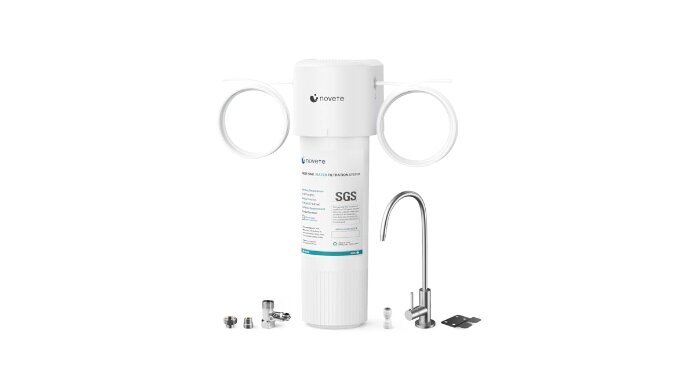
NOVETE Under Sink Water Filter - 3 Years, 30,000 Gallons, High-Efficiency Filtration
$41.99 $59.99
50% OFF

HDPE All-Weather Adirondack Chair with Built-In Cup Holder - Tool-Free Assembly (Grey)
$69.99 $139.99
60% OFF

HOMETUK Clear Plastic Storage Bins with Dividers - 3-Pack Stackable Acrylic Organizer Containers for Fridge and Pantry
$19.99 $49.99
58% OFF

G Gradual Men's Fishing Shirt - UPF 50+ Lightweight Short Sleeve Button Down with Zipper Pockets
$14.99 $35.99
55% OFF

Everyfun 60" Rectangular Platform Tree Swing - 700lbs Heavy Duty Adjustable Outdoor Swing (Colorful)
$49.99 $110.99
61% OFF

Ekouaer Women's Casual Loose Jumpsuit - One-Piece Printed Sleeveless Wide Leg Romper with Pockets
$14.99 $37.99
36% OFF

Men's Athletic Running Shorts with Zipper Pockets - Lightweight & Quick Dry
$12.74 $19.99
61% OFF

Modern Ceiling Fan with Light and Remote - Reversible Quiet DC Motor
$69.3 $179.99
50% OFF

MOOKA H13 True HEPA Air Purifier for Home Large Room - 1076 sq ft Odor Eliminator
$39.97 $79.95
40% OFF
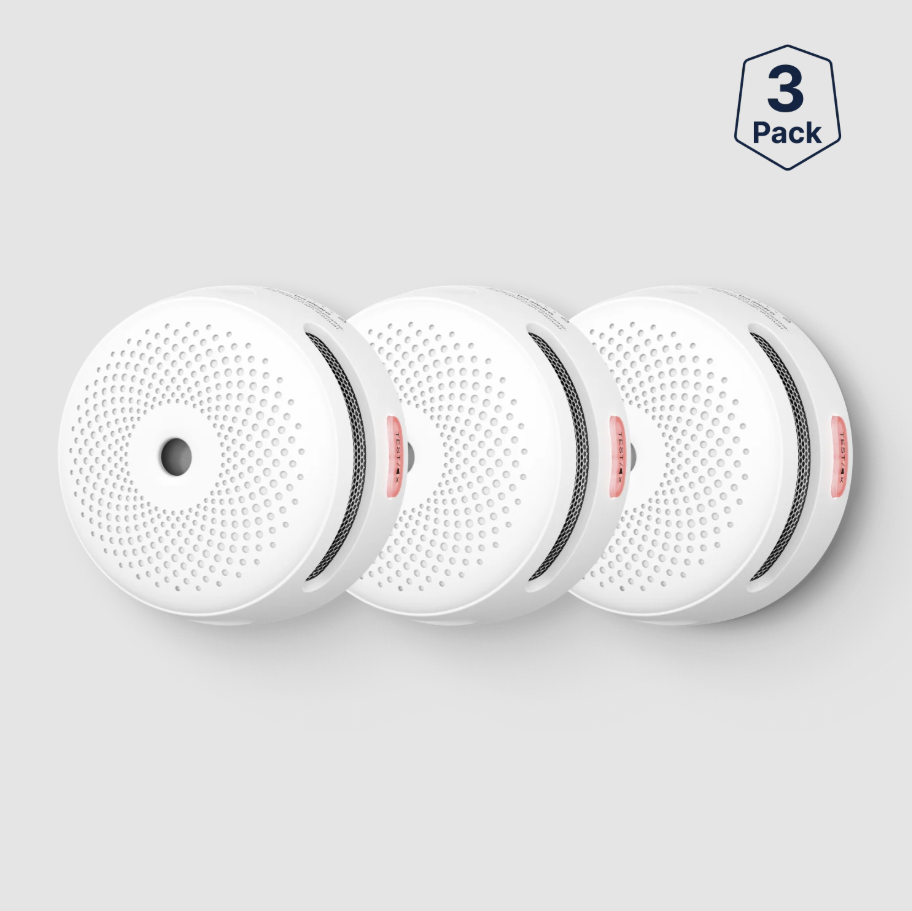
X-Sense XS01-WX Smart Smoke Alarm - 2.4 GHz Wi-Fi Photoelectric Fire Detector with Mobile App Alerts
$65.99 $109.99
11% OFF

VitaUp Beet Root Gummies with CoQ10 & Grape Seed - Nitric Oxide Circulation Support (60 Count)
$24.91 $27.91

Sealy 2-Pack Tritech 16" Twin Inflatable Air Mattress with Built-in AC Pump
$0 $113.99
20% OFF

INTEX Prism Frame 20ft x 52in Above Ground Pool Set - Round Steel Frame Swimming Pool
$695.99 $869.99

Gardner Pet 43" Heavy Duty Dog Crate with Wheels - Indestructible Folding Metal Cage (Black)
$0 $149.99




-

Diary of a CEO’s Steven Bartlett and John Lennox discuss AI, faith and the search for meaning
-

Belfast churches 'heartbroken' over unrest
-

Is there a two-tier Britain?
-

Churches must disciple well and listen well in response to rise of Christian nationalism
-

Welsh reverend speaks of culture of fear over LGBT issues
-

South Wales Police back down on imposing Islamic 'blasphemy law'
Most Popular
News

Anti-Christian hate crimes across Europe surge in May as arson attacks reach 2026 high
Anti-Christian incidents across Europe rose sharply in May, with new figures showing the highest monthly number of arson-related attacks recorded so far this year.

Gloucester churches come together to bless River Avon amid pollution concerns
It is part of a broader campaign against river pollution as concerns remain about the amount of untreated sewage in the Avon.

Life beyond burnout: how Christians can grow in the desert seasons
Christian Today speaks to author and Anglican priest Tish Harrison Warren about growth in desert seasons and why the Church shouldn’t treat all spiritual weariness as a problem to fix.

Iranian-born bishop stands in solidarity with Britain's Jews
2025 had the second highest number of antisemitic incidents on record.
MANSPOT Electric Pubic Hair Trimmer - Waterproof Body and Groin Shaver for Men and Women (Black)
$20.39
Lick-Safe Dog Paw and Nose Balm Stick - All-Natural Moisturizer with Coconut Oil for Dry, Cracked Pads and Snout
$11.69
Men's Quick Dry Moisture Wicking Polo Shirt - High Elasticity Slim Fit Athletic Top (Runs Small)
$6.99
Men's Running Shorts with Zipper Pockets - Lightweight, Quick-Dry, Multi-Sport
$12.95
NEWFAST NF-RE523 AC1200 WiFi Extender - 1200Mbps Dual Band Signal Booster & Internet Repeater
$18.5
G Gradual Men's 7-inch Workout Running Shorts - Lightweight, Quick-Dry, Comfort
$12.91
NOVETE Under Sink Water Filter - 3 Years, 30,000 Gallons, High-Efficiency Filtration
$41.99
HDPE All-Weather Adirondack Chair with Built-In Cup Holder - Tool-Free Assembly (Grey)
$69.99
HOMETUK Clear Plastic Storage Bins with Dividers - 3-Pack Stackable Acrylic Organizer Containers for Fridge and Pantry
$19.99
G Gradual Men's Fishing Shirt - UPF 50+ Lightweight Short Sleeve Button Down with Zipper Pockets
$14.99
Everyfun 60" Rectangular Platform Tree Swing - 700lbs Heavy Duty Adjustable Outdoor Swing (Colorful)
$49.99
Ekouaer Women's Casual Loose Jumpsuit - One-Piece Printed Sleeveless Wide Leg Romper with Pockets
$14.99
Men's Athletic Running Shorts with Zipper Pockets - Lightweight & Quick Dry
$12.74
Modern Ceiling Fan with Light and Remote - Reversible Quiet DC Motor
$69.3
MOOKA H13 True HEPA Air Purifier for Home Large Room - 1076 sq ft Odor Eliminator
$39.97
X-Sense XS01-WX Smart Smoke Alarm - 2.4 GHz Wi-Fi Photoelectric Fire Detector with Mobile App Alerts
$65.99
VitaUp Beet Root Gummies with CoQ10 & Grape Seed - Nitric Oxide Circulation Support (60 Count)
$24.91
Sealy 2-Pack Tritech 16" Twin Inflatable Air Mattress with Built-in AC Pump
$0
INTEX Prism Frame 20ft x 52in Above Ground Pool Set - Round Steel Frame Swimming Pool
$695.99
Gardner Pet 43" Heavy Duty Dog Crate with Wheels - Indestructible Folding Metal Cage (Black)
$0