
|PIC1|Khadija Kagoya, a widow and a mother of six, hails from Busowobi, a village in Uganda's Busoga region about 120 kilometres east of Kampala, whose inhabitants grow maize, cassava and bananas for a livelihood.
Busowobi used to suffer from a lack of sufficient and safe water, and from water-borne diseases. But that was before community members, including Kagoya, got involved in a campaign against water scarcity initiated by the Busoga Trust, an Anglican church-based organisation helping to provide safe water, sanitation and hygiene education in Busoga rural communities.
Visiting the village, participants in a 21-25 May Ecumenical Water Network conference in Entebbe, Uganda, find Kagoya and other women gathered under a mango tree near the village's new water pump.
"We used to get water from a spring down there," explains Kagoya as she points to an area overgrown by bush and grass. "We would often fall sick. My children were never free from diarrhea or dysentery, and I was often afraid. We used to have to walk a long way, but now I just walk a few metres to the pump or send a child. The water is good, and we are happy."
For many years, the only source of safe water for Buwosobi's inhabitants was a borehole on a private property about five kilometres away that was sometimes inaccessible due to the owner's restrictions. When that happened, villagers had to use the traditional well, springs and ponds, and the children frequently fell sick with diarrhoea, dysentery or cholera.
"The open well was subject to contamination, and was also used by animals. There was really a serious need," says Samuel Kiiza, a social scientist working with the Busoga Trust. The Trust began operating with funding from churches and schools in the UK in the 1990s, taking over when changes in government policy on foreign funding ended the operations of a state rural development programme.
|PIC2|At the moment, the Trust is constructing shallow wells and promoting rainwater harvesting at household and institutional levels. It does awareness-raising work on sanitation and hygiene, advises on how best to do advocacy with policy-makers, and carries out hydro-geological surveys and water quality analysis. Community members receive training in the maintenance of wells and other water equipment.
This is an holistic approach to water and sanitation that goes beyond simply drilling wells to include sanitation, health and hygiene education, and training in systems maintenance as well as in advocacy. It takes into account that if water sources are only provided, people are likely to continue to suffer from diarrhea and other water-borne diseases because of contaminated water or inadequate hygiene.
Projects are not sustainable if maintenance of systems is not guaranteed. And since the church is not, and should not be, the main actor responsible for providing and protecting access to water, it is important to share experiences and do advocacy with state authorities and services.
Over the past 20 years, the Trust has constructed and rehabilitated 1800 water sources - including shallow wells, traditional wells, rainwater harvesting structures, springs, and ponds - for nearly 1,530,000 people in communities in the Busoga region. Community members contribute materials, labour and other resources to the projects.
|PIC3|"We ask the community to contribute about 1,200 bricks, several tonnes of gravel, stones and sand," explains Kiiza. "They do the excavation work, provide their own food during the period of the work as well as accommodation for the technicians. The project contributes what is not available, like cement, iron bars and fuel for generators that drain the water," Kiiza says.
Such participation is vital if people are to feel that they really own and are responsible for a project, rather than being dependent on outside institutions. Projects that do not involve the local people in this way often suffer from neglect after completion, not just because the necessary maintenance skills are scarce, but also because the local community feels neither motivated nor empowered to take care of them. Participation should also ensure that local people's needs are adequately reflected in the project right from the start and during the construction.
Near Buwosobi in Nkombe Village, where the water-table will not allow any more wells to be sunk, a 25-member women's group is making Ferro cement tanks to harvest rainwater. In January this year, the Busoga Trust started training the women to construct the tanks themselves.
With climate change aggravating water scarcity and water resources being depleted, it becomes increasingly important to preserve and make best use of the available water resources. Where water tables are already so low that drilling of more wells is either impossible or at least unsustainable, alternatives must be found. Water harvesting is one such alternative; reforestation, watershed management and adjusting agricultural techniques can also improve water availability and quality, contribute to its efficient and sustainable use and lessen drought vulnerability.
In Nkome, each woman contributes a bag of cement, 200 bricks for the foundations, six wheelbarrows of sand and stones, and their labour. Candidates must have a good roof on their houses, and sanitation components including a toilet, a kitchen utensils rack, a hand-washing facility and a rubbish pit.
"The kitchen must also have an energy-saving stove," explains Kiiza. Such stoves help slow down the deforestation that results from firewood collection, and also frees up money, time, and effort that otherwise go into collecting or buying the wood or other fuels.
For many families, meeting these conditions is not easy, given the poverty prevailing in Busoga villages. Community members told the EWN conference participants that they would like more partnerships and more wells. They also dream of venturing into commercial agriculture and small businesses. But water remains their first priority. Participating in the water campaign is thus a way to satisfy this basic need, and to take their destinies into their own hands.
49% OFF
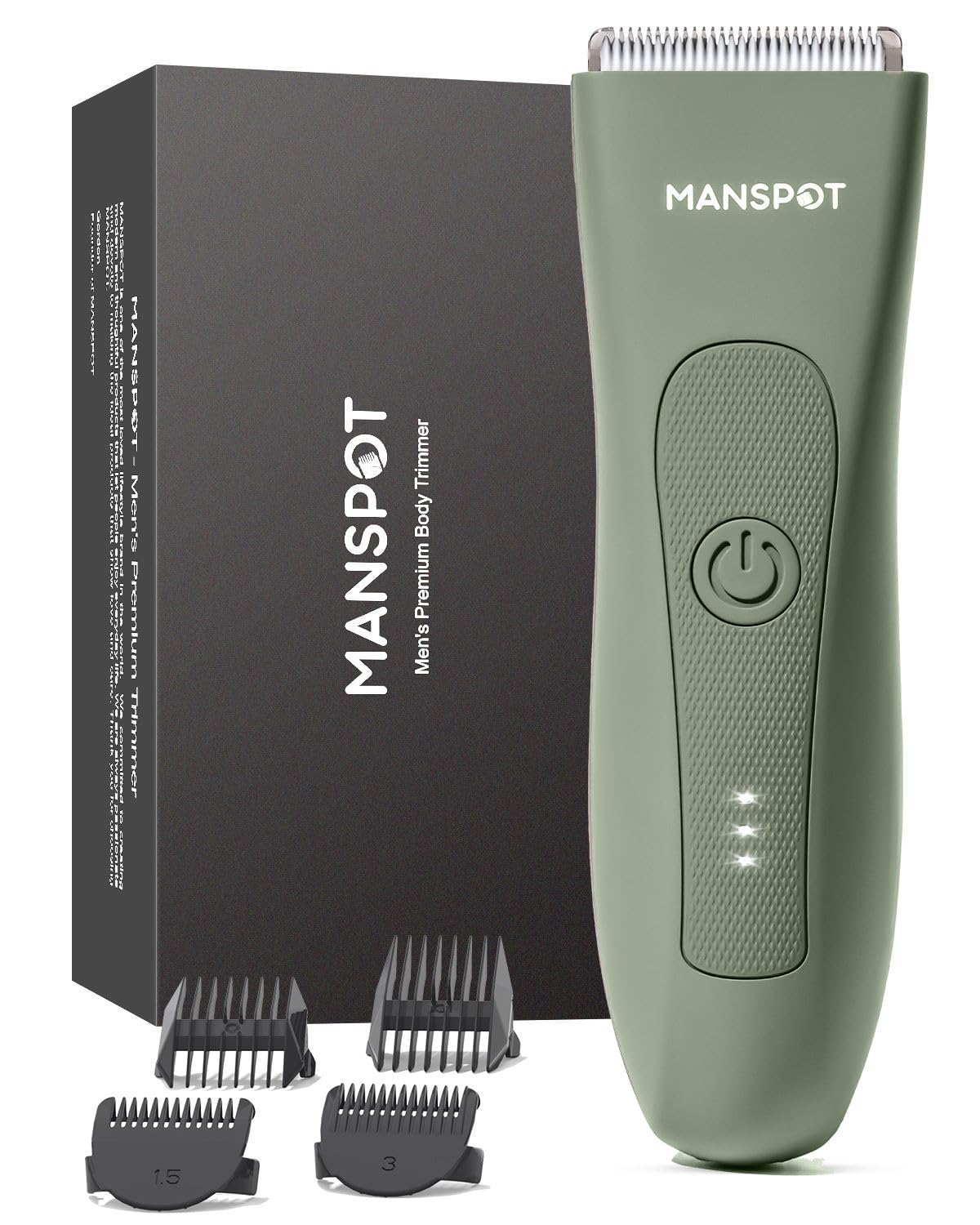
MANSPOT Electric Pubic Hair Trimmer - Waterproof Body and Groin Shaver for Men and Women (Black)
$20.39 $40
25% OFF
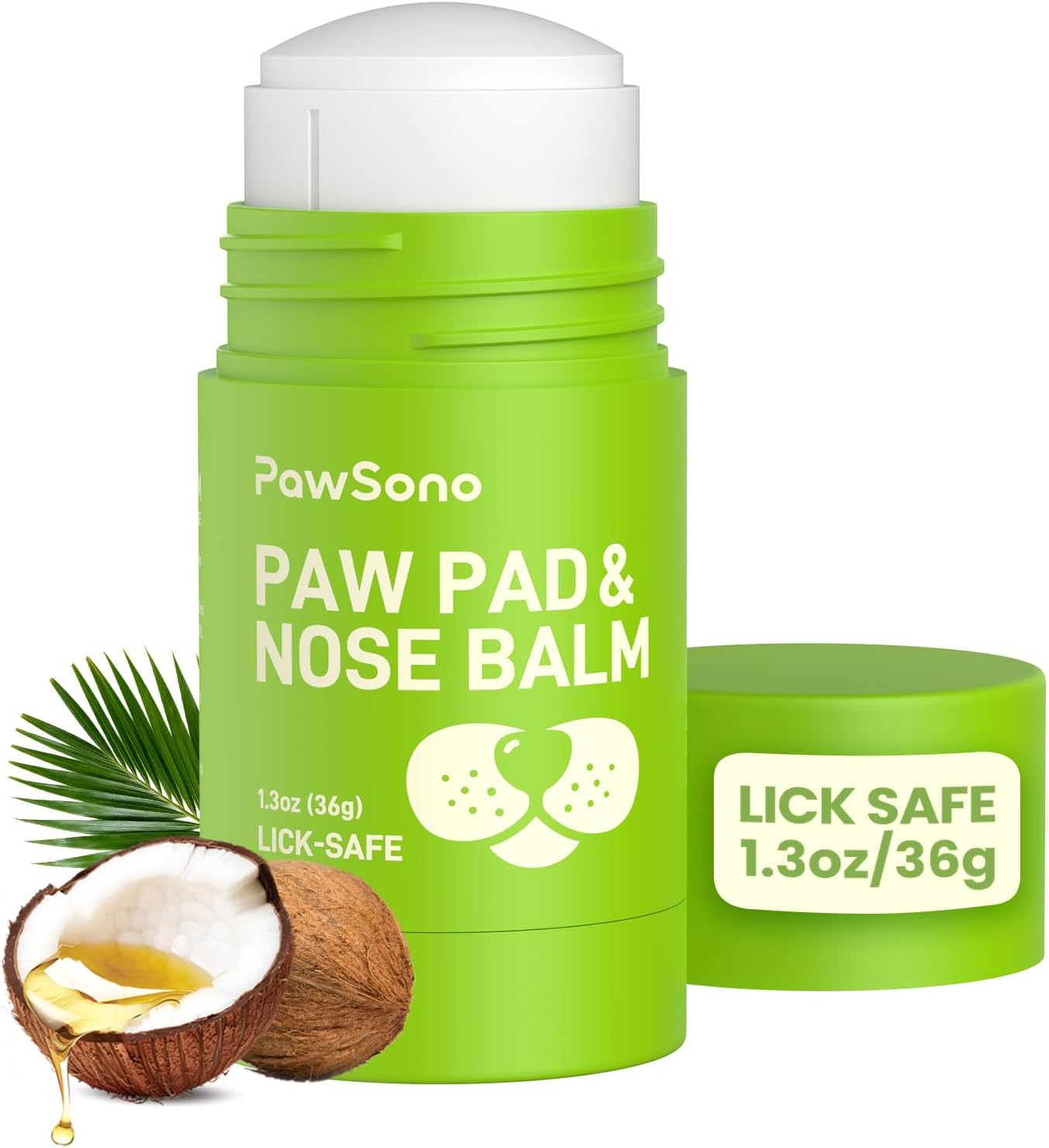
Lick-Safe Dog Paw and Nose Balm Stick - All-Natural Moisturizer with Coconut Oil for Dry, Cracked Pads and Snout
$11.69 $15.59
77% OFF
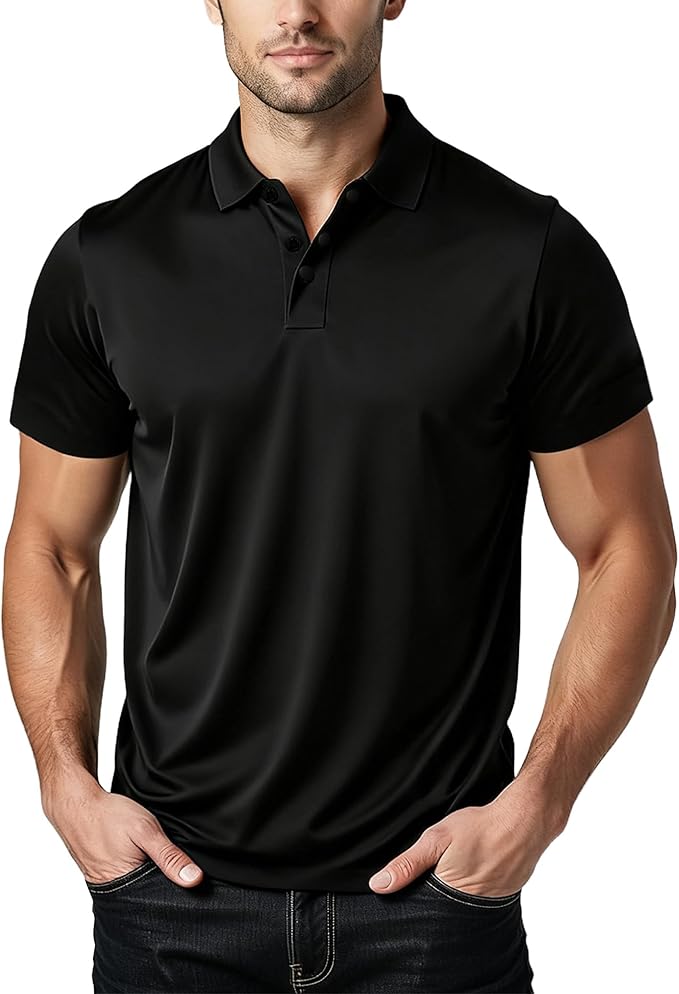
Men's Quick Dry Moisture Wicking Polo Shirt - High Elasticity Slim Fit Athletic Top (Runs Small)
$6.99 $29.99
46% OFF
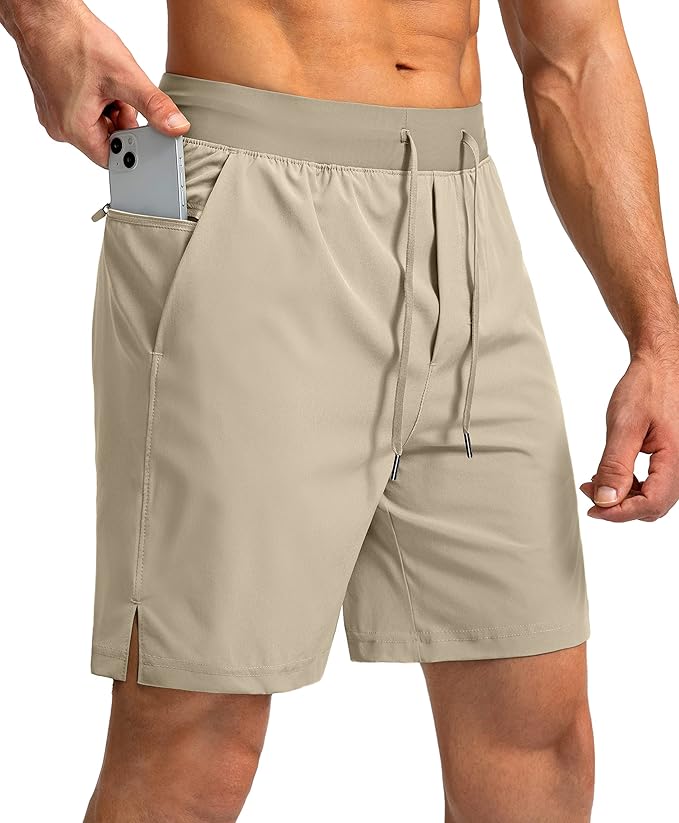
Men's Running Shorts with Zipper Pockets - Lightweight, Quick-Dry, Multi-Sport
$12.95 $23.99
50% OFF

NEWFAST NF-RE523 AC1200 WiFi Extender - 1200Mbps Dual Band Signal Booster & Internet Repeater
$18.5 $36.99
48% OFF

G Gradual Men's 7-inch Workout Running Shorts - Lightweight, Quick-Dry, Comfort
$12.91 $24.99
30% OFF
NOVETE Under Sink Water Filter - 3 Years, 30,000 Gallons, High-Efficiency Filtration
$41.99 $59.99
50% OFF

HDPE All-Weather Adirondack Chair with Built-In Cup Holder - Tool-Free Assembly (Grey)
$69.99 $139.99
60% OFF

HOMETUK Clear Plastic Storage Bins with Dividers - 3-Pack Stackable Acrylic Organizer Containers for Fridge and Pantry
$19.99 $49.99
58% OFF

G Gradual Men's Fishing Shirt - UPF 50+ Lightweight Short Sleeve Button Down with Zipper Pockets
$14.99 $35.99
55% OFF

Everyfun 60" Rectangular Platform Tree Swing - 700lbs Heavy Duty Adjustable Outdoor Swing (Colorful)
$49.99 $110.99
61% OFF

Ekouaer Women's Casual Loose Jumpsuit - One-Piece Printed Sleeveless Wide Leg Romper with Pockets
$14.99 $37.99
36% OFF

Men's Athletic Running Shorts with Zipper Pockets - Lightweight & Quick Dry
$12.74 $19.99
61% OFF

Modern Ceiling Fan with Light and Remote - Reversible Quiet DC Motor
$69.3 $179.99
50% OFF

MOOKA H13 True HEPA Air Purifier for Home Large Room - 1076 sq ft Odor Eliminator
$39.97 $79.95
40% OFF
X-Sense XS01-WX Smart Smoke Alarm - 2.4 GHz Wi-Fi Photoelectric Fire Detector with Mobile App Alerts
$65.99 $109.99
11% OFF

VitaUp Beet Root Gummies with CoQ10 & Grape Seed - Nitric Oxide Circulation Support (60 Count)
$24.91 $27.91

Sealy 2-Pack Tritech 16" Twin Inflatable Air Mattress with Built-in AC Pump
$0 $113.99
20% OFF

INTEX Prism Frame 20ft x 52in Above Ground Pool Set - Round Steel Frame Swimming Pool
$695.99 $869.99

Gardner Pet 43" Heavy Duty Dog Crate with Wheels - Indestructible Folding Metal Cage (Black)
$0 $149.99




-

Diary of a CEO’s Steven Bartlett and John Lennox discuss AI, faith and the search for meaning
-

Belfast churches 'heartbroken' over unrest
-

Is there a two-tier Britain?
-

Churches must disciple well and listen well in response to rise of Christian nationalism
-

Welsh reverend speaks of culture of fear over LGBT issues
-

South Wales Police back down on imposing Islamic 'blasphemy law'
Most Popular
News

Anti-Christian hate crimes across Europe surge in May as arson attacks reach 2026 high
Anti-Christian incidents across Europe rose sharply in May, with new figures showing the highest monthly number of arson-related attacks recorded so far this year.
Gloucester churches come together to bless River Avon amid pollution concerns
It is part of a broader campaign against river pollution as concerns remain about the amount of untreated sewage in the Avon.

Life beyond burnout: how Christians can grow in the desert seasons
Christian Today speaks to author and Anglican priest Tish Harrison Warren about growth in desert seasons and why the Church shouldn’t treat all spiritual weariness as a problem to fix.

Iranian-born bishop stands in solidarity with Britain's Jews
2025 had the second highest number of antisemitic incidents on record.
MANSPOT Electric Pubic Hair Trimmer - Waterproof Body and Groin Shaver for Men and Women (Black)
$20.39
Lick-Safe Dog Paw and Nose Balm Stick - All-Natural Moisturizer with Coconut Oil for Dry, Cracked Pads and Snout
$11.69
Men's Quick Dry Moisture Wicking Polo Shirt - High Elasticity Slim Fit Athletic Top (Runs Small)
$6.99
Men's Running Shorts with Zipper Pockets - Lightweight, Quick-Dry, Multi-Sport
$12.95
NEWFAST NF-RE523 AC1200 WiFi Extender - 1200Mbps Dual Band Signal Booster & Internet Repeater
$18.5
G Gradual Men's 7-inch Workout Running Shorts - Lightweight, Quick-Dry, Comfort
$12.91
NOVETE Under Sink Water Filter - 3 Years, 30,000 Gallons, High-Efficiency Filtration
$41.99
HDPE All-Weather Adirondack Chair with Built-In Cup Holder - Tool-Free Assembly (Grey)
$69.99
HOMETUK Clear Plastic Storage Bins with Dividers - 3-Pack Stackable Acrylic Organizer Containers for Fridge and Pantry
$19.99
G Gradual Men's Fishing Shirt - UPF 50+ Lightweight Short Sleeve Button Down with Zipper Pockets
$14.99
Everyfun 60" Rectangular Platform Tree Swing - 700lbs Heavy Duty Adjustable Outdoor Swing (Colorful)
$49.99
Ekouaer Women's Casual Loose Jumpsuit - One-Piece Printed Sleeveless Wide Leg Romper with Pockets
$14.99
Men's Athletic Running Shorts with Zipper Pockets - Lightweight & Quick Dry
$12.74
Modern Ceiling Fan with Light and Remote - Reversible Quiet DC Motor
$69.3
MOOKA H13 True HEPA Air Purifier for Home Large Room - 1076 sq ft Odor Eliminator
$39.97
X-Sense XS01-WX Smart Smoke Alarm - 2.4 GHz Wi-Fi Photoelectric Fire Detector with Mobile App Alerts
$65.99
VitaUp Beet Root Gummies with CoQ10 & Grape Seed - Nitric Oxide Circulation Support (60 Count)
$24.91
Sealy 2-Pack Tritech 16" Twin Inflatable Air Mattress with Built-in AC Pump
$0
INTEX Prism Frame 20ft x 52in Above Ground Pool Set - Round Steel Frame Swimming Pool
$695.99
Gardner Pet 43" Heavy Duty Dog Crate with Wheels - Indestructible Folding Metal Cage (Black)
$0